
Foundation & Slab Inspection in National City, CA
National City packs a lot of building history onto small lots. Bungalows and stucco cottages from the early 1900s through the 1950s sit a few blocks from postwar tract houses and the occasional newer infill build, and they rest on everything from raised perimeter foundations to flat slabs poured close to the bay. A foundation and slab inspection sorts out what all that aging concrete is actually doing: whether the crack in the porch slab, the floor that pitches toward one corner, or the bedroom door that won't latch is ordinary settling in an old house or movement that deserves an engineer's eyes.
I am Joseph Romeo. I have worked South Bay homes for more than 20 years, and National City's older, dense housing stock is exactly the kind of inventory I read every week. On this inspection I identify the foundation type, document every crack by width and pattern, measure how level the floors run, and follow the water around the lot. When a finding points to active structural movement, I name it and refer you to a licensed structural engineer. I report what I observe; I do not stamp engineering or sell repairs.
Call (619) 752-4399 Schedule an Inspection
What does a National City foundation and slab inspection include?
The job is to tell ordinary old-house settling apart from movement that needs an engineer. On a National City home I read the foundation as one connected system, from the dirt up:
- Foundation type identification. Most of the older grid is raised perimeter foundation with a crawlspace or an early slab-on-grade; newer infill and rebuilds may carry a modern slab or post-tension design. The type dictates how I read a crack and what is safe to touch, you never drill or anchor into a post-tension slab without locating the cables.
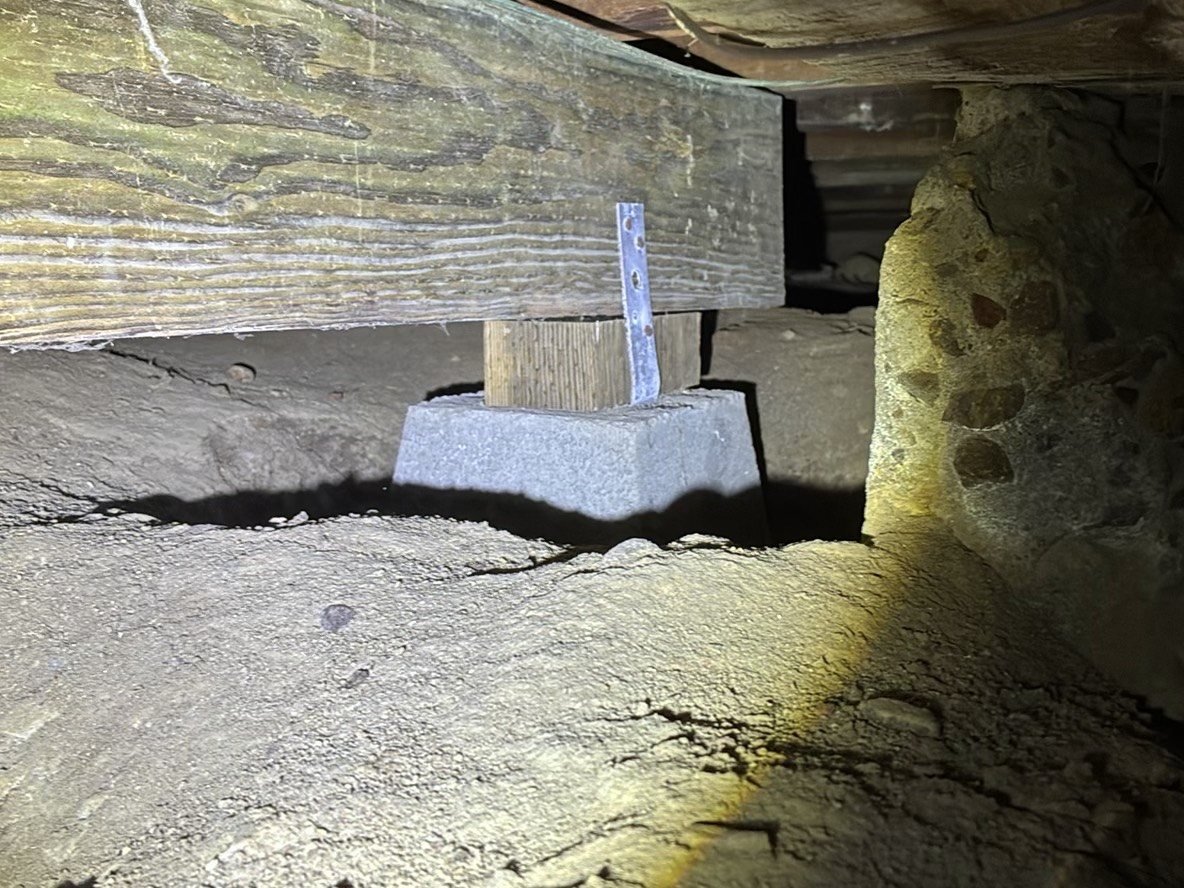
- Stem walls and crawlspace. On raised homes I get under the house to check the perimeter stem wall, posts, girders, mudsills, and any cracking, rotation, or moisture, the parts of an old National City foundation that age first.
- Slab and concrete cracks. I map cracking at the slab edge, garage floor, porch, and exposed footing, noting whether it reads as concrete shrinkage or as displacement.
- Floor levelness. I check rooms for slope, sag, and bounce, the plainest evidence of differential movement in a house this age.
- Doors, windows, and drywall. Out-of-square jambs, cracks fanning from door and window corners, and separated trim are the upstairs symptoms of foundation behavior below.
- Drainage and grading. Where roof and yard water actually go on a tight urban lot, because soil moisture is the engine behind nearly all foundation movement here.
It is a visual, non-destructive inspection. When the evidence points to active distress, the next step is a licensed structural engineer, and I say so without hedging.
How does National City ground and the bay edge move foundations?
What a foundation does here comes down to the dirt under it, and National City's dirt changes a lot in a short distance, from the low ground near the waterfront to the rising blocks east of the freeway. A local read beats a generic crack chart for that reason:
- Low, bay-adjacent ground and a high water table. The west side of National City sits close to San Diego Bay and the old Paradise Creek and Paradise Marsh corridor. Near the waterfront and the lower flats, a high seasonal water table and historic fill keep the ground soft and wet, which works slab edges and raised foundations differently than dry inland soil.
- Expansive clay and seasonal soil swing. Much of the South Bay carries clay-rich soil that swells when it gets wet and shrinks as it dries. Through National City's wet-winter, dry-summer cycle that ground lifts and drops, opening and closing cracks and racking door frames season to season.
- Rising ground and slopes to the east. Toward the eastern edge near Lincoln Acres and the climb up toward La Presa, lots gain grade. Slope brings retaining walls, downhill soil creep, and drainage that has to be managed instead of ignored.
- Century-old grading on tight lots. Around the old downtown grid and Olivewood, many homes sit on original grading with alley-loaded yards, downspouts, and slopes that now send water back toward the foundation rather than away from it.
The climate here is mild, with no frost to speak of. It is the wet-dry moisture swing and that bay-edge water, not freezing, that does the real work on a National City foundation.
What do I commonly find under National City homes?
Two decades in the South Bay means the patterns repeat, and on National City's older stock they sort by foundation type and by how close a house sits to the bay. Most are cosmetic or maintenance items; a few earn an engineer:
- Aging stem-wall and crawlspace problems on raised pre-1960 homes, perimeter cracking, sagging girders, cut or notched framing from old remodels, and damp soil under the house near the low west side.
- Old slab and porch cracking, shrinkage and minor settlement in early slab-on-grade pours, garage floors, and front porch slabs that have moved over decades.
- Seasonal heave symptoms, doors that stick in winter and free up by summer, hairline drywall cracks at door and window corners that track the wet-dry cycle on clay-influenced lots.
- Moisture and floor-framing decay where a high water table and poor crawlspace ventilation have kept the underside of an old house wet for years.
- Retaining-wall and drainage issues on the eastern sloped lots, plus flat or reverse yard grade and downspouts dumping at the foundation, the fixable root cause behind a lot of cracking.
Every finding gets a photo and a plain note: foundation type, crack width and direction, and whether it reads as cosmetic or as a candidate for structural review.
How does the inspection run and what does your report include?
I work the foundation as a loop, outside first, then inside. On the exterior I follow the exposed stem wall or slab edge, read the grading and where water sheds on a tight urban lot, and check any retaining walls on the sloped eastern blocks. Inside I test floors for slope and bounce, work the doors and windows that are out of square, and trace drywall cracks back to their corners. On older raised homes I get into the crawlspace for posts, girders, mudsills, and moisture; on a slab or post-tension floor I read the surface without ever drilling into it. You are welcome to come under the house or walk the lot with me, I would rather show you why a porch crack is old settlement than have you lose sleep over it.
The report is built in HomeGauge with a photo on every finding that matters, each one labeled by foundation type, crack pattern, and whether it is cosmetic or warrants further review. I deliver most reports the same day or the next morning. If anything points to active structural movement, I recommend a licensed structural engineer for certification or repair design and tell you what to ask them. I report condition and never bid or perform foundation repairs, so nothing in the report is pushing you toward a job.
Why do National City homeowners call Joseph Romeo?
I am an InterNACHI Certified Professional Inspector (CPI), and I also hold a California CSLB General Contractor license (#1113143). That builder background counts for a lot on an old foundation: I have set stem walls, poured slabs, and fixed drainage, so when I read a cracked footing or a sloping floor in a 1920s bungalow, I know how it was built and what an engineer and a repair crew will do with it.
- 20-plus years and more than 10,000 inspections across San Diego County, with deep time in the South Bay and its older urban housing, from National City's downtown grid to the eastern slopes.
- 4.9 stars across 106 Google reviews.
- Independent. I document the foundation and refer the engineering and the repairs out, I do not bid foundation work on a house I inspect, so my read stays straight.
If you are buying or already own a National City home and a crack, a tilted floor, or a door that won't latch has you wondering, reach me directly at (619) 752-4399 or joe@sandiegohomeinspection.com and I will get you on the schedule.
Which related inspections suit National City homes?
The foundation inspection answers the structural question. On National City's older homes a few related services often belong on the same visit, and I can fold them into one trip:
- Full home inspection: if you are buying, the foundation read is one part of a whole-house inspection, start at the National City home inspection hub.
- Sewer scope: the old downtown grid still has plenty of clay and cast-iron laterals, a camera catches cracked or root-filled lines that often track the same soil movement as the foundation.
- Thermal and infrared imaging: to confirm hidden moisture at the slab edge or under raised flooring, common on the low, bay-adjacent west side.
- Drainage and grading review: since yard slope and downspouts cause so much foundation movement here, getting water moving away is often the real fix.
Send me the address and what you are seeing, a crack, a slope, a door that won't shut, and I will tell you whether the foundation inspection covers it or one of these belongs with it.
National City Foundation & Slab Inspection FAQs
Is the crack in my National City slab or stem wall serious?
Does living near the bay affect my foundation in National City?
Why do my doors stick and drywall crack only in certain seasons?
My National City home is from the 1920s. Is the old foundation a problem?
Can you certify or repair my National City foundation?
What does a foundation & slab inspection in National City cost?
Slab surveys in action
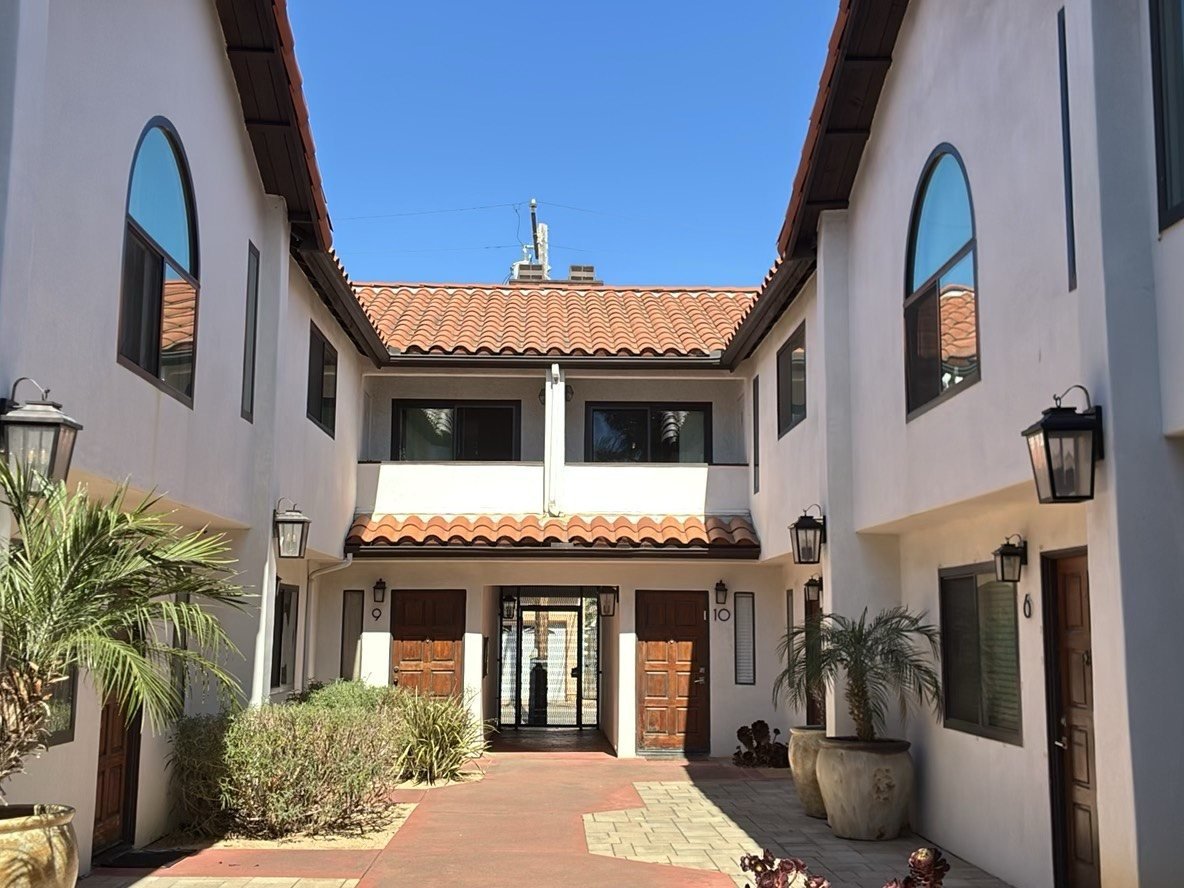
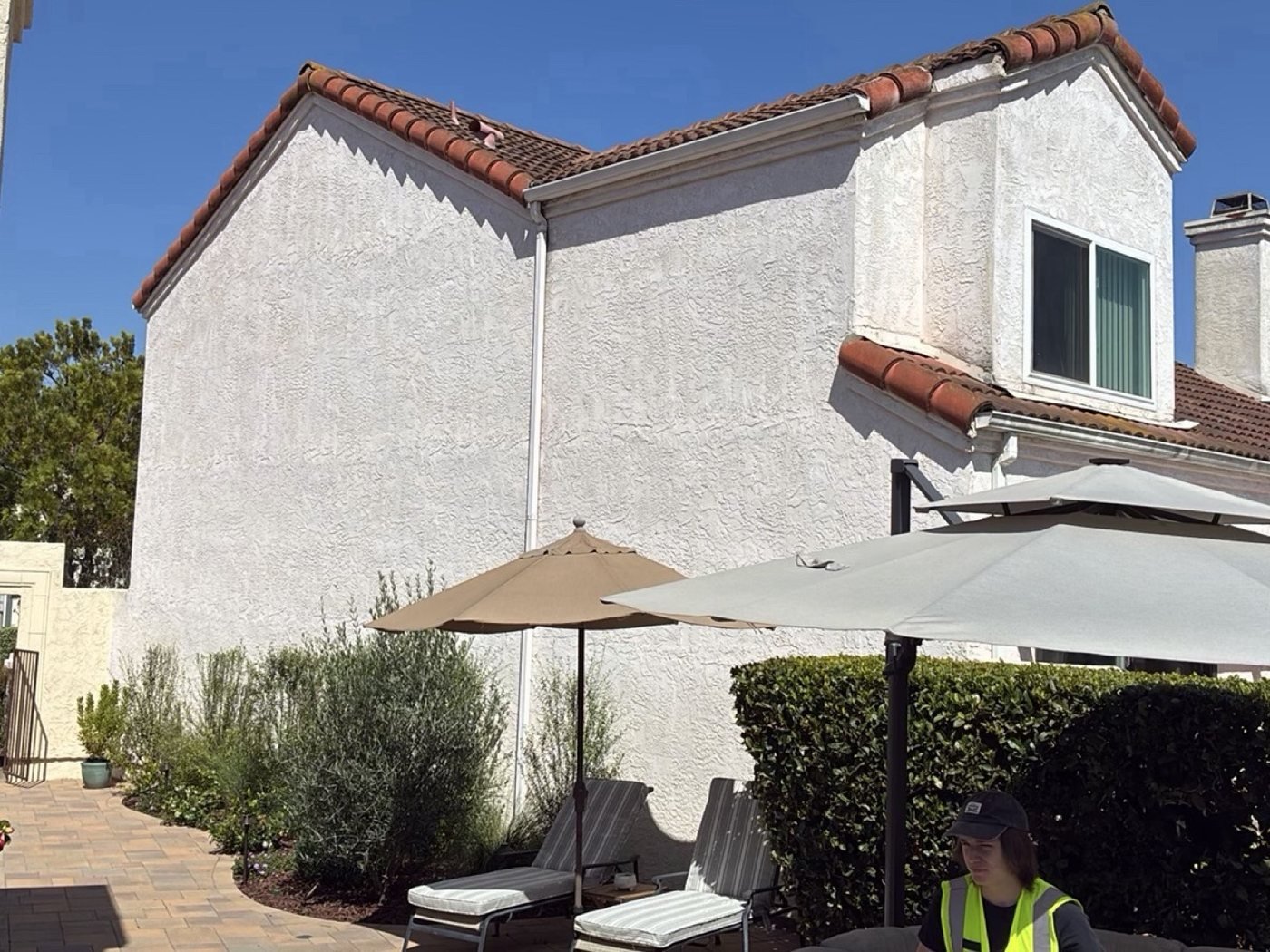
ZipLevel altimeter measurements and foundation documentation from recent surveys.
More inspections in National City
- Seller inspection in National City
- Warranty inspection in National City
- Commercial roof cleaning in National City
- Commercial inspection in National City
- Home inspection in National City
Nearby and countywide
Were You Happy With Your Inspection?
We are proud of our 4.9-star rating across 100+ Google reviews. If Joseph and the team did right by you, a quick Google review helps other San Diego County buyers and sellers find us.