
Commercial Roof Cleaning in National City, CA
National City is a working city — the port terminals along the bayfront, the Mile of Cars on National City Boulevard, the warehouse and light-industrial blocks east of the freeway, and the dense older commercial frontage that has stood since the early 1900s. Most of those buildings carry flat or low-slope roofs, and most of them sit in two kinds of trouble at once: the salt-laden marine air rolling off San Diego Bay a few blocks west, and the diesel soot, brake dust, and grit that settle out of one of the busiest port-and-rail corridors in the county. That airborne load builds a greasy film on a membrane, feeds the algae that roots in the damp shade, and silts the drains long before anyone upstairs notices a stain.
I'm Joseph Romeo. A commercial roof cleaning is the routine upkeep that keeps a flat roof working the way it was built to — pulling debris and biological growth off the surface, opening the scuppers, drains, and overflows so water leaves the deck instead of pooling, and photographing the roof while it's clear enough to actually read. It's maintenance and a dated record, not a recoat and not a repair job; membrane and coating work belongs to a licensed roofer. Below is the scope on a National City building, the bayfront-and-industrial conditions that drive it, what I keep finding up here, how the visit and report go, and where my work stops.
Call (619) 752-4399 Schedule an Inspection
What does a commercial roof cleaning cover on a National City building?
This is upkeep and documentation for the flat and low-slope systems over National City's commercial and industrial stock — single-ply TPO, modified bitumen, cap-sheet and gravel built-up (BUR), and sprayed polyurethane foam. On a building here a visit takes in:
- Surface debris removal — clearing windblown grit, palm and street-tree litter, packaging trash off the warehouse blocks, and the gritty industrial fallout that drifts off the port and freight corridor onto the field of the roof
- Drainage outlets — opening interior roof drains, through-wall scuppers, strainer baskets, and overflows so bay-coast rain clears the deck instead of stacking behind a silted plug
- Growth removal — lifting the algae, moss, and lichen that take hold in the salt-damp, shaded pockets between the city's tightly packed older buildings
- Film and soot rinse — clearing the diesel-and-dust film that coats membranes near the truck routes and rail yard and holds moisture against the surface
- Detail clearing — opening seams, parapet bases, and the flashings around curbs and penetrations so the surface can be read
- Equipment surrounds — clearing around rooftop HVAC, condensate lines, vents, exhaust units, and skylight curbs where debris and growth gather first
- Condition photos — documenting membrane, seams, flashings, drains, and any ponding evidence so you hold a dated record of where the roof stands
I clear the roof and write down what's there. I don't weld seams, recoat foam, or patch membrane — that's roofer scope, and the report sends them straight to it.
How do the bay and port corridor damage a flat roof?
National City sits low and tight against San Diego Bay, with the port, the rail yard, and the freight routes feeding the air and the older urban grid holding the damp. The roof over a building here takes a beating few inland cities see:
- Salt-laden marine air: the bay is blocks away, and the salt that rides in on the marine layer settles on every roof in the western half of the city. Salt holds moisture, accelerates corrosion on metal flashings, fasteners, and drains, and feeds the algae that thrives in the damp.
- Port and freight fallout: diesel exhaust, brake and tire dust, and gritty particulate off the terminals, the truck routes, and the rail corridor settle into a film on the membrane. That film traps damp, darkens the surface so it runs hotter, and silts the drains faster than a cleaner building would expect.
- Dense, shaded older grid: National City's tightly built early-1900s-to-1950s commercial frontage leaves narrow gaps between buildings and tall parapets that shade the low corners. Those slow-draining, salt-damp pockets stay wet long enough for moss and lichen to root.
- Aging roof stock: a lot of these roofs are old — reroofed mod-bit and gravel BUR over decades-old commercial buildings, many on raised wood-frame structures from the city's early years. Older membranes are less forgiving of standing water and trapped debris.
- Burst winter rain on a flat deck: the coast takes its rain in concentrated stretches, and a drain silted with a season of grit and salt-crusted debris can't move that volume. Water ponds, and standing water on a tired, sun-and-salt-worn membrane is the leak you never saw start.
Which problems keep turning up on National City commercial roofs?
Across the low-slope roofs I document around the city — the auto-row buildings along National City Boulevard, the warehouses and light industrial east toward the 805, the older retail and office frontage downtown, the bayfront-adjacent commercial stock — the same conditions repeat, and a maintenance visit catches them long before a stained ceiling does:
- Silted, salt-crusted drains — interior drains and scuppers choked with grit and a dried tide-line showing where water backs up every storm
- Greasy diesel-dust film — a dark, tacky coating over the membrane near the truck and rail routes that holds damp and runs the surface hot
- Ponding marks on the low side — mineral rings and dark staining where water sits for days, pointing at slope or drainage that isn't carrying the load
- Moss and lichen in the shade pockets — growth rooted in the narrow, salt-damp gaps and behind tall parapets between the tightly packed older buildings
- Corroding metal details — rusting drain rings, fasteners, and flashing edges where bay salt has been working on the metal
- Sun-and-salt-spent membrane — chalked, thinning TPO and dried, cracked modified bitumen on aging roofs out in the open field
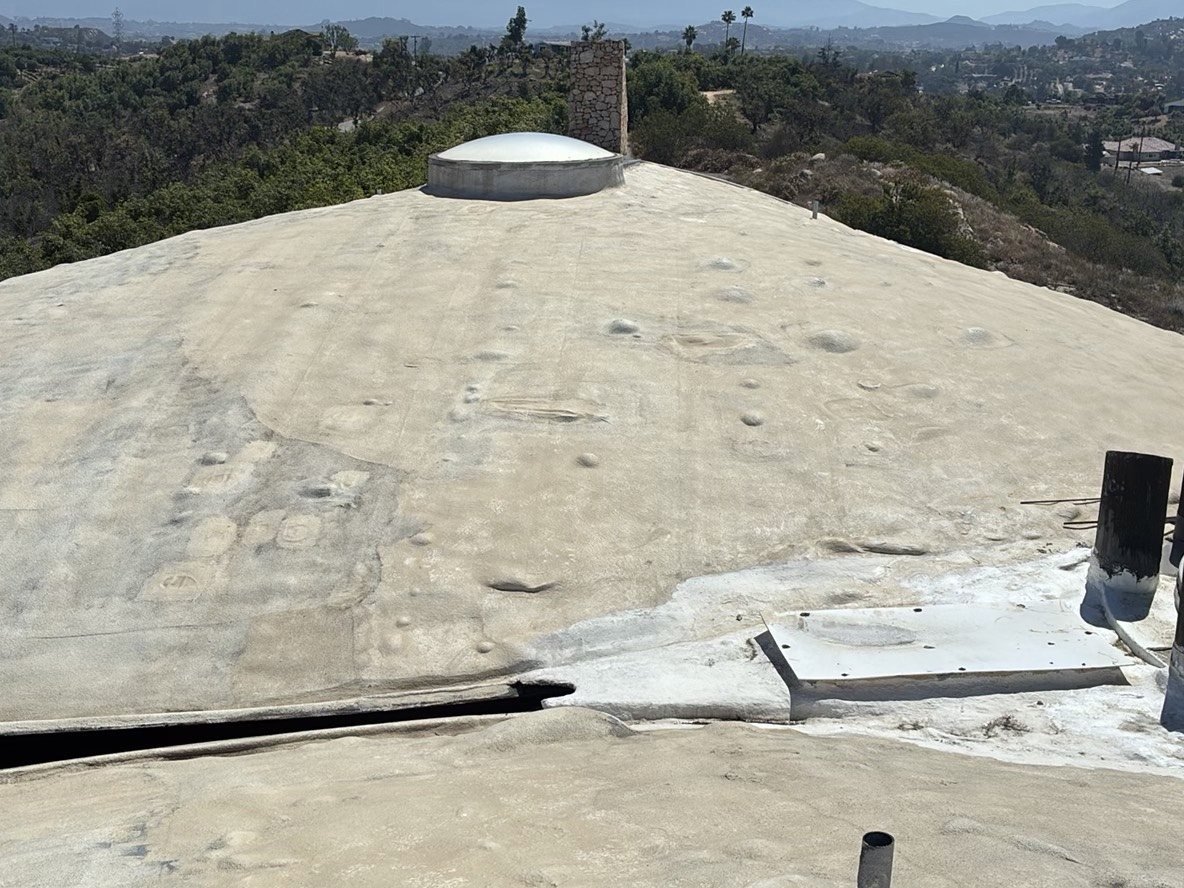
- Worn foam coating — sprayed-foam roofs with checked or cracked coating and bare foam that soaks up water until a roofer recoats it
- Debris-buried seam and flashing lifts — lap separations and base-flashing edges pulling away under a layer of grit at parapets, curbs, and penetrations, which is exactly where leaks begin
None of that is a repair verdict on its own. I separate plain housekeeping — debris a cleaning clears — from a membrane, metal, or flashing condition that needs a roofer, and I photograph each so the report stands on what's actually up there.
How does the visit run and what do you receive?
It starts with a call to (619) 752-4399 or an email with the National City building address, the roof type if you know it, and what's prompting the visit — routine upkeep, getting ahead of the rains, a warranty-compliance record, or a check before a sale or lease. That tells me what access and equipment to plan for on a tight urban or industrial lot.
On site I work the open field, the salt-damp shade pockets, and the equipment surrounds first, then open the drains, scuppers, strainers, and overflows so water has a clear path off the deck. As I clear, I'm reading what the grit and film were hiding — the membrane and foam for sun, salt, and UV wear, the metal details for corrosion, the seams and base flashings for separation, the outlets for whether they actually carry water, and the low corners for ponding evidence. I keep the method matched to the system so I'm not forcing water into seams or scuffing a foam coating.
What comes back is a photo-documented HomeGauge report — condition spelled out plainly, the drainage cleared and noted, and any membrane, metal, or flashing concern flagged for your roofer. In most cases it lands same day or next day. That dated record answers a manufacturer warranty's maintenance requirement and gives a roofer a targeted place to start. I clean and document; I don't recoat, repair, or certify the roof, which keeps the report independent of anyone selling the work.
Why do National City owners and property managers bring me in?
A maintenance record is only worth keeping if the person writing it understands roofing systems, not just how to run a blower. I'm an InterNACHI Certified Professional Inspector (CPI), and I hold a California CSLB General Contractor license (#1113143). That building background is why the documentation earns its keep: I know how a TPO seam, a mod-bit lap, a foam coating, a salt-corroded drain ring, and a scupper detail are supposed to behave, so when I flag a lifting flashing or a chronic ponding spot, I can tell you what it means and roughly what the fix involves before a roofer ever quotes it.
- 20+ years and 10,000+ inspections across San Diego County, including National City's bayfront, auto-row, and industrial commercial stock
- 4.9 stars across 106 Google reviews
- Independent and conflict-free — I don't sell roofing, coatings, or repairs, so the report points to what the roof needs, not to work I'd profit from
For recoating, seam or flashing repair, drain replacement, corroded-metal work, or a formal roof certification, I coordinate or refer a licensed roofer rather than pretend a cleaning covers it. Reach me directly at joe@sandiegohomeinspection.com or the number above.
Which related services suit National City commercial properties?
A roof cleaning is one piece of keeping a National City building tight. Depending on the property, a few companion services are worth folding into the same visit:
- Roof condition inspection: a focused read on the covering, flashings, and remaining life when you need more than maintenance — a buyer's-grade or capital-planning assessment
- Commercial building inspection: the broader walk of structure, roof, electrical, plumbing, and HVAC when you're buying, leasing, or sizing up a whole property — useful on the city's older raised-frame and slab commercial buildings
- Thermal / infrared imaging: for hidden moisture where a leak has already tracked into the deck or the ceilings below, which the eye alone won't catch
- Drainage and grading check: where the scuppers and downspouts discharge, and whether runoff on a tight urban lot is carried away from the building rather than ponding against the slab
- Pre-rainy-season maintenance walk: a scheduled clear-and-document before the wet stretch so the drains and scuppers are open when the coastal rain arrives
Send me the address and what you're trying to protect, and I'll tell you which of these actually apply. Start from the National City home inspection hub, see the full range of inspection services, check the fee schedule, or reach out through contact.
National City Commercial Roof Cleaning FAQs
How often should a National City commercial roof be cleaned?
Why do National City roofs collect that greasy dark film?
Can you repair the membrane or recoat the foam if you find a problem?
Does cleaning protect my roof warranty?
Does the bay salt really damage a commercial roof?
What does commercial roof cleaning cost in National City?
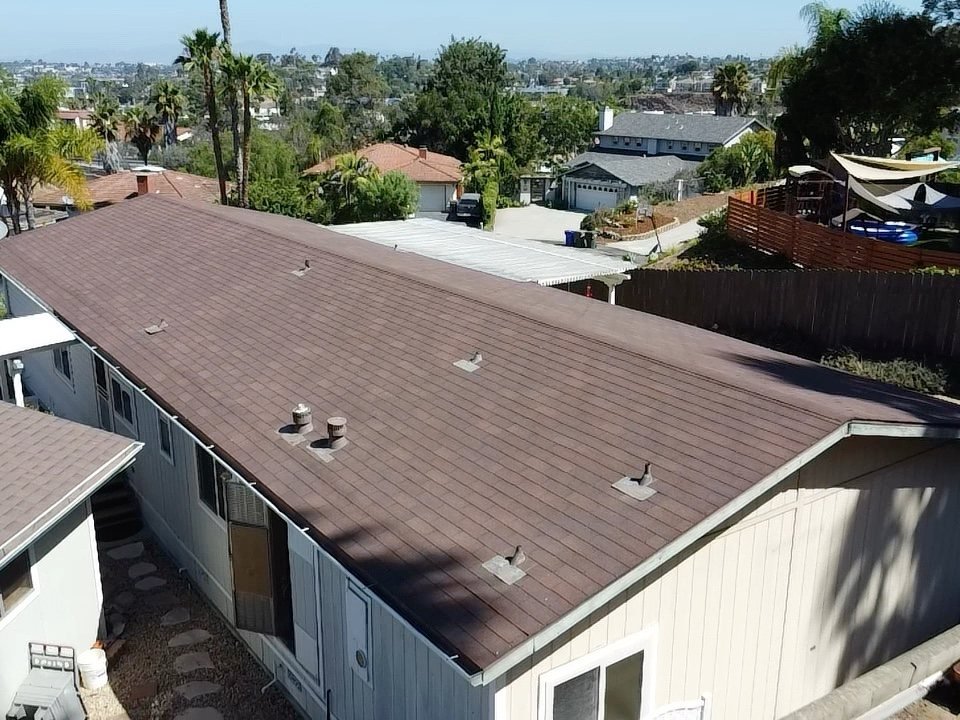
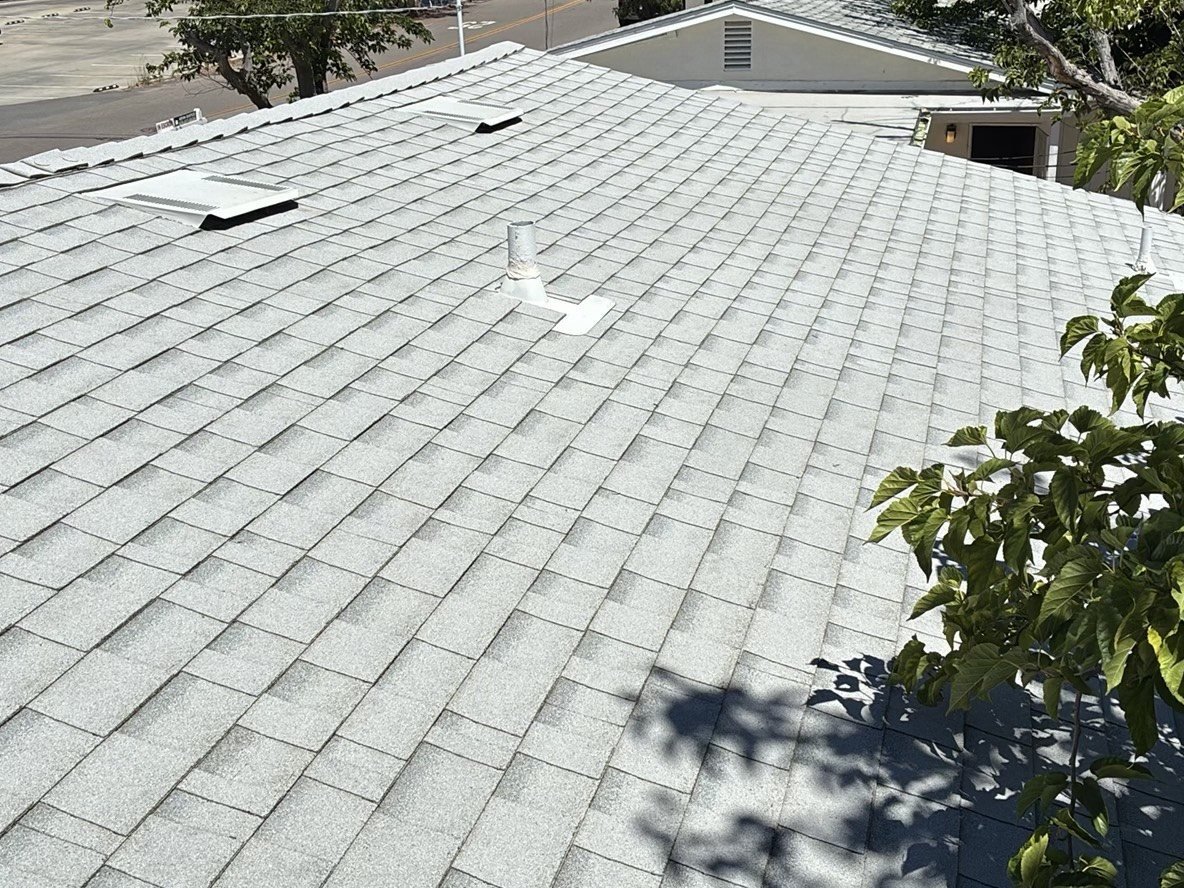
Large rooftops, handled
Flat and low-slope commercial roofs we access, document and maintain.
More inspections in National City
- 4-point inspection in National City
- Roof inspection in National City
- Thermal imaging in National City
- Foundation slab survey in National City
- Home inspection in National City
Nearby and countywide
Were You Happy With Your Inspection?
We are proud of our 4.9-star rating across 100+ Google reviews. If Joseph and the team did right by you, a quick Google review helps other San Diego County buyers and sellers find us.