
4-Point Inspection in National City, CA
A 4-point inspection is the narrow, insurer-driven report that documents four systems an underwriter weighs before agreeing to write or renew a homeowners policy: the roof, the electrical service, the plumbing, and the heating and air conditioning. It is deliberately not a whole-house inspection. The job is to record how old each system is, what it is built from, and the shape it is in right now, then flag the specific failure types carriers treat as deal-breakers. In National City this request lands often, because so much of the housing here predates the era underwriters consider low-risk.
I am Joseph Romeo. For more than 20 years I have inspected homes throughout the South Bay, including the older blocks of National City around Old Town, Kimball Park, the Granger and Olivewood neighborhoods, and the streets running off National and Highland Avenues. As California carriers keep tightening, a 4-point is now routinely demanded before anyone will quote a 1920s bungalow or a postwar tract house here, even one that looks cared-for. I write the report the way an underwriter reads it, so your agent receives a clean file instead of a stalled quote.
Call (619) 752-4399 Schedule an Inspection
What does a National City 4-point inspection look at?
The scope stays tight by design. I record age, materials, and present condition for four systems, and I call out any of the problem types an insurer specifically watches for. On a National City home that breaks down like this:
- Roof: covering material, number of layers, rough age, and an estimate of how much service life is left. The older port-side bungalows and 1940s-50s cottages here often carry composition shingle, sometimes a low-slope rolled or built-up section over a rear add-on; I note worn fields, tired flashing, and any patchwork.
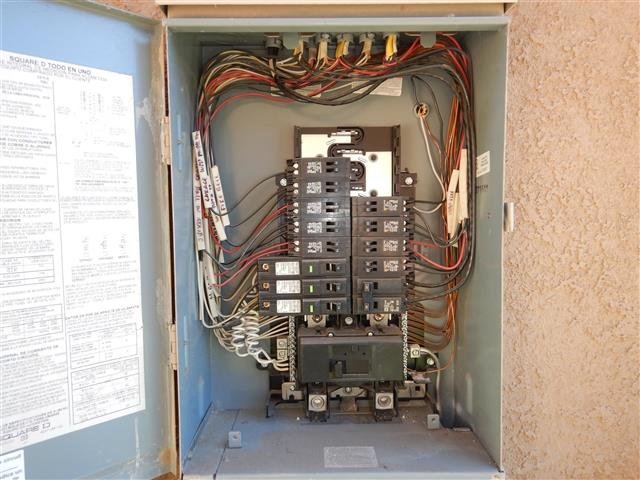
- Electrical: service amperage, panel manufacturer, and branch wiring. Underwriters want to know whether the panel is a flagged make, Federal Pacific (FPE), Zinsco, or Sylvania, and whether the house still runs knob-and-tube or aluminum branch wiring, both of which surface in National City's prewar and early-postwar stock.
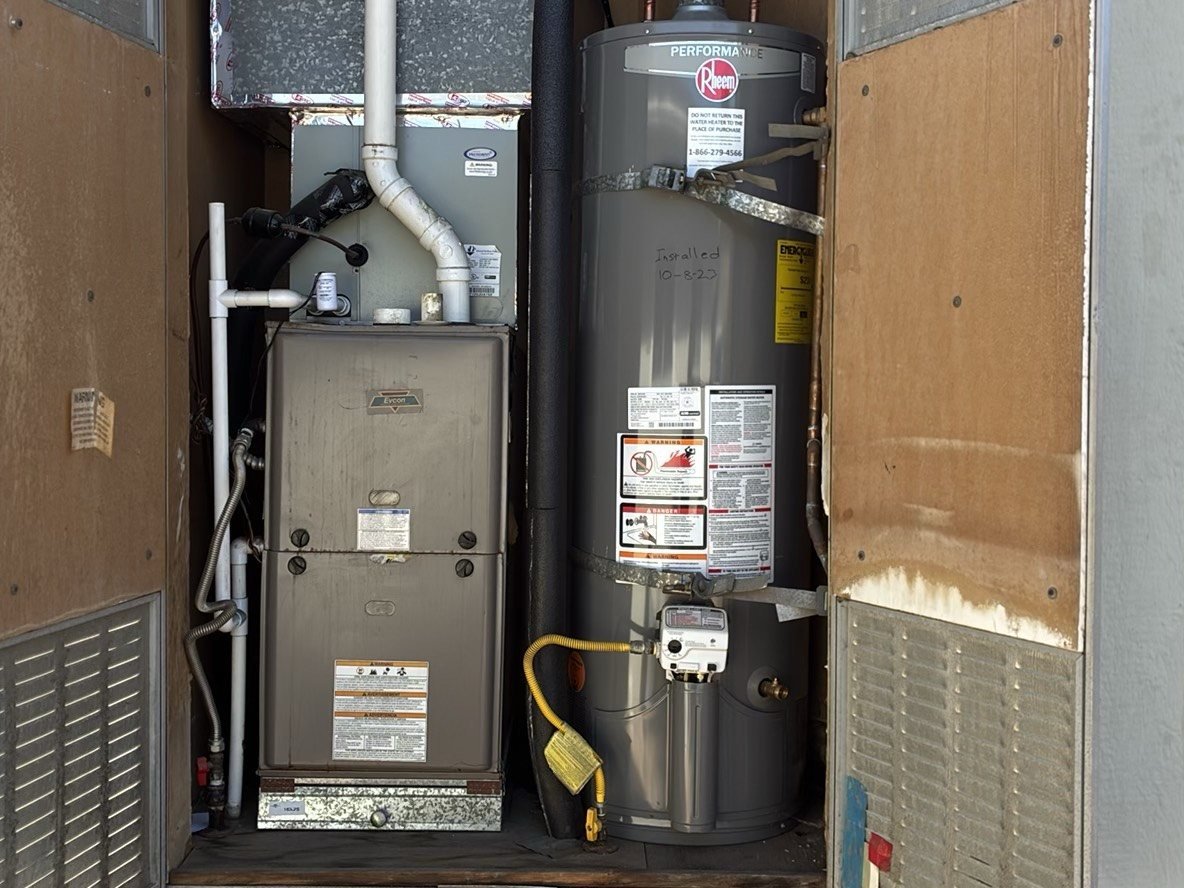
- Plumbing: the supply piping, the drain material, and the water heater. I pin down galvanized steel or polybutylene supply, aging cast-iron drains, and the age and condition of the tank.
- HVAC: the heating and cooling, its type, age, and whether it runs. Plenty of older National City homes still heat with a wall or floor furnace and have little or no cooling, which an underwriter wants on the record.
This is a condition snapshot built for an insurer, not a repair-bargaining list. Buyers want a full home inspection; if you already own the place and a carrier asked for a 4-point, this is the report they mean.
Why does National City's aging stock trigger the 4-point ask?
National City is one of San Diego County's oldest incorporated cities, and its housing shows it. That age is exactly why the 4-point request keeps coming up here.
- Early build dates. Carriers usually trigger a 4-point somewhere between 25 and 40 years of age. Much of National City, Old Town, the bungalow blocks near Kimball Park, Olivewood, and the grid off 8th and Highland, was built well before 1960, so it clears that bar by decades.
- Slab and raised both in play. The city mixes raised-foundation cottages with later slab construction, which means the plumbing and wiring an underwriter cares about vary house to house and are worth documenting carefully.
- Original mechanicals under cosmetic updates. Many homes here have a freshened kitchen or bath but the same panel, galvanized supply, and floor furnace they had 60 years ago. A 4-point exposes that gap between surface and system.
- A hardening California market. As insurers retreat statewide and more owners get pushed toward the FAIR Plan, paperwork that used to be optional on an older National City home is now often mandatory to bind or keep coverage, and wildfire-driven underwriting caution only adds to it.
What turns up most on older National City homes?
Two decades working South Bay houses means the same short list reappears on National City 4-points. None of these automatically kills a policy, but each one needs to be in the report so your carrier reads the real condition rather than guessing:
- Federal Pacific and Zinsco panels still live in midcentury homes; a lot of underwriters won't bind until one is swapped out.
- Knob-and-tube and early aluminum branch wiring hiding behind updated outlets and switch plates in the prewar bungalows.
- Galvanized and polybutylene supply lines, the galvanized choking shut with internal rust, the poly subject to insurer exclusions even when it hasn't leaked.
- Cast-iron drains well into their later years, common under the raised-foundation cottages here.
- Water heaters past their service window and frequently missing seismic strapping, tucked in garages and side closets.
- Wall and floor furnaces at or beyond end of life, often the only heat in the house, sometimes with no AC at all.
- Roofs running out of remaining life, worn shingle, stacked layers, and brittle low-slope sections over additions.
Each item gets a photo and a plain-language note on age, material, and condition, framed the way an underwriter will read it.
How does the visit run and what lands in your report?
A 4-point is fast. On a typical single-story National City home I'm usually on site about an hour. I open the panel and read the make and amperage, identify supply and drain materials wherever they're accessible, check the water heater, fire up and watch the heating and cooling, and size up the roof covering and its remaining life. Walk it with me if you can; I'd rather point out the Zinsco label or the corroded galvanized nipple in person than have you read about it after the fact.
I build the report in HomeGauge with a photo on every system, organized in the four-part layout carriers expect: age, material, condition, and any flagged failure type. Most 4-point reports go out the same day or the following morning, so your agent can put it straight in front of the underwriter without stalling a binder or a renewal. When a finding calls for a specialist, a re-pipe quote, a panel changeout, a roofer, I tell you who to call and coordinate the referral. I report condition only; I don't bid or perform the repairs, so nothing in the report is nudging you toward work I'd profit from.
Why do National City owners call Joseph Romeo?
I hold the InterNACHI Certified Professional Inspector (CPI) credential, and I also carry a California CSLB General Contractor license (#1113143). That contractor background earns its keep on a 4-point: I've replaced the flagged panels, re-piped the rusted galvanized, and pulled the dead floor furnaces I'm now documenting, so when I record a condition I know precisely what an underwriter, and a repair crew, will do with it.
- 20-plus years and over 10,000 inspections across San Diego County, with long roots in the South Bay.
- 4.9 stars across 106 Google reviews.
- Independent and unconflicted. I document the four systems and refer the fixes out; I never bid repairs on a home I inspect, so the report stays clean for your insurer.
If a carrier or agent asked for a 4-point on a National City home, call me directly at (619) 752-4399 or email joe@sandiegohomeinspection.com and I'll get you on the schedule with a quick turnaround.
Which related inspections suit National City homeowners?
A 4-point answers one narrow insurance question. Depending on the property and why you need it, a handful of other services pair naturally with it, and I can bundle them into a single trip:
- Full home inspection: buying rather than insuring a place you own? A full inspection covers everything a 4-point leaves out, structure, foundation, attic, appliances; start at the National City home inspection hub.
- Roof inspection: a closer look at remaining life and flashing when the roof is the system worrying your carrier.
- Sewer scope: a camera run down the lateral, valuable on the older raised-foundation homes here where cast-iron and clay joints invite roots.
- Infrared and moisture scan: to confirm hidden dampness or overloaded circuits tied to the four systems a 4-point names.
- Wind mitigation or pool inspection: extra documentation some carriers ask for alongside the 4-point.
Send the address and the reason your carrier flagged the home, and I'll tell you whether a plain 4-point covers it or whether one of these belongs with it.
National City 4-Point Inspection FAQs
What is a 4-point inspection and why does my National City insurer want one?
Which National City homes usually need a 4-point inspection?
What problems flag a 4-point in National City?
How quickly will I get the report?
Is a 4-point the same as a full home inspection?
Can you tell me the price for a National City 4-point inspection?
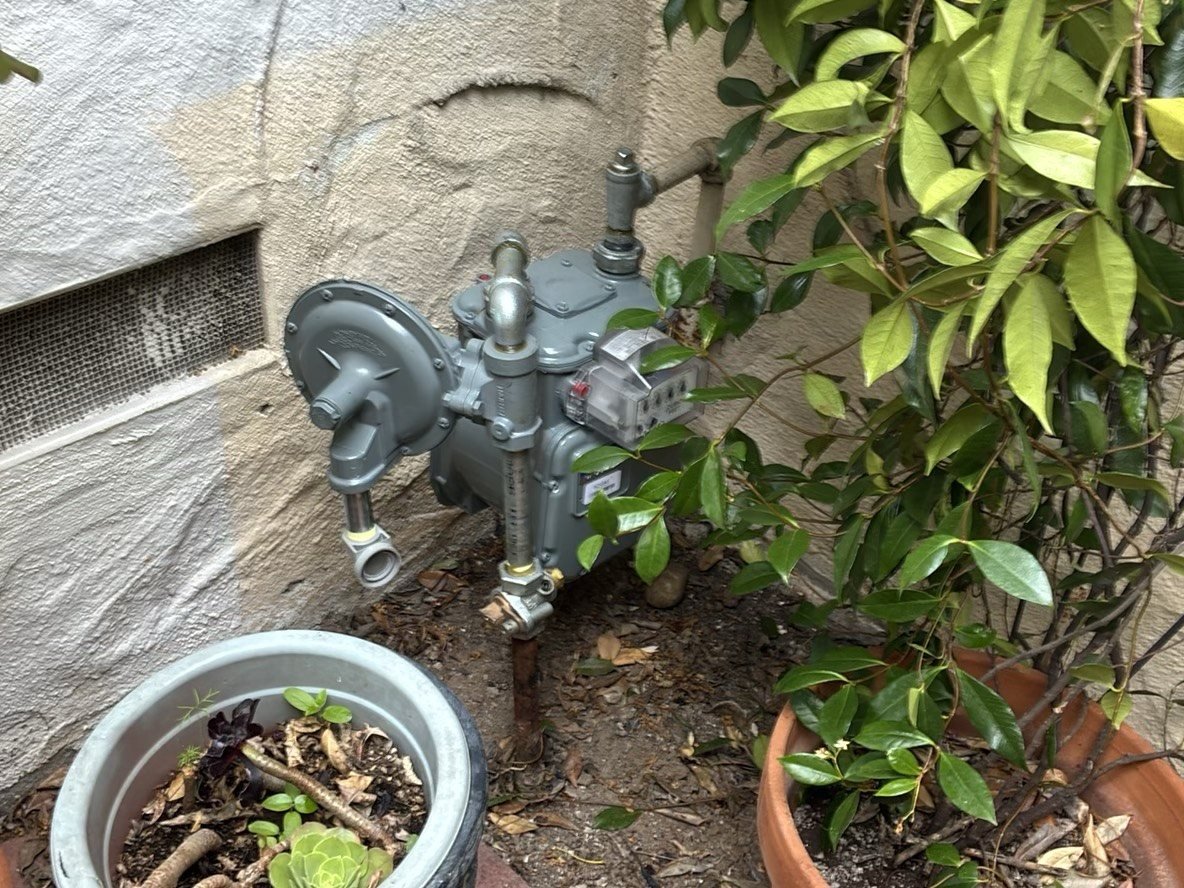
Roof, electrical, plumbing and HVAC
Documentation from recent 4-point inspections across San Diego County.
More inspections in National City
- Sewer scope inspection in National City
- Roof inspection in National City
- Thermal imaging in National City
- Foundation slab survey in National City
- Home inspection in National City
Nearby and countywide
Were You Happy With Your Inspection?
We are proud of our 4.9-star rating across 100+ Google reviews. If Joseph and the team did right by you, a quick Google review helps other San Diego County buyers and sellers find us.