
SB-721 Balcony Inspection in National City, CA
National City packs a dense, working rental market into a small footprint south of downtown San Diego, and a large share of those buildings now fall under California's SB-721 mandate. The statute reaches every apartment or multifamily property with three or more dwelling units that carries wood-framed exterior elevated elements raised more than six feet above grade — the law's shorthand is EEE, the exterior elevated elements — meaning balconies, open decks, exterior stair runs, landings, and shared walkways, along with the waterproofing layer that keeps water off the framing underneath. AB 2579 shifted the first compliance date to January 1, 2026, and the cycle repeats once every six years after that.
My name is Joseph Romeo and I run these inspections personally on National City buildings. This is not the kind of walkthrough a buyer orders before escrow — it is a safety-code evaluation that produces a documented record the owner keeps and presents to the building authority on request. Below I walk through the elements I examine, the conditions specific to this older port-adjacent city that age these structures, the defects that keep turning up here, how my report reaches you, and where my role ends. The National City inspection hub handles the residential side of my work in the area.
Call (619) 752-4399 Schedule an Inspection
What does an SB-721 inspection cover on a National City apartment?
SB-721 draws a tight boundary around what qualifies. It governs the weight-bearing portions of a multifamily structure that sit above six feet and rely on wood framing, plus every system that is supposed to move water away from that wood. On a National City building, the elements I read, sound, and photograph break down like this:
- Upper balconies and raised decks — the floor joists, the ledger board bolted back into the wall, the support posts, and the surface membrane on each second- and third-floor balcony.
- Exterior stairways — the open wood stair runs feeding upper units, how each stringer ties into the structure, and the footing or slab the run lands on.
- Landings and connecting walkways — the platforms at unit doors and any shared catwalk serving a row of apartments along a courtyard.
- Guardrails and handrails — checked for solid anchorage and resistance to a lateral push, because the rail is the last thing standing between a resident and a fall.
- Weatherproofing — flashing, deck coatings, sealant joints, and drainage that together decide whether the framing behind them stays dry or slowly rots.
The evaluation is mostly visual and runs across a representative sample of each element type. Where the evidence points to hidden decay, the statute lets me open a small intrusive test area to read the concealed framing directly instead of guessing. Each element gets called safe or unsafe and backed by photos. I record observed condition only — I do not engineer the fix or carry out the work, and the report states that.
How does National City's housing stock drive the risk?
National City is one of the oldest incorporated cities in the county, and its rental inventory shows it. The exposure here is concentrated, not scattered:
- Early- to mid-century building age. A lot of the multifamily stock west of the freeway and around the older neighborhoods went up between the 1900s and the 1950s, with additions layered on later. Wood-framed balconies and exterior stairs that old have cycled through decades of coatings, patches, and partial repairs, and the framing underneath is well past its original service life.
- Density and constant foot traffic. This is a packed renter city. Exterior stairs and shared walkways carry heavy daily use, which loosens connections and wears coatings far faster than on a lightly-occupied building.
- Port and bay proximity. Sitting next to San Diego Bay and the working waterfront, National City catches marine air that pushes salt-laden moisture into deck framing and accelerates rust on the joist hangers, bolts, and post bases holding everything together.
- Slab and raised foundations side by side. The mix of foundation types across the city means stair footings and post bases sit in varied moisture conditions, and the raised-foundation buildings give water more ways to reach framing at the lower landings.
- Layered remodels. Older buildings here have often been reroofed, recoated, and re-stuccoed over the years, and each layer can hide an earlier flashing mistake that has been quietly feeding water into a balcony ledger.
Which defects keep surfacing on South Bay rental decks?
Two decades on National City and South Bay buildings means the same problems repeat. Few of them are cause for alarm, and most are fixable, but each one belongs in the record so the owner and the building authority see the true condition:
- Spent deck coatings — membranes that have cracked, chalked, or peeled to the point they no longer shed water off the wood below.
- Flashing failures at the ledger — missing, back-lapped, or corroded flashing where a balcony meets the wall, the single most reliable path for water to reach framing.
- Soft and rotted wood — found by probing balcony edges, stair stringers, and landing corners where coatings have already let go.
- Rusted connectors — joist hangers, bolts, and post bases corroding under the bay's salt air on the older walk-ups, where galvanized hardware has aged out.
- Loose railings — guards that move at the base because the post anchorage or the deck beneath it has gone soft.
- Trapped water — flat landings and walkways that pond and hold moisture against the surface long after a rain.
Every item is photographed and noted in plain language, and each element is flagged safe or unsafe in the terms the jurisdiction expects to see.
How does the inspection run and what lands in your report?
I begin with your unit count and a quick walk of the property to map every qualifying element, then sample the load-bearing components and the waterproofing across the buildings. SB-721 allows a qualified inspector to evaluate a representative portion rather than every last balcony, and I record which elements I examined and why I picked them. I read coatings, flashing, ledger bolts, stair framing, and rail anchorage, and where a key connection is buried or visible damage demands it, I open a small intrusive area to confirm the framing condition.
The report is assembled in HomeGauge with a photo on each element and laid out so it reads cleanly for both the owner and the building department. It states which exterior elevated elements are safe and which need repair, flags anything posing an immediate hazard, and spells out what triggers a re-check. Most reports go out same day or the next morning. When an element comes back unsafe, I tell you which licensed professional handles it — a structural engineer or a general contractor — because I document condition and do not design or perform the repair. That keeps your SB-721 file clean and independent for the jurisdiction.
Why do National City owners hire Joseph Romeo?
SB-721 calls for a qualified inspector, and on this kind of work the building background does the heavy lifting. I am an InterNACHI Certified Professional Inspector (CPI) and I hold a California CSLB General Contractor license (#1113143). I have built and repaired the very ledger connections, deck coatings, and exterior stairs I evaluate, so when I mark an element unsafe I know exactly what a crew will face and I write the finding to be useful rather than vague.
- More than 20 years and over 10,000 inspections across San Diego County, with long experience in the South Bay.
- 4.9 stars from 106 Google reviews.
- Independent. I inspect and report, then refer the structural repair design to a licensed engineer or contractor — I do not bid the work, so your documentation stays unbiased for the city.
If you own a building of three or more units in National City and need to clear the January 1, 2026 deadline, reach me directly at (619) 752-4399 or joe@sandiegohomeinspection.com and I will get the property scheduled and the report turned around quickly.
Which related inspections suit National City property owners?
SB-721 settles one narrow question about your exterior elevated elements. Depending on the property, a few related services pair naturally with it, and I can often roll them into the same visit:
- SB-326 balcony inspection — the companion law for condominium and HOA common-interest developments, if your property is association-owned rather than a straight rental.
- Multifamily building inspection — a wider look at roofs, common areas, and systems across the whole property when you are buying or refinancing.
- Roof inspection — a closer read of coverings and flashing, since the water that ruins a balcony often starts on a tired roof above it.
- Infrared moisture imaging — to confirm concealed moisture behind a deck surface or wall before deciding where an intrusive test makes sense.
- Sewer scope — worth running on older National City complexes where the original laterals are due for a camera.
Send the address and the unit count, and I will tell you whether a straight SB-721 inspection covers it or whether one of these belongs alongside. Browse all inspection services for the full list.
National City SB-721 Balcony Inspection FAQs
Which National City buildings need an SB-721 inspection?
When is the SB-721 deadline for National City apartments?
How is SB-721 different from SB-326 in National City?
Do you have to inspect every balcony on the property?
What happens if you find an unsafe balcony?
What does an SB-721 inspection in National City cost?
Properties we inspect
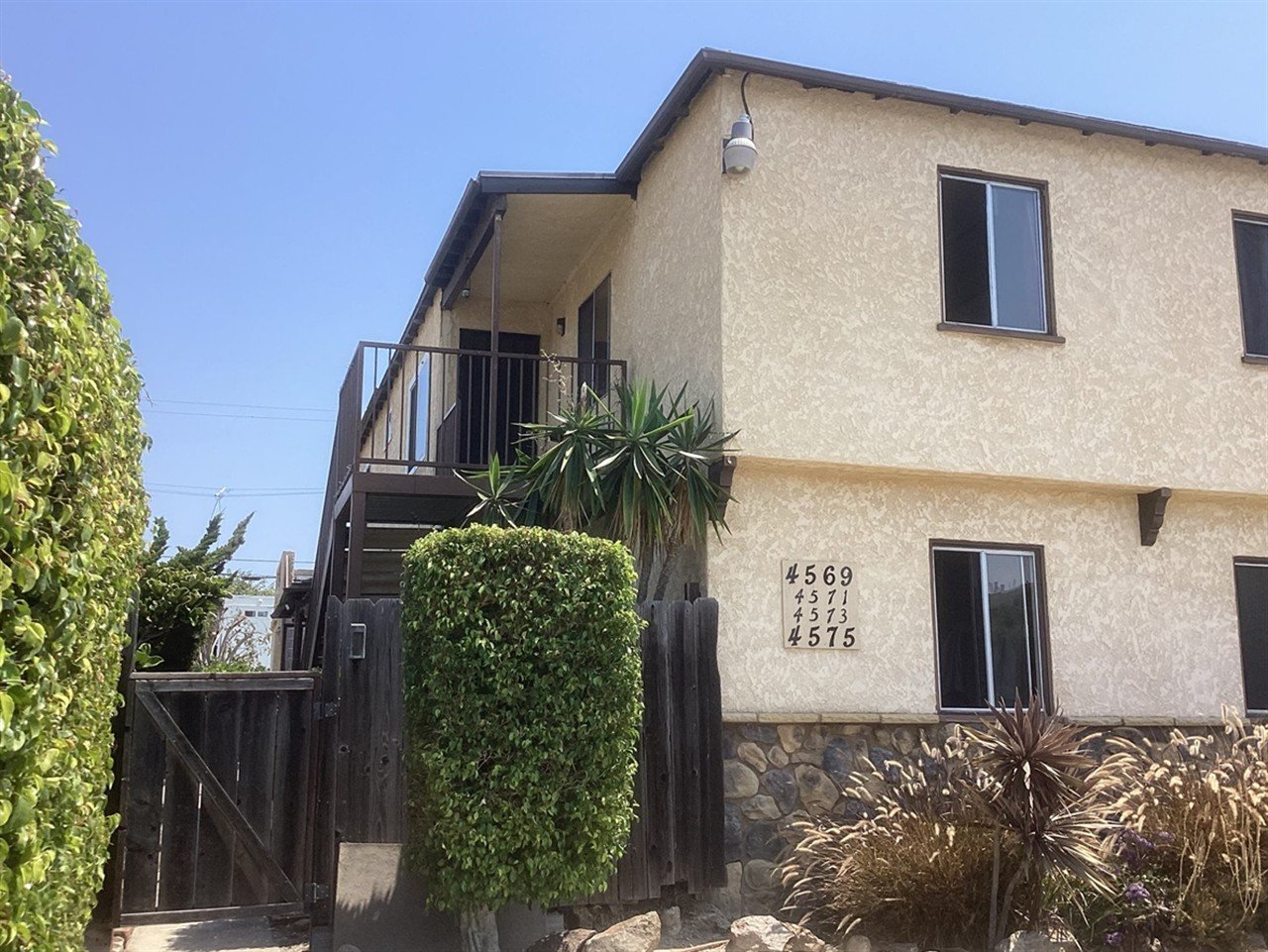
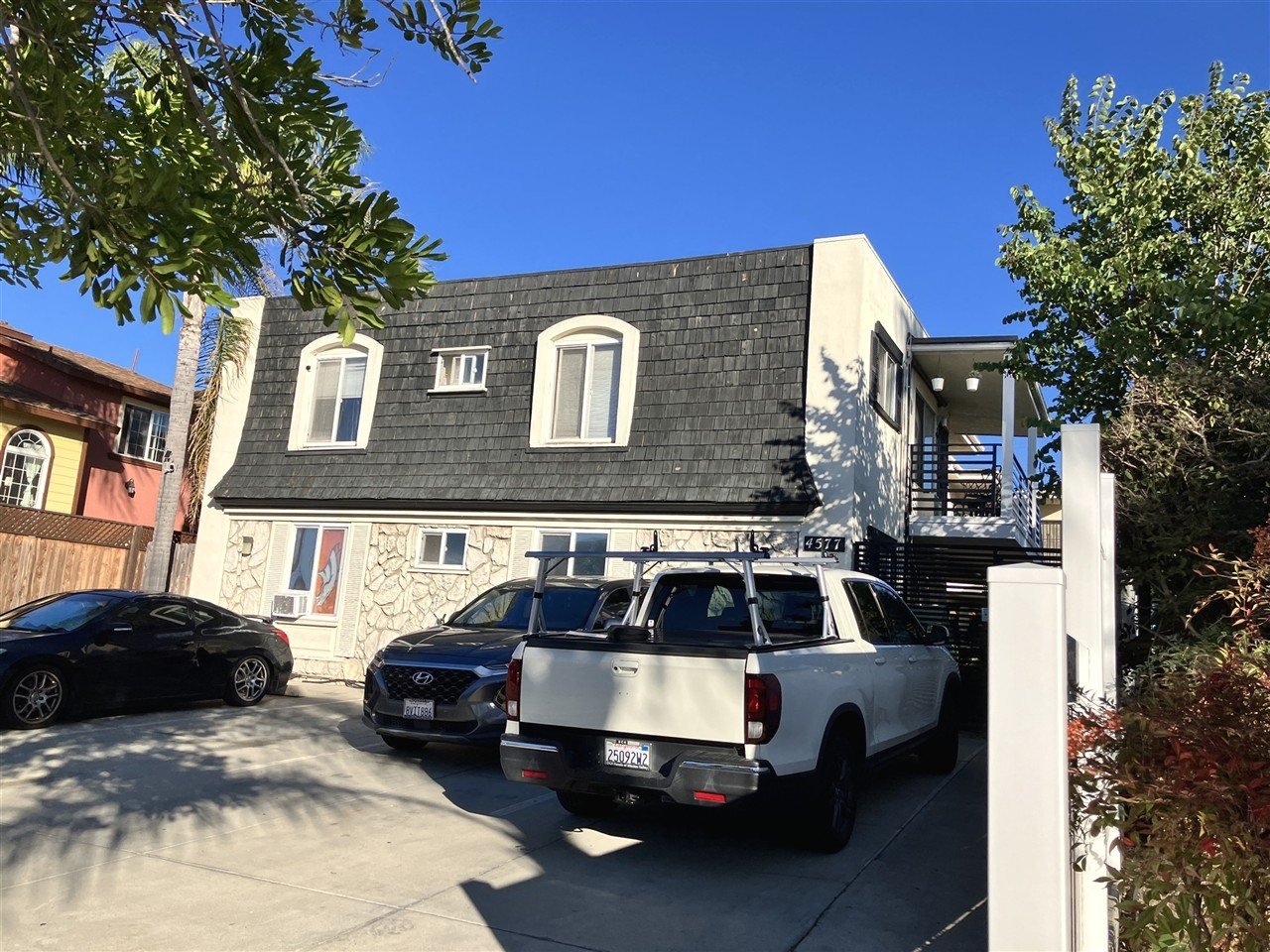
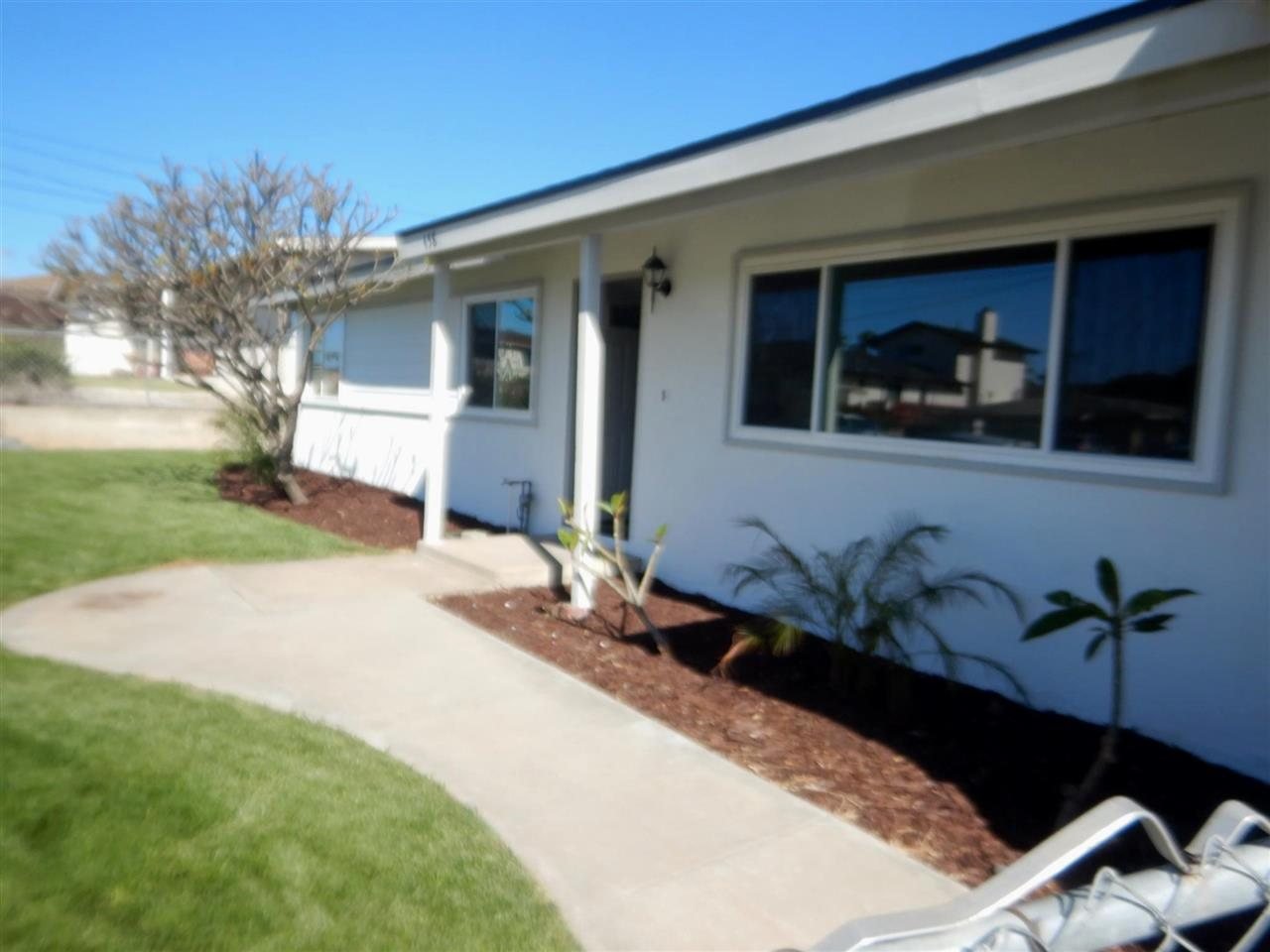
Multi-unit properties documented for SB 721 balcony compliance across San Diego County.
More inspections in National City
- SB 721 exemption letter in National City
- Seller inspection in National City
- Warranty inspection in National City
- Commercial roof cleaning in National City
- Home inspection in National City
Nearby and countywide
Were You Happy With Your Inspection?
We are proud of our 4.9-star rating across 100+ Google reviews. If Joseph and the team did right by you, a quick Google review helps other San Diego County buyers and sellers find us.