
Home Inspection in South Park, San Diego
South Park grew up along the South Park & East Side Railway, the 1906 streetcar loop that ran down 30th Street and turned the mesa east of Balboa Park into one of San Diego's earliest suburbs. The gabled bungalows that followed on Granada, Maple, and the streets off Juniper are now well past their hundredth birthday, and in 2017 the city made it official by approving one of the largest historic districts San Diego has ever designated, right here. Buying in this neighborhood means buying original framing, a century of layered wiring and plumbing decisions, and whatever the last three owners did to the kitchen without telling the permit office.
We open up that history piece by piece. Below: the scope we inspect to, the conditions these particular blocks have trained us to expect, and how the findings get to you while your contingency clock is still running. Call (619) 752-4399 or reach us through the contact page with your address and deadline.
Call (619) 752-4399 Schedule an Inspection
What does the inspection cover on a century-old South Park craftsman?
We inspect to InterNACHI's published Standards of Practice, and a South Park craftsman gives that scope a genuine workout. Here is where the hours go:
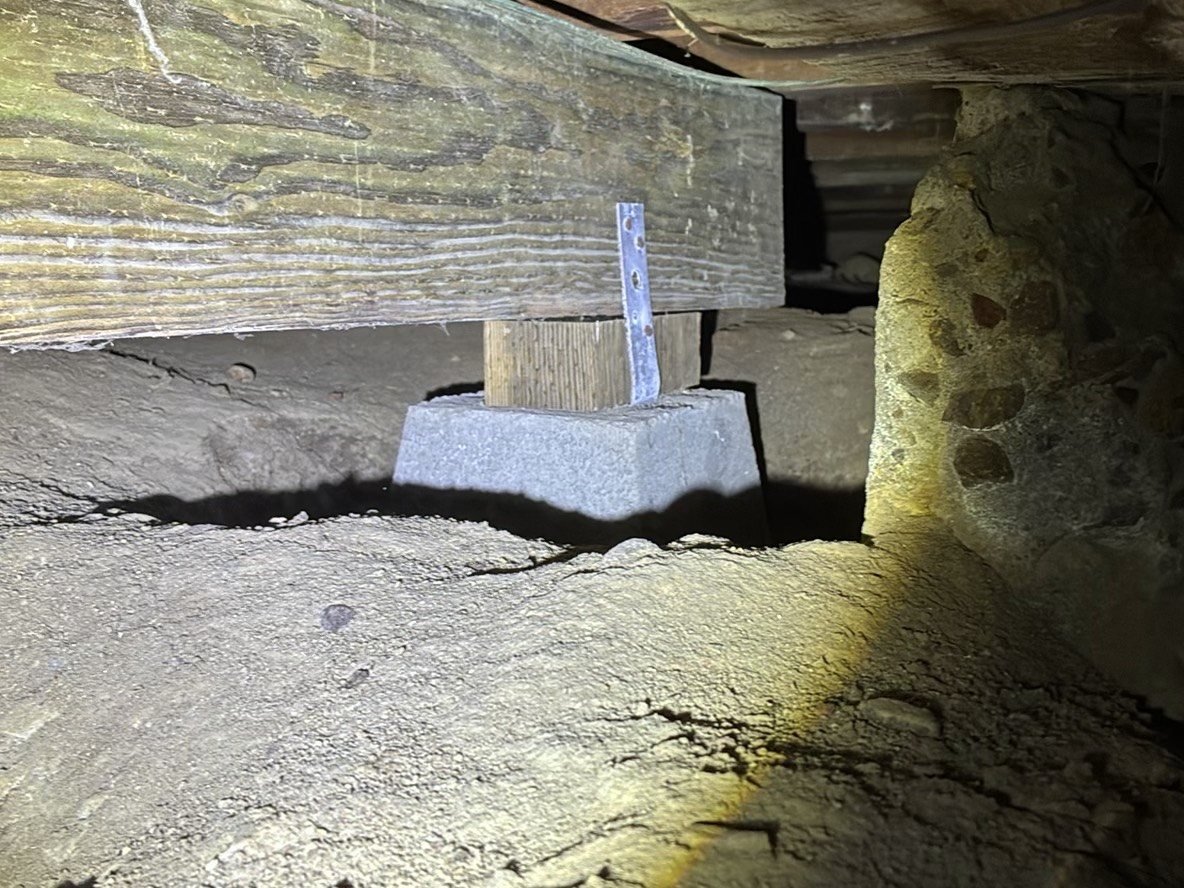
- Underneath the house. Nearly all of this stock rides a raised perimeter foundation, so we get into the crawlspace: pier posts and girders, sill plates and whether anyone ever bolted them, cripple-wall bracing, soil moisture, and every pipe and wire an owner has pushed through the floor since 1912.
- Roof and attic. Composition shingles over original skip sheathing are the norm. We count layers, read the ridge line for sag, check flashing at the wide craftsman eaves, and look through the attic for daylight, rodent traffic, and overheated wiring around vintage fixtures.
- Electrical. Service capacity, panel brand and condition, the grounding path, GFCI coverage at wet locations, and a deliberate hunt for live knob-and-tube or cloth-insulated circuits still feeding the original ceiling boxes.
- Plumbing. How much galvanized supply pipe survives, where copper or PEX took over, drain materials from fixture down to the lateral, water heater age and seismic strapping, and flow tests with multiple fixtures running at once.
- Heating. Floor furnaces and gravity wall heaters still warm a surprising share of these houses; we evaluate them honestly, along with the ductless mini-split heads many owners have added since.
- Structure and finishes. Porch columns and railings, original double-hung sashes, siding or later stucco, interior cracks and out-of-square doors that say the house has settled, plus rear decks, stairs, and the detached garage on the alley.
Whatever we cannot reach or safely open gets identified as a limitation in writing rather than papered over. The full lineup of what we inspect is on the services page.
Why do these South Park blocks need a specialized eye?
South Park has its own pattern of risks, distinct even from the neighborhoods next door:
- The 2017 historic district. Hundreds of contributing homes here carry preservation expectations, and some hold Mills Act contracts on top of that. Deterioration in original windows, porch elements, and trim matters more on a contributing house, because the eventual fix may have to match period materials instead of swapping in vinyl. Our photos and condition notes give you that picture before you commit.
- Canyon-rim lots. Streets backing Juniper Canyon and the 32nd Street canyon end at slopes where we scrutinize drainage paths, erosion at the pad edge, and any deck or stairway cantilevered over the hillside on posts of unknown vintage.
- Narrow side yards. Lots here are tight, and the shaded gap between houses stays damp long after the street has dried. Grade that slopes toward the foundation in that corridor sends water straight at the crawlspace.
- Marine-layer mornings, even this far inland. The gray pushes up from the bay through late spring, and north-facing walls, painted-shut sashes, and fanless bathrooms hold that moisture. Mildew at window stools and ceiling corners is the tell we chase to its source.
- Quiet conversions. Detached garages turned into offices and rentals, attics turned into bedrooms, porches enclosed decades ago — much of it pre-dating any permit record, much of it leaning on the original 60-amp service and a single clay sewer lateral.
- Retrofit roulette. Some South Park foundations were seismically retrofitted during past sales; many never were. We document which kind you are buying.
Which findings come up most often in South Park homes?
After enough inspections on these streets, certain entries become old acquaintances:
- Panels with documented failure histories — Federal Pacific and Zinsco gear installed during 1960s service upgrades, sometimes wired alongside a still-live fuse block
- Three-prong receptacles with no ground behind them, the residue of partial rewires done room by room
- Water pressure that falls off a cliff the moment a second tap opens — interior rust constricting the remaining galvanized lines
- Tree roots inside the clay lateral, fed by the mature jacarandas and pepper trees that make these parkways worth the trouble
- Sills never bolted to the stem wall and cripple walls without a sheet of plywood on them
- Porch framing in decline — rotated columns, soft tongue-and-groove decking, railings well below modern height
- Floor furnaces past their era, with cracked heat exchangers or grilles that scorch whatever lands on them
- Additions that skipped the permit counter, betrayed by framing shortcuts, missing egress, and creative electrical
- Damp bare-soil crawlspaces on the shaded side of closely set houses, with the fungal staining to match
Hardly any of this is a deal-breaker by itself. Every entry carries a severity rating so you and your agent can separate genuine safety items from the routine to-do list any hundred-year-old house carries.
How does the appointment run and when does the report land?
Scheduling starts with three things: the address, what is actually on the lot — a converted garage or ADU adds time, so say so up front — and your contingency date. Before we arrive we read the listing and the seller disclosures, which means the "new electrical 2019" claim gets tested against what the panel actually shows.
On site, plan on two and a half to three and a half hours for a typical South Park bungalow. We strongly encourage you to attend the final 30 to 45 minutes for a walk-through of what we found; standing at the crawlspace hatch while it gets explained beats interpreting photos alone that evening. The HomeGauge report arrives the same day or next morning, organized by system, photo-captioned, with a summary your agent can lift directly into a repair request.
Some questions belong to specialists, and we say so. Termite and wood-destroying-organism work is legally the territory of licensed structural pest operators in California, so we coordinate that visit rather than pretend to cover it; sewer cameras, geotechnical opinions, and structural engineering referrals work the same way. And because we never bid on or perform repairs we report, no finding is ever a sales pitch. Pricing lives on the fee schedule, confirmed exactly once we know the property.
Who inspects your 1912 South Park house?
Joseph Romeo, our owner and lead inspector, personally walks every job. Evaluating a South Park craftsman is partly forensic work: a dozen owners, a dozen budgets, a dozen handymen, all layered into one structure. Joseph Romeo, our owner and lead inspector, reads those layers as someone who has built them — he is an InterNACHI Certified Professional Inspector (CPI) and carries CSLB General Contractor license #1113143.
- 20+ years and more than 10,000 inspections across San Diego County, with deep mileage in the pre-war neighborhoods ringing Balboa Park
- 4.9 stars over 106 Google reviews, including agents along the 30th and Fern Street corridors who book us by name for their historic listings
- Findings in plain English — what is dangerous, what is simply 1912 being 1912, and what can wait for your five-year plan
South Park sits minutes from our home base, and the rest of the county we cover is mapped on the service-areas page.
Which add-on inspections pay for themselves in South Park?
Given the age of this housing, several companion services earn their keep here more than almost anywhere else we work, and each can share the same appointment:
- Sewer scope — original clay under big parkway trees makes the camera the cheapest insurance in the transaction
- Thermal imaging — finds the moisture hiding inside plaster and behind enclosed porches before it surfaces as damage
- ADU and converted-garage evaluations — for the income units tucked onto these alley lots
- Pre-listing inspections — sellers of contributing historic homes use these to settle the wiring and sewer questions before escrow opens, not during it
- 4-point reports — the condensed roof/electrical/plumbing/HVAC document some insurers demand before writing a policy on a centenarian house
Tell us what the deal requires when you request your quote, and the complete services menu shows everything that can ride along.
South Park Home Inspection FAQs
What does a home inspection cost in South Park?
Does the South Park historic district change how you inspect?
What happens if you find knob-and-tube wiring?
Is a sewer scope really necessary on these houses?
Do you handle the termite report too?
What do you check under a raised-foundation house?
What we document
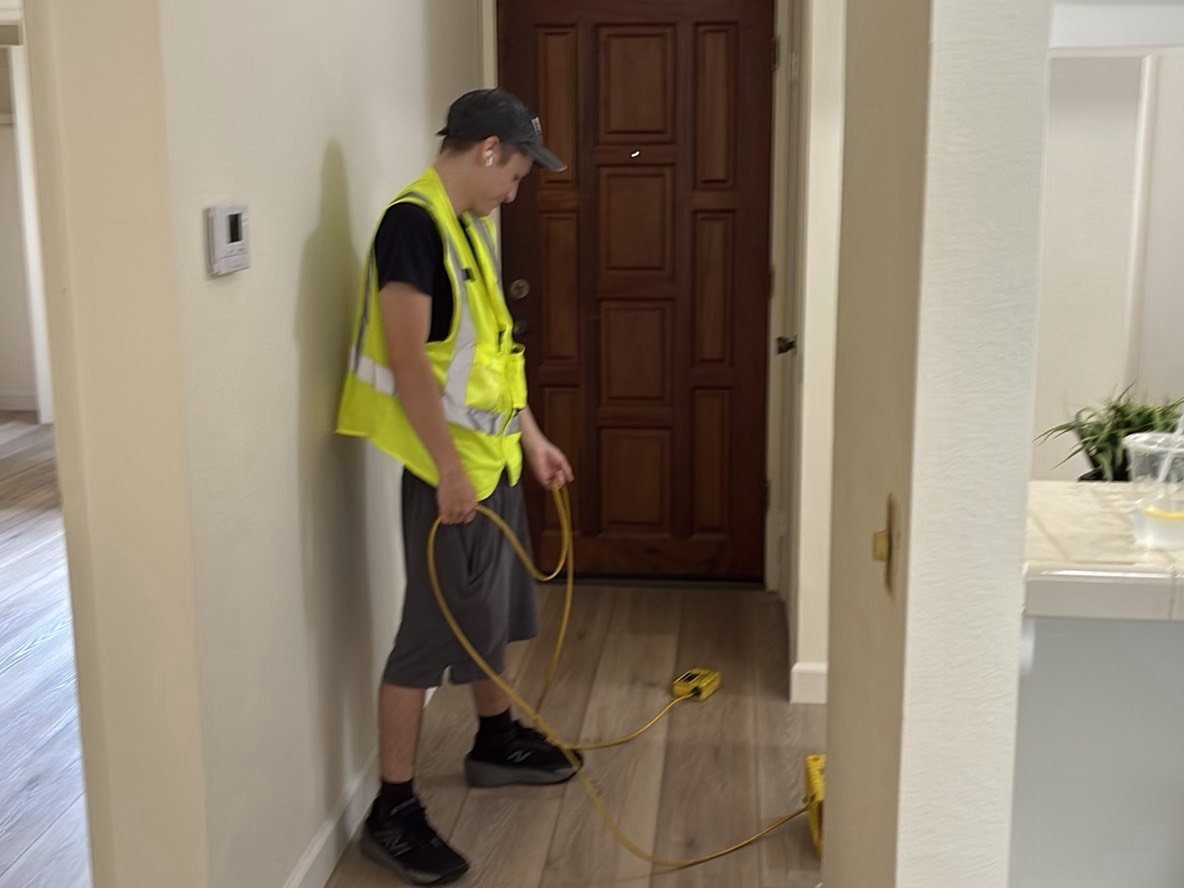
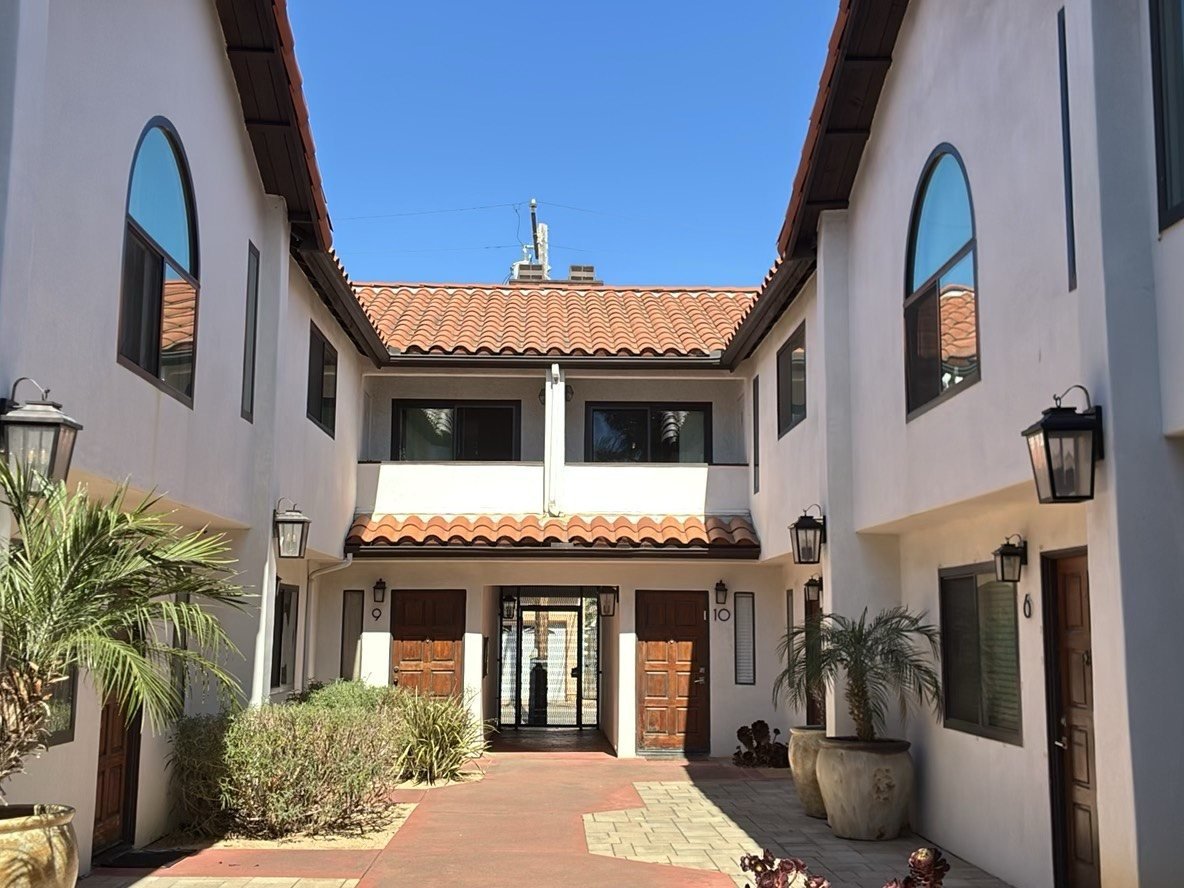
Photos from recent home inspections across San Diego County.
Inspection services in South Park
- 4-point inspection in South Park
- Commercial inspection in South Park
- Commercial roof cleaning in South Park
- Foundation slab survey in South Park
- Pool and spa inspection in South Park
- Roof inspection in South Park
- SB 326 balcony inspection in South Park
- SB 721 balcony inspection in South Park
- SB 721 exemption letter in South Park
- Seller inspection in South Park
- Sewer scope inspection in South Park
- Thermal imaging in South Park
- Warranty inspection in South Park
Nearby areas we serve
Were You Happy With Your Inspection?
We are proud of our 4.9-star rating across 100+ Google reviews. If Joseph and the team did right by you, a quick Google review helps other San Diego County buyers and sellers find us.