
SB-326 Balcony Inspection in South Park, San Diego
South Park's reputation rests on its craftsman bungalows, but scattered among them sit the small condominium buildings California's balcony law was actually written for: 1920s flats on the alphabet streets between Beech and Kalmia, fourplex courts that quietly converted decades ago, and infill townhomes near the 30th Street and Fern Street commercial corners. If your building is a common-interest development with three or more units, Civil Code section 5551 — the SB-326 statute — puts its elevated wood structures on a nine-year inspection clock, and the first compliance date came and went on January 1, 2025. Joseph Romeo, owner of The Real Estate Inspection Company — InterNACHI Certified Professional Inspector and California general contractor, CSLB #1113143 — performs these evaluations in South Park personally. Call (619) 752-4399 to put your building on the calendar.
Call (619) 752-4399 Schedule an Inspection
What does an SB-326 inspection cover on a South Park condo?
The statute is narrower than boards often assume. It reaches load-bearing exterior elevated elements supported substantially by wood — balconies, decks, porches doing duty as decks, exterior stairs and their landings, elevated walkways — whose walking surface sits more than six feet above grade, along with the guardrails attached to them and the waterproofing that protects the framing underneath. Ground-level patios, concrete podium decks, and steel-framed stairs generally fall outside it, and on a mixed building we tell you which is which before quoting anything.
Nor does the law require opening every unit's balcony. The inspector draws a random sample large enough to be statistically valid for each element type — the 95 percent confidence threshold written into the code — and the findings stand in for the building as a whole. On the small associations typical of South Park, the math sometimes pulls in nearly every element anyway, which is worth knowing up front. The resulting report belongs in the association's records for two full cycles and feeds directly into reserve planning.
Where does South Park's condo stock hide, and why is it tricky?
This is not a neighborhood of balcony-wrapped towers. South Park's common-interest developments are small, old, and easy to miss, and each variety brings its own complications to a 5551 inspection:
- Converted flats and fourplexes on the alphabet streets. Many associations here have three to eight units and no professional manager, which means nobody whose job it was to track the 2025 deadline. The buildings themselves often predate the Depression, with second-story porches framed in old-growth fir that has outlived several coats of paint and at least one re-stuccoing.
- The Switzer Canyon rim. Properties backing the canyon between South Park and Burlingame keep their shaded elevations damp deep into spring, and eucalyptus litter has a talent for plugging deck drains and scuppers. Canyon-side decks dry slowest and rot first.
- The historic district. A large share of South Park carries city historic designation. That doesn't exempt anyone from SB-326, but it does change how we work: borescope access openings on a contributing building are placed where patches won't read from the street, and we photograph original fabric before touching it.
- Mixed-use on 30th and Fern. A handful of associations sit above the storefronts at Juniper and at Grape Street, where a residential deck doubles as the merchant's roof and a waterproofing failure becomes two owners' problem at once.
Which defects recur on South Park porches and decks?
Inspect enough pre-1930 buildings within a few blocks of Balboa Park and the same conditions surface again and again:
- Painted fir as the only waterproofing. Original sleeping porches and balconies here often have sloped tongue-and-groove decking with nothing under it but paint — a system that worked when it was recoated every few years and fails invisibly when it isn't.
- Column bases gone soft. Porch posts bearing on rail caps or pedestals wick water at the end grain; the bottom inch can be punky while the paint film above looks perfect.
- Guardrails built to 1920s heights. Original rails commonly run well below today's 42-inch standard, with baluster spacing a toddler can pass through, and the connections have a century of fastener corrosion behind them.
- Sealant standing in for flashing. Where decks were rebuilt during later remodels, the deck-to-wall joint frequently got caulk instead of metal — fine for a season, a ledger-rot generator for the decade after.
- Drainage choked on the canyon side. Leaf debris and undersized scuppers leave water ponding against thresholds on Switzer-facing elevations.
We grade each observation so a board can tell routine maintenance apart from deterioration that threatens the load path. When something rises to an immediate safety threat, the emergency protocol applies: the board hears it before we leave, access to the element gets restricted, and the city's enforcement agency is notified within the statutory fifteen days.
How do you turn the element inventory into a filed report?
The job starts at a desk, not on a ladder. We build an inventory of every qualifying elevated element from your plans, permits, or a walk of the property, then generate the random sample for each element type and send your board or owners an access list. Because so many South Park associations are self-managed, we're used to coordinating directly with the two or three owners whose porches were drawn.
On site, the evaluation is visual at its core — framing connections, ledger lines, post bearings, rail anchorage, the condition and continuity of membranes and flashings — sharpened with a moisture meter wherever staining, soft spots, or bubbled coatings raise a question, and a borescope through a small, patchable opening where century-old framing hides behind stucco. Every cited condition is photographed.
Findings arrive as a HomeGauge report the same day or the next: each sampled element identified, its current condition described, the expected remaining service life of the structure and its waterproofing projected, and recommendations sequenced by urgency so your reserve analyst can lift the numbers straight into the study. We document what exists; repair design, stamped calculations, and the corrective work itself belong to licensed contractors and engineers, and we'll help your board find the right ones.
Why do South Park boards trust this signature on file?
An SB-326 report represents the association for nine years, so who wrote it matters. Joseph Romeo carries the two credentials that count under this statute: InterNACHI Certified Professional Inspector and an active California general contractor license, CSLB #1113143. Twenty-plus years and more than 10,000 inspections in San Diego County stand behind the judgment calls — and on a 1920s building, judgment is most of the job, because the question is rarely whether old-growth fir has weathered but whether it still carries load and sheds water.
The contractor's background also keeps the report honest about consequences. A board learns not just that a ledger is compromised, but roughly what fixing it will involve, without any sales pitch attached — we never bid or perform the repairs we identify, so no finding fattens an invoice. Owners around the neighborhood have left us a 4.9-star average across 106 Google reviews. Reach Joseph at (619) 752-4399 or joe@sandiegohomeinspection.com.
What inspections do buildings pair with the balcony exam?
A building old enough to owe a 5551 report usually has questions elsewhere too. The rental fourplexes and flats that never converted answer to SB-721 — the apartment-side twin of this law, on a six-year cycle — and we frequently handle both for owners who hold property on the same block. Buyers entering one of South Park's small associations book condo unit inspections before close, and sellers of the neighborhood's craftsman houses use pre-listing inspections to surface the knob-and-tube remnants, galvanized supply lines, and clay sewer laterals a buyer's inspector will flag anyway. Where a finding needs a specialist — termite evaluation, sewer video, structural engineering — we coordinate or refer a licensed professional rather than drift outside our scope. The South Park home inspection hub covers the neighborhood picture, the services page and fee schedule fill in the rest, and the contact page or (619) 752-4399 gets a date on the books.
South Park SB-326 Balcony Inspection FAQs
Our South Park building has only four condo units. Does SB-326 still apply?
We're in the South Park historic district. Will the inspection harm original material?
Our association missed the January 1, 2025 deadline. How bad is that?
Our fourplex on Granada is a rental, not condos. Is this still our law?
Our balcony is the building's original 1920s sleeping porch. Does it count?
What does an SB-326 inspection cost for a small South Park association?
HOA properties we inspect
Condominium properties documented for SB 326 balcony compliance across San Diego County.
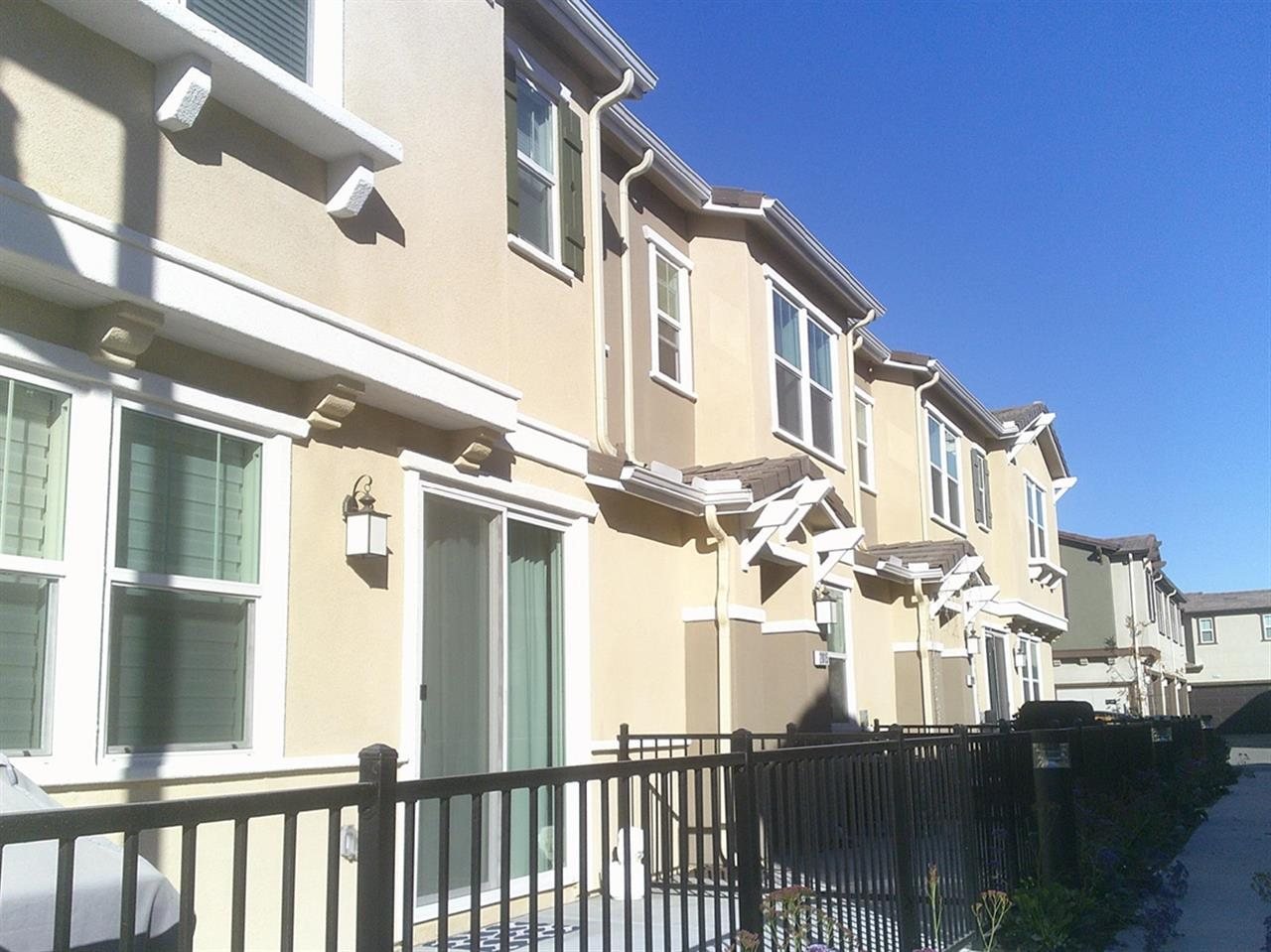
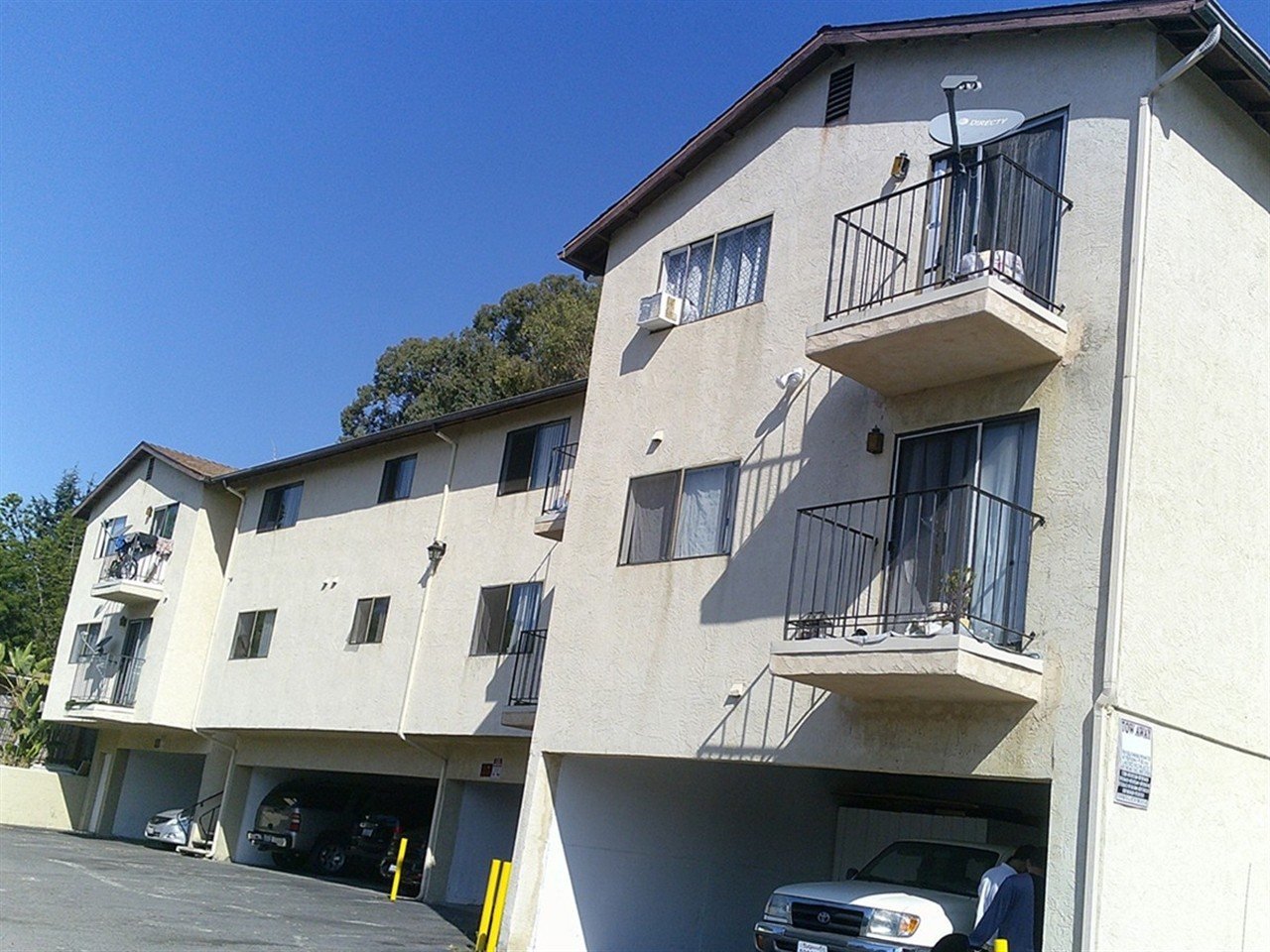
More inspections in South Park
- Commercial roof cleaning in South Park
- Commercial inspection in South Park
- Pool and spa inspection in South Park
- Sewer scope inspection in South Park
- Home inspection in South Park
Nearby and countywide
Were You Happy With Your Inspection?
We are proud of our 4.9-star rating across 100+ Google reviews. If Joseph and the team did right by you, a quick Google review helps other San Diego County buyers and sellers find us.