
SB-326 Balcony Inspection in North Park, San Diego
Walk the blocks between Texas Street and 30th and you can read North Park's housing history off its balconies: 1920s Spanish revival courtyard buildings with cantilevered stair landings, postwar apartment blocks that went condo in the mid-2000s conversion wave, and podium buildings over the storefronts on University Avenue. Many of these properties are common-interest developments, which puts their boards under Civil Code section 5551 — the SB-326 balcony law. Joseph Romeo of The Real Estate Inspection Company — InterNACHI Certified Professional Inspector and licensed general contractor, CSLB #1113143 — performs these inspections across North Park and writes every report himself. Call (619) 752-4399 to get your building scheduled.
Call (619) 752-4399 Schedule an Inspection
What does Civil Code 5551 obligate a North Park association to inspect?
SB-326 applies to condominiums and other common-interest developments with three or more units. It targets exterior elevated elements — balconies, decks, exterior stairways, landings, walkways, and their railings — framed wholly or substantially in wood and standing more than six feet above grade. The association carries the duty on a nine-year cycle; the first deadline passed January 1, 2025, so a board that hasn't commissioned its inspection is behind, not early.
The statute doesn't demand every element be opened up. It calls for a statistically significant random sample — enough elements for 95 percent confidence that results speak for the whole building. On a twelve-unit conversion off Ohio Street that might mean a handful of balconies plus the common stair. We document why the sample satisfies the math, since that justification belongs in the association's records.
Why does North Park's building stock complicate the EEE picture?
North Park is celebrated for its 1910s–30s craftsman bungalows and Spanish revival homes, but single-family houses aren't the SB-326 story here. The associations we inspect fall into three rough groups.
Conversion-era buildings. Dozens of 1950s–70s apartment buildings on streets like Utah, Idaho, and Kansas became condominiums around 2004–2007. Whatever waterproofing went on at conversion is now two decades old, and the framing beneath it can be seventy. Galvanized scuppers and cast-iron drains still serve some of these decks, corroding from the inside out.
Prewar courtyard buildings. Spanish revival walk-ups with stucco-wrapped cantilevered landings hide their framing completely, and stucco holds water against wood longer than almost any cladding — elements can look pristine while the joists inside lose section.
Newer mixed-use podium buildings. Along University and 30th, recent construction mixes concrete decks — generally outside the wood-framing trigger — with wood-framed private balconies above. Sorting which elements the statute captures keeps boards from paying to sample concrete that doesn't qualify.
Which findings recur on North Park balconies and stairs?
Certain defects recur in this zip code so often we expect them before the ladder comes off the truck:
- Coating failure on conversion-vintage decks — mid-2000s elastomeric coatings that have chalked, cracked at seams, and let water reach the plywood.
- Stucco cracking at cantilever soffits, the classic tell that framing inside a Spanish revival landing has moved or swelled.
- Rusted railing post bases where a guardrail penetrates the walking surface without a sealed boot.
- Dry rot at stair stringers on shaded north elevations, where marine-layer mornings keep wood damp long after the sun side dries.
Most findings rate as maintenance or near-term repair. When readings indicate a genuine safety threat, the statute's emergency provisions kick in: immediate board notice, restricted access, and notice to the local building department within the required window.
How does the inspection day run, and what does your board receive?
Before site day we gather plans or permit history, inventory every exterior elevated element, and generate the random sample. On site, the work is visual first — walking surfaces, soffits, ledger lines, rail attachment, drainage paths — backed by moisture metering at suspect spots and a borescope through small access openings where framing hides behind stucco or soffit board. Everything we cite gets photographed.
The deliverable is a HomeGauge report, turned around same or next day, listing each sampled element, its current condition, the projected service life of load-bearing components and waterproofing, and recommendations ranked by urgency. That format slots directly into the reserve study, and the statute expects it presented to the board and retained through two inspection cycles. We report observed condition; corrective work — repair design, stamped structural calculations, membrane replacement — goes to licensed professionals, whom we'll help you line up.
Which credentials stand behind a North Park SB-326 report?
Boards hire us because the person on the ladder has seen these assemblies from both directions. Joseph Romeo is an InterNACHI Certified Professional Inspector and a licensed California general contractor (CSLB #1113143), with twenty-plus years in the field and over 10,000 inspections completed. The contractor's license matters most on conversion buildings: knowing how a 1960s balcony was originally framed, and how a 2005 conversion crew would have re-skinned it, tells you where the water has been going.
Because we don't bid, design, or perform repairs, the report carries no thumb on the scale — nobody is writing up defects to sell the fix. Boards get findings explained in plain language on site and a report the reserve analyst can use without translation; the 4.9-star average across 106 Google reviews reflects how that lands.
What other inspections do North Park associations pair with SB-326?
An SB-326 visit often raises questions beyond the balconies. For rental apartment buildings along El Cajon Boulevard that never converted, the parallel SB-721 inspection applies instead — same elevated elements, different statute — and we handle those too. Buyers entering a North Park association frequently book a condo unit inspection before close, and sellers of the neighborhood's craftsman and Spanish revival houses use pre-listing inspections to get ahead of knob-and-tube wiring, galvanized supply piping, and cast-iron drain questions buyers will raise anyway. Where a finding needs a specialist — termite reports, sewer video, structural engineering — we coordinate or refer a licensed pro rather than stretch past our scope. Our North Park home inspection page covers the wider neighborhood picture, the services overview and fee schedule lay out the rest; reach out or call (619) 752-4399.
North Park SB-326 Balcony Inspection FAQs
Does our North Park condo building need an SB-326 inspection?
What was the SB-326 deadline, and what if our board missed it?
Our building converted from apartments in the 2000s. Does that change anything?
Do you open up the balconies or damage the stucco?
What happens if you find a balcony that's an immediate safety threat?
Will you also bid or perform the repairs your report identifies?
HOA properties we inspect
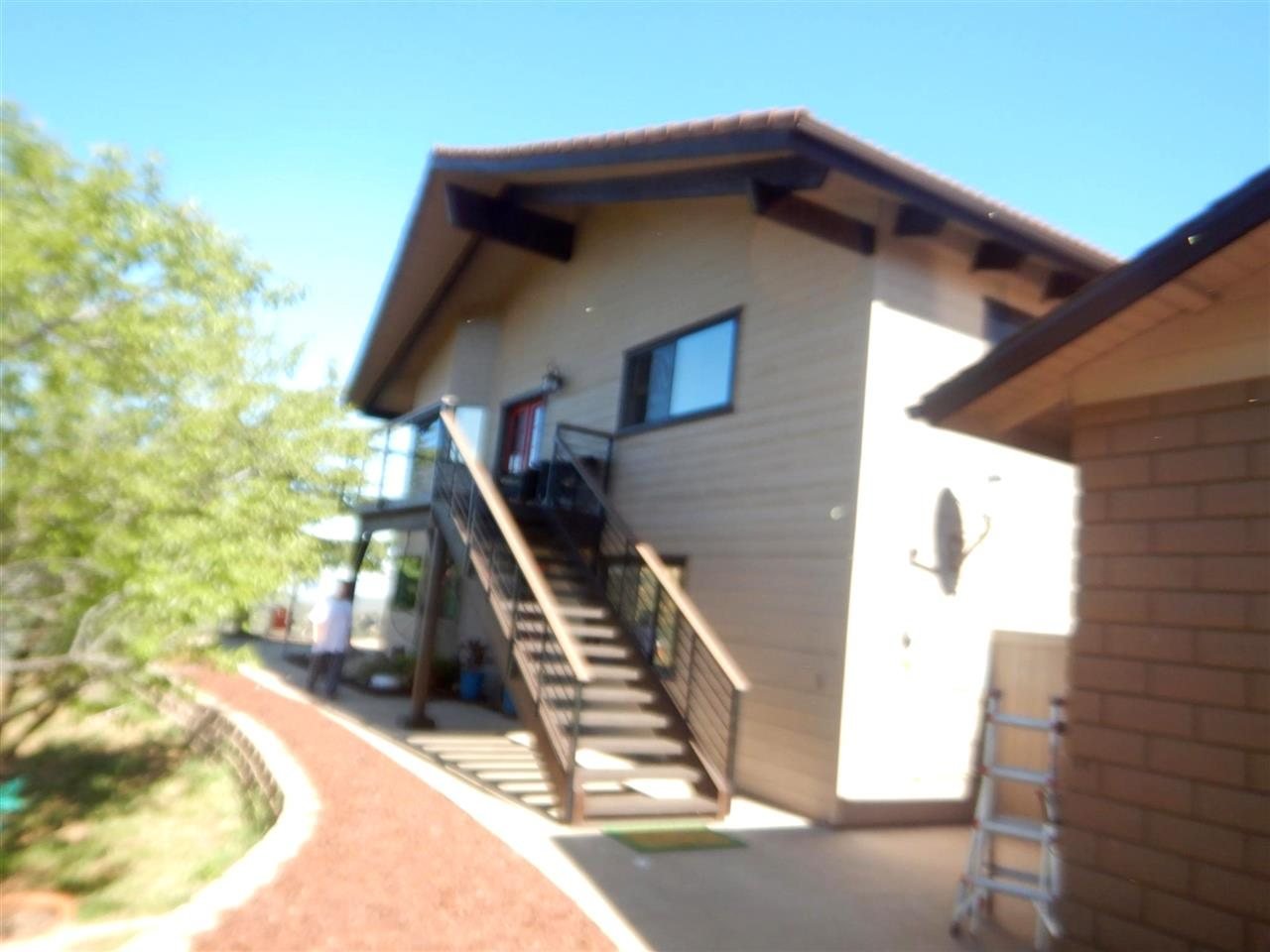
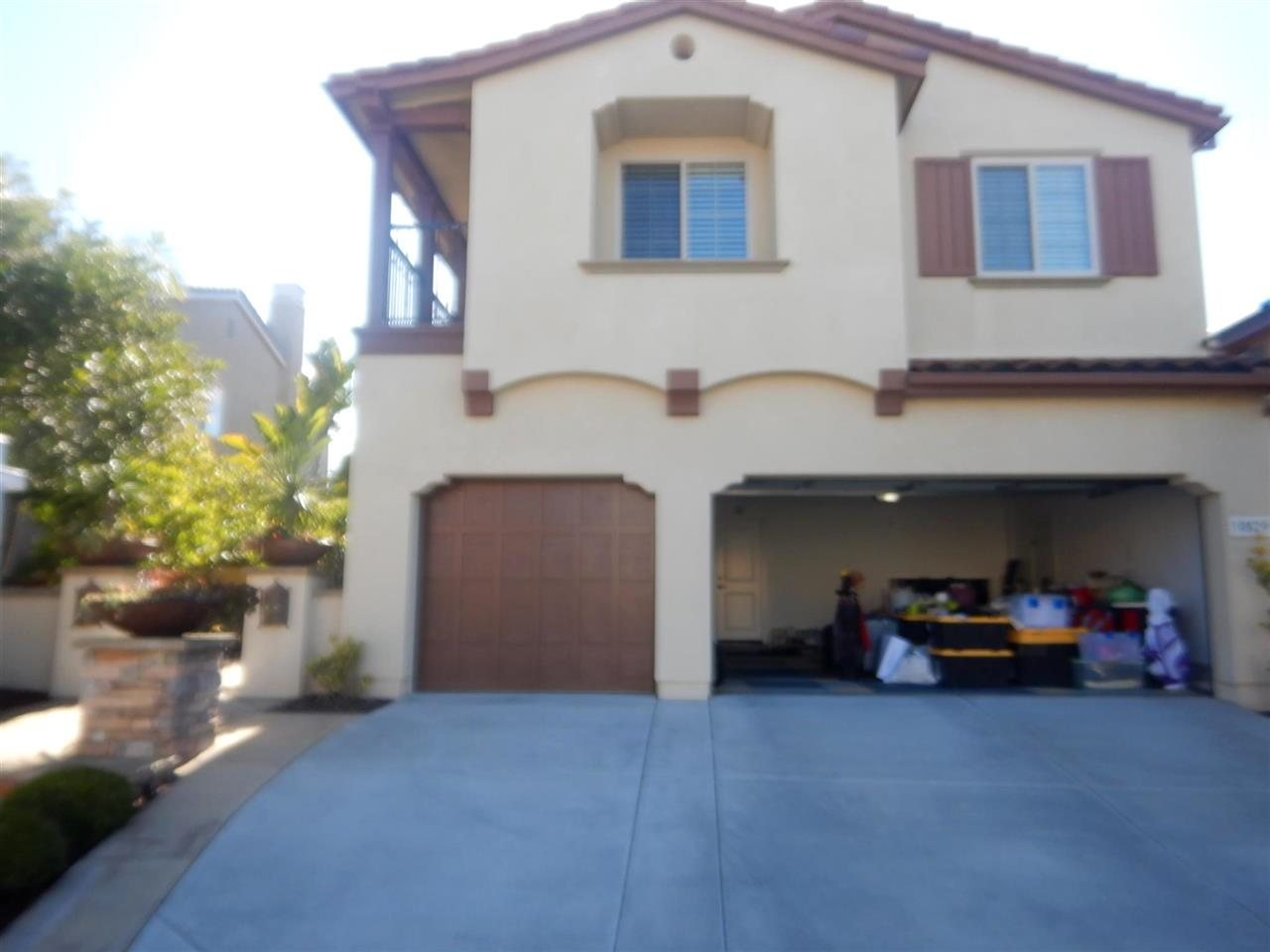
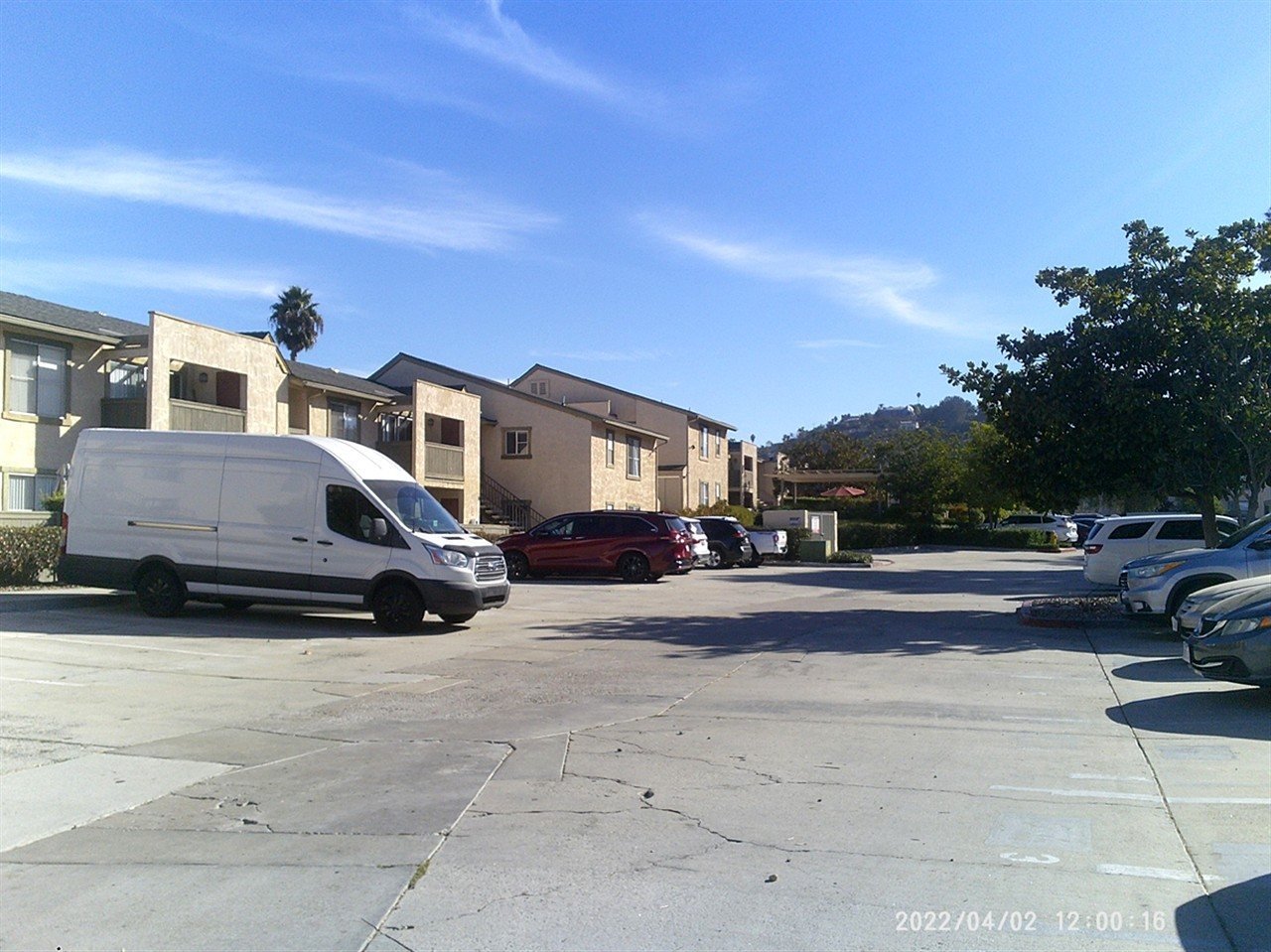
Condominium properties documented for SB 326 balcony compliance across San Diego County.
More inspections in North Park
- Foundation slab survey in North Park
- SB 721 balcony inspection in North Park
- SB 721 exemption letter in North Park
- Seller inspection in North Park
- Home inspection in North Park
Nearby and countywide
Were You Happy With Your Inspection?
We are proud of our 4.9-star rating across 100+ Google reviews. If Joseph and the team did right by you, a quick Google review helps other San Diego County buyers and sellers find us.