
Foundation & Slab Inspection in North Park, San Diego
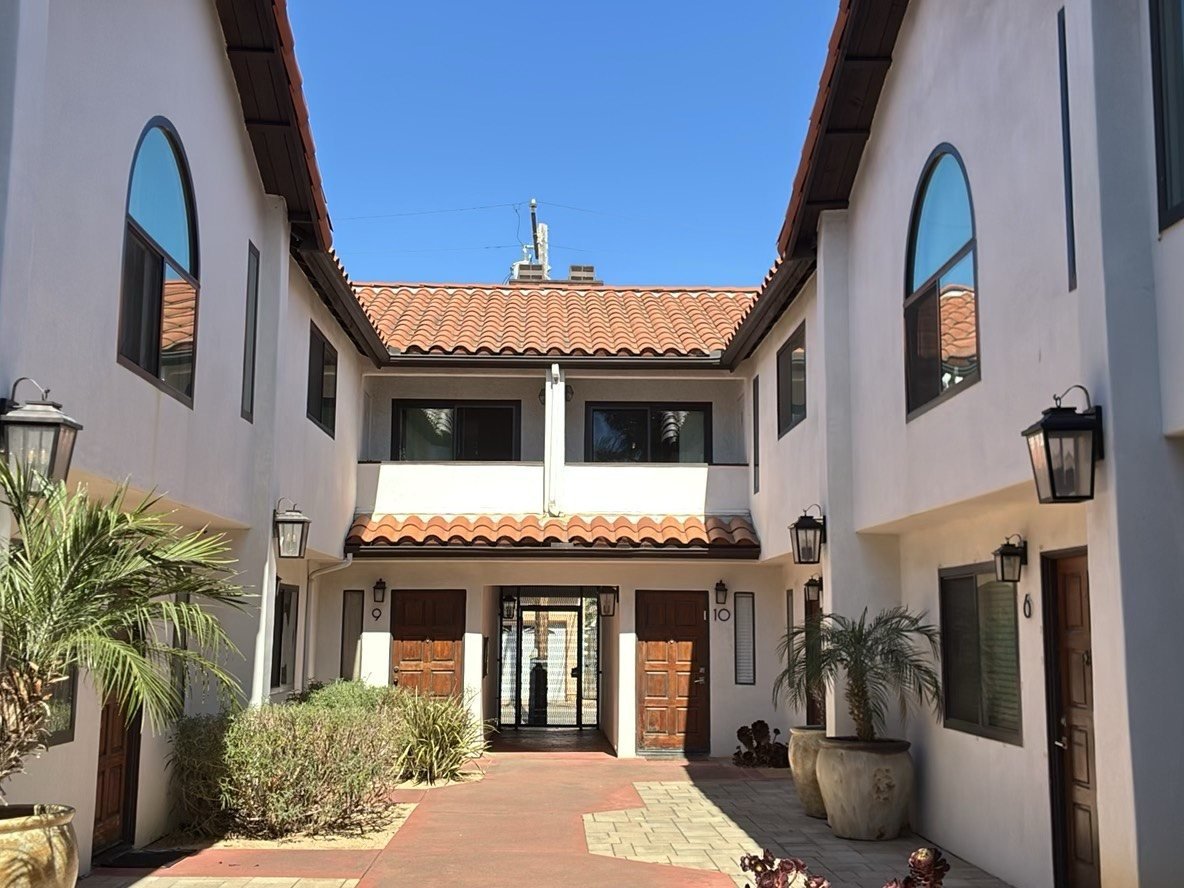
Walk the blocks between Texas Street and Boundary and you are looking at one of San Diego's oldest intact neighborhoods. North Park filled in between roughly 1912 and 1935 — Craftsman bungalows around the Dryden historic district, Spanish revival rows near Morley Field, cottages tucked behind the storefronts along 30th and University. Nearly all of it stands on raised perimeter concrete poured generations before modern reinforcement standards, and most of it has been remodeled, added onto, or converted at least once since.
Our foundation and slab inspection documents how that original concrete is performing today: where it has cracked, settled, or been altered, whether the floor system above it has moved, and what the grading around the house is doing to the soil beneath it. You get photographs, level readings, and a plain written record before you buy, sell, or plan a remodel.
Call (619) 752-4399 Schedule an Inspection
What does the foundation inspection cover on a North Park property?
First we identify what the house actually sits on. In North Park's historic core that is almost always a raised perimeter foundation over a crawlspace; slab-on-grade turns up in rear additions, converted garages, and scattered post-war infill, while post-tension construction is essentially absent this far into the old streetcar grid. From there the evaluation is methodical: stem walls and visible footings, crack mapping by width, direction, and displacement, floor level readings room by room, doors and windows that bind or show planed edges, and cracking in plaster and stucco that lines up with movement below.
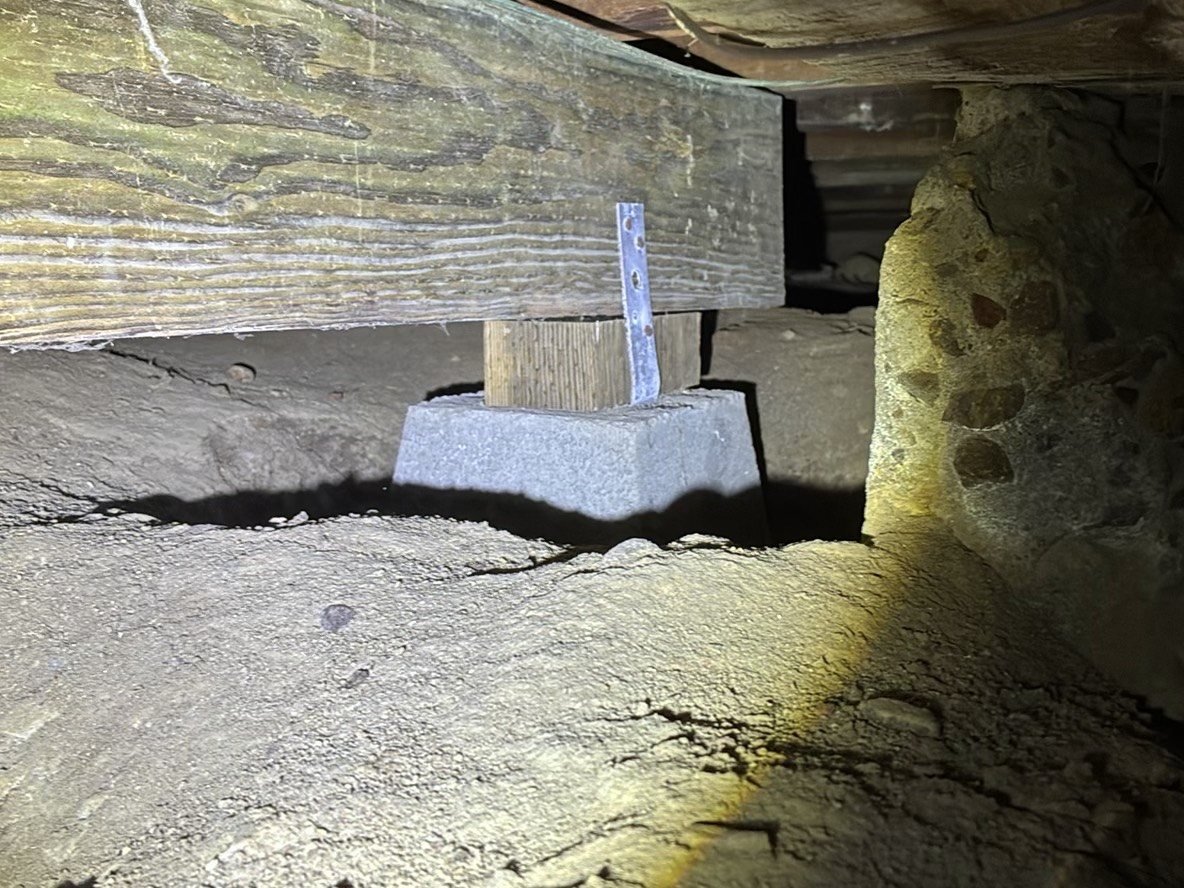
Inside the crawlspace — wherever clearance and access permit — we examine mudsills, cripple walls, posts and piers, anchor bolting or its absence, moisture staining, efflorescence, and evidence of earlier repairs. Outside, we look at grading, downspout discharge, and planter irrigation against the concrete. We report observed condition; when the evidence warrants engineering analysis, we say so and refer a licensed structural engineer.
How do canyon soils and hand-mixed concrete affect North Park foundations?
Together they make movement the rule, not the exception: lean century-old concrete sits on terrace soils that shrink and swell, and rim lots add cut-and-fill slopes on top. North Park occupies a mesa, but it is not a uniform one. Switzer Canyon and its fingers bite into the south and east edges, so rim lots often involve cut, fill, or grades steep enough to matter, and clay lenses in the terrace soils shrink and swell with the wet-dry cycle. A bungalow that reads level in October can show fresh hairline plaster cracks after a wet February — seasonal soil movement, not necessarily structural failure.
The concrete itself is the other variable. Foundations here were mixed on site in the 1910s and 1920s, frequently lean on cement and innocent of steel, and a century of moisture has left some stem walls soft enough to scratch with a key. Add mature street trees pulling moisture from one side of a lot, irrigation soaking the other, and decades of remodels of varying quality, and no two houses on the same block behave alike.
What do we keep finding under North Park bungalows?
Certain conditions repeat. Mudsills sitting unbolted on the stem wall, because anchor bolts were not required when these homes went up. Short cripple walls with no bracing. Vertical shrinkage cracks that are cosmetic next to diagonal cracks that are not. Spalled concrete with aggregate showing through, usually on the side that gets the sprinklers. Isolated pier settlement that telegraphs upward as a hump or dip in the hardwood.
Then there are the alterations. A 1950s rear addition poured as its own slab will move independently of the original raised foundation, and the cold joint between the two often announces itself as a crack marching across the floor tile. Garage conversions and older ADUs frequently sit on thin, unreinforced slabs never intended for living space. We also find prior repairs — sistered girders, replacement piers, partial underpinning — the seller may not even know about; all of it goes in the report with photographs and locations.
How does the inspection run, and what does your report look like?
Booking is a phone call to (619) 752-4399 or an email to joe@sandiegohomeinspection.com. On site, the sequence runs exterior first — grading, drainage, stem wall faces, stucco at the corners — then interior level readings and door checks, then the crawlspace wherever entry is safe and clearance allows. If something looks significant, you will hear about it at the house, not days later.
The written report is delivered through HomeGauge the same day or the next, with labeled photographs, the location of every noted condition, and straight language about which findings are routine for a century-old foundation and which deserve a structural engineer's attention. If an engineer is the right next step, we help coordinate that referral.
Who goes under the house, and why does a GC license matter?
Joseph Romeo performs the inspection himself. He is an InterNACHI Certified Professional Inspector and holds CSLB General Contractor license #1113143, with more than twenty years in the field and over 10,000 inspections behind him. That contractor's background matters here: he has framed, shored, and sequenced repairs on buildings of this vintage, so he can tell you not just that a cripple wall is unbraced but what correcting it actually involves.
Just as important is what we do not do. The Real Estate Inspection Company never bids on or performs the repairs we report, so there is no incentive to inflate a finding into a project. The 4.9-star average across 106 Google reviews reflects that approach — clients get an honest read on the foundation, delivered fast, from someone who still answers the phone afterward.
Which other inspections are worth pairing with this one in North Park?
A foundation built in 1922 rarely ages alone. The same houses carry knob-and-tube wiring behind the plaster, galvanized supply lines losing diameter to corrosion, and cast-iron drains running under that very slab or crawlspace — which is why many North Park clients fold the foundation evaluation into a full home inspection and add a sewer camera of the original lateral. Pre-listing versions give sellers time to address surprises before a buyer's inspector finds them.
For wood-destroying organisms, California requires a separately licensed specialty, so we coordinate or refer a licensed termite company rather than performing that work ourselves; the same goes for engineering certifications. Start with the North Park home inspection page or the full services list, and the fee schedule for current pricing.
North Park Foundation & Slab Inspection FAQs
Can a foundation inspection tell me whether a North Park house needs underpinning?
Do you actually enter the crawlspace under these old bungalows?
What does a foundation and slab inspection cost in North Park?
Are cracks in a 1920s stem wall automatically a problem?
How quickly do I get the written report?
Will you check for termite damage while you are under the house?
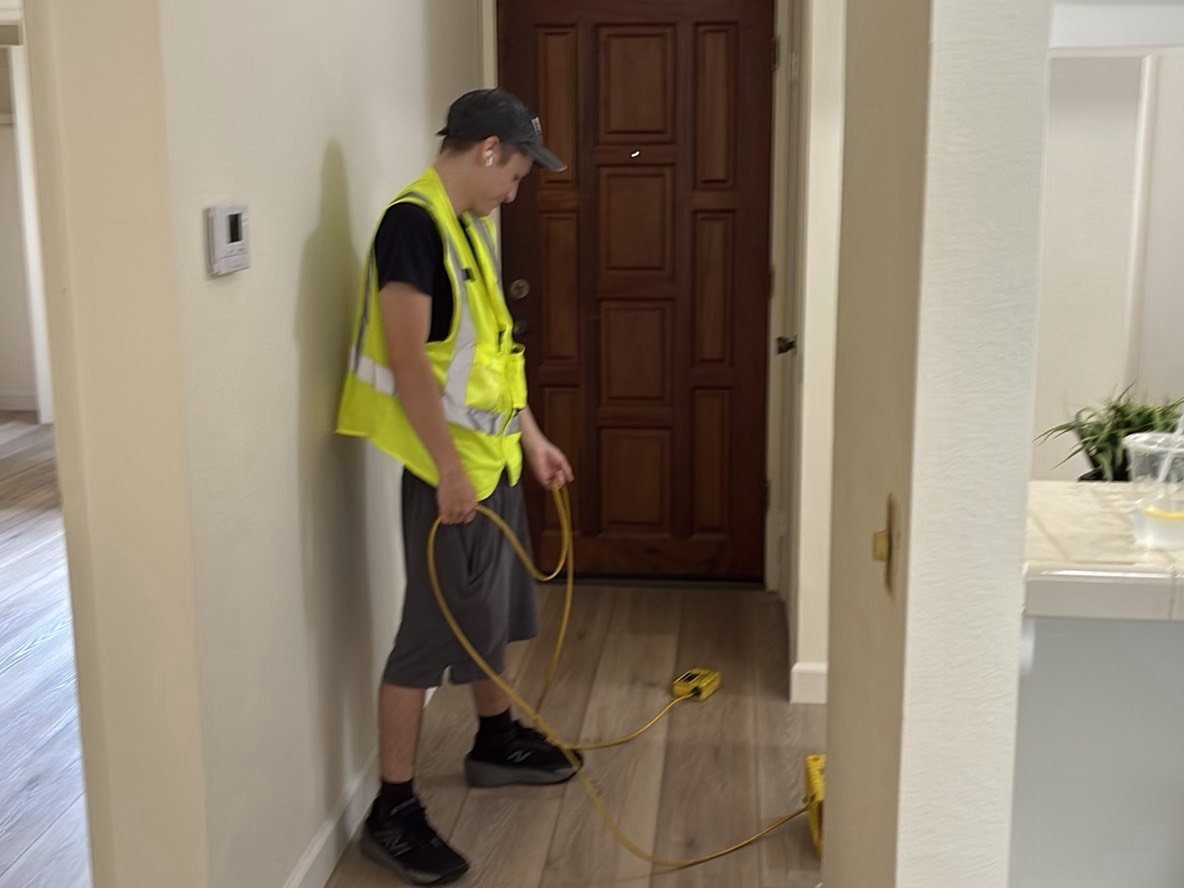
Slab surveys in action
ZipLevel altimeter measurements and foundation documentation from recent surveys.
More inspections in North Park
- Commercial inspection in North Park
- Pool and spa inspection in North Park
- Sewer scope inspection in North Park
- 4-point inspection in North Park
- Home inspection in North Park
Nearby and countywide
Were You Happy With Your Inspection?
We are proud of our 4.9-star rating across 100+ Google reviews. If Joseph and the team did right by you, a quick Google review helps other San Diego County buyers and sellers find us.