
Foundation & Slab Inspection in Mission Valley
Mission Valley is the flat middle of San Diego — the river running east to west, condos and apartment blocks filling the floodplain, townhome rows climbing the valley walls toward Friars Road. Most of what sells here is attached housing — 1970s and 80s condo-boom complexes plus a newer wave at Civita, Riverwalk, and the blocks around Snapdragon Stadium — nearly all of it on concrete over river alluvium with groundwater a short distance below.
A foundation and slab inspection sorts out what that concrete is doing. We identify the foundation type; document cracking, floor slope, moisture, and drainage; and explain whether the evidence reads as routine aging or movement worth a structural engineer's attention — a referral we make rather than a certification we issue.
Call (619) 752-4399 Schedule an Inspection
What does a slab inspection cover on the valley floor?
First comes the foundation type, because Mission Valley spans the range: slab-on-grade under the 1970s and 80s condo clusters off Mission Center Road, post-tension under the Civita generation, podium and parking-structure concrete beneath the mid-rises near the trolley. From there the evaluation covers:
- Visible foundation concrete — exposed slab edges, garage slabs, patio pours, stem walls where present, read for crack width, offset, and staining.
- Movement evidence inside the unit — floor slope measured room to room, doors and windows operated for binding, drywall cracks traced to their source.
- Moisture coming up through the slab — efflorescence, damp baseboards, lifted flooring, the musty ground-floor smell a high water table produces.
- Site drainage — roof-water discharge points, irrigation held against the slab edge, how a flat pad sheds storm flow.
One condo reality up front: in most Mission Valley associations the structure is a common element. We inspect what is visible and accessible, and where evidence points at shared structure, the report tells you what to raise with the HOA. Anything concealed is listed as not inspected.
How do river alluvium and a shallow water table affect your slab?
The valley floor is San Diego River alluvium — sand, gravel, and silt deposited over thousands of years. It bears load reasonably well, but three local facts shape what we find:
- Groundwater sits shallow. Across much of the floor the water table sits a few feet down, so vapor migrates up through slabs year-round — efflorescence, adhesive failure under flooring, persistent damp at slab level. The same saturated alluvium puts the floor inside the city's mapped liquefaction zone.
- The valley floods, recently and predictably. The January 2024 storms put parts of Mission Valley under water; the river overtops the low crossings in an ordinary wet winter. On ground-level units we look for high-water lines, replaced lower drywall, rusted door bottoms, slab moisture that never finished drying.
- Much of the floor was quarried, then filled. For decades the valley supplied San Diego's sand and gravel; Civita rose on the re-graded benches of a former quarry. Compaction-controlled fill generally performs, but fill-depth transitions are where pads settle differentially — the post-tension designs there exist because of that risk.
The valley walls add a fourth: townhome rows stepping toward the Linda Vista terrace sit on cut-and-fill benches, where downhill units can settle ahead of uphill neighbors.
Which findings repeat from Hotel Circle to Grantville?
Work enough complexes along the river corridor and the same write-ups recur — mostly conditions to understand, not deal-breakers:
- Slab moisture in ground-floor units — efflorescence at the slab edge, cupping floors, baseboard staining. Often vapor rather than a leak; we say which the evidence supports.
- Garage and carport slab cracking — shrinkage hairlines weighed against wider, offset, or still-opening cracks that suggest the ground beneath is moving.
- Settled corners in the 70s-era clusters — floor slope and racked openings in buildings that eased into the alluvium decades ago and largely stopped; the report distinguishes finished settlement from anything active.
- Flood-repair fingerprints — fresh lower drywall, new baseboard over old slab staining, replaced ground-floor flooring. We document what the repairs imply even when the workmanship looks clean.
- Post-tension cautions — at Civita and the newer blocks we confirm slab type, check edge condition, and note the never-cut, never-core warnings.
How does the walk-through work and what report do you get?
We begin at the building exterior, reading whatever foundation concrete the design exposes, the grade against it, and where storm water actually goes on a flat river-valley pad. Inside, floor slope gets measured, every door and window operated, crack patterns traced and photographed with a scale reference. In a condo, the accessible common areas — garage, breezeways, perimeter — get the same attention, often where the structural story is told.
The product is a HomeGauge report delivered the same or next day, photographs tied to each observation. It names the foundation type, separates cosmetic aging from movement that matters, flags moisture evidence and its likely driver, and gives you the questions to put to the HOA before your contingency runs out. When the evidence justifies engineering analysis, we say so and refer a licensed structural engineer; certification and repair design are their lane.
Who brings a contractor's read to river-valley concrete?
Joseph Romeo performs the inspection personally. He is an InterNACHI Certified Professional Inspector (CPI) and holds a California general contractor license, CSLB #1113143 — a pairing that matters on attached housing, where judging a slab means knowing how the building above it went together. More than twenty years and 10,000-plus San Diego County inspections sit behind that judgment, many in the condo and townhome stock filling Mission Valley.
Two commitments shape every report. We don't repair foundations, bid work, or certify structures, so no finding is angled toward selling you anything — repairs belong to contractors you choose, certifications to an engineer we'll refer. And we report what we observed, including what we couldn't access. Our credentials are the CPI and the contractor license; we're not ASHI or CREIA members. Buyers value the approach: 4.9 stars across 106 Google reviews. Call (619) 752-4399 or email joe@sandiegohomeinspection.com.
What related inspections suit Mission Valley properties?
Foundation questions in Mission Valley rarely arrive alone, especially in older complexes where original systems age on the concrete's schedule:
- Full home or condo inspection — the foundation assessment usually rides inside it, covering roofing, electrical, plumbing, and interiors in one visit. Details on our Mission Valley home inspection page.
- Sewer scope — 1970s complexes drain through original laterals, and a failed line saturates soil against the very slab we're evaluating.
- Thermal imaging — maps slab-level moisture in ground-floor units where the water table keeps vapor pressure high.
- Specialist referrals — structural engineer, geotechnical input on a valley-wall bench, termite/WDO evaluation where wood damage shows: we coordinate the right licensed professional.
The full lineup is on the services page; pricing is on the fee schedule. Ready to book? Contact us.
Mission Valley Foundation & Slab Inspection FAQs
Can you inspect a Mission Valley condo's foundation if the HOA owns the structure?
Does Mission Valley's high water table mean every ground-floor slab has a problem?
The complex flooded in January 2024. What will the inspection show me?
Is Civita's quarry-and-fill history something to worry about?
Will you certify the foundation or quote repair costs?
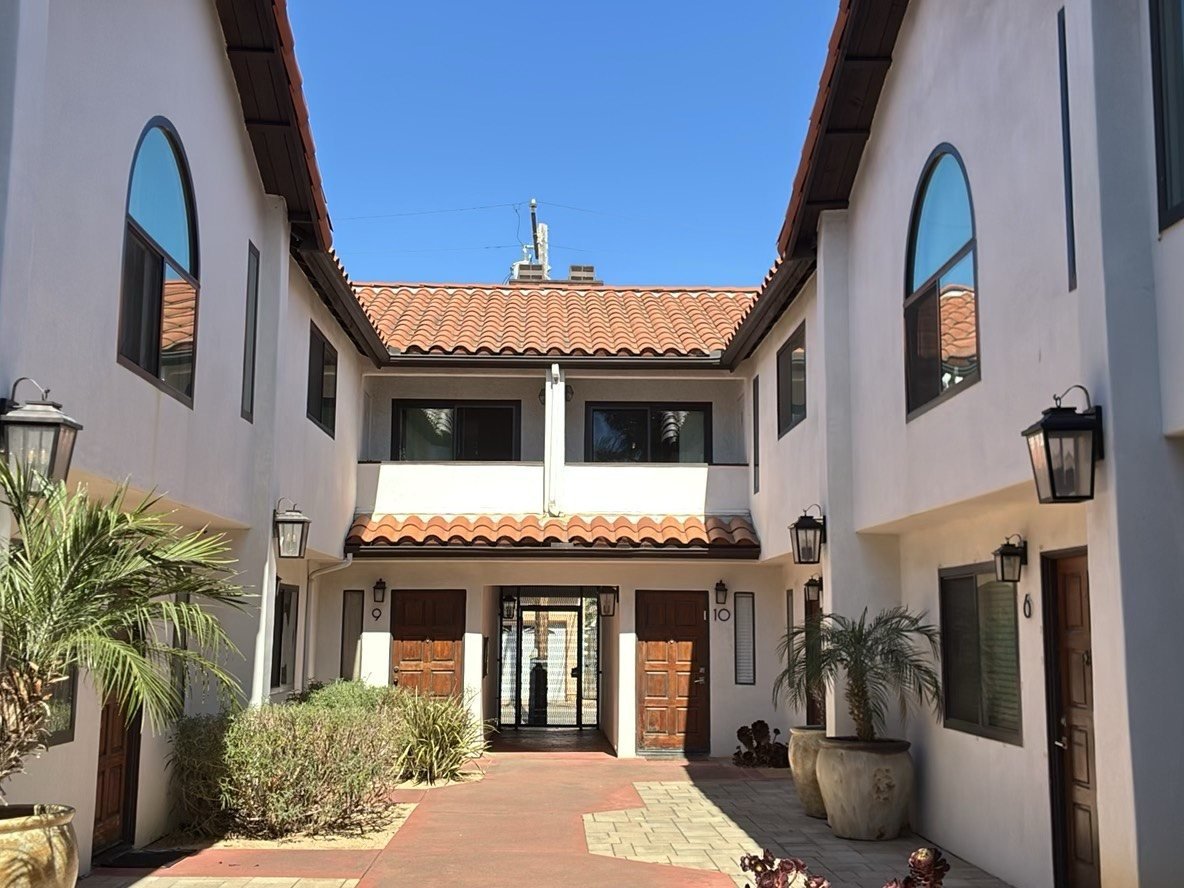
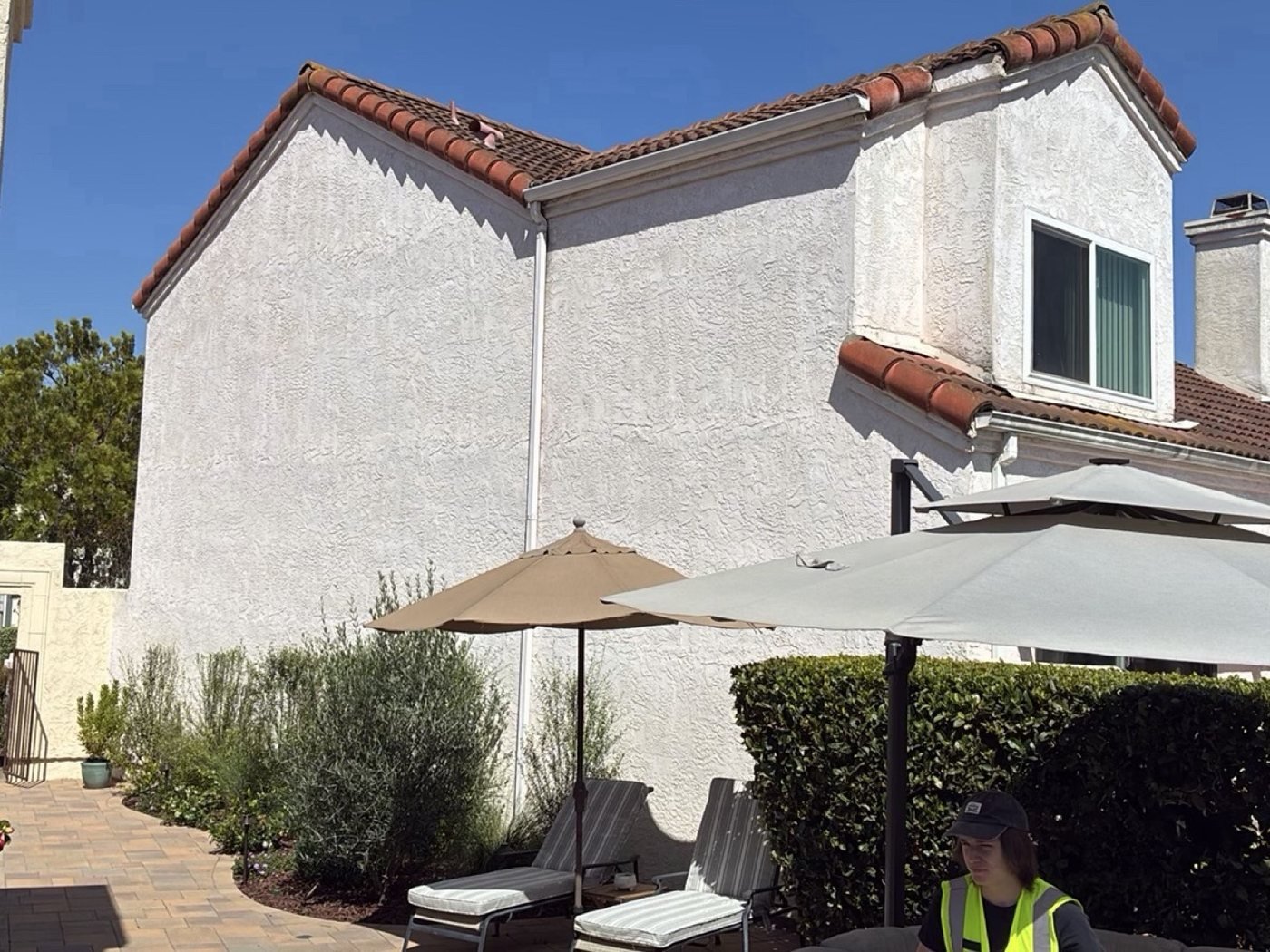
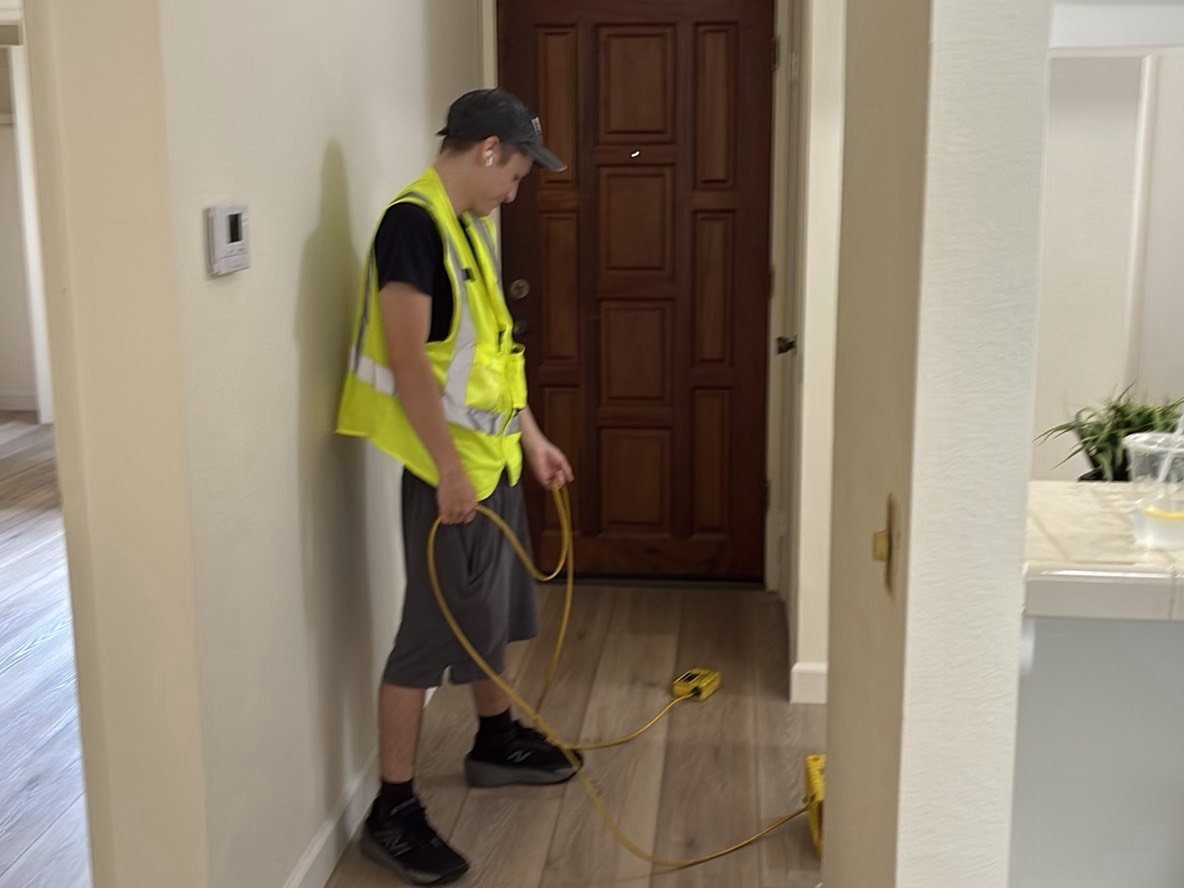
Slab surveys in action
ZipLevel altimeter measurements and foundation documentation from recent surveys.
More inspections in Mission Valley
- Sewer scope inspection in Mission Valley
- 4-point inspection in Mission Valley
- Roof inspection in Mission Valley
- Thermal imaging in Mission Valley
- Home inspection in Mission Valley
Nearby and countywide
Were You Happy With Your Inspection?
We are proud of our 4.9-star rating across 100+ Google reviews. If Joseph and the team did right by you, a quick Google review helps other San Diego County buyers and sellers find us.