
Seller's Pre-Listing Inspection in Mission Valley
Most of what sells in Mission Valley is attached housing — condos, townhomes, and a growing stack of high-rise and podium units between Friars Road and the San Diego River. That changes what a pre-listing inspection needs to cover, and what a buyer's inspector will flag if you don't get there first. Joseph Romeo, owner of The Real Estate Inspection Company, is an InterNACHI Certified Professional Inspector and CSLB-licensed General Contractor (#1113143) with 20+ years and 10,000+ inspections behind him. A seller's inspection is the same full inspection a buyer would order — on your timeline, with a HomeGauge report you can hand to buyers before the first offer arrives. Call (619) 752-4399 to schedule.
Call (619) 752-4399 Schedule an Inspection
What does a Mission Valley pre-listing inspection cover?
This is not a lighter walkthrough. The inspection follows the InterNACHI Standards of Practice, the identical scope a buyer's inspector would apply in escrow: roof where accessible, exterior and drainage, structure, attic, electrical, plumbing, water heater, heating and cooling, interiors, built-in appliances, and the garage.
On a Mission Valley condo or townhome the scope adapts to what you actually own: the unit interior, its subpanel and circuits, the water heater and HVAC equipment serving the unit, balcony and patio surfaces, and any attached garage or storage. Where a system is association-maintained common area — the roof over a mid-rise, the elevator, the garage structure — the report says so plainly, which keeps the line between unit responsibility and HOA responsibility clean during disclosure.
How does a river-valley condo market shape the inspection?
Mission Valley sits on the San Diego River floodplain — it was dairy land before it was mall land — and the water table is shallow. Ground-floor units and below-grade parking show it: efflorescence at slab edges, mineral staining on garage walls, and elevated moisture readings at the base of drywall after a wet winter. Heavy storms still put low crossings near the river under water, and units close to the channel carry FEMA flood-zone questions a buyer's lender will raise whether or not you do.
The housing stock splits into two distinct eras. Along Friars Road and Hotel Circle you have 1970s and 1980s complexes, many of them converted from apartments to condos in the mid-2000s. Those conversions got granite and paint; the supply risers, electrical panels, and sliding doors underneath are frequently original. On the other end sit the newer builds at Civita and around the former stadium site — a different defect list, but not a blank one. A pre-listing inspection sorts your unit into the right column before a buyer's inspector does it for you.
Which defects do I keep photographing in Mission Valley units?
The repeat findings here are predictable:
- Zinsco and Federal Pacific panels still in service in 1970s-era buildings — written up for evaluation by a licensed electrician given documented breaker-performance concerns.
- Galvanized supply branches with reduced flow at fixtures, plus conversion-era angle stops that seize when touched.
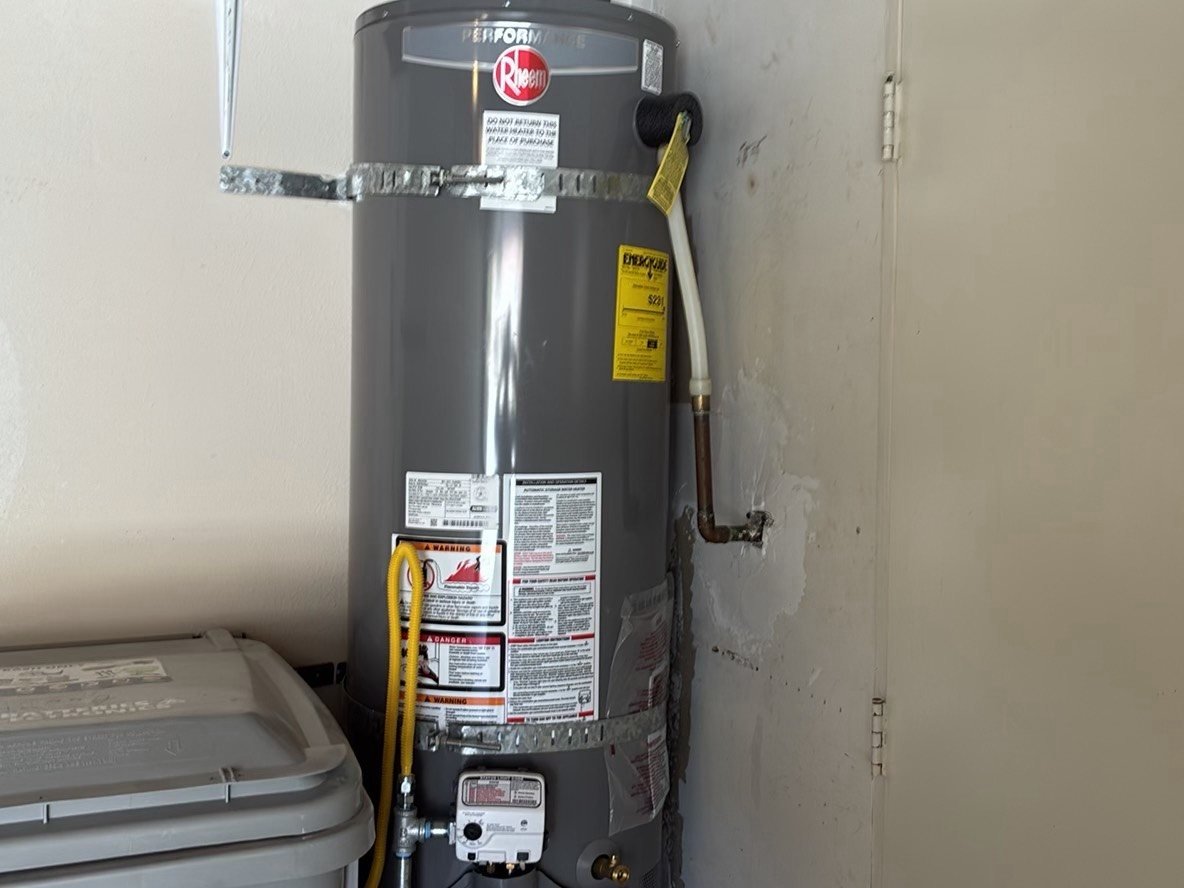
- Water heaters in interior closets past expected service life, missing seismic strapping, or with improper TPR discharge routing.
- Original aluminum sliders and single-pane windows off their rollers, with failed weep paths and fogged glass.
- Balcony and deck coating wear — ponding, cracked membranes, soft spots at railing posts.
- Moisture and efflorescence at ground-level slabs and subterranean garage walls, consistent with the valley's high water table.
- Bath fans venting into attics or chases in top-floor units.
- On newer Civita-area homes: condensate routing errors, missing flashing details, and doors out of adjustment — punch-list items buyers magnify when they find them first.
None of these are reasons not to sell — they are reasons to know your number before a buyer's repair request sets it for you.
How do booking, access, and the report work?
Scheduling in Mission Valley usually means coordinating gate codes, garage access, and sometimes a tenant. I handle occupied units routinely and keep the visit low-disruption.
Your HomeGauge report arrives the same day or next day, with photos, plain-language descriptions, and a shareable link your agent can attach to the disclosure package. Every finding then gives you three options: repair it before listing, disclose it and price accordingly, or attach a specialist's evaluation. To be clear — under California law, material defects you're aware of belong on the Transfer Disclosure Statement regardless. The advantage of finding them now is control: you choose the contractor, the timing, and the price impact, instead of negotiating all three under a contingency deadline.
Whose credentials stand behind the report in escrow?
A pre-listing report is only as persuasive as the person who signed it. Joseph Romeo carries two credentials that matter to buyers' agents: InterNACHI Certified Professional Inspector (CPI) and a CSLB General Contractor license (#1113143). The contractor's license means the opinions come from someone who has actually built and remodeled — framing to finish — not just observed. Twenty-plus years and 10,000+ inspections across San Diego County back that up, along with a 4.9-star rating across 106 Google reviews.
Just as important is what we don't do: we don't bid on or perform repairs we recommend. Buyers read pre-listing reports skeptically when the inspector has a financial stake in the findings; that independence is a large part of why ours get taken at face value during negotiation.
What else do Mission Valley sellers line up before listing?
Most Mission Valley listings move with two documents: the home inspection report and a structural pest control (termite/WDO) report. We don't perform WDO inspections — that requires a licensed pest operator — but we coordinate one so both reports land in your disclosure package together. For the handful of detached homes on the valley's edges, a sewer lateral camera evaluation is worth discussing; in most condo complexes the lateral is association plumbing.
Selling in Mission Valley and buying elsewhere in the county? We handle buyer's inspections too. Start at our Mission Valley home inspection hub, or review every inspection service we offer. Questions about a specific complex or building era? Call (619) 752-4399 or email joe@sandiegohomeinspection.com.
Mission Valley Seller's Pre-Listing Inspection FAQs
Is a pre-listing inspection worth it for a Mission Valley condo?
How much does a seller's inspection cost in Mission Valley?
Do I have to disclose what the inspection finds?
Can you inspect a high-rise or mid-rise unit in Mission Valley?
How fast do I get the report after the inspection?
Do you handle the termite report too?
Pre-listing documentation
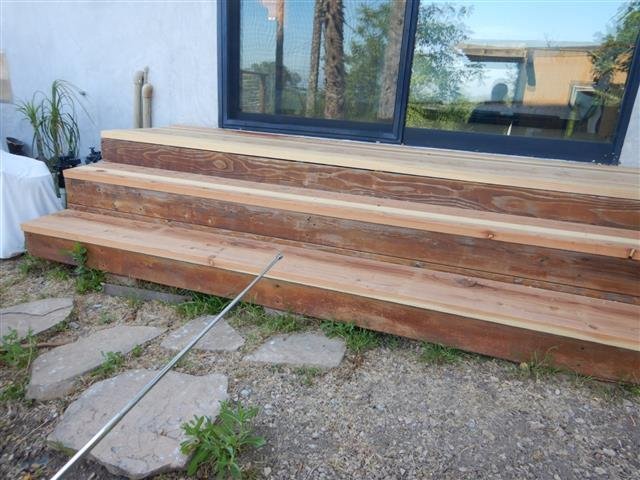
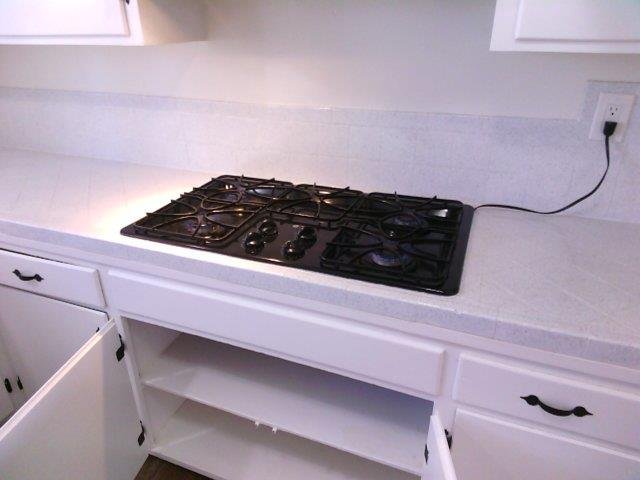
Pre-listing inspection photos from across San Diego County.
More inspections in Mission Valley
- Roof inspection in Mission Valley
- Thermal imaging in Mission Valley
- Foundation slab survey in Mission Valley
- SB 721 balcony inspection in Mission Valley
- Home inspection in Mission Valley
Nearby and countywide
Were You Happy With Your Inspection?
We are proud of our 4.9-star rating across 100+ Google reviews. If Joseph and the team did right by you, a quick Google review helps other San Diego County buyers and sellers find us.