
SB-721 Exemption Letter in Mission Valley, CA
Until the late 1950s the floor of Mission Valley grew alfalfa and ran dairy cattle. Today it holds one of San Diego County's densest concentrations of attached housing, built in two waves: gallery-style condo complexes along Friars Road and Rancho Mission Road through the 1970s and '80s, then the podium era — Civita rising from the old quarry and the river-adjacent projects replacing golf-course and stadium land. Wave one is overwhelmingly HOA-governed. Wave two is overwhelmingly steel and concrete. Both facts put much of the valley's multifamily stock outside SB-721, the balcony statute aimed at wood-framed rentals.
When a lender, carrier, or escrow officer wants that conclusion proven, the answer is an exemption letter: a site-verified determination of why the statute doesn't reach your building. I'm Joseph Romeo, owner of The Real Estate Inspection Company. Broader coverage lives at our Mission Valley home inspection hub.
Call (619) 752-4399 Schedule an Inspection
What four tests decide if SB-721 applies to your building?
SB-721 — Health & Safety Code 17973 — only attaches when a building clears every one of four hurdles: at least three rental dwelling units; elevated exterior elements such as balconies, decks, stairs, or gallery walkways; wood or wood-based products substantially supporting them; and a walking surface sitting past six feet of elevation over whatever lies beneath it. Fail any single hurdle and the law has nothing to say about your property.
The exemption letter is my applicability assessment of those hurdles, parcel by parcel. I confirm the unit count in county assessor data, establish whether the parcel is a rental or an SB-326 common-interest development, identify the structural material under every elevated surface, and laser-verify heights near the threshold. The letter then states — with photographs, measurements, and the statutory citation — precisely which test the building fails.
It waives nothing: a duty the legislature imposed stays imposed, and if a qualifying element exists you'll hear that on site instead.
Why does the valley floor cause so much balcony-law confusion?
The valley sits in the San Diego River's floodplain, and its exemption patterns flow from that:
- Condominium governance dominates the 1970s–80s stock. The complexes off Friars Road, Camino del Rio, and Mission Center Road were sold as condos or converted early, routing their obligations to SB-326 and the HOA. Mismatched compliance demands are the most common reason valley owners call me.
- The podium generation was built to resist water, not rot. Civita and the newer Friars-corridor projects hang balconies on steel outriggers or cast them into post-tensioned concrete decks — construction the wood-framing statute was never written for.
- Floodplain grading complicates the height question. A high water table pushed parking below podium decks and living space upward, so the "ground" beneath a second-level walkway here is often concrete deck over garage, not soil — changing what gets measured and what carries the surface.
- A thin band of true rentals remains. Hotel Circle-adjacent walk-ups and a few never-converted 1970s buildings still carry wood breezeways; some genuinely qualify, and the honest product there is the inspection.
Which determinations do I sign most often in Mission Valley?
Valley outcomes sort into a recognizable set:
- Wrong statute entirely. A condominium parcel holding an SB-721 demand letter — the determination documents that Civil Code 5551 (SB-326) controls.
- Exempt on material. Post-2010 podium buildings whose balconies, walkways, and egress stairs are steel or concrete top to bottom. Wood handrail caps and trim don't change the structural answer.
- Exempt on configuration. Garden-level units near Hotel Circle where every walking surface meets grade, or small properties that never reach the three-unit floor.
- Borderline heights, settled by the tape. Podium-edge landings within inches of the trigger — photographed, measured at the lowest adjacent surface, decided by the number.
- Covered after all. A wood-framed gallery walkway on a 1970s rental that clears all four tests. That owner gets a direct conversation and the statutory evaluation instead.
How does the assessment run, from first call to filed letter?
Send the address, unit count, and ownership structure to joe@sandiegohomeinspection.com or call (619) 752-4399. Screening starts before any visit: assessor data, recorded CC&Rs where condominium status is the live question, and City permit history flagging additions that may have introduced elevated structure since original construction. If records make exemption obviously impossible, I'll say so up front rather than charge for a foregone conclusion.
On site the work is a complete exterior census — every balcony, stair run, landing, and walkway catalogued, framing identified from the underside wherever soffits and connections are visible, heights laser-measured against the actual surface below, whether soil, hardscape, or podium deck. The assessment is non-destructive.
The deliverable arrives through HomeGauge, typically within a business day: the signed determination on letterhead with parcel identification, element inventory, construction calls, measurements, photographs, and reasoning a city reviewer or underwriter can follow without phoning me.
Who signs the letter, and why does the license matter?
California limits who may perform balcony-statute inspections; general contractors holding CSLB licenses qualify. I hold CSLB General Contractor #1113143 alongside the InterNACHI Certified Professional Inspector (CPI) credential — meaning the person ruling your building exempt could have inspected it under the statute had facts gone the other way.
The construction judgment comes from more than two decades and 10,000-plus inspections countywide, including years under the valley's stucco-wrapped galleries, where telling wood from steel behind a finished soffit is a framing question, not a paperwork one. The record is public: 106 Google reviews averaging 4.9 stars.
I also never bid or perform repairs on what I assess, so nothing in the fee rewards either answer.
What related inspections might my Mission Valley building need?
The applicability letter often opens the door to work a valley building actually needs:
- Full SB-721 evaluation — for rental walk-ups with qualifying wood galleries, performed under the same contractor credential.
- SB-326 evaluation — the common-interest counterpart, the correct compliance track for most valley condo associations.
- Condo and townhome purchase inspections — buyer-side reviews of the 1970s–80s complexes, where original galvanized plumbing and moisture intrusion at the floodplain's high water table deserve a careful read.
- New-construction and warranty inspections — for Civita and newer Friars-corridor projects before the builder's warranty clock runs out.
Termite/WDO reports, engineering certifications, and pressurized leak testing sit outside my scope; I coordinate those referrals to licensed specialists so the transaction doesn't stall. The complete menu is on our services page, the fee schedule carries current rates, or reach out and we'll figure out which assessment fits.
Mission Valley SB-721 Exemption Letter FAQs
My Mission Valley condo received an SB-721 compliance demand. Does the law apply?
Are the newer podium buildings like Civita exempt from SB-721?
How does Mission Valley's floodplain construction affect the height test?
Does the exemption letter expire or need renewal?
What if you find qualifying wood walkways at my property?
What does a Mission Valley applicability assessment cost?
Properties we evaluate
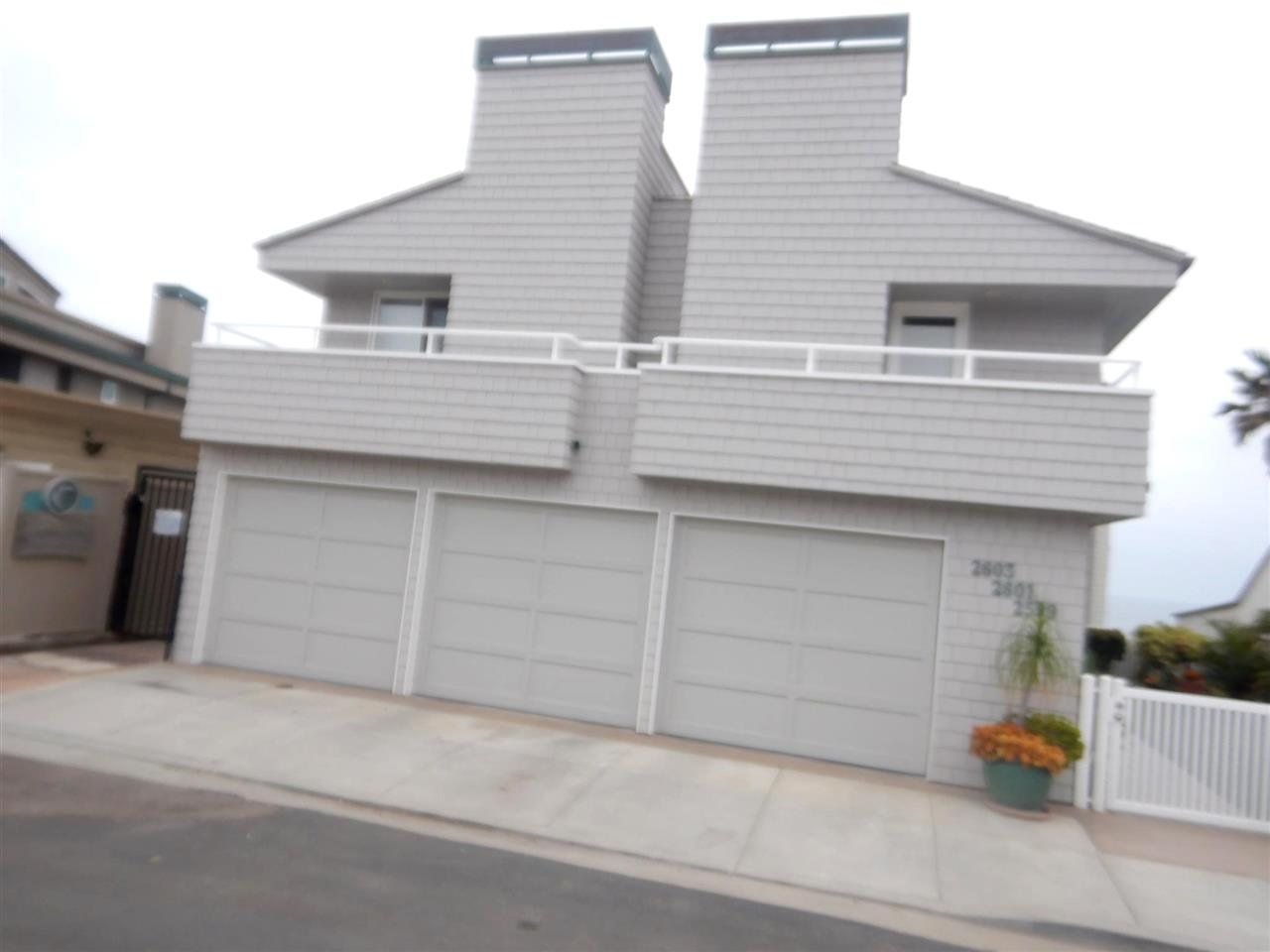
Properties evaluated for SB 721 exemption letters across San Diego County.
More inspections in Mission Valley
- Commercial inspection in Mission Valley
- Pool and spa inspection in Mission Valley
- Sewer scope inspection in Mission Valley
- 4-point inspection in Mission Valley
- Home inspection in Mission Valley
Nearby and countywide
Were You Happy With Your Inspection?
We are proud of our 4.9-star rating across 100+ Google reviews. If Joseph and the team did right by you, a quick Google review helps other San Diego County buyers and sellers find us.