
Home Inspection in Mission Valley, San Diego, CA
Mission Valley is flat for a reason: it is the floodplain of the San Diego River, and the river still asserts itself — ask anyone who has watched Fashion Valley Road disappear under water in a wet January. The housing built on that valley floor is overwhelmingly attached. Condo complexes from the 1970s and '80s line Friars Road and Camino del Rio, townhomes step up the valley walls, and a new generation of mid-rise and high-rise construction is filling in Civita and the old stadium site. Nearly every front door here comes with an HOA behind it.
That mix — shared buildings, slab-on-grade construction, a shallow water table, and a marine layer that rides the river corridor inland every morning — changes what a competent inspection has to look for. This page covers the practical side: scope, process, and booking. If you are earlier in your research, our Mission Valley condo inspection guide goes deeper on condo-specific questions. Ready to schedule? Call (619) 752-4399 with the address and your escrow date.
Call (619) 752-4399 Schedule an Inspection
What does a Mission Valley home inspection cover?
Every appointment follows the InterNACHI Standards of Practice, but in a neighborhood where most properties share walls, roofs, and plumbing risers with their neighbors, scope has to be stated precisely. For a Mission Valley condo or townhome, we evaluate:
- Everything inside the unit — supply and drain plumbing at the fixtures, the water heater and its closet, the electrical sub-panel and branch circuits, GFCI protection, interior surfaces, and the staining that tells on past leaks
- Heating and cooling — heat pumps, wall units, rooftop package systems, and the condensate routing that so often ends up dripping where it shouldn't
- Windows and sliders — roller condition, drainage weeps, fogged glass, and the door pans beneath them
- Balconies, decks, and patios serving the unit — surface coatings, flashing at the wall connection, railings, and any framing we can see
- The garage or assigned parking level — slab condition, efflorescence, ventilation, and corrosion at steel posts and door frames
- Accessible common elements that affect your unit — walkable roof areas for top-floor and townhome buyers, building drainage, and the siding or stucco around your exposure
For the valley's detached and row homes — including the new fee-simple product in Civita — the full residential standard applies, foundation to ridge. In every case we report what we observe and stay out of the repair business entirely, which keeps the findings neutral. The complete menu is on our services page.
Why does the valley floor change what we inspect?
Mission Valley's geology and building history create a short list of recurring risks, and we organize the visit around them:
- The river and the water table. Much of the valley floor sits within mapped flood zones, and groundwater runs shallow even in dry years. On ground-level units and parking garages we look for efflorescence, slab moisture telegraphing through flooring, rust blooming at the base of metal door frames, and evidence that storage rooms have taken water before.
- 1970s and '80s condo systems at end of life. A large share of the complexes off Friars Road and Camino del Rio still carry original equipment. We identify Zinsco and Federal Pacific panels, check for the gray polybutylene supply pipe of that era, and date water heaters and HVAC equipment that may be running on borrowed time.
- Marine-layer moisture without coastal ventilation. The morning overcast funnels straight up the river corridor, and single-aspect condos with one wall of windows don't cross-ventilate. We test bath and laundry exhaust, check closet walls on shaded exposures, and read condensation patterns at aluminum frames — the exact conditions where mildew gets its start.
- Balconies and elevated walkways. Wood-framed decks stacked three high are everywhere in the valley, and the failure point is almost always the flashing where deck meets wall. We probe what serves your unit and flag anything that warrants the HOA's structural follow-up.
- Brand-new construction. Civita and the Riverwalk build-out are delivering homes faster than any decade since the '70s. New does not mean defect-free: we routinely find unfinished flashing details, doors out of adjustment, and mechanical systems that were never properly commissioned.
What turns up most often in Mission Valley reports?
Across hundreds of valley-floor inspections, the same entries keep landing in our reports:
- Efflorescence and damp staining on ground-level garage and storage walls — the water table making itself known
- Zinsco or Federal Pacific panels still in service, decades after both became an insurance conversation
- Polybutylene supply piping, or the telltale partial repipe where some runs were replaced and some weren't
- Sliding doors with crushed rollers, blocked weep holes, and fogged dual-pane glass
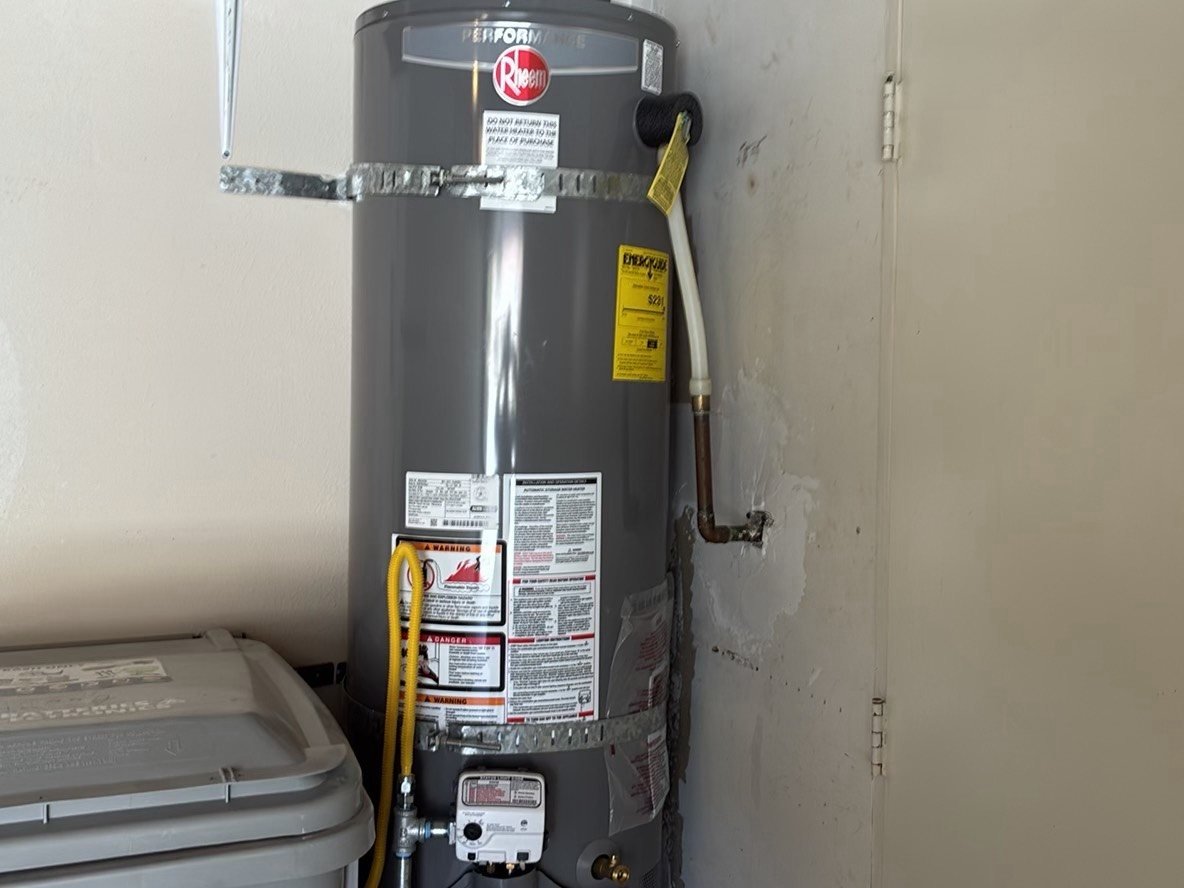
- Water heaters squeezed into closets without drain pans, without proper discharge routing, or missing seismic straps
- Bath fans that move almost no air, with mildew starting in the corners they were supposed to protect
- Deck coatings cracked at posts and thresholds, occasionally with softened framing underneath
- Condensate lines discharging onto balconies or directly against stucco
- In the new stock: stucco cracking at floor lines, insulation gaps, and punch-list items the builder closed out on paper but not in the field
Most of these are negotiable, not fatal. The report ranks every item so you and your agent can separate genuine safety issues from the routine maintenance list — and so a seller knows which findings will actually move the price.
How do the appointment and report work?
Booking starts with the address, the unit type, and your contingency date. Condo work involves logistics a detached house never presents: gate codes, HOA or management approval for roof and mechanical-room access, parking for the ladder and tools. We coordinate that with the listing side before inspection day so the visit doesn't stall at a locked door.
Join us for the final 30 to 45 minutes if you possibly can. We walk the unit together — angle stops, the sub-panel, the water heater shutoff, every significant finding shown in person rather than described in an email. Your HomeGauge report follows the same day or next morning with captioned photos, severity ratings, and a summary built for the repair-request addendum.
Where something exceeds a home inspector's lane, we say so and line up the right specialist: a licensed structural pest company for the termite/WDO report, a structural engineer or architect for statutory balcony certifications, a camera operator for private sewer laterals on townhome and detached lots. We coordinate those referrals; we don't pretend to cover them. For pricing, review the fee schedule or ask for a firm number with the address.
Who performs your Mission Valley inspection?
Joseph Romeo, our lead inspector and owner, carries two credentials that matter on this housing stock: the InterNACHI Certified Professional Inspector (CPI) designation and a California General Contractor license, CSLB #1113143. Attached housing rewards a contractor's perspective — knowing how a podium deck should be waterproofed, what a correct deck-to-wall flashing detail looks like, and whether a new build's finish quality reflects what is behind the drywall.
- More than 10,000 inspections over 20-plus years in San Diego County, with a steady diet of valley-floor condos, townhomes, and new construction
- 4.9 stars across 106 Google reviews, many from the agents who work the Friars Road corridor every week
- Plain answers at the property — what is urgent, what is aging normally, and what is the association's responsibility rather than yours
Mission Valley sits at the center of our coverage map; every community we work is listed on the service-areas page.
What related inspections pair with a Mission Valley visit?
Most valley transactions need one of these alongside — or instead of — the standard inspection:
- Condo and high-rise unit inspections — the core work here; our Mission Valley condo inspection guide covers what makes them different in depth
- New-construction inspections — pre-drywall and pre-closing visits at Civita and Riverwalk, plus the 11-month walk before the builder warranty expires
- Pre-listing inspections — sellers in older complexes use these to settle the panel and pipe questions before a buyer's inspector raises them
- Investor and rental-unit inspections — a sizable share of the valley's condos are rentals, and we document them with turnover costs and capital planning in mind
- Thermal imaging — especially useful for slab and wall moisture in ground-level units
- Sewer scope coordination — for the townhomes and detached homes that own a private lateral
List what the deal requires when you request a quote and we will fold it all into a single appointment.
Mission Valley Home Inspection FAQs
Do I need my own inspection if the HOA maintains the building?
What does a Mission Valley home or condo inspection cost?
Is flooding really a concern for Mission Valley properties?
Should I inspect a brand-new home in Civita or Riverwalk?
Can you perform the SB 326 balcony inspection for our HOA?
How quickly does the report arrive?
What we document
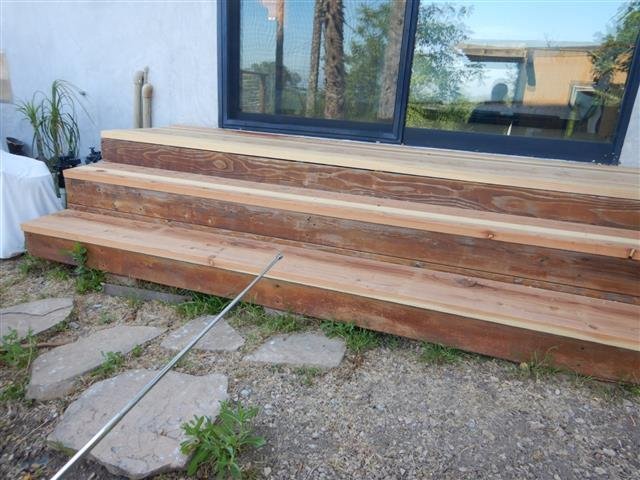
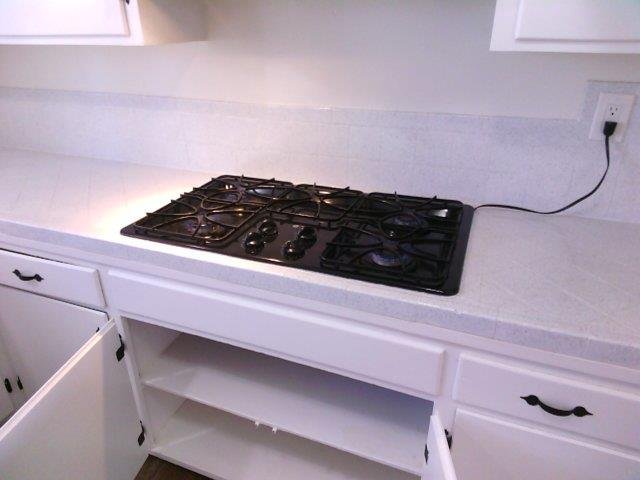
Photos from recent home inspections across San Diego County.
Inspection services in Mission Valley
- 4-point inspection in Mission Valley
- Commercial inspection in Mission Valley
- Commercial roof cleaning in Mission Valley
- Foundation slab survey in Mission Valley
- Pool and spa inspection in Mission Valley
- Roof inspection in Mission Valley
- SB 326 balcony inspection in Mission Valley
- SB 721 balcony inspection in Mission Valley
- SB 721 exemption letter in Mission Valley
- Seller inspection in Mission Valley
- Sewer scope inspection in Mission Valley
- Thermal imaging in Mission Valley
- Warranty inspection in Mission Valley
Nearby areas we serve
Were You Happy With Your Inspection?
We are proud of our 4.9-star rating across 100+ Google reviews. If Joseph and the team did right by you, a quick Google review helps other San Diego County buyers and sellers find us.