
Commercial Property Inspection in Mission Valley
Mission Valley sits in the San Diego River floodplain, and that single fact shapes more commercial real estate decisions here than anything else. Below-grade parking garages, ground-floor retail slabs, and 1970s office buildings along Camino del Rio behave differently when the water table is only a few feet down. The Real Estate Inspection Company performs PCA-style commercial property inspections across Mission Valley — office, retail, multi-unit apartment, hotel, and mixed-use buildings from Hotel Circle to Civita. Joseph Romeo, an InterNACHI Certified Professional Inspector and CSLB-licensed general contractor (#1113143), walks every property himself and delivers a photo-documented HomeGauge report the same or next day.
Call (619) 752-4399 Schedule an Inspection
What does a Mission Valley commercial inspection cover?
Our walkthrough follows the general framework of ASTM E2018, the standard most lenders and buyers reference for a Property Condition Assessment. On a typical Mission Valley assignment — say an office building on Camino del Rio South or a strip retail center off Friars Road — we evaluate the low-slope roof and its membrane (TPO, modified bitumen, or built-up roofing), the rooftop HVAC package units and their curbs and condensate routing, the electrical service and distribution (frequently 3-phase here), panels and disconnects, domestic plumbing and water heaters, and the visible fire and life-safety components: alarm devices, extinguishers, exit paths, and exposed sprinkler piping.
Outside, we observe site drainage, parking surfaces and striping, accessible-parking layout and signage as a visual ADA observation, and the building envelope — cladding, sealants, glazing, and visible structural elements. Tenants signing NNN leases get the same scope, because under triple-net terms the roof and RTUs you didn't look at become your operating expense. Note that a Phase I Environmental Site Assessment and engineering calculations are separate disciplines; when a deal needs them, we coordinate or refer the right licensed specialist.
How do the floodplain and water table affect commercial buildings?
The January 2024 storms put parts of Camino del Rio and the Fashion Valley parking structure under water, and that event is now baked into how lenders and insurers look at this valley. Much of the commercial stock sits in or beside a mapped FEMA flood zone, so we pay close attention to anything below grade: parking garages, elevator pits, storage levels, and utility rooms. We look for sump pumps and whether they actually run, efflorescence and staining on garage walls, corrosion at the base of steel columns, and high-water marks that tell you what the seller's disclosures may not.
The high water table also drives slab moisture in ground-floor retail — a real problem if the incoming tenant plans glued-down flooring. The valley's 1970s and 1980s office buildings carry original panels, galvanized plumbing remnants, and roofs on their third overlay, while the new construction at Civita, Riverwalk, and around the SDSU Mission Valley site brings the opposite issue: builder shortcuts and unfinished punch-list items hiding behind fresh paint. We inspect both eras with equal skepticism.
What do we commonly find on Mission Valley commercial buildings?
A few findings repeat across the valley. Ponding water on flat roofs is the most common — drains and scuppers clog with debris, the membrane stays wet, and seams open up years ahead of schedule. Rooftop units are next: many of the RTUs over older Camino del Rio offices are past their expected service life, with rusted cabinets, crushed condensate lines, and missing disconnects.
Inside electrical rooms we routinely document unlabeled breakers, abandoned circuits left over from decades of tenant turnover, and double-tapped lugs. In garages we find spalled concrete, exposed and corroding rebar, and sump pumps that haven't cycled in years. On the site side, accessible-parking signage and striping that no longer match current standards show up constantly, along with grade that drains toward storefront entries instead of away from them. Each finding belongs in your negotiation, capital-reserve budget, or lease terms before you sign — not after.
How does the process work and what report do you receive?
Commercial inspections take coordination, and we handle it: occupied suites, tenant notice requirements, property-manager access, roof hatches, and locked electrical rooms. Tell us your due-diligence deadline and we will schedule around it — well-priced Mission Valley assets rarely sit long.
On site, Joe photographs and documents every accessible system. You receive a HomeGauge report the same day or the next, organized by system with labeled photos, plain-language descriptions of what we observed, and clear flags on the items that affect safety, near-term capital cost, or further evaluation by a specialist. We report observed condition — we don't bid the repairs or perform them, which means the report has no incentive baked into it. Buyers, brokers, and lenders can call Joe directly with questions after delivery.
Why do Mission Valley buyers and tenants hire us?
Joseph Romeo holds two credentials that matter on commercial work: he is an InterNACHI Certified Professional Inspector and a CSLB-licensed general contractor (#1113143). The contractor's license is the difference-maker on a commercial walkthrough — Joe has built and remodeled structures, so when he looks at a deflected roof deck or a re-piped riser he understands how the repair would actually be sequenced and what it disturbs.
He has performed more than 10,000 inspections over 20+ years in San Diego County, and the company holds a 4.9-star rating across 106 Google reviews. Call (619) 752-4399 or email joe@sandiegohomeinspection.com to discuss the property before you book — Joe will tell you honestly whether the building warrants a full PCA-style inspection or a narrower scope.
What other inspections do we perform in Mission Valley?
Commercial work is one piece of what we do here. Mission Valley's housing stock is dominated by condos, townhomes, and new high-rise units, and our Mission Valley home inspection page covers those in detail — including HOA-context inspections where the association maintains the envelope. Investors buying small multi-unit properties in the valley often pair a commercial-style review of shared systems with unit-by-unit interior inspections.
For scopes outside ours — termite/WDO, Phase I ESA, sewer-line specialists, or an engineer's structural evaluation — we coordinate and refer licensed providers rather than pretend one inspector covers everything. Our full list of inspection services and our fee schedule are posted online, or contact us and we'll scope the job by phone.
Mission Valley Commercial Property Inspection FAQs
Do you inspect apartment and mixed-use buildings in Mission Valley?
Is a Phase I Environmental Site Assessment included?
How fast will I have the commercial inspection report?
How does the Mission Valley flood zone affect a commercial purchase?
What does a commercial inspection cost in Mission Valley?
Can a tenant order an inspection before signing an NNN lease?
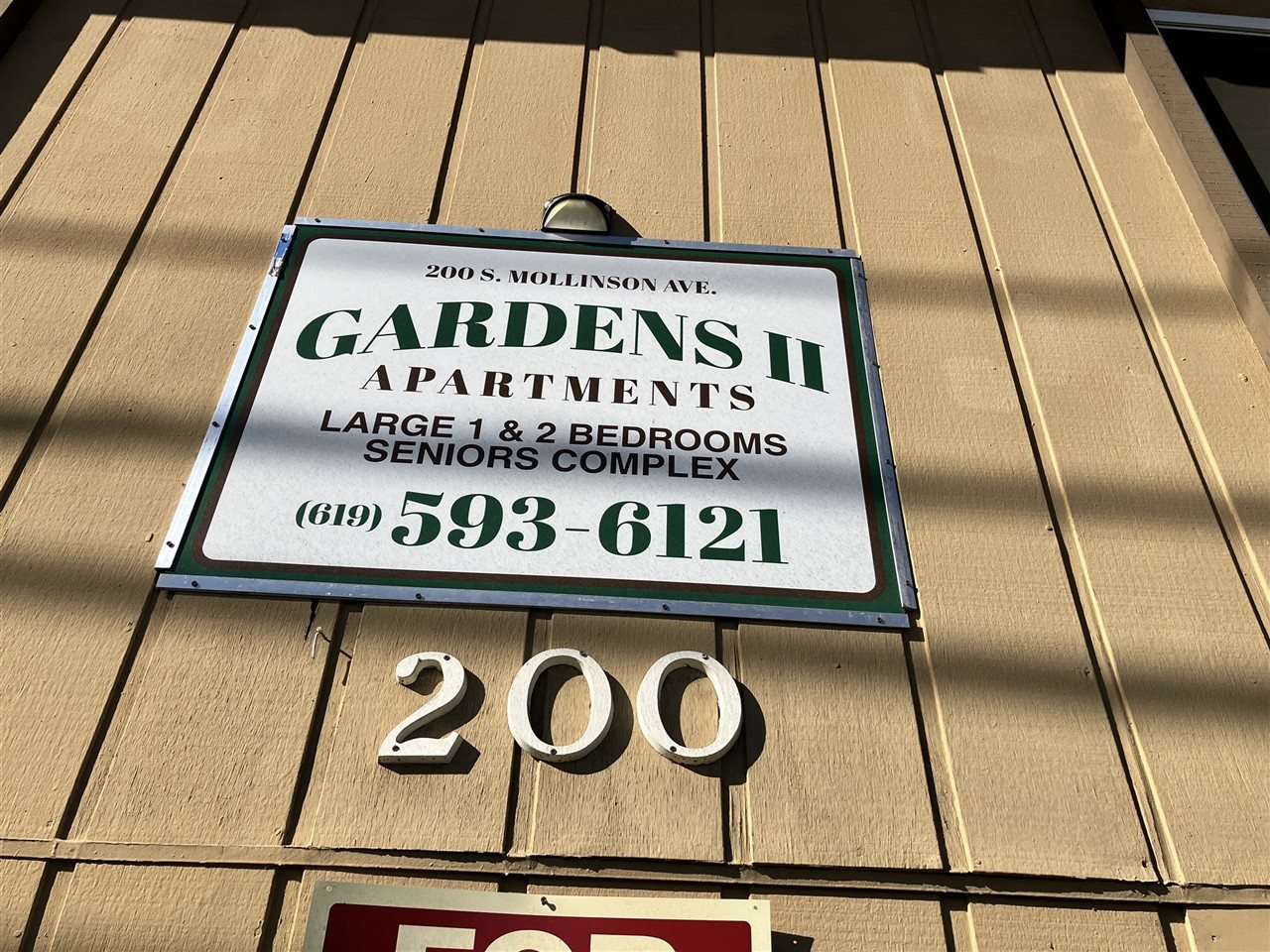
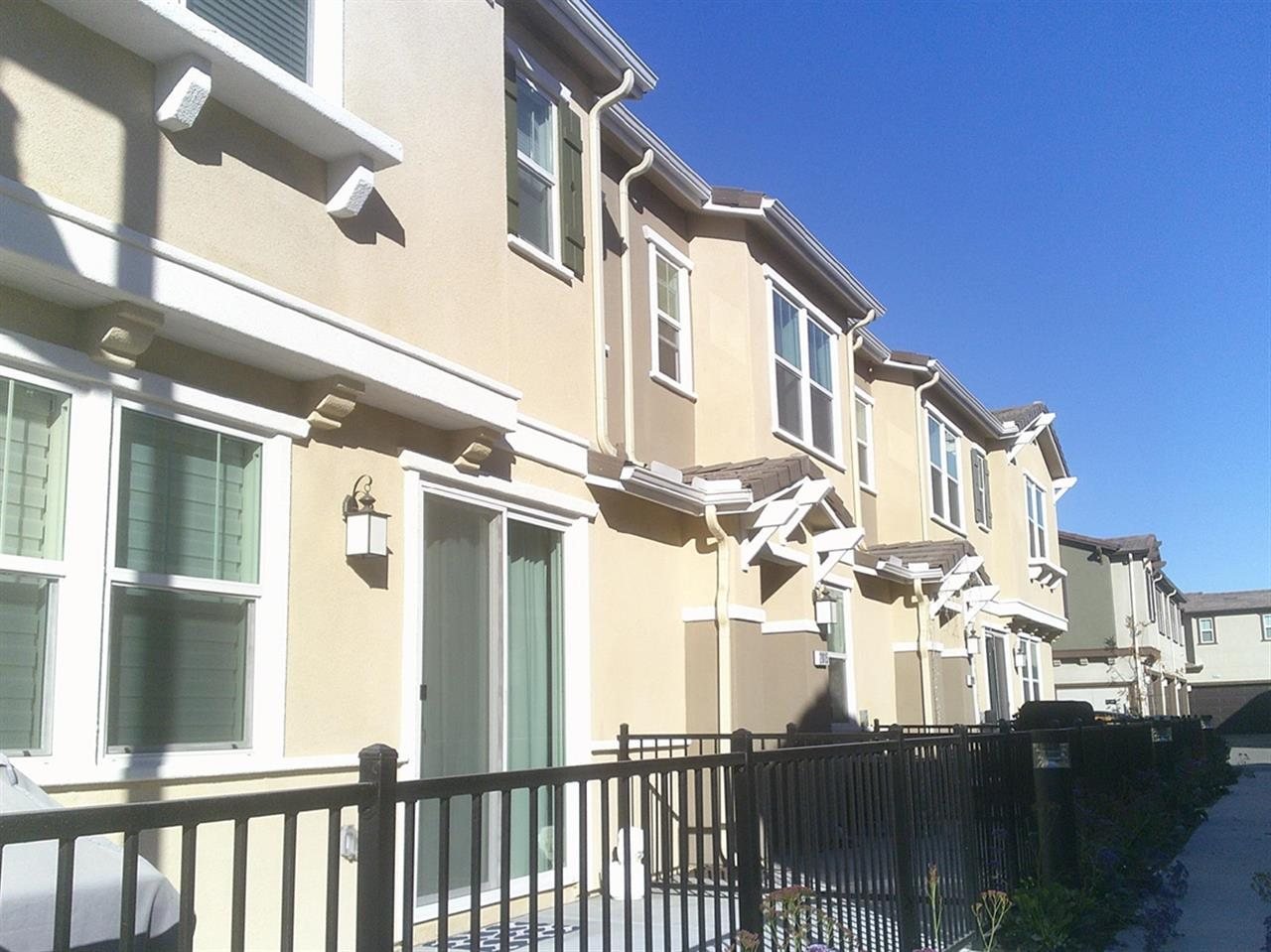
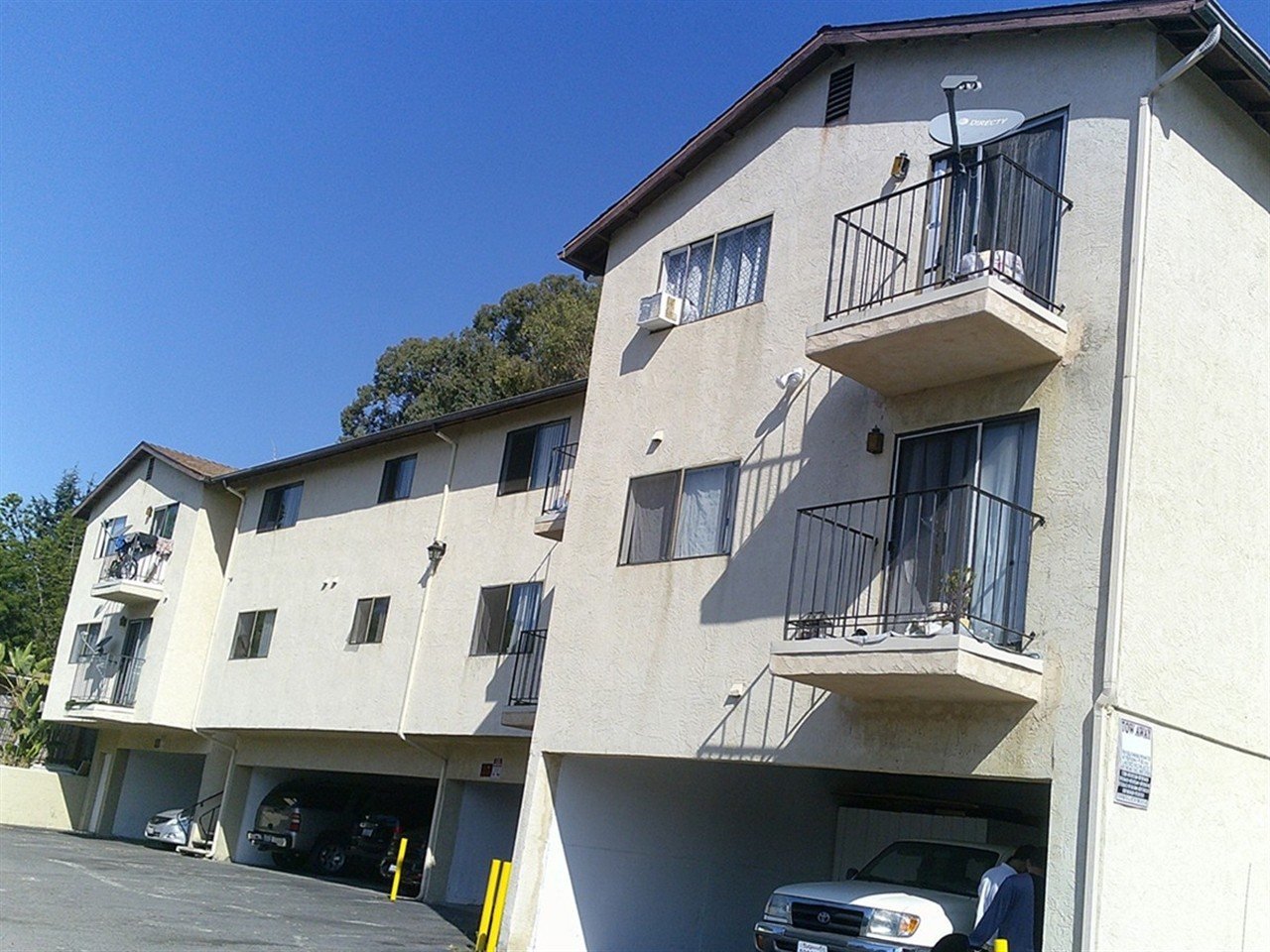
Multi-unit experience
Commercial and multi-unit properties we have inspected across San Diego County.
More inspections in Mission Valley
- SB 721 balcony inspection in Mission Valley
- SB 326 balcony inspection in Mission Valley
- SB 721 exemption letter in Mission Valley
- Seller inspection in Mission Valley
- Home inspection in Mission Valley
Nearby and countywide
Were You Happy With Your Inspection?
We are proud of our 4.9-star rating across 100+ Google reviews. If Joseph and the team did right by you, a quick Google review helps other San Diego County buyers and sellers find us.