
11-Month Warranty Inspection in Mission Valley, San Diego
No part of San Diego is adding homes faster than Mission Valley. Riverwalk is converting a golf course into a river-facing neighborhood at the valley's west end, the SDSU Mission Valley district is filling in around Snapdragon Stadium to the east, and Civita continues delivering its last phases on the north slope. Anyone who closed on a new condo, rowhome, or stacked flat in one of these projects is holding a builder's first-year warranty — protection that converts to nothing on its anniversary unless the defects it covers were documented and claimed in time.
That deadline is the whole point of an 11-month warranty inspection. We inspect the entire home late in the warranty year — after a valley summer and, with luck, a real storm season have done their work — and produce a photo-documented defect list your builder remains contractually bound to address. File it before the cutoff and those repairs happen on the builder's dime. Miss it, and the identical list becomes your own maintenance budget.
Call (619) 752-4399 Schedule an Inspection
What does an 11-month warranty inspection cover?
Nothing about this visit is abbreviated. We operate the systems, open the panel, and evaluate the unit the way we would for a purchase — then frame each defect in the language of a warranty claim. On Mission Valley's new attached product, the emphasis falls on:
- Podium and garage levels — much of the valley's new housing sits over structured parking. We examine below-grade slabs and walls for moisture intrusion, rust trails, and mineral bloom, and confirm floor drains and any sump equipment actually function.
- Roof and deck membranes — low-slope assemblies, drains and overflows, and the waterproofing transitions where a balcony or roof deck sits above someone's ceiling.
- Envelope — stucco shrinkage patterns, window and slider flashing, weep paths, and sealant joints after twelve months of valley-floor sun.
- Electrical — arc-fault and ground-fault coverage, accurate panel directories, fixture and receptacle function, and the EV rough-ins these projects advertise.
- Plumbing — water heater installation with proper seismic strapping, fixture performance with several outlets running at once, and accessible connections checked for weeping.
- Cooling, heating, and ventilation — equipment run under genuine load, balance between levels, condensate routing above finished space, and the whole-unit mechanical ventilation that windows-shut freeway-adjacent designs depend on.
- Interior movement — doors, windows, drywall, and flooring after a year of drying and daily use.
Findings land in a HomeGauge report with photographs and precise locations — the format a customer-care department can process without a phone call. Our role stops at documentation: we report observed condition and leave repairs, and any bidding for them, entirely to others.
How do the floodplain, water table, and heat test a new home's first year?
Mission Valley sits on the floor of the San Diego River corridor, and that geography governs how its newest buildings behave in their first year:
- The river and its floodplain. Anyone who watched Camino de la Reina disappear under water in the January 2024 storms understands why current projects raise their pads, lift habitable floors above garage levels, and engineer site drainage to move serious volume. The first hard rain is the only honest test that engineering gets — and month eleven is the last chance to charge its shortcomings to the builder.
- Groundwater that never leaves. The valley's water table is high year-round, so below-grade parking fights moisture even in dry months. Waterproofing gaps announce themselves as damp cold joints and white efflorescence streaks on year-old concrete — textbook warranty findings that residents walk past daily without registering.
- Heat the coast never feels. The valley floor traps summer temperatures that make a west-facing top-floor flat the proving ground for duct connections, return sizing, and cooling capacity.
- Dense attached detailing. Party walls, stacked plumbing, decks over living space, and long dryer and exhaust runs threaded through podium structure — failure points that stay invisible until they're expensive.
- An HOA on every project. Every new development here has an association, so each defect needs routing — builder claim or HOA channel — and our report tags every finding for the correct lane.
What does month eleven turn up in Riverwalk and Civita homes?
First-year defects aren't a scandal — they're the reason the coverage exists. In the valley's new buildings, the recurring list looks like this:
- Garage-level moisture — efflorescence at wall bases, staining below cold joints, floor drains that pond, sump pumps that never cycle or never stop.
- Balcony and deck water entry — thresholds that weep in wind-driven rain, drains and scuppers holding water, membrane terminations opening as framing shrinks.
- Cooling that quits at the top floor — the classic valley-summer complaint, traced to leaky duct joints, starved returns, or systems never balanced after drywall.
- Condensate gambles — upper-level air handlers draining over finished ceilings with shallow slope and no functioning overflow protection.
- Shrinkage everywhere — stucco hairlines at floor lines, drywall seam ridging, nail pops, and miters opening; individually trivial, collectively a legitimate builder touch-up claim.
- Ventilation that doesn't ventilate — bath and kitchen exhaust with crushed or disconnected ducting in the podium chase.
- Site drainage debris — area drains still half-full of construction sand, and hardscape that settled toward the building during its first winter.
Equally important is what we leave off: separating normal drying from true workmanship failures keeps the claim credible, and credible claims get worked instead of disputed.
When do you book it, and how does the report reach your builder?
Start with your closing date and count forward: the visit belongs around the ten-to-eleven-month mark, late enough that heat and rain have exposed latent defects, early enough that the claim beats the deadline. Read your warranty booklet before booking — some builders require claim forms ahead of the actual anniversary, and the earlier date is the one that governs. Then call (619) 752-4399 or email joe@sandiegohomeinspection.com with the address and close date.
On inspection day, Joseph moves through the home methodically: membrane roof or deck where access allows, every level's systems operated, the panel opened, the water heater examined, then the garage level and site drainage on a slow final lap. Join him if you can — standing at a ponding scupper together makes the builder conversation far easier.
The HomeGauge report typically arrives the same evening or the next day, organized so it forwards directly to the warranty desk. Boundaries stay on the table: we don't pressure-test supply lines, issue engineering or structural certifications, or handle termite and pest matters — when a finding calls for one of those, we say so plainly and connect you with the appropriate licensed specialist. And because we never repair what we inspect, nothing in the report is angled toward future work.
Why does a builder's warranty desk take this report seriously?
Builders push back on vague complaints; they act on documented defects described by someone who understands construction. Every inspection here is performed by Joseph Romeo — InterNACHI Certified Professional Inspector (CPI) and holder of CSLB General Contractor license #1113143. On the valley's podium-and-stucco product, that contractor's background is the difference between “the balcony leaks” and a finding that names the failed transition and what correct installation looks like.
- Twenty-plus years and more than 10,000 inspections across San Diego County, including the full arc of Mission Valley's build-out.
- 4.9 stars across 106 Google reviews, much of it from owners and agents who've used the reports in exactly these negotiations.
- Structurally independent — no stake in any repair, so findings are never inflated or softened.
Two clarifications worth making: our credentials are the InterNACHI CPI and the CSLB contractor license — we don't claim ASHI or CREIA membership. And you won't find dollar figures on this page, because the fee tracks the home's size and configuration; the fee schedule explains the logic, and a short email with the address produces an exact quote.
What other Mission Valley inspections might I need?
The valley's housing isn't all new. Alongside the cranes sits four decades of condo stock along Friars Road, Rancho Mission Road, and Hotel Circle — and a different inspection serves each situation:
- Resale condo inspection — the right tool for the 1970s and '80s complexes, where the questions are aging panels and era wiring, original galvanized or early plastic supply piping, tired balcony structure, and water heaters several owners past their prime.
- Thermal imaging — reads concealed moisture under deck membranes and podium slabs and maps the insulation voids behind a room that never holds temperature; especially useful where a high water table keeps concrete damp.
- Sewer scope — worthwhile on the valley's townhomes with private laterals, recording slope and joint condition on camera while a builder or seller still owns the problem.
- Buyer's inspection — for any valley purchase, new or not; the full picture lives on our Mission Valley home inspection page.
Tell us about the unit and we'll match the service to the building — the whole menu is on our services page if you'd rather browse.
Mission Valley 11-Month Warranty Inspection FAQs
When should I book an 11-month warranty inspection in Mission Valley?
My condo is in a podium building. How much can you actually inspect?
Which defects go to the builder and which go to my HOA?
Does Mission Valley's flooding history change what you look for?
The builder's customer-care team has been responsive. Do I still need this?
What does a Mission Valley warranty inspection cost?
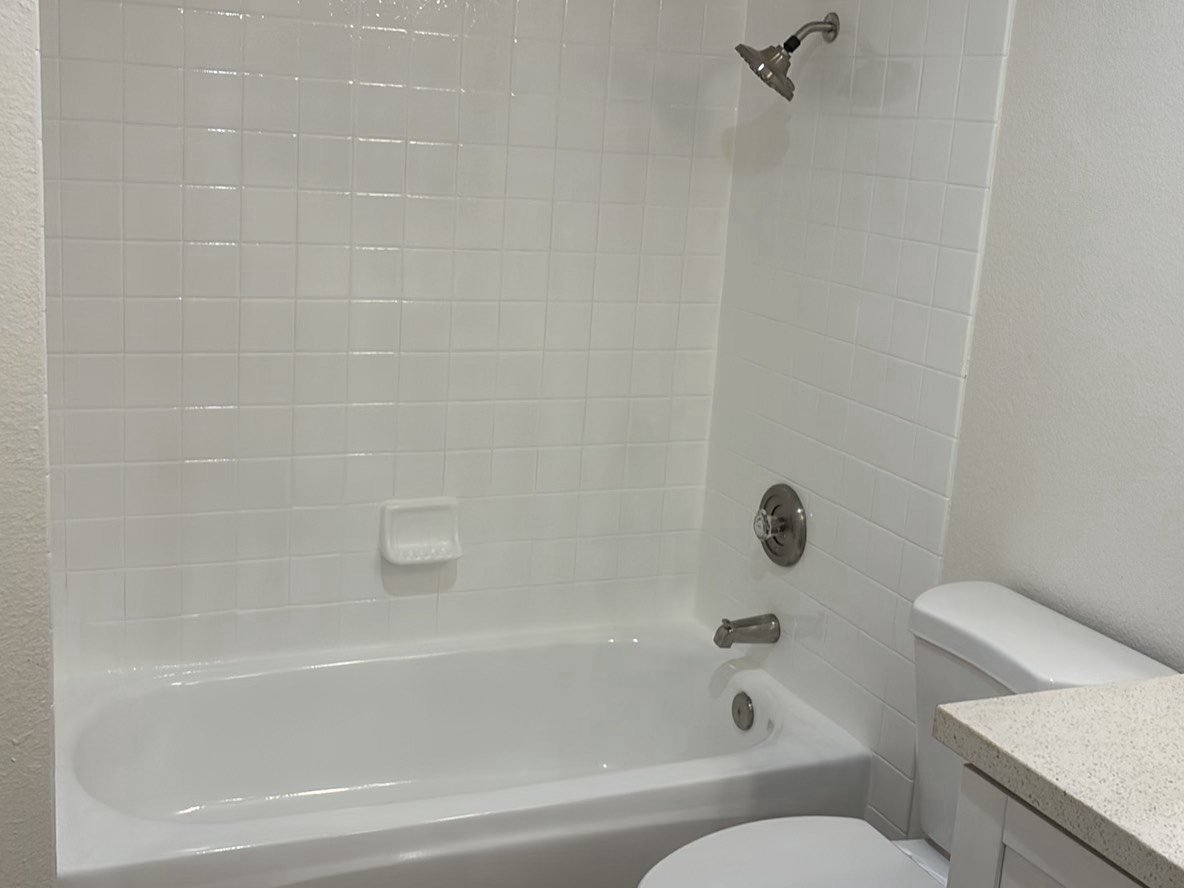
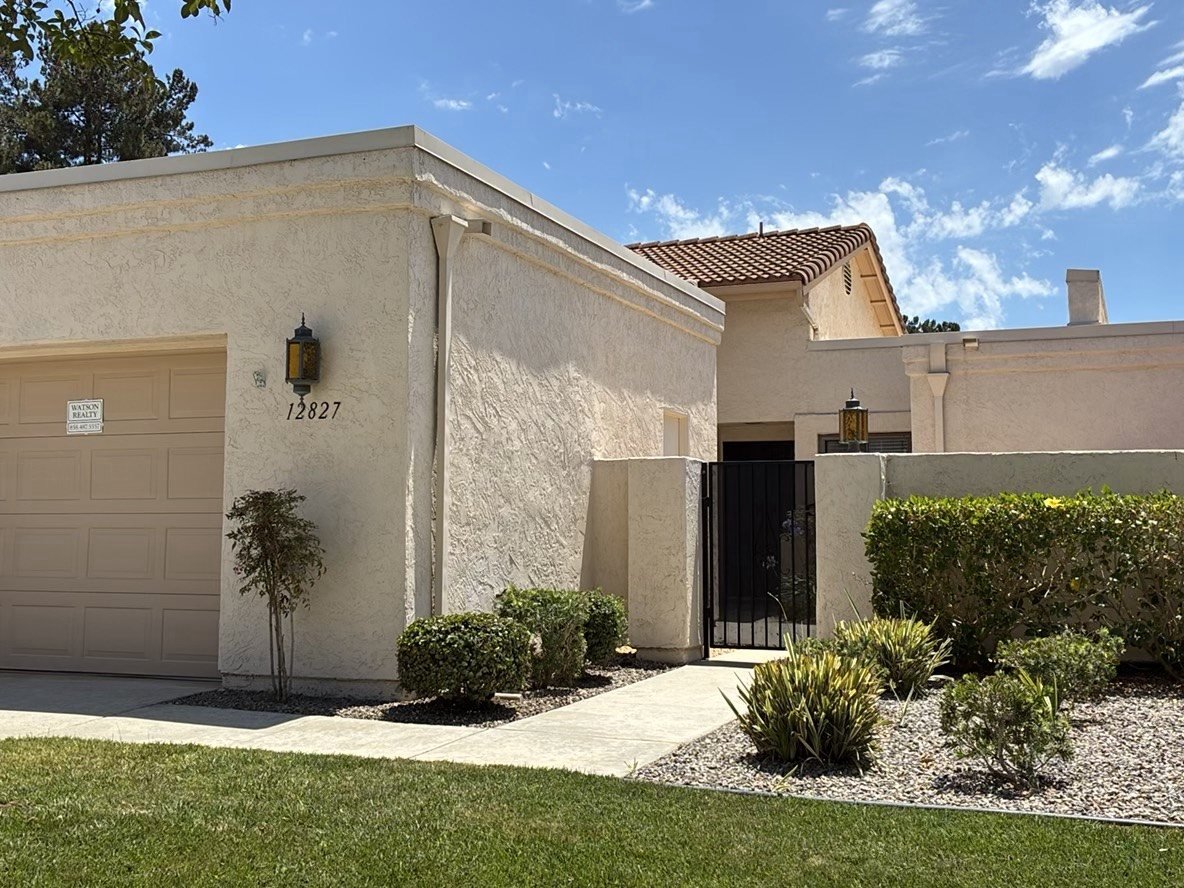
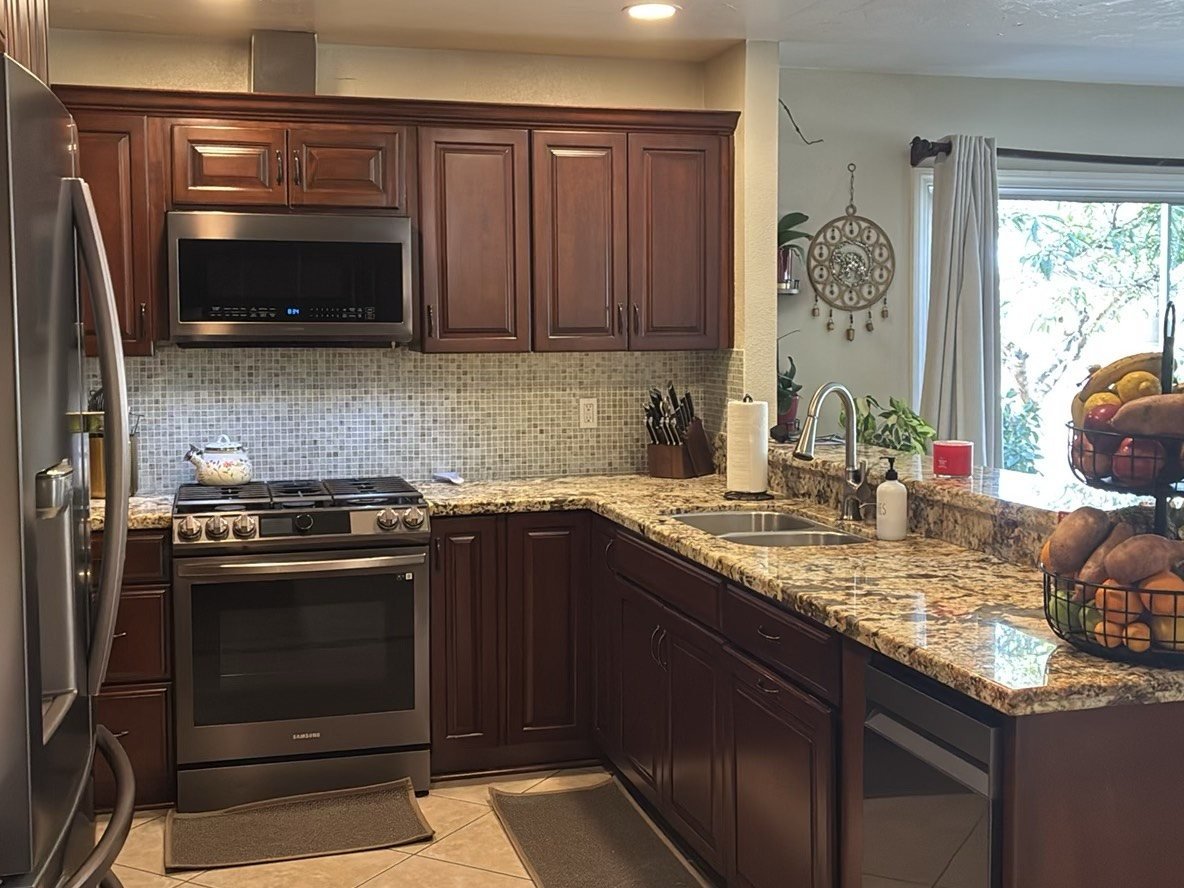
New-home documentation
Photos from 11-month builder warranty inspections of newer San Diego homes.
More inspections in Mission Valley
- 4-point inspection in Mission Valley
- Roof inspection in Mission Valley
- Thermal imaging in Mission Valley
- Foundation slab survey in Mission Valley
- Home inspection in Mission Valley
Nearby and countywide
Were You Happy With Your Inspection?
We are proud of our 4.9-star rating across 100+ Google reviews. If Joseph and the team did right by you, a quick Google review helps other San Diego County buyers and sellers find us.