
SB-721 Balcony Inspection in Mission Valley
Mission Valley is San Diego's most renter-dense neighborhood, and almost none of its housing sits on the ground. Garden apartments from the 1970s line Friars Road and Rancho Mission Road, condo conversions climb the valley's slopes, and new podium buildings keep rising at Civita and around Snapdragon Stadium. Wherever a property rents three or more units, California's SB-721 requires its balconies, elevated walkways, and exterior stairs to be examined by a qualified professional — and the first statutory deadline, January 1, 2026, has already passed. I'm Joseph Romeo, owner of The Real Estate Inspection Company, and I perform these inspections throughout the valley as an InterNACHI Certified Professional Inspector and licensed general contractor.
Call (619) 752-4399 Schedule an Inspection
Does Your Mission Valley Building Fall Under SB-721 or SB-326?
SB-721 targets load-bearing exterior elevated elements — balconies, decks, walkways, stair systems, and their railings — that are framed substantially in wood, project past the exterior wall, and stand higher than six feet over the surface below. Their waterproofing is part of the inspection, not an afterthought.
In Mission Valley, the threshold question is usually which statute governs. The valley is thick with condominium associations, and a common-interest development answers to SB-326 instead. SB-721 applies to apartment properties of three or more dwelling units under single ownership. Plenty of local buildings blur that line — 1970s apartment-to-condo conversions, or condo units bought in bulk by investors and operated as rentals. Ownership structure decides it, not the building's appearance. The statute also sets a sampling floor — no less than 15 percent of each element type — and the obligation repeats every six years after the initial deadline that AB 2579 moved to January 1, 2026.
How does a river floodplain affect elevated elements?
Mission Valley sits in the San Diego River's floodplain, and that geography shapes how its buildings age. The water table runs shallow, the marine layer pools on the valley floor overnight, and irrigated landscaping keeps the ground at garden-style complexes damp year-round. None of that touches a fourth-floor balcony directly, but stair posts bearing near grade, walkway columns rising from planters, and the lowest run of any exterior stair spend far more hours wet than their counterparts uphill.
The building stock splits into two generations with different problems. The 1970s wave — stucco-skinned, wood-framed, frequently cantilevered — hides its joists inside soffits where decades of slow leakage go unseen. The newer podium projects at Civita and along the trolley corridor use modern membranes and pedestal pavers, but depend on flawless flashing, where one bad scupper can soak a courtyard deck for years unnoticed.
What do I keep finding on Mission Valley decks and walkways?
The repeat offender in the garden complexes is a walking-deck coating at the end of its life: hairline alligatoring first, then bare plywood in the traffic lanes, then the spongy give underfoot that tells you the substrate is wet. Sliding-door thresholds are a close second — the pan flashing under a 1975 slider was rarely generous, and the framing beneath it pays the price.
Other patterns show up street after street: weep screeds buried behind patio concrete so stucco wicks moisture upward; guardrail posts that wiggle at the base because the lags found rot instead of solid blocking; scuppers clogged with jacaranda litter, ponding water against door pans; and steel stair stringers with corrosion blooming at every wood-tread connection. On conversion-era buildings I routinely find five coats of paint and zero coats of new waterproofing — cosmetically maintained, structurally ignored.
How does the inspection run and what does the report say?
It starts with a call or email and a few basics: unit count, a tally of balconies, walkways, and stair systems, and whether prior SB-721 reports exist. From there I can map the required sample and quote from our published fee schedule.
On site, each sampled element gets a close visual exam, moisture-meter readings at suspect locations, and probing where the surface allows. Where the evidence demands it, I use a borescope through existing vents or a small drilled opening — sealed afterward — to view concealed framing. Everything is photographed. Your HomeGauge report arrives the same or following business day and grades each element: performing as intended, needing repair within the statutory window, or posing an immediate threat. An emergency finding triggers prompt notification duties to the City of San Diego, and the element must be secured against use until corrected.
Why does a contractor's license matter on an SB-721 call?
An SB-721 grade is a judgment call with real consequences — repair money on one side, tenant safety on the other. I bring two credentials to that judgment: InterNACHI Certified Professional Inspector and a California general contractor's license, CSLB #1113143. Twenty-plus years and more than 10,000 completed inspections sit behind them. The contractor's background matters because the hard question is rarely whether there is damage; it is whether a cantilever still carries its load. Having framed and waterproofed these assemblies myself, I can separate ugly-but-sound from clean-but-failing.
I document condition; I don't design repairs or bid the work, so my grading carries no financial motive. When a finding needs engineered repair drawings, I say so plainly and steer you to the right licensed professional. Our 106 Google reviews, averaging 4.9 stars, reflect that straight-dealing approach.
What other work do I do for Mission Valley owners and buyers?
SB-721 visits often surface questions beyond the balconies. Owners of valley-floor buildings often add a sewer camera inspection — shallow groundwater and aging laterals invite root intrusion and infiltration. Buyers picking up a condo in one of the high-rises or a townhome in Civita book standard Mission Valley home inspections with us, and investors ordering an SB-721 report frequently add a full property inspection while I'm on site. Moisture and drainage evaluations are worthwhile after wet winters. If a transaction calls for a termite report or an engineer's structural certification, I coordinate the referral to the appropriate licensed specialist rather than dabble outside my scope. The full menu is on our services page, and scheduling runs through (619) 752-4399 or joe@sandiegohomeinspection.com.
Mission Valley SB-721 Balcony Inspection FAQs
Our Mission Valley building is a condo HOA — do we need SB-721 or SB-326?
The January 1, 2026 deadline already passed. What should we do now?
Mission Valley floods. Does that actually affect balconies above the ground?
How many elements get inspected at a large Friars Road complex?
What happens if you tag an element unsafe?
What does an SB-721 inspection cost in Mission Valley?
Properties we inspect
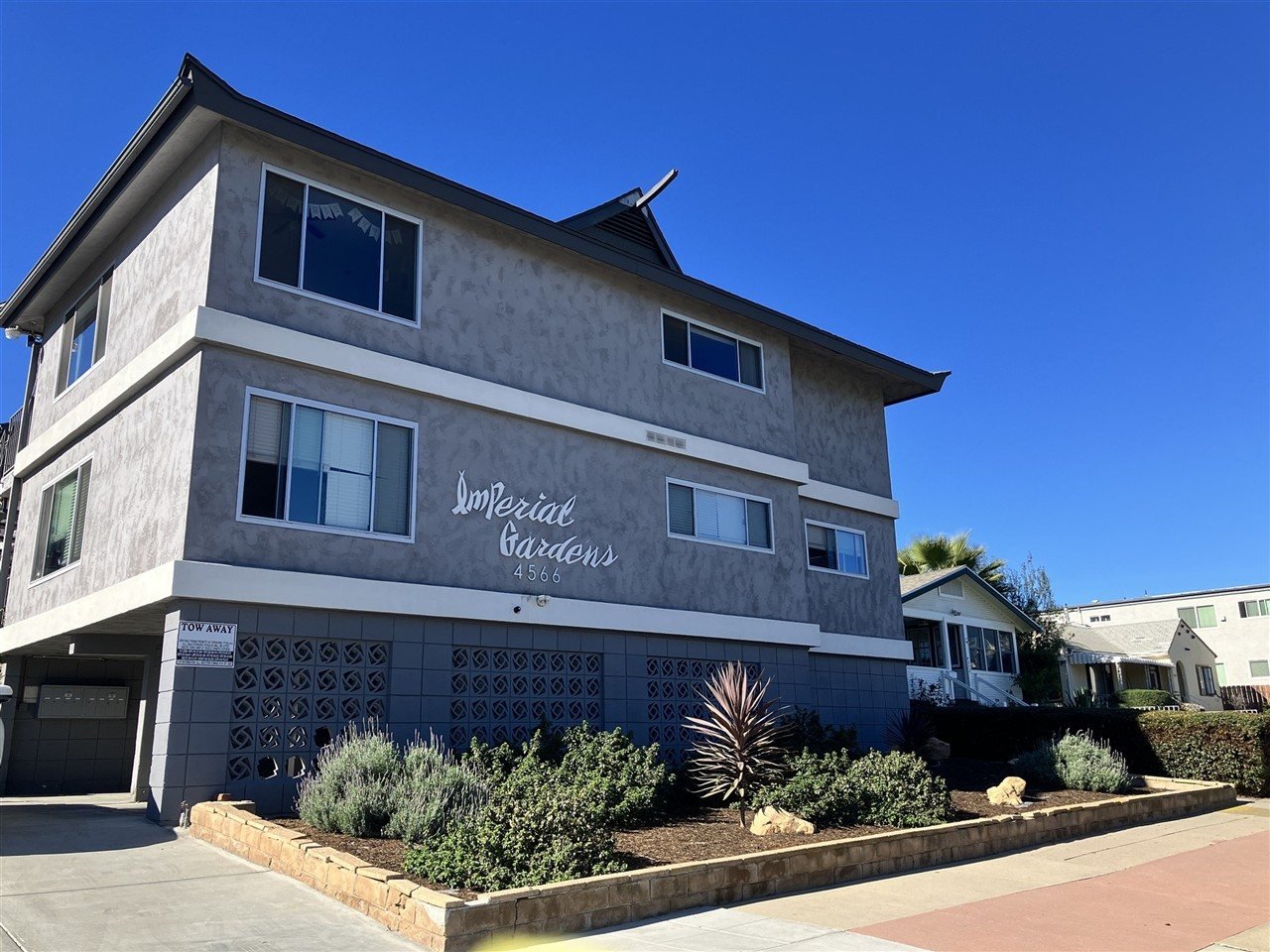
Multi-unit properties documented for SB 721 balcony compliance across San Diego County.
More inspections in Mission Valley
- Thermal imaging in Mission Valley
- Foundation slab survey in Mission Valley
- SB 326 balcony inspection in Mission Valley
- SB 721 exemption letter in Mission Valley
- Home inspection in Mission Valley
Nearby and countywide
Were You Happy With Your Inspection?
We are proud of our 4.9-star rating across 100+ Google reviews. If Joseph and the team did right by you, a quick Google review helps other San Diego County buyers and sellers find us.