
Pool & Spa Inspection in Mission Valley
Mission Valley is the one San Diego neighborhood where the question is rarely “how's the pool?” and almost always “whose pool is it?” The valley floor along the San Diego River built out as condo and townhome complexes through the 1970s and '80s — the long stucco rows off Friars Road, Camino de la Reina, and Rancho Mission Road — and the last decade stacked mid-rise apartments, Civita's row homes, and amenity decks over parking garages on top of old quarry and commercial land. A purchase here usually involves an association-owned pool, a private hot tub on a patio, or a podium pool sitting on structure instead of soil — with a river running beneath all of it.
What I provide is a visual evaluation of whatever vessel comes with the deal: shell and finish, deck and coping, the plumbing and equipment I can see and operate, electrical bonding and ground-fault protection, and the barriers and drain covers that keep the water from hurting anyone. Pressure-testing buried lines and analyzing chemistry belong to pool specialists, and I put that referral in writing whenever the evidence calls for it. Most buyers pair this with a complete Mission Valley home inspection in a single visit.
Call (619) 752-4399 Schedule an Inspection
What does a Mission Valley pool and spa inspection cover?
One trip around the water covers everything that holds it, moves it, heats it, or fences it off, and every line in the report reflects something I saw, touched, or operated that day:
- Shell and interior finish — the surface, whether plaster, exposed aggregate, or quartz, sounded for hollow patches and read for etching, staining, and crack patterns that suggest movement instead of ordinary wear
- Coping, deck, and waterline tile — lifted stones, separated expansion joints, trip edges, and tile gone loose along the waterline
- Visible circulation plumbing — skimmer mouths, return fittings, valves, and exposed runs at the pad; buried lines are never put under test pressure
- Pump, filter, and heater — cycled where power and controls permit, then judged on age, corrosion, and the quality of past repairs
- Electrical safety — the bonding grid where it surfaces at the equipment, ground-fault protection on motor and light circuits, and the disconnect serving a spa
- Barriers and gates — enclosure height, climbable features, and gates that close and latch on their own without help
- Suction outlets — drain covers compared against the federal Virginia Graeme Baker (VGB) anti-entrapment requirement, with cracked or pre-2008 covers flagged as safety items
Two things are deliberately absent from that list: pressurized leak detection and water chemistry. Both require specialist equipment, and when symptoms point either direction the report says exactly that and directs you to the right trade.
How does the valley floor affect a Mission Valley pool?
Mission Valley occupies the San Diego River's floodplain, and the river is not theoretical — it jumped its banks again in the January 2024 storms, and Fashion Valley Road still closes in a hard rain. That geography drives most of what makes inspecting a pool different here:
- A high water table under every in-ground shell. Groundwater this shallow pushes upward on an empty pool hard enough to float it out of the ground. I confirm a hydrostatic relief valve where one is visible, and I caution buyers in writing never to drain a valley-floor pool without a groundwater check first.
- Flood exposure at the equipment. Pads and pump rooms near grade along Camino de la Reina and Hotel Circle have been wet before. Silt lines on heater cabinets, rust climbing motor bases, and corroded contactors tell me a pad flooded even when nobody disclosed it.
- Podium pools on structure, not soil. Newer complexes set the vessel on a concrete deck above parking. The pool becomes part of the building, so I examine expansion joints and deck drainage up top, then go below and look for the efflorescence and dripping that mean the waterproofing membrane is losing the fight.
- Equipment in enclosed rooms. Garage-level pump rooms concentrate moisture and complicate gas-heater venting and combustion air, and chronic damp shortens the life of everything metal inside them.
- Two generations of amenity. The 1970s complexes still run spas and heaters several owners past their design life, while Civita and the newer mid-rises carry current equipment but young, unproven waterproofing details.
Which findings repeat across Mission Valley complexes and patios?
A working list from years of valley-floor reports — useful for setting expectations before you read your own:
- Patio hot tubs wired without a dedicated GFCI-protected circuit, occasionally running off an extension cord from the nearest receptacle
- Waterlogged spa covers heavy enough to count as both a child-safety failure and a structural strain on the cabinet
- Gate closers at shared enclosures adjusted into uselessness — the gate swings but no longer latches behind you
- Suction covers in 1970s-era spas that predate the federal anti-entrapment standard entirely
- Rust and silt evidence of past water over the pad, with the motor replaced but the corroded disconnect left in service
- Efflorescence trails and active drips on garage ceilings directly beneath podium pool decks
- Heaters in enclosed rooms with improvised venting or blocked combustion-air openings
- Settlement and joint separation where podium structure meets soil-supported flatwork at the deck's edge
Each finding lands in one of two buckets: safety items to correct before anyone swims, and condition items for negotiation or the maintenance budget. The report keeps those buckets separate so neither gets inflated.
How do booking, access, and the report work?
Reach me at (619) 752-4399 or joe@sandiegohomeinspection.com with the address and a line about what's there — private spa, in-ground pool, or association amenity. Access is the variable in Mission Valley: shared pool areas and garage equipment rooms usually sit behind HOA keys or fobs, so have your agent line that up when the appointment is set. The other requirement is power; gear that can't run can't be evaluated, and I'd rather solve that before the visit than write “could not test” after it.
On site I cycle the equipment, work every gate and latch by hand, sound the finish, check covers and bonding, and photograph each condition as I find it. Bring your questions and stand next to me — the equipment pad is the best classroom a new owner gets.
The HomeGauge report is in your inbox same-day or next-day, photos attached to every observation, safety issues grouped at the top, and the language plain enough to paste straight into a repair request. Where something needs a pressure test, a chemistry service, or an engineer, the report states the limit of a visual inspection and names the specialist who should pick it up.
Who inspects your pool, and what licenses back the opinion?
I'm Joseph Romeo, owner and the inspector who shows up. The report carries two credentials that rarely travel together: InterNACHI Certified Professional Inspector (CPI) and an active California general contractor license, CSLB #1113143. That second one is what lets me tell you whether a corroded heater or a failing podium joint is a service call or a project — I've spent a career around the trades that build and repair these systems.
- 20+ years inspecting across San Diego County, with over 10,000 inspections behind the judgment calls
- 4.9-star rating over 106 Google reviews, much of it repeat business from local agents
- No repair work, ever — I report condition and hold no financial stake in what the findings cost to fix
- Flat fees published on the fee schedule, so the price is known before you book
Where a finding crosses into another professional's territory — leak detection, water chemistry, structural or geotechnical questions — the report says so plainly and points you to the right license rather than stretching mine.
What else should you inspect when the property has water?
In Mission Valley the pool question usually arrives attached to a condo or townhome question, and several services share the visit efficiently:
- Full home inspection — the unit or row home itself, top to bottom; details on the Mission Valley home inspection page
- Moisture and thermal imaging — ground-floor units over a high water table benefit from a close look at slab-level moisture and the walls nearest the pool deck
- Electrical review — 1970s-vintage panels still serve plenty of Friars Road complexes, and the circuit feeding a patio spa deserves tracing back to its source
- HOA document prompts — my amenity observations turn into specific questions for the reserve study and minutes: when was the pool resurfaced, who maintains the membrane, what's actually funded
- Specialist coordination — leak detection, chemistry, and structural opinions arranged with licensed pros when the report calls for them
The full menu lives on the services page; if you'd rather just describe the property, use the contact page and I'll tell you which inspections are worth paying for on your specific purchase.
Mission Valley Pool & Spa Inspection FAQs
What does a pool and spa inspection cost in Mission Valley?
The complex pool belongs to the HOA. What can you actually inspect?
The pool sits on top of the parking garage. How do you inspect that?
Should the pool be drained so you can see the whole shell?
Can you tell me whether the pool is leaking underground?
Do you inspect a portable hot tub on a townhome patio?
Pools and equipment
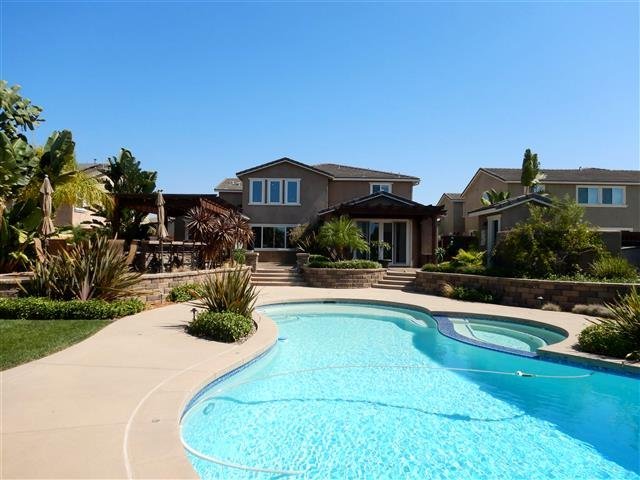
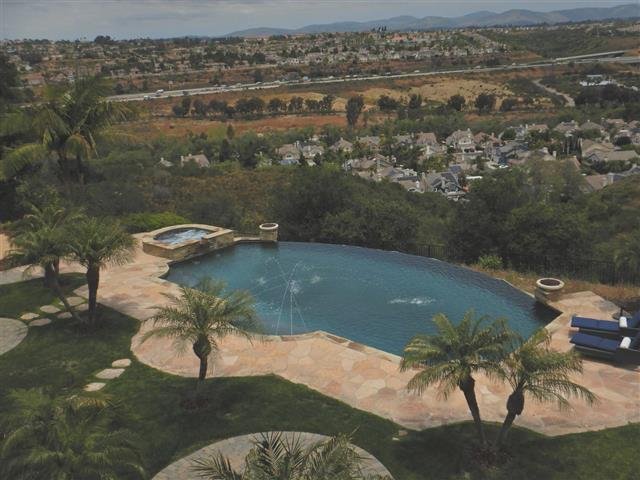
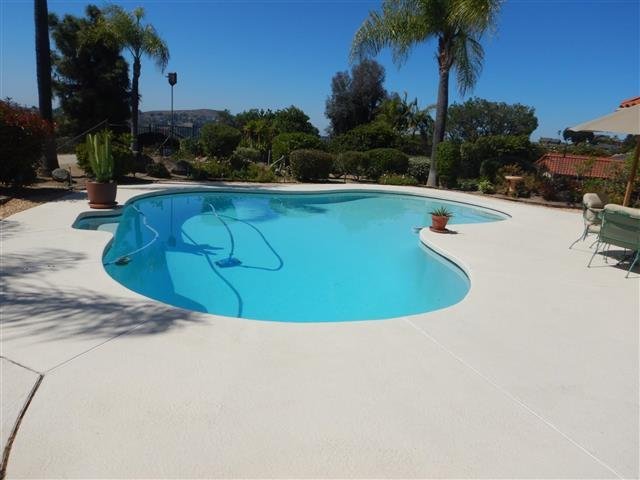
Pools, spas and equipment photographed during recent inspections.
More inspections in Mission Valley
- SB 721 exemption letter in Mission Valley
- Seller inspection in Mission Valley
- Warranty inspection in Mission Valley
- Commercial roof cleaning in Mission Valley
- Home inspection in Mission Valley
Nearby and countywide
Were You Happy With Your Inspection?
We are proud of our 4.9-star rating across 100+ Google reviews. If Joseph and the team did right by you, a quick Google review helps other San Diego County buyers and sellers find us.