
SB-326 Balcony Inspection in Mission Valley, CA
Mission Valley is the one San Diego neighborhood built almost entirely on a riverbed. Nearly all the housing along the San Diego River is attached and association-governed: 1970s garden condos along Friars Road and Rancho Mission Road, mid-rises off Camino de la Reina, conversions near Hotel Circle, and new blocks rising at Civita and around Snapdragon Stadium. That makes Civil Code section 5551 — SB-326 — the rule rather than the exception: every condominium and common-interest development must have its exterior elevated elements inspected on a nine-year cycle, and the opening deadline passed January 1, 2025.
Owner and lead inspector Joseph Romeo performs these inspections valley-wide: a random draw of wood-framed balconies, stairways, landings, and walkways, assessed with their waterproofing for the board's reserve study. We document condition; repairs belong to a licensed contractor.
Call (619) 752-4399 Schedule an Inspection
Which elevated elements does SB-326 put on a board's agenda?
The law targets structures holding people more than six feet above grade and supported substantially by wood. In Mission Valley's typical three-story stucco walk-up, that means private balconies, the breezeways and catwalks feeding upper units — often running above tuck-under parking — exterior stairs, and landings. On every sampled element we evaluate:
- Structural wood members — joists, ledgers, posts, beams, and the hardware tying them together.
- Waterproofing — coatings, membranes, flashings, and sealant joints.
- The wall interface — the stucco seam, the classic entry point for hidden water.
- Railings — tested for secure anchorage, not just appearance.
- Slope and drying — whether water leaves the assembly or sits on it.
Assessment begins visually and escalates — probing, sounding, moisture readings — wherever stains or coating failures suggest trouble underneath. SB-326 calls for a random sample sized to be statistically meaningful per element type, so the report speaks for the whole property.
How does the valley floor affect balcony framing?
Most of San Diego sits on mesas that drain and dry. Mission Valley sits in the drainage. That geography shows up in the elevated structures:
- High water table and floodplain ground. The valley floor stays moist year-round, and heavy storms — January 2024 the recent reminder — push the river over Fashion Valley Road. Ground humidity migrates upward, keeping lower-floor framing damp.
- Cool, wet air pooling at night. Valleys trap the marine layer; shaded walkways and stair towers stay wet until midday — the slow soak that rots ledgers from inside.
- The 1970s condo boom. A huge share of valley associations were built, or converted from apartments, in a single decade, with waterproofing details now fifty years into service.
- Resort-style landscaping. Sprinklers wet post bases and splash zones that never fully dry.
- New construction on a six-year clock. Civita and stadium-district buildings permitted after January 1, 2020 owe a first inspection within six years of occupancy — a deadline young boards routinely miss.
What do we log again and again along the river corridor?
Sample enough valley complexes and the same defect list assembles itself:
- Decayed ledger and joist ends at the stucco line, where a flashing joint quietly fed decades of valley damp into the connection carrying the balcony's load.
- Walkway coatings worn through at traffic paths — elevated breezeways take far more footfall than private decks, and the membrane fails there first.
- Corroded hangers and lag screws, thinned by humid river-bottom air until their rated capacity is gone.
- Recoat-over-recoat membranes that read as freshly maintained while the plywood beneath has been wet for years.
- Railing posts moving at their anchors on busy stair towers.
- Flat landings with blocked scuppers, ponding every storm against the framing.
Every observation is graded with cosmetics kept separate from structural and safety items; immediate occupant threats are flagged for prompt action, as the statute requires.
How does sampling work and what report does your board get?
We start from the association's records — site plan, element counts by type, prior inspection or repair history — calculate the required sample, draw it randomly with no cherry-picking, and send management an access list so private balconies open in a single visit. On site, Joseph Romeo works the drawn elements one at a time: probing framing at the wall connection, sounding coatings, checking rail anchorage by hand, tracing flashings, and taking moisture readings where dampness is suspect.
Findings arrive through HomeGauge, same day or next day: photographs of each sampled element, a condition determination, waterproofing status, estimated remaining useful life for the reserve study, and immediate-hazard flags called out plainly — built to be adopted at a board meeting and filed toward the nine-year record. Two boundaries hold firm: we don't design, bid, or perform the repairs we identify, and we don't issue engineering certifications. Corrective work is licensed-contractor territory; wood-destroying-organism evidence is referred to a licensed pest specialist.
Who inspects your association's balconies?
Mission Valley inspections are performed personally by Joseph Romeo, an InterNACHI Certified Professional Inspector who also holds California General Contractor license CSLB #1113143. That license matters: he has framed, flashed, and waterproofed these assemblies himself, and can tell a board not just that a connection is failing but what the fix will involve.
- More than 20 years and 10,000+ inspections throughout San Diego County.
- 4.9 stars across 106 Google reviews.
- Independent by design — we never bid on or perform work we have flagged.
To be precise: InterNACHI CPI plus a CSLB contractor license — not ASHI or CREIA membership. Fees follow the element count and required sample size; the fee schedule explains the structure. Call Joe at (619) 752-4399 or write joe@sandiegohomeinspection.com.
What related inspections do Mission Valley associations need?
A valley-floor association usually has other systems aging on the same schedule:
- SB-721 inspections — the apartment-side counterpart for rental buildings around Hotel Circle and the river corridor; mixed portfolios often run in one mobilization.
- Sewer camera evaluation — cast-iron drains under 1970s buildings in a high water table see infiltration, scale, and roots early.
- Thermal imaging — finds concealed moisture behind stucco and deck surfaces without demolition, useful on the valley's shaded, slow-drying elevations.
- Condo buyer inspections — when individual units trade hands, the Mission Valley home inspection hub covers the full local lineup.
- Specialist referrals — for repair engineering, membrane replacement, or termite/WDO reports, we coordinate the right licensed professional rather than stretch past our scope.
Boards with several valley properties can schedule their SB-326 work together under one uniform reporting format.
Mission Valley SB-326 Balcony Inspection FAQs
Is our Mission Valley condo association actually subject to SB-326?
Our Civita building is only a few years old. When is the first inspection due?
Our balconies are well above the river. Does the floodplain really matter?
Do you inspect every elevated element in the complex?
What happens if the inspection finds something dangerous?
How is the fee for a Mission Valley association determined?
HOA properties we inspect
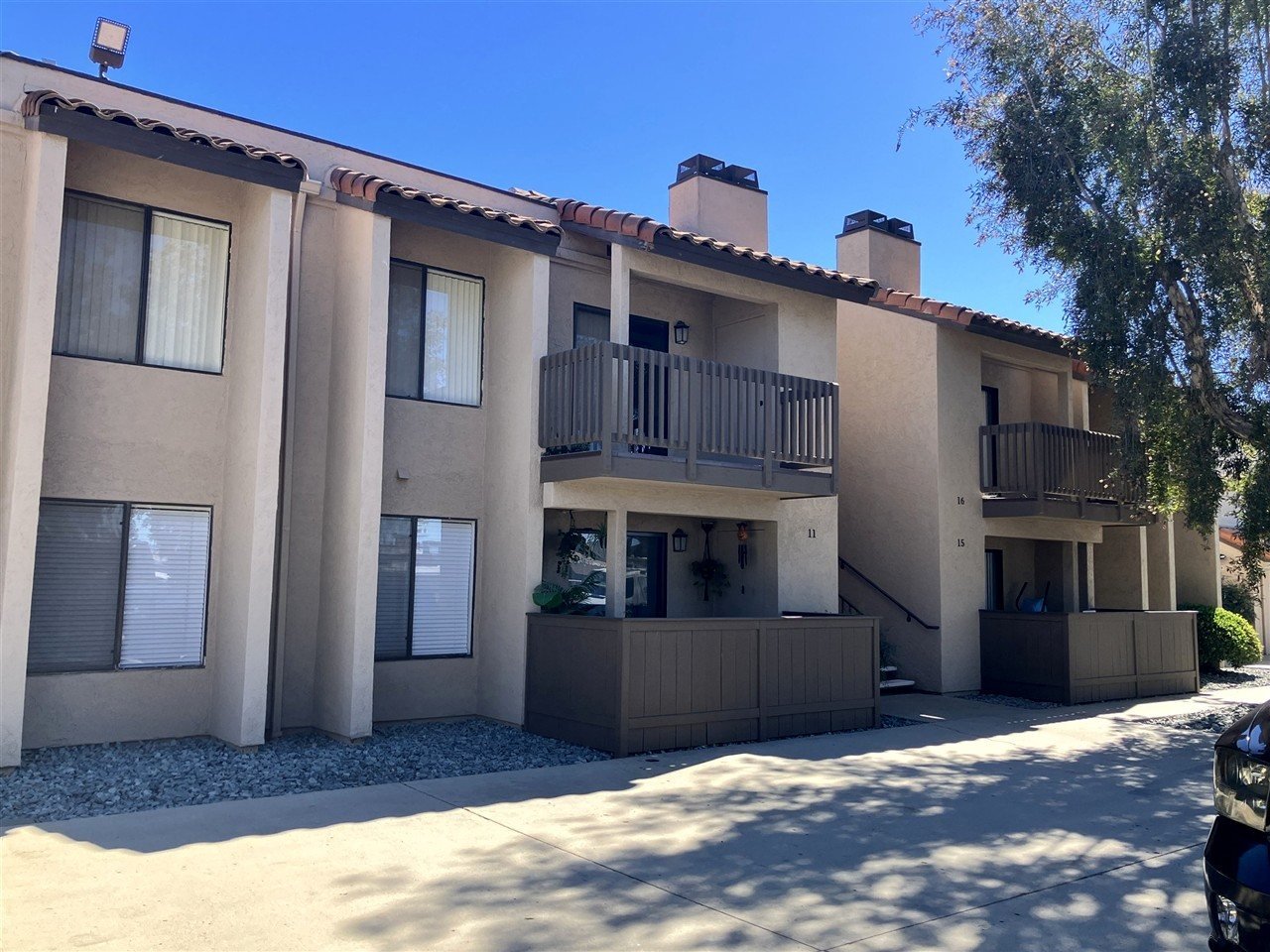
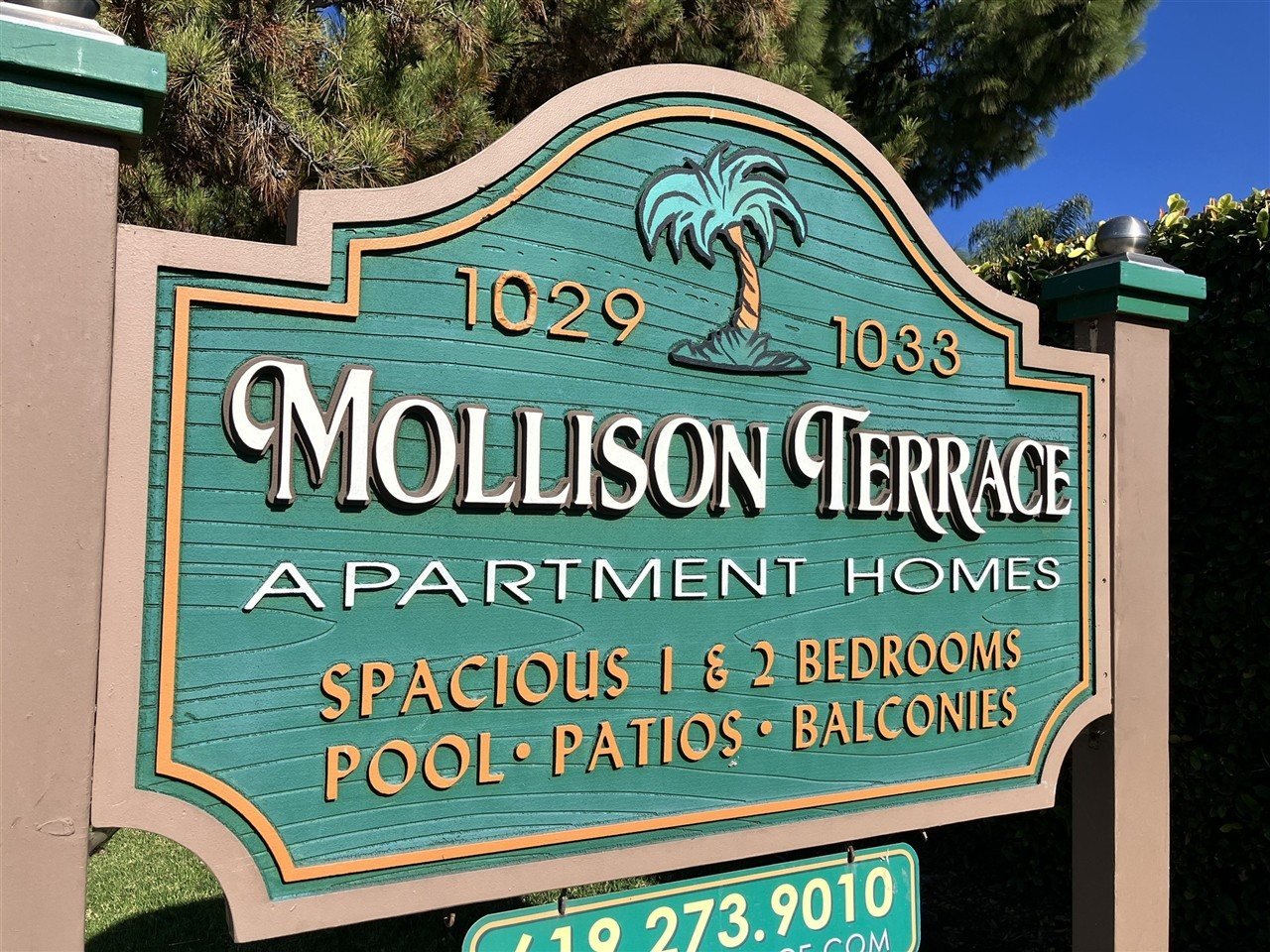
Condominium properties documented for SB 326 balcony compliance across San Diego County.
More inspections in Mission Valley
- Pool and spa inspection in Mission Valley
- Sewer scope inspection in Mission Valley
- 4-point inspection in Mission Valley
- Roof inspection in Mission Valley
- Home inspection in Mission Valley
Nearby and countywide
Were You Happy With Your Inspection?
We are proud of our 4.9-star rating across 100+ Google reviews. If Joseph and the team did right by you, a quick Google review helps other San Diego County buyers and sellers find us.