
Commercial Property Inspection in North Park
Stand under the North Park sign at University Avenue and 30th Street and the district's commercial history is visible in one block: 1920s brick and stucco storefronts, a restored 1929 theater, breweries occupying former garages, and new mixed-use buildings rising between them. I'm Joseph Romeo, owner of The Real Estate Inspection Company, and evaluating that mix for the buyers, investors, landlords, and tenants betting on it is a steady part of my week. If a North Park commercial deal is on your desk, call (619) 752-4399 and we'll talk scope.
Call (619) 752-4399 Schedule an Inspection
What does a North Park commercial property inspection cover?
What I deliver is a visual property condition assessment patterned on ASTM E2018, adapted to the building in front of me: a retail bay on University Avenue, apartments over shops, a brewery build-out off 30th Street, a bungalow court held as income property, or an office or warehouse along El Cajon Boulevard. The walkthrough covers:
- Roofing — low-slope membranes behind parapets: built-up roofing, modified bitumen, and TPO, plus scuppers, drains, and the flashing details that fail first.
- HVAC — rooftop package units and split systems added suite by suite, logged by age and serviceability.
- Electrical — service capacity and phase (three-phase where kitchens and brewhouses run), panel and breaker condition, and the legibility of decades of tenant-improvement wiring.
- Plumbing — supply piping material, functional flow, water heater age and strapping, and visible drain, waste, and vent lines.
- Fire and life-safety — extinguishers, alarm components, exit routes, and sprinkler heads where visible, documented as observations.
- Site and accessibility — parking, walkways, entry thresholds, and restroom geometry, reviewed visually for path-of-travel exposure.
- Envelope and structure — foundations, framing, masonry, stucco, and storefront glazing as accessible without opening anything up.
A Phase I ESA, termite report, or engineer's stamped letter each requires its own licensed professional; I coordinate those referrals rather than blur the line.
What does a century of North Park commerce leave behind?
North Park grew up as a streetcar suburb: the trolley ran out University Avenue and down 30th Street, and commercial blocks followed the tracks between 1912 and 1930, with craftsman and Spanish revival housing filling in around them. Much of the original material remains in service: knob-and-tube circuits behind later subpanels, galvanized steel supply, and cast-iron and clay drains that have spent a century under slab and street.
Layered on top is San Diego's most aggressive adaptive-reuse market. The 30th Street corridor holds one of the country's densest brewery concentrations, mostly poured into buildings that began life as garages, markets, or light industry. Glycol chillers, boilers, walk-ins, and hoods demand electrical and ventilation capacity those structures never had, and upgrade quality varies with whoever pulled — or didn't pull — the permits.
Podium-style mixed-use projects now stand shoulder to shoulder with 1920s storefronts, so due diligence here can swing from an unbraced parapet on one parcel to a five-year-old TPO roof and packaged rooftop units on the next.
Which findings recur along University, 30th, and El Cajon Boulevard?
The conditions I write up most often in North Park:
- Energized knob-and-tube branches feeding storefront lighting and upstairs flats, spliced into modern panels several remodels ago.
- Galvanized supply piping past its service life, showing as weak flow at rear restrooms and second-floor units.
- Cast-iron and clay waste lines with scaling, bellies, or root entry, with a camera scope recommended before contingencies run out.
- Membranes recovered two or three times without tear-off, trapping moisture that surfaces as staining on retail ceilings below.
- Stacked meters drawing from a single tired service lateral, with capacity that won't carry the next food-and-beverage tenant.
- Raised thresholds, narrow restrooms, and parking layouts far from current accessibility geometry, noted visually with a CASp referral when the deal calls for one.
- Unbraced parapets and questionable anchorage on older masonry blocks, flagged for structural follow-up.
How do booking, the site visit, and your report work?
One call to (619) 752-4399 or a note to joe@sandiegohomeinspection.com gets the job scoped: address, square footage, number of suites or units, and whether the building is occupied. The fee schedule explains how pricing scales with size and complexity. For occupied properties I coordinate tenant notice with management so every space opens on inspection day; on the dense blocks around 30th and University, that includes planning around delivery windows and street parking.
The inspection moves from roof to mechanical systems to suites to exterior and site, photographing every noted condition. Walk it with me — questions get answered faster at the main panel than over email. Your HomeGauge report lands within one business day — often the same day — with safety issues separated from maintenance items and specialist referrals flagged early enough to use in negotiation. I report what I observe; I don't bid repairs or perform them, so nothing in the document is selling you work.
Which licenses stand behind a North Park commercial report?
Two credentials sit on every report I sign: InterNACHI Certified Professional Inspector and California General Contractor license #1113143 through the CSLB. The inspector certification brings standards and discipline; the contractor's license brings twenty-plus years of understanding how buildings go together and come apart — useful when the question is whether a 1925 storefront can carry a tenant's plans. More than 10,000 San Diego County inspections stand behind that judgment, along with a 4.9-star rating across 106 Google reviews.
Equally important is what I don't do. Termite and wood-destroying-organism reports, Phase I environmental assessments, plumbing pressure testing, and structural engineering certifications each belong to a separately licensed specialist. When your transaction needs one, I say so, hand you a trusted referral, and keep your timeline intact.
What related inspection work do North Park properties need?
The residential side of the neighborhood — its craftsman bungalows and Spanish revival cottages — runs through the North Park home inspection page. Commercial and residential overlap constantly here: a duplex behind a storefront, a fourplex on a Ray Street corner, a bungalow court trading as a rental portfolio. Scoping depends on financing and what the buyer needs documented. Tenants negotiating long University Avenue leases book pre-lease condition assessments, and longtime owners order baseline reviews to plan capital work ahead of a sale. The services page lists the full lineup, and the contact form starts a scoping conversation.
North Park Commercial Property Inspection FAQs
Do you inspect mixed-use buildings with apartments over retail in North Park?
Can you assess a brewery or restaurant space on 30th Street?
Does the inspection address ADA and accessibility issues?
Should I scope the sewer line on an older North Park building?
Is a Phase I environmental site assessment part of your inspection?
How is a commercial inspection priced, and how fast is the report?
Multi-unit experience
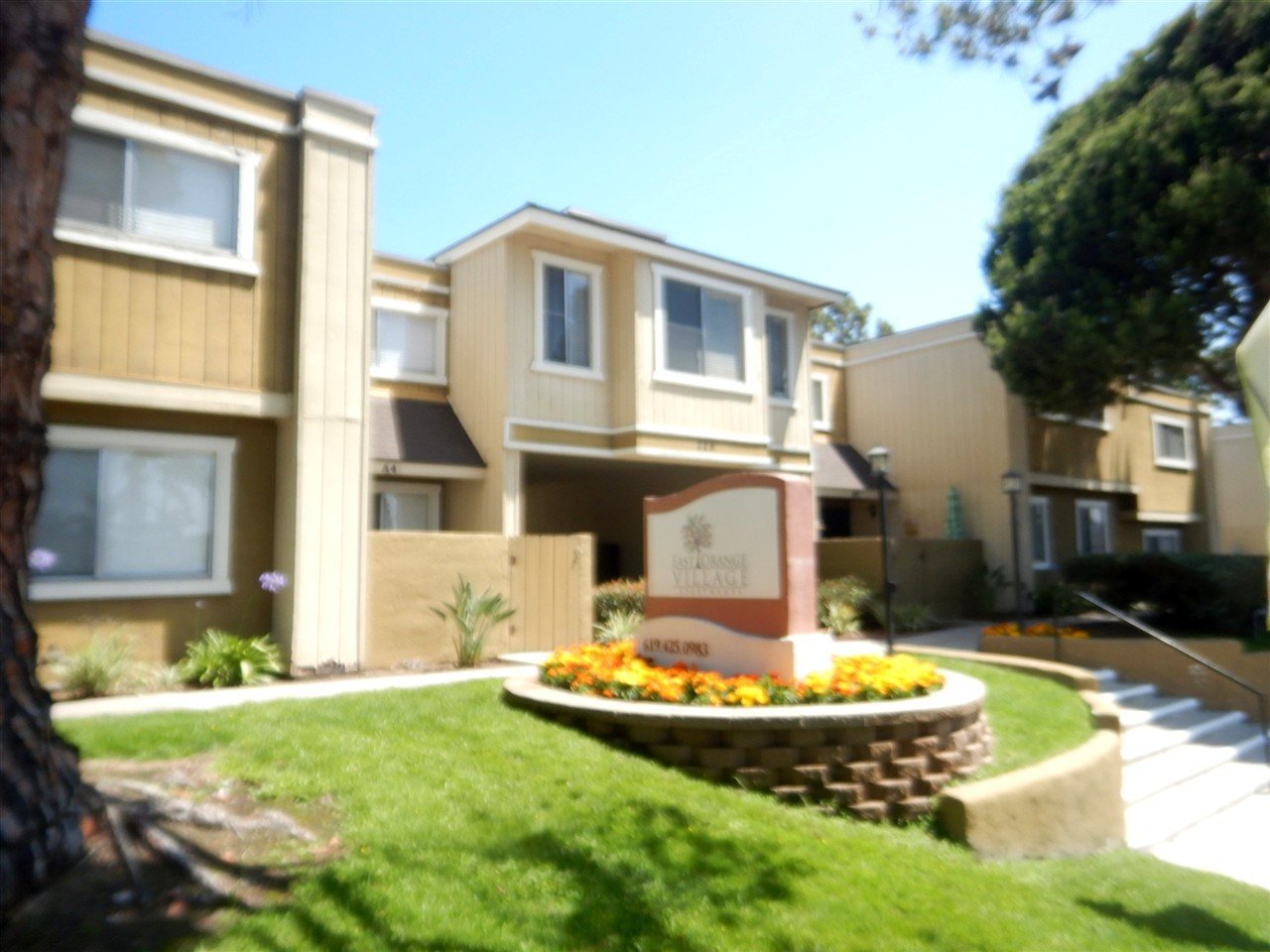
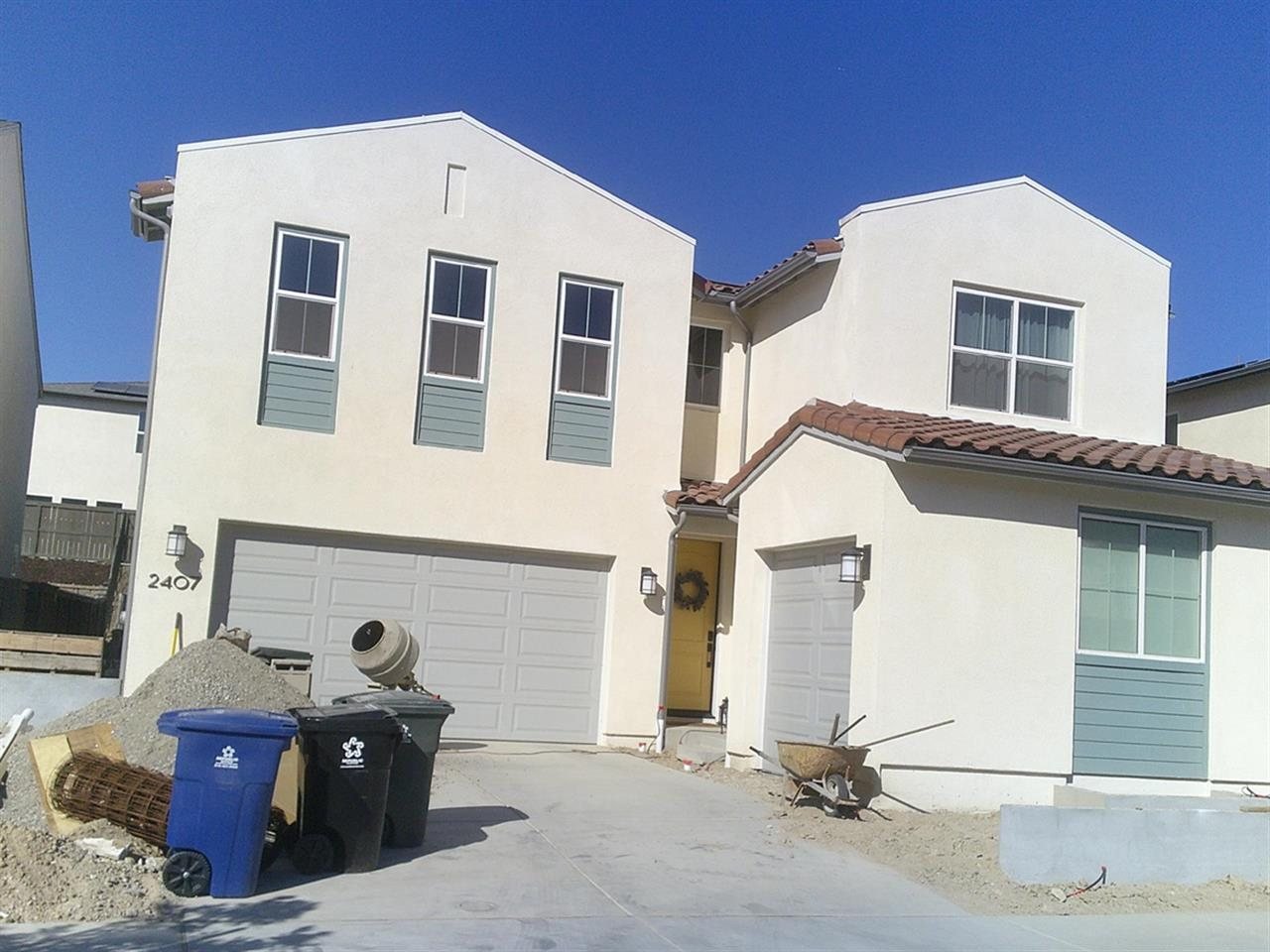
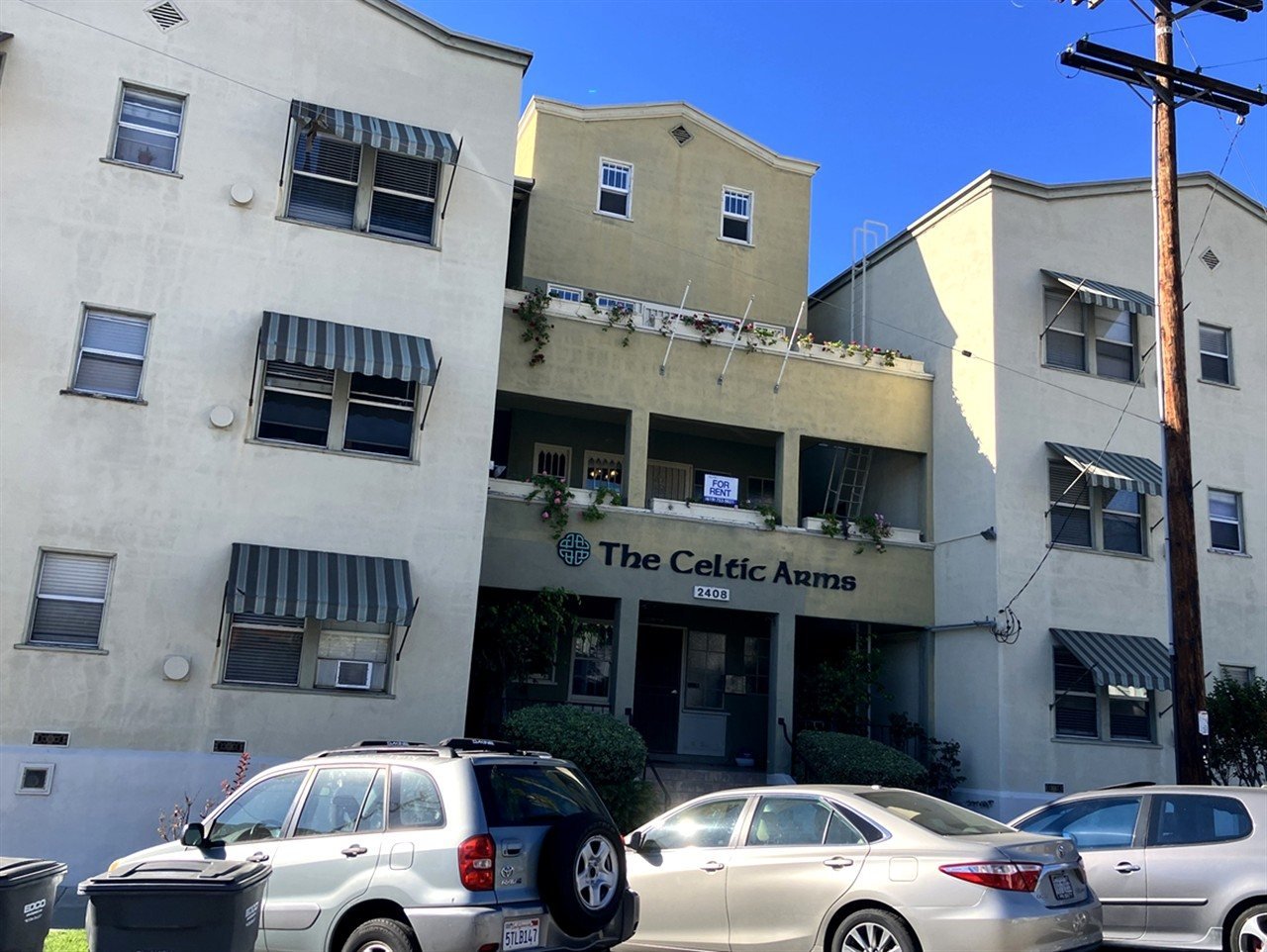
Commercial and multi-unit properties we have inspected across San Diego County.
More inspections in North Park
- Thermal imaging in North Park
- Foundation slab survey in North Park
- SB 721 balcony inspection in North Park
- SB 326 balcony inspection in North Park
- Home inspection in North Park
Nearby and countywide
Were You Happy With Your Inspection?
We are proud of our 4.9-star rating across 100+ Google reviews. If Joseph and the team did right by you, a quick Google review helps other San Diego County buyers and sellers find us.