
4-Point Inspection in North Park, San Diego
California insurance carriers have tightened underwriting on older homes, and few San Diego neighborhoods feel it more than North Park, where most of the housing stock predates 1940. If your carrier or a prospective insurer has requested a 4-point inspection on a craftsman bungalow off 30th Street or a Spanish revival near Morley Field, you need a focused, credible report on four systems: roof, electrical, plumbing, and HVAC. Joseph Romeo, an InterNACHI Certified Professional Inspector and CSLB-licensed general contractor (#1113143), has completed 10,000+ inspections across San Diego County in 20+ years, and North Park's pre-war blocks are familiar territory. Reports go out same or next day through HomeGauge, formatted the way underwriters expect.
Call (619) 752-4399 Schedule an Inspection
What does a 4-point inspection cover, and what doesn't it?
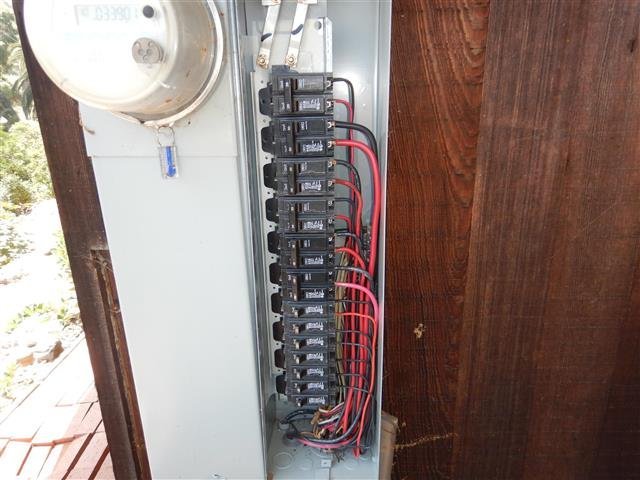
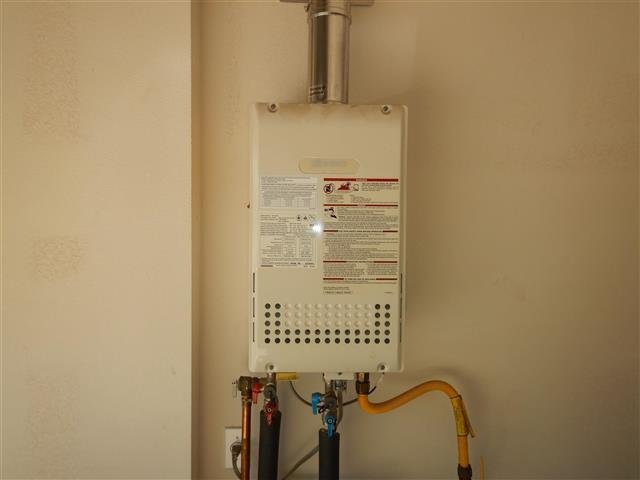
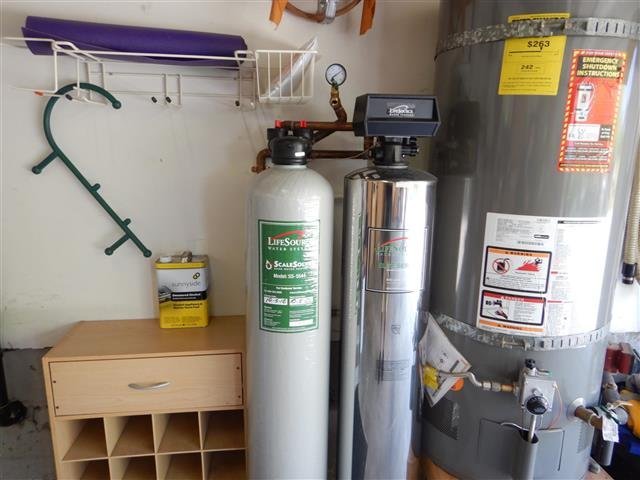
A 4-point inspection is a narrow, insurance-driven evaluation of the four systems that generate the most claims on aging houses. On the roof, we identify the covering material, estimate its age and remaining service life, and photograph deterioration, patching, or leakage evidence. On the electrical side, we record service amperage, panel manufacturer and model, and the branch wiring type — copper, aluminum, or original knob-and-tube. For plumbing, we document supply and drain piping materials, visible corrosion or repairs, and the water heater's age, capacity, and installation. For HVAC, we note the equipment type, approximate age, and whether it operates under normal controls.
What it is not: a full home inspection. A 4-point skips foundations, windows, insulation, appliances, and dozens of other items a buyer's inspection examines, because it exists to answer one underwriting question — are these four systems insurable as-is? Buyers should start with the complete North Park home inspection instead.
Why does North Park's 1910s-1930s housing draw insurer scrutiny?
North Park grew up as a streetcar suburb east of Balboa Park, which is why the blocks between University Avenue and Upas Street are wall-to-wall craftsman bungalows, with Spanish revival houses filling in through the late 1920s — the Dryden Historic District alone holds dozens built before 1930. That architecture is why people buy here, and exactly what makes carriers nervous.
Most insurers now flag homes older than 25 to 40 years for added documentation — a threshold that captures essentially the entire neighborhood. Layer on California's hardened insurance market, with non-renewals pushing owners toward the FAIR Plan and stricter rules on panel brands and wiring types, and underwriters increasingly want photographs, data plates, and condition statements before they'll write or renew. A 4-point report from a licensed general contractor gives them a defensible file and gives you leverage to stay with an admitted carrier.
What do we commonly find behind North Park's plaster walls?
After two decades inspecting this zip code, the patterns are predictable:
- Knob-and-tube remnants in attics and basements of 1910s–20s bungalows — sometimes abandoned, sometimes still energized and spliced into newer Romex.
- Undersized services and problem panels. Plenty of 60- and 100-amp services remain, and mid-century upgrades frequently installed Zinsco, Sylvania, or Federal Pacific equipment that many carriers now decline outright.
- Galvanized steel supply piping with interior corrosion that chokes water flow at the second fixture, often only partially repiped with copper.
- Cast-iron drains under raised foundations, scaling and channeling at the bottom of the pipe, invisible from above.
- Wall furnaces and floor heaters well past their design life, plus water heaters missing seismic strapping or proper venting.
- Layered roofing — composition shingle over original wood shake on steep sections, and low-slope porch roofs with ponding or improvised patching.
None of these findings automatically kills a policy. What matters is accurate documentation: a panel correctly identified by manufacturer is a fixable underwriting conversation, while a vague checkbox form invites a decline.
How does our process produce a report underwriters accept?
Joe opens the electrical panel and photographs the label, breakers, and wiring connections; pulls data plates from the water heater and HVAC equipment; walks or scopes the roof as access and safety allow; and checks visible supply and drain piping. In North Park's raised-foundation bungalows, the crawlspace usually tells the real story on plumbing and wiring, so we get under the house whenever access is safe.
You receive a photo-documented HomeGauge report the same or next day, organized by the four systems with ages, materials, and observed conditions stated plainly — a format carriers process without follow-up questions. We report what we observe; we don't bid or perform repairs, which is exactly the independence an underwriter wants behind the document. If a finding needs a second opinion, we'll point you toward the right licensed trade. Pricing details are on our fee schedule.
Why do North Park homeowners call Joseph Romeo?
Credentials matter more on a 4-point than almost any other inspection — the report's entire job is to be believed by an underwriting department. Joe holds the InterNACHI Certified Professional Inspector designation and an active CSLB general contractor license (#1113143) — he doesn't just identify a spliced knob-and-tube circuit, he understands how that construction goes together and what correcting it involves. That contractor's perspective keeps the report grounded: real conditions, stated specifically, without alarmism or gloss.
The track record backs it up — 20+ years, more than 10,000 inspections, and a 4.9-star rating across 106 Google reviews. Call (619) 752-4399 or email joe@sandiegohomeinspection.com — when an escrow deadline or non-renewal notice has you against the clock, same/next-day turnaround matters. Ready to book? Contact us with your address and your carrier's requirements.
Which related inspections do we perform in North Park?
A 4-point answers the insurance question, but North Park's older housing often calls for a wider look. If you're buying, the full home inspection in North Park covers structure, exterior, interior, insulation, and everything the 4-point deliberately skips. Sellers of pre-war bungalows use pre-listing inspections to surface galvanized piping or panel issues before a buyer's inspector does. Given the cast-iron and clay drains common under these homes, a sewer scope frequently pairs well with any purchase.
Two clarifications up front: we do not perform termite or wood-destroying organism inspections — when a lender or carrier requires one, we coordinate a licensed pest company on your timeline. And if a finding warrants an engineering opinion or a plumbing pressure test, we refer the appropriate licensed specialist rather than stretch our scope. Browse the complete lineup on our services page.
North Park 4-Point Inspection FAQs
Do I need a 4-point inspection to insure a North Park home?
Is a 4-point inspection the same as a full home inspection?
Will knob-and-tube wiring cause my policy to be declined?
How fast will I receive the 4-point report?
What does a 4-point inspection cost in North Park?
Can you check for termites during the 4-point visit?
Roof, electrical, plumbing and HVAC
Documentation from recent 4-point inspections across San Diego County.
More inspections in North Park
- Seller inspection in North Park
- Warranty inspection in North Park
- Commercial roof cleaning in North Park
- Commercial inspection in North Park
- Home inspection in North Park
Nearby and countywide
Were You Happy With Your Inspection?
We are proud of our 4.9-star rating across 100+ Google reviews. If Joseph and the team did right by you, a quick Google review helps other San Diego County buyers and sellers find us.