
SB-721 Balcony Inspection in Nestor, CA
Nestor sits in the south end of San Diego on the flat coastal plain just inland of Imperial Beach, where the Tijuana River valley runs along the western edge of the neighborhood. The housing here leans heavily toward 1950s through 1970s tract construction, and the rental stock among it — garden apartment courts, small two-story walk-ups, stacked flats off Coronado Avenue and Saturn Boulevard — is exactly what California's SB-721 statute was written for. The law applies to any apartment or multifamily building with three or more dwelling units that carries wood-framed exterior elevated elements standing more than six feet above grade.
Those elements — the code groups them as EEE, exterior elevated elements — mean balconies, raised decks, the open outdoor staircases serving upper units, landings, and connecting walkways, along with the waterproofing that keeps weather off the structure under them. The first inspection came due January 1, 2026 after AB 2579 reset the original date, and it repeats on a six-year cadence. We perform the inspection — visual throughout, with limited intrusive probing where hidden damage is indicated — and grade every element safe or unsafe with photographs for the owner and the City of San Diego. The work stops at the report: repair design and any structural certification go to a licensed engineer or contractor.
Call (619) 752-4399 Schedule an Inspection
What does an SB-721 inspection cover on a Nestor apartment?
SB-721 draws a tight boundary. It reaches the load-carrying parts of a multifamily building that project past the wall and rise six feet or more on wood framing, plus every system designed to shed water away from that framing. On a Nestor rental property, the walk-through and photo log capture:
- Balconies and raised decks — the joists, the ledger fastened back into the wall, support posts, and the coating or membrane surfacing each one.
- Open exterior staircases — the wood stair runs feeding second-floor units on the older walk-ups, the stringer-to-building tie, and the footing each run lands on.
- Landings and walkways — the platforms at apartment doors and the open-air courtyard paths that link a row of units across a garden complex.
- Guardrails and handrails — checked for solid anchorage and resistance to a lateral push, since the rail is the last thing standing between an occupant and a fall.
- Waterproofing — flashing, deck coatings, joint sealant, and drainage paths, evaluated as one system with the structure beneath.
The statute lets a qualified inspector assess a representative portion of each element type so the findings stand in for the whole building. The deliverable sorts every inspected element by condition, ties each to a photo, and states plainly whether anything is an immediate danger to the people relying on it.
How do the river valley and Nestor's age damage decks?
Nestor's setting and its building era combine into a risk pattern that shapes where we spend the most time on each property:
- Half-century-old tract framing. Most of the multifamily here dates to the 50s, 60s, and 70s. The balconies and exterior stairs on those buildings have weathered decades of recoating and patching, and the wood under the surface has aged well past its original condition — often before modern flashing and deck-coating details were standard practice.
- Valley-edge moisture. The Tijuana River valley along the western boundary holds damp, heavy air and keeps the ground wet on the low side of the neighborhood. That lingering moisture feeds rot behind a breached coating that would dry out fast on higher, drier ground.
- Flat coastal plain, marginal drainage. Nestor is built low and level, so landings and walkways that were never sloped quite right pond water and hold it against the framing long after a storm clears.
- Slab-on-grade bases. The tract apartments sit on slab, putting stair footings and post bases in direct contact with the ground, where trapped moisture corrodes hardware and rots the lowest wood from the bottom up.
- Coastal salt carried inland. Nestor sits close enough to the ocean and the IB shoreline that salt air still reaches the metal connectors, thinning joist hangers and rail anchors years before the lumber around them shows any wear.
The lesson from all of it: the defects that matter most on a Nestor balcony tend to hide. A deck that reads fine from the courtyard can be carrying a corroded ledger or soft framing right behind the stucco.
What do we routinely find on Nestor decks and stairs?
Working this part of south San Diego over the years, the same conditions surface on the elevated elements again and again. Most are repairable, but each belongs in the file so the owner and the City see the building's true state:
- Spent deck coatings — membranes cracked, chalked, or worn through so they no longer keep water off the wood below, especially along the deck-to-wall seam.
- Ledger and flashing failures — missing, reversed, or corroded flashing where a balcony or stair meets the building, the most reliable path for water into the framing.
- Soft and rotted wood — found by probing balcony edges, stair stringers, and landing corners wherever a coating has already failed.
- Corroded connectors — joist hangers, bolts, and post bases rusting on the older tract walk-ups where the original galvanized hardware has aged out.
- Loose guardrails — rails that give at the base because the post anchorage or the wood behind it has weakened, an immediate life-safety flag.
- Ponding water — flat landings and walkways that pool and hold moisture against the surface, a recurring issue on this low, level ground.
Each item is photographed and written in plain language, with every element marked safe or unsafe in the terms the building authority expects.
How does the inspection run and what lands in your report?
We start with a building review — unit count, the number and type of elevated elements, and any prior inspection or repair records — which sets the representative sample SB-721 calls for and lets us schedule around tenant access. On site, Joseph Romeo takes each balcony, deck, stair, landing, and walkway in turn: examining the wall tie-in and reachable framing, judging the waterproofing, guardrails, and drainage, and sounding coatings wherever soft spots or staining suggest decay underneath.
When the visual evidence points to concealed damage — a stain on the ceiling below a deck, a spongy landing, a coating failed over a ledger — we use the limited intrusive inspection the law allows, opening one small, repairable spot to confirm what's inside rather than guess. On Nestor's valley-edge, slab-on-grade stock that step earns its keep, because the moisture damage does its work out of sight. Your report grades every inspected element, names anything posing an immediate safety threat, and carries the photo record the City of San Diego expects — delivered through HomeGauge the same day or the next.
One boundary we hold firmly: we inspect and report observed condition only. We don't draw repairs, perform repairs, or issue engineering or structural certifications on a building we've inspected. When a finding needs repair plans or a structural opinion, we say so and coordinate or refer the right licensed engineer or contractor — which is what keeps the SB-721 report independent. If wood-destroying organisms come into it, we bring in a licensed termite/WDO specialist rather than reach past our scope.
Why do Nestor owners and managers choose Joseph Romeo?
SB-721 names which inspector types qualify, but the report only earns its weight if the person behind it can read a structure. Your inspection is led by Joseph Romeo, an InterNACHI Certified Professional Inspector (CPI) who also carries a California CSLB General Contractor license (#1113143). That builder's background fits EEE work exactly — he sees how a balcony was framed, how a ledger was bolted, and what a salt-thinned connector means for the load above, instead of stopping at surface wear.
- 20-plus years and more than 10,000 inspections across San Diego County, including the South Bay's aging tract stock.
- 4.9 stars across 106 Google reviews from owners, property managers, and agents.
- Reports built to meet the SB-721 content and record-keeping the City and your files require.
- Clear condition calls — safe, needs attention, or immediate hazard — each anchored to a photo.
For the record: we hold the InterNACHI CPI and CSLB credentials; we are not ASHI or CREIA members, and we don't post flat rates, since the fee tracks building size and element count. Findings come back fast and in plain English, so you, your engineer, and the City can act on them without a translator. Reach Joseph directly at (619) 752-4399 or joe@sandiegohomeinspection.com.
Which inspections pair with a Nestor SB-721 review?
An SB-721 inspection answers one legal duty tied to your elevated elements, but a low-lying, older Nestor building usually rewards a wider look on the same trip:
- SB-326 balcony inspection — the matching EEE law for condominium and HOA common-interest developments, which runs on its own rules apart from SB-721's apartment standard. If your property is association-owned rather than straight rentals, that's the statute you answer to.
- Infrared moisture imaging — finds concealed moisture behind a deck surface or wall without opening it, a real help given the valley-edge humidity that keeps Nestor framing damp.
- Roof inspection — a focused look at worn coverings and flashing overhead, often aging on the same clock as the balconies beneath them.
- Full multifamily inspection — a complete read on accessible systems when you're buying or repositioning a Nestor apartment property.
- Sewer scope — a camera run down the laterals, a sensible move on the older tract complexes and slab-level lines common here.
If you run more than one Nestor building, we can batch the SB-721 inspections and keep the reporting consistent across the group, so your six-year cycle stays tracked in one place. Send the address and unit count and we'll confirm whether a straight SB-721 inspection covers it.
Nestor SB-721 Balcony Inspection FAQs
Does my Nestor building need an SB-721 inspection?
When is the SB-721 deadline, and how often does it repeat?
How does the Tijuana River valley affect the inspection?
Will you have to cut into my balconies?
What happens if you find an unsafe balcony or stair?
What does an SB-721 inspection in Nestor cost?
Properties we inspect
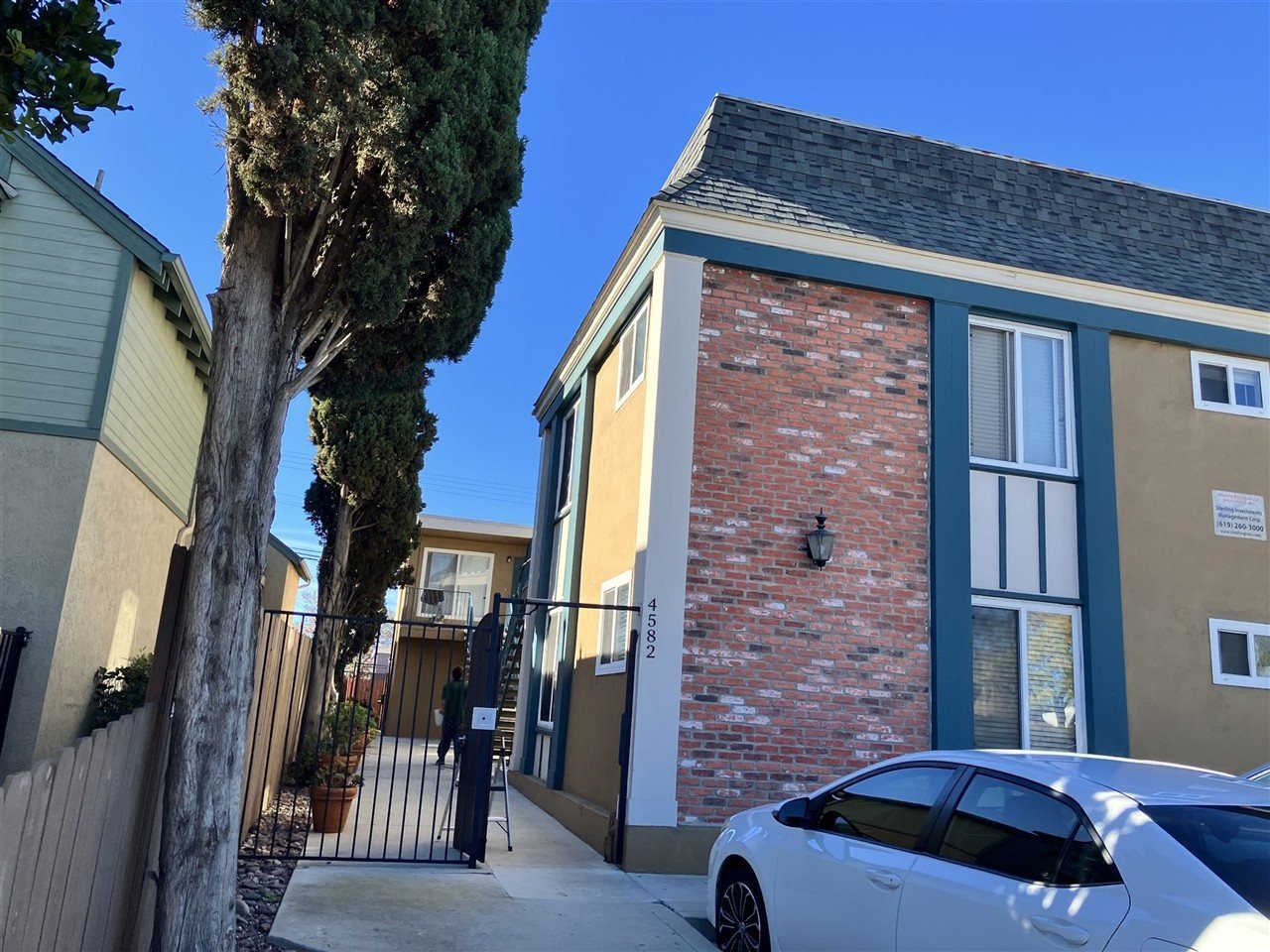
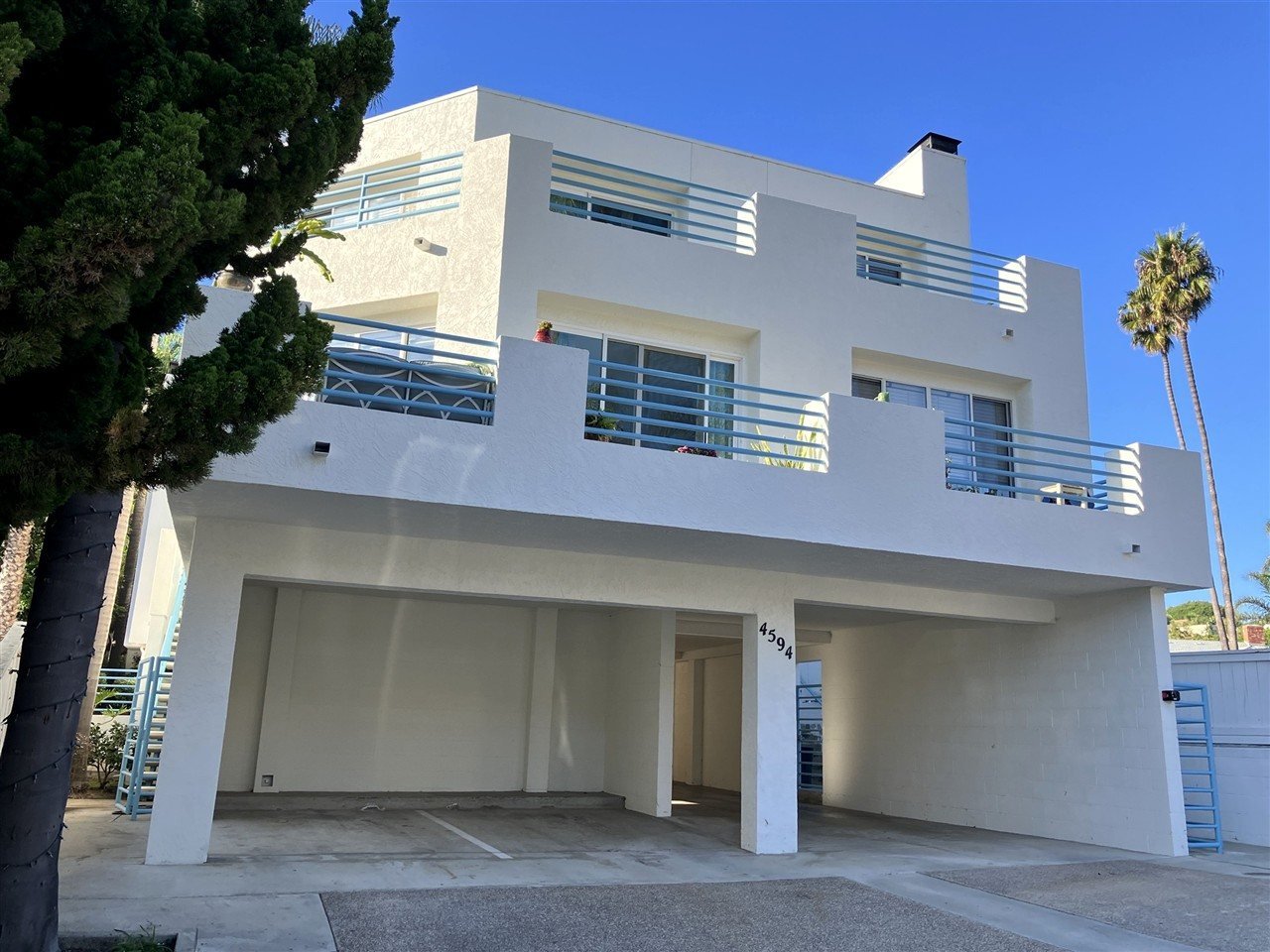
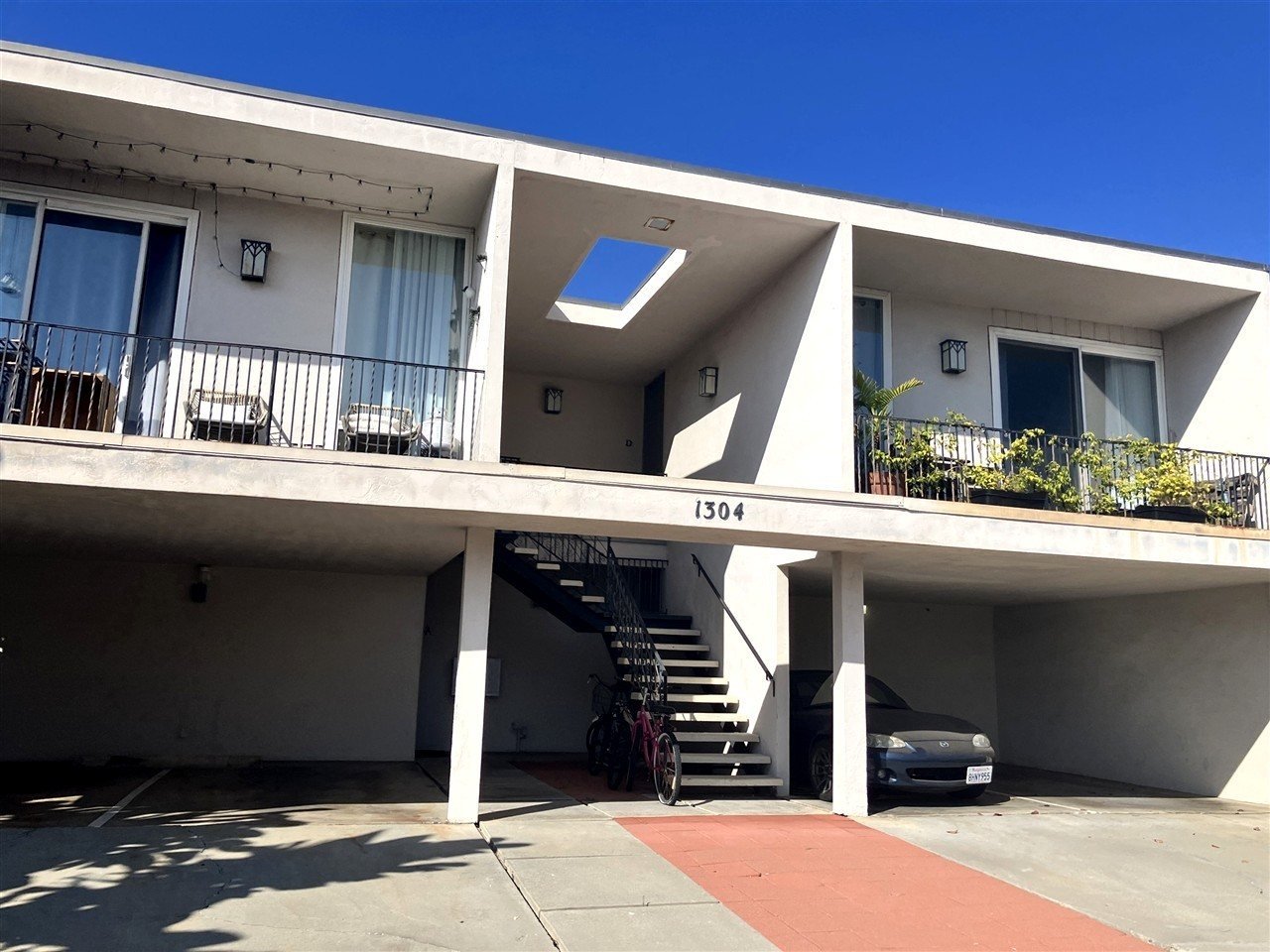
Multi-unit properties documented for SB 721 balcony compliance across San Diego County.
More inspections in Nestor
- Foundation slab survey in Nestor
- SB 326 balcony inspection in Nestor
- SB 721 exemption letter in Nestor
- Seller inspection in Nestor
- Home inspection in Nestor
Nearby and countywide
Were You Happy With Your Inspection?
We are proud of our 4.9-star rating across 100+ Google reviews. If Joseph and the team did right by you, a quick Google review helps other San Diego County buyers and sellers find us.