
SB-721 Balcony Inspection in San Ysidro, CA
San Ysidro sits hard against the international border at the busiest land port of entry in the hemisphere, and the housing wrapped around that crossing is overwhelmingly rental: tightly spaced apartment courts, stacked flats over storefronts, and three-story walk-ups that fill the blocks between San Ysidro Boulevard and Beyer. A large share of that inventory now falls inside California's SB-721 mandate. The law reaches any apartment or multifamily property carrying three or more dwelling units whose wood-framed exterior elevated elements stand more than six feet above the ground — the code calls them EEE, exterior elevated elements — and that label gathers up balconies, raised decks, the open exterior staircases that feed upper units, landings, and shared walkways, plus the waterproofing built to keep rain off the wood holding them up.
I'm Joseph Romeo, and I handle these inspections myself on San Ysidro properties. AB 2579 moved the first compliance date to January 1, 2026, with the review repeating on a six-year cycle after that. This is not a buyer's walkthrough — it is a code-driven safety evaluation that leaves the owner with a documented file to produce for the jurisdiction. What follows lays out the elements I examine, why this border neighborhood ages its decks the way it does, the defects I keep meeting here, how the report is built and delivered, and the line where my work stops. The San Ysidro inspection hub covers the residential side of what I do in the area.
Call (619) 752-4399 Schedule an Inspection
What does the inspection cover on a San Ysidro apartment building?
SB-721 fences off a narrow target. It governs the weight-carrying portions of a multifamily structure that rise above six feet on wood framing, together with every assembly meant to route water away from that wood. Working a San Ysidro property, here is what I sound, probe, and photograph:
- Raised balconies and decks — the joists, the ledger bolted back into the wall, the support posts, and the membrane surfacing each upper-floor balcony.
- Open exterior staircases — the wood stair runs serving second- and third-floor units, how the stringers tie back to the building, and the footing or slab each run lands on.
- Landings and shared walkways — the platforms at apartment doors and the courtyard catwalks that string a row of units together.
- Guards and handrails — tested for firm anchorage and resistance to a sideways shove, since the rail is the final barrier against a fall.
- Weatherproofing — flashing, deck coatings, joint sealant, and drainage, which together decide whether the framing behind them stays dry or quietly turns to rot.
Most of the evaluation is visual, run across a representative cross-section of each element type. When the evidence points toward concealed decay, the statute permits a small intrusive opening so I can read the hidden framing firsthand rather than infer it. Every element is called safe or unsafe and supported with photographs. I record observed condition only — I neither engineer the remedy nor carry it out, and the report says so.
How does life at the border shape the risk in San Ysidro?
San Ysidro carries a risk profile you won't find spelled out the same way anywhere else in the county, and it traces straight back to the neighborhood's character:
- Decades of heavy occupancy. Much of the multifamily stock here went up between the 1960s and the 1980s, with newer infill layered in more recently. Wood balconies and exterior stairs that age have absorbed half a century of coatings, patches, and partial fixes, and the framing beneath is well past where it started.
- Relentless foot traffic. This is a dense, high-turnover renter community feeding a 24-hour border crossing. Exterior staircases and shared walkways carry crushing daily use, which works connections loose and grinds down coatings far faster than a quiet suburban building ever sees.
- Slab-on-grade construction. Most San Ysidro buildings sit on slab, so stair footings and post bases meet the ground directly, and where drainage was never quite right, the lowest landings and post connections stay damp and corrode from the bottom up.
- Mixed commercial and residential blocks. Apartments stacked over shops and offices near the boulevard mean balconies and walkways overhang commercial uses, and water that gets into that framing can sit hidden behind storefront finishes for years.
- Inland heat, concentrated rain. San Ysidro sits away from the cooling marine layer, so its decks bake through long dry stretches that crack sealants and coatings, then take the winter rain all at once on surfaces that have lost their flex.
Which defects keep showing up on San Ysidro decks and stairs?
Twenty years of working buildings in this corner of the South Bay means the same handful of problems resurface again and again. Few are alarming, most are fixable, but each one belongs in the file so the owner and the jurisdiction see the true state of things:
- Worn-out deck coatings — membranes cracked, chalked, or peeled to where they no longer shed water off the wood underneath.
- Flashing trouble at the ledger — absent, reverse-lapped, or corroded flashing where a balcony meets the wall, the most dependable route for water to reach framing.
- Soft and rotted wood — uncovered by probing balcony edges, stair stringers, and landing corners wherever the coating has already given out.
- Corroded connectors — joist hangers, bolts, and post bases rusting on the older walk-ups where the original galvanized hardware has aged out.
- Railings that move — guards loose at the base because the post anchorage or the deck beneath it has gone soft.
- Ponding water — flat landings and walkways that pool and hold moisture against the surface long after a storm passes.
Each item is photographed and written up in plain language, and every element is flagged safe or unsafe in the terms the building authority expects to read.
How do I run the inspection and what does your report deliver?
I open with your unit count and a quick loop of the property to map every qualifying element, then sample the load-bearing components and the waterproofing across the buildings. SB-721 lets a qualified inspector assess a representative portion instead of every last balcony, and I log which elements I checked and the reasoning behind the picks. I read coatings, flashing, ledger bolts, stair framing, and rail anchorage, and where a key connection is buried or visible damage forces the question, I open a small intrusive area to confirm the framing condition.
The report is assembled in HomeGauge with a photo tied to each element and laid out to read cleanly for the owner and the building department alike. It states which exterior elevated elements are safe and which call for repair, flags anything posing an immediate hazard, and spells out what would trigger a re-check. Most reports leave my desk the same day or the next morning. When an element comes back unsafe, I name the licensed professional who handles it — a structural engineer or a general contractor — because I document condition and do not design or perform the repair. That keeps your SB-721 file independent and credible for the jurisdiction.
Why do San Ysidro owners bring in Joseph Romeo?
SB-721 asks for a qualified inspector, and on this work the construction background carries the weight. I'm an InterNACHI Certified Professional Inspector (CPI) and I hold a California CSLB General Contractor license (#1113143). I have built and repaired the same ledger connections, deck coatings, and exterior stairs I'm now evaluating, so when I mark an element unsafe I know exactly what a crew is walking into and I write the finding to be useful instead of vague.
- More than 20 years and over 10,000 inspections across San Diego County, with long mileage in the South Bay.
- 4.9 stars from 106 Google reviews.
- Independent. I inspect and report, then hand the structural repair design to a licensed engineer or contractor — I don't bid the work, so your documentation stays unbiased for the city.
If you own a building of three or more units in San Ysidro and need to clear the January 1, 2026 deadline, reach me directly at (619) 752-4399 or joe@sandiegohomeinspection.com and I'll get the property scheduled and the report turned around quickly. The fee schedule lays out how pricing works.
Which inspections pair with SB-721 for San Ysidro owners?
SB-721 closes one narrow question about your exterior elevated elements. Depending on the building, a few neighboring services pair well with it, and I can often work them into the same visit:
- SB-326 balcony inspection — the companion statute for condominium and HOA common-interest developments, if your property is association-owned rather than a straight rental.
- Multifamily building inspection — a wider read on roofs, common areas, and systems across the whole property when you're buying or refinancing.
- Roof inspection — a closer look at coverings and flashing, since the water that wrecks a balcony usually starts on a tired roof above it.
- Infrared moisture imaging — to confirm concealed moisture behind a deck surface or wall before deciding where an intrusive opening makes sense.
- Sewer scope — worth running on older San Ysidro complexes where the original laterals are due for a camera.
Send the address and the unit count and I'll tell you whether a straight SB-721 inspection covers it or whether one of these belongs alongside. Browse all inspection services for the full menu.
San Ysidro SB-721 Balcony Inspection FAQs
Which San Ysidro buildings need an SB-721 inspection?
When is the SB-721 deadline for San Ysidro apartments?
How does SB-721 differ from SB-326 in San Ysidro?
Does slab construction change the SB-721 inspection?
What happens if you find an unsafe balcony?
What does an SB-721 inspection in San Ysidro cost?
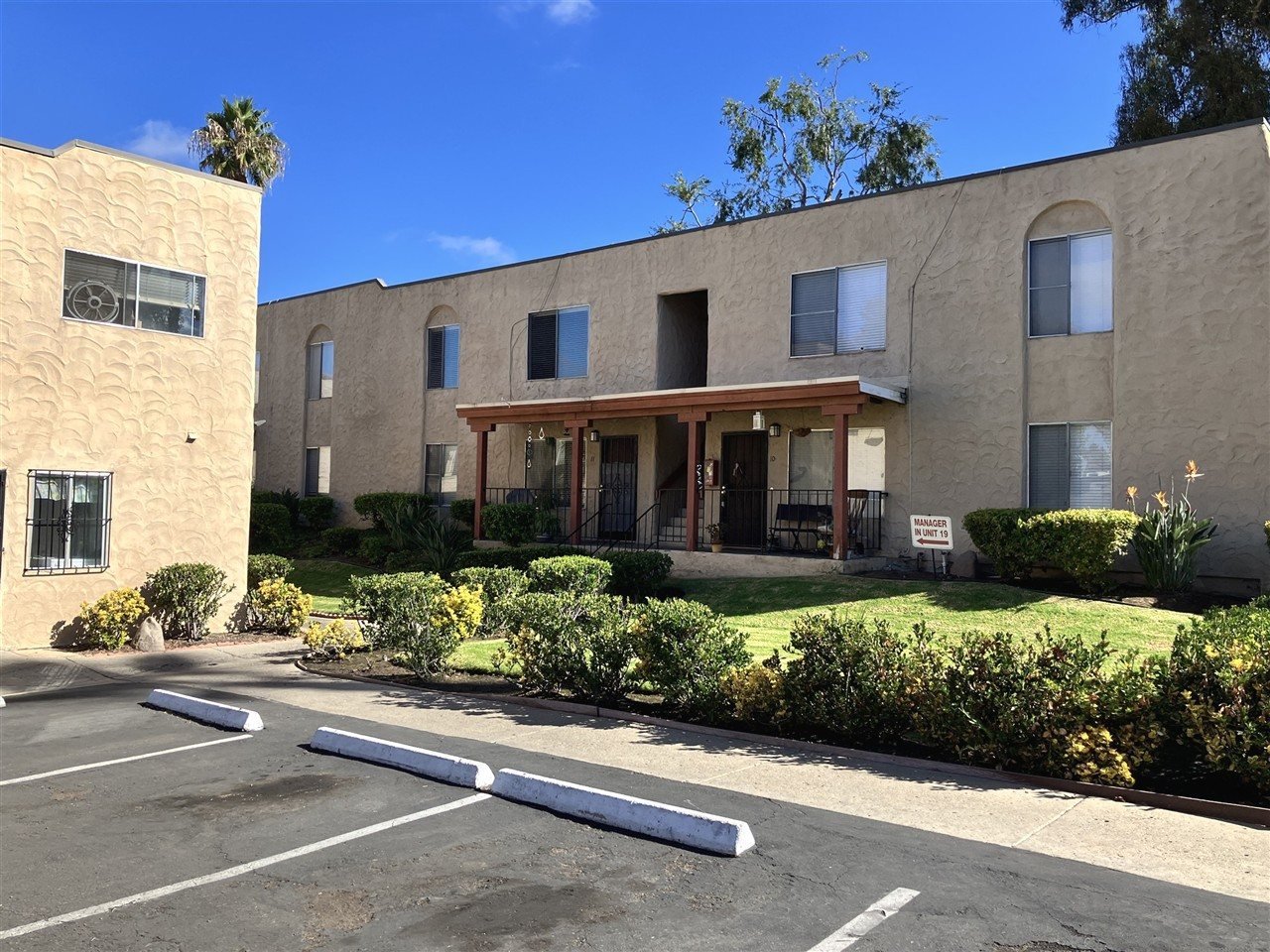
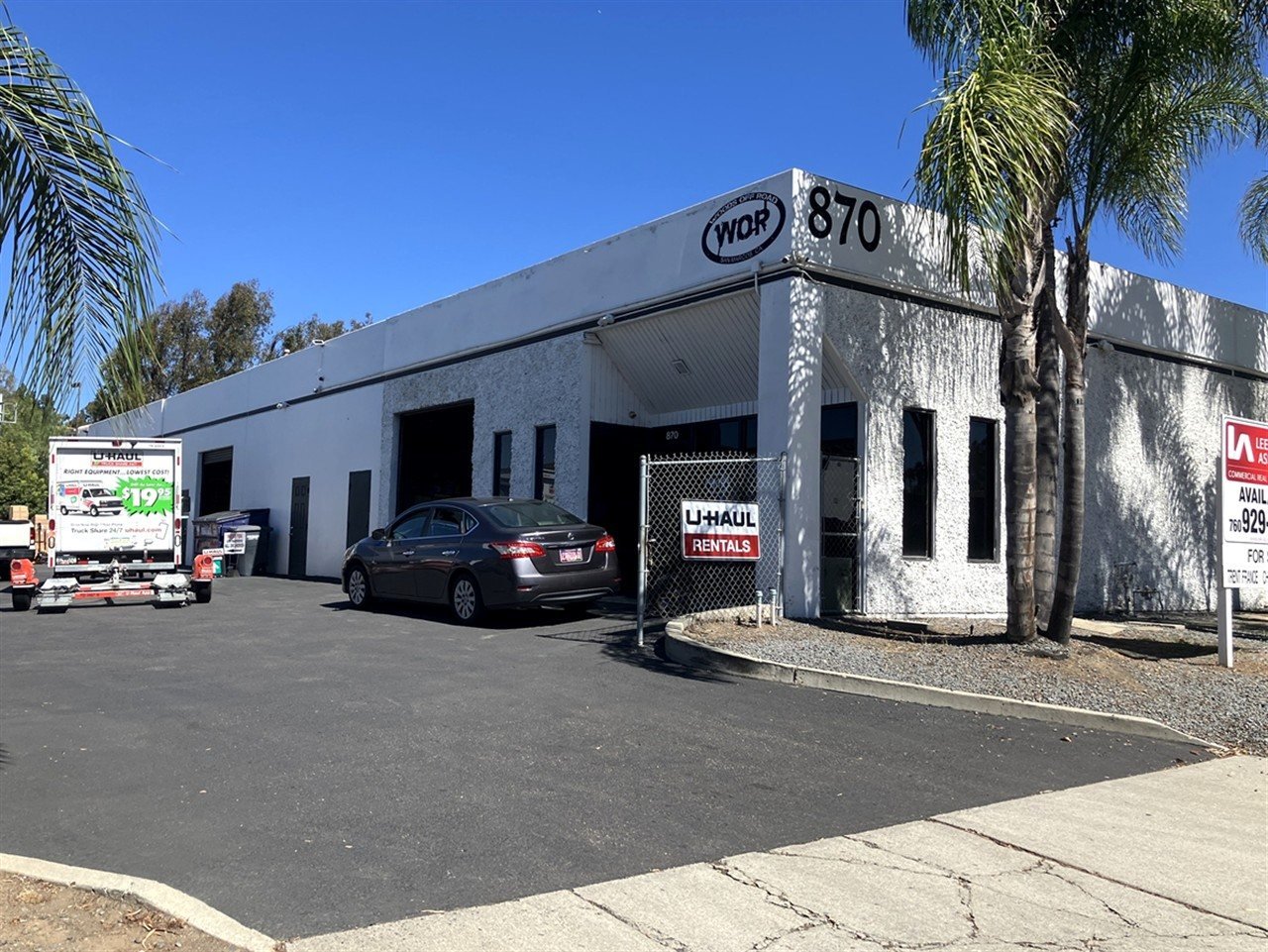
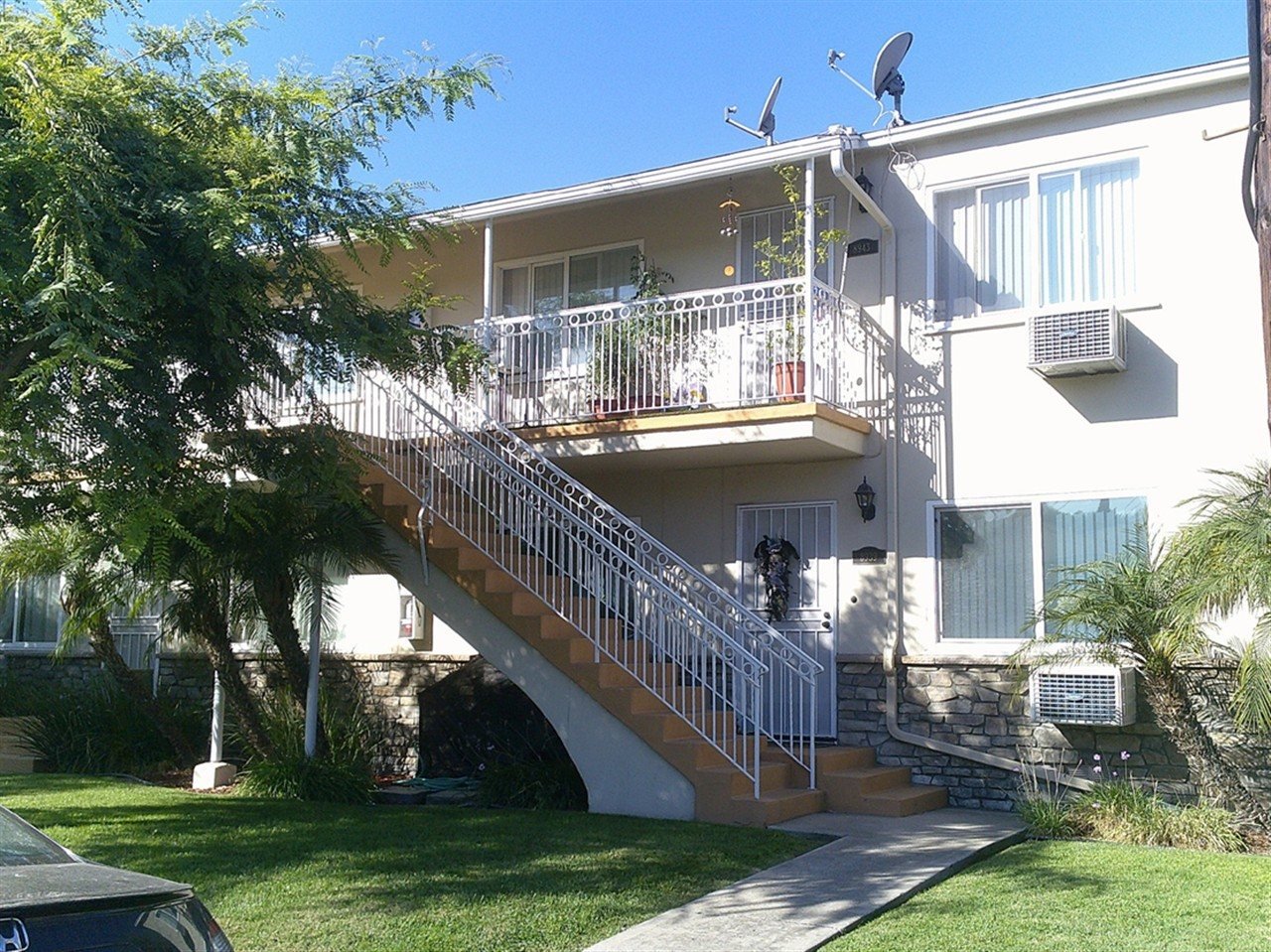
Properties we inspect
Multi-unit properties documented for SB 721 balcony compliance across San Diego County.
More inspections in San Ysidro
- Roof inspection in San Ysidro
- Thermal imaging in San Ysidro
- Foundation slab survey in San Ysidro
- SB 326 balcony inspection in San Ysidro
- Home inspection in San Ysidro
Nearby and countywide
Were You Happy With Your Inspection?
We are proud of our 4.9-star rating across 100+ Google reviews. If Joseph and the team did right by you, a quick Google review helps other San Diego County buyers and sellers find us.