
SB-326 Balcony Inspection in San Ysidro, CA
San Ysidro sits right against the international line, the busiest land port of entry in the hemisphere wrapped in a tight grid of attached housing, mixed-use blocks, and small associations. A good share of that housing answers to SB-326, the law boards know as the EEE requirement. Every condominium and common-interest development of three or more units has to put a qualified professional in front of its load-bearing exterior elevated elements, and the waterproofing tied to them, at least once every nine years. The opening deadline passed on January 1, 2025, so most San Ysidro boards are now either catching up or lining up their first cycle.
I'm Joseph Romeo, and I've spent more than twenty years reading buildings across the far south end of the county. On an SB-326 job your association is the client, not an individual owner. I count the qualifying balconies, stair flights, landings, and raised walkways across the project, pull a random sample wide enough to stand in for the whole property, and hand the board a report that drops cleanly into its reserve study. Everything else I cover in town lives on the San Ysidro home inspection hub.
Call (619) 752-4399 Schedule an Inspection
What does the EEE sample examine on a San Ysidro building?
SB-326 holds a tight scope. It deals with the wood-framed surfaces residents occupy above grade and the moisture barriers that keep those surfaces from rotting from the inside. On a San Ysidro condo or townhome project the element types I sample usually break down like this:
- Upper-floor balconies and decks — the joists, the ledger fastened to the wall, and the walking surface with its membrane underneath; the point where the deck meets the building is where moisture starts its work
- Exterior stairs with their landings — stringers, support posts, mid-flight platforms, and connecting hardware on stacked-flat and corridor buildings
- Raised walkways and breezeways feeding the upper units of the larger complexes off Beyer Boulevard and the streets near the trolley
- Guardrails and handrails on every sampled element, tested for solid anchorage, corrosion, and resistance to a firm lateral push
- The complete weather barrier — deck coatings, counterflashing, sealant lines, and the drainage route, since a failed barrier is what feeds nearly every rot condition the statute targets
What sets SB-326 apart from an ordinary walkthrough is the random representative sample. I don't open every balcony; I look at enough of each element type that the findings genuinely speak for the whole association, logging each sampled piece with a photo and a condition call. The work stays visual unless evidence points to hidden damage, and at that point the law lets me cut a measured opening to confirm the wood behind a connection. I report observed condition only — any engineered repair on a flagged element goes to a licensed contractor or engineer I coordinate, never something I bid or perform.
How does San Ysidro's border-edge setting shape the risk?
This is a dense, hard-working community squeezed between the freeway, the rail line, and the border, with housing that ranges from 1960s through 1980s walk-ups to newer infill near the revamped transit station. That spread decides where SB-326 problems turn up. The conditions I weigh hardest in San Ysidro:
- Heavy through-traffic and constant vibration. Few neighborhoods in the county absorb the round-the-clock truck and vehicle load that San Ysidro does feeding the port of entry. Years of low-grade vibration work fasteners loose and open sealant joints on elevated decks faster than a quieter inland block sees.
- Older walk-up condo and apartment-style stock. Much of the attached housing on the streets off San Ysidro Boulevard and West Park Avenue went up before current waterproofing practice, with deck and flashing details well past the age where membranes give out.
- Newer transit-oriented infill now aging in. The mixed-use and condo projects built during the border and trolley redevelopment push are reaching the ten-to-twenty-year mark, the window where first-generation deck coatings and flashing begin to fail — exactly what SB-326 was written to catch.
- Dust, grit, and deferred upkeep. Airborne grit off heavy traffic settles into deck drains and coating seams, and tight reserve budgets on small associations mean elevated elements can go years without a real look, so slow decay compounds unseen.
- Long dry spells that mask water intrusion. San Ysidro's arid stretches lull boards into treating moisture as a non-issue, until a hard winter rain ponds on a balcony with a hairline crack and soaks framing nobody can see from inside the unit.
Which defects keep showing up on San Ysidro associations?
Years on south-county associations turn up a familiar short list in San Ysidro, in predictable spots. Most are routine reserve items rather than emergencies, but each one belongs in the report so the board and its reserve study reflect the building's real condition:
- Failed deck membranes — coatings cracked, chalked, or lifting at the edges that no longer shed water off the framing
- Open or back-pitched flashing at the wall joint — the missing detail where a balcony meets the building, the most direct path moisture takes into the structure
- Rot-softened wood at deck perimeters, ledger connections, and stair-stringer bases, confirmed by probing once a coating has let go
- Loosened and backed-out fasteners — joist-hanger nails, lag bolts, and post anchors worked free over time, a pattern the steady border-corridor vibration tends to push along
- Wobbly guardrails and posts that flex at the base because the attachment or the deck beneath it has lost strength — a recurring safety call on association buildings
- Ponding on flat landings and walkways where settlement flattened the drainage slope and water sits long after a storm
- Caulk-and-cover patch work from earlier maintenance that sealed moisture inside the assembly instead of letting it drain
I sort cosmetic age from anything affecting load capacity, so when I mark an element deficient it reflects a real structural or safety concern the board can act on — photographed and written in the terms a reserve analyst and the city building department expect.
How does the job run and what does the board receive?
It begins with a call to (619) 752-4399 or an email giving the project address, the building count, and a rough tally of balconies, walkways, and stair flights. A spread-out townhome community up near Otay Mesa Road is a different scope than a single corridor-style condo block off San Ysidro Boulevard, so I size the random sample and arrange access — through the board or the management company — for that exact property.
On site I work the sample one element at a time, photographing each and recording its condition. Where a deck or landing shows staining, soft framing, or coating failure, I note where a controlled intrusive opening should go before any repair is designed. SB-326 is explicit that the report has to feed the association's reserve study and reach the board, so I write it to slot straight into that document rather than hand over a bare pass/fail page.
The deliverable arrives through HomeGauge: a photo on each sampled element, a clear condition call on every one, the projected useful life a reserve analyst needs, any element posing an immediate hazard flagged for action, and the next inspection date set nine years out. Most reports turn around same day or the next morning. When an element fails, the report is laid out so your engineer or contractor can move into a stamped repair design without re-walking the property — and because I report observed condition and never bid or perform the fix, the association's SB-326 record stays independent.
Why do San Ysidro boards bring me in?
SB-326 limits the inspection to licensed architects, structural engineers, and qualified inspectors working under that standard — and hands-on framing knowledge is what makes the report worth acting on. I'm an InterNACHI Certified Professional Inspector (CPI) and I hold a California CSLB General Contractor license (#1113143). I've built and rebuilt the ledger details, deck coatings, and stair assemblies I'm evaluating, so when I flag an element I already know whether it's a coating refresh or a framing repair that needs an engineer — the exact distinction that drives a reserve contribution.
- 20-plus years and over 10,000 inspections across San Diego County, with steady time at the south end of the South Bay
- 4.9 stars across 106 Google reviews
- Independent of the repair — I document condition and refer the structural design out without bidding the work, so nothing in the report nudges the association toward buying anything
Management companies call me back because the reports read clean and defensible for a board, a reserve analyst, or a repair contractor on the first pass. If your San Ysidro association missed the January 1, 2025 cycle or is planning ahead of a reserve update, reach me at joe@sandiegohomeinspection.com or the number above and I'll get the property sampled and the report turned around quickly.
Which inspections pair well for San Ysidro associations?
SB-326 answers one defined question about your elevated elements. Several related services pair naturally with it on a San Ysidro property, and I can usually fold them into a single visit:
- SB-721 balcony inspection — the parallel EEE mandate for rental apartment buildings of three or more units, the law that applies if part of your property is rental rather than a condo HOA, common in a community with as much mixed tenure as San Ysidro
- Roof inspection — the roof membrane and flashing tie into the same waterproofing protecting upper walkways and balconies, so reading them together makes sense
- Thermal and infrared imaging — to trace concealed moisture behind a deck surface or at a ledger before any intrusive opening is cut
- Common-element condition assessment — a broader read of shared systems when the board is refreshing its reserve study beyond the EEE work
- Sewer scope — worth running on San Ysidro's older condo parcels where original laterals may hide root intrusion and offsets
- Engineering referral — when a flagged element needs a stamped repair design, I bring in a licensed engineer and work the timeline in
Not sure which apply to your project? Send the association name, address, and elevated-element count and I'll tell you whether a standard SB-326 sample covers it. Browse all inspection services or check the fee schedule.
San Ysidro SB-326 Balcony Inspection FAQs
Does my San Ysidro condo association need an SB-326 inspection?
Our San Ysidro HOA missed the January 1, 2025 deadline. What now?
Why does the inspection cover only some of our balconies?
How is SB-326 different from SB-721 in San Ysidro?
Does all the border-corridor traffic really affect our balconies?
Do you handle the repairs you flag for our board?
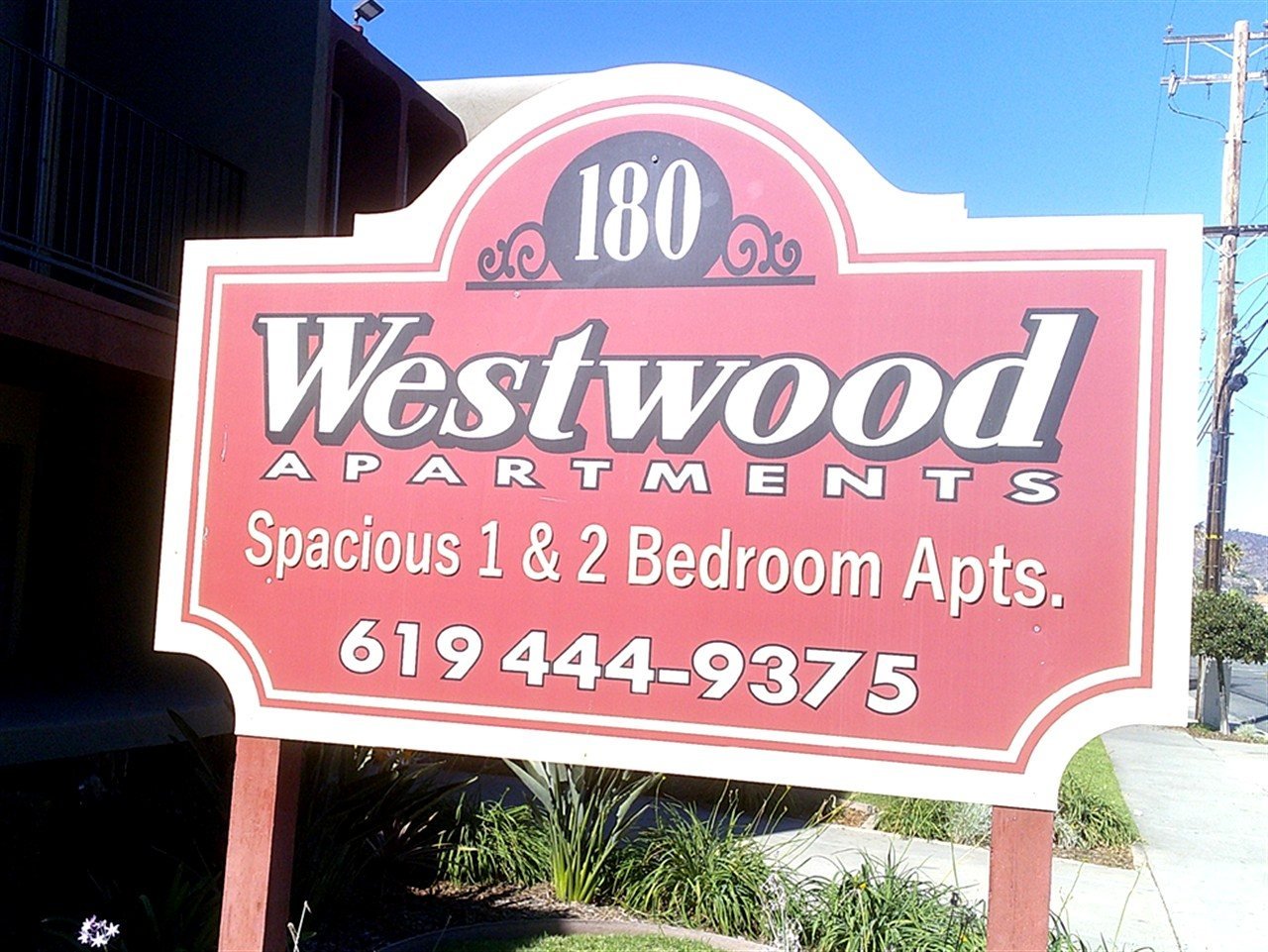
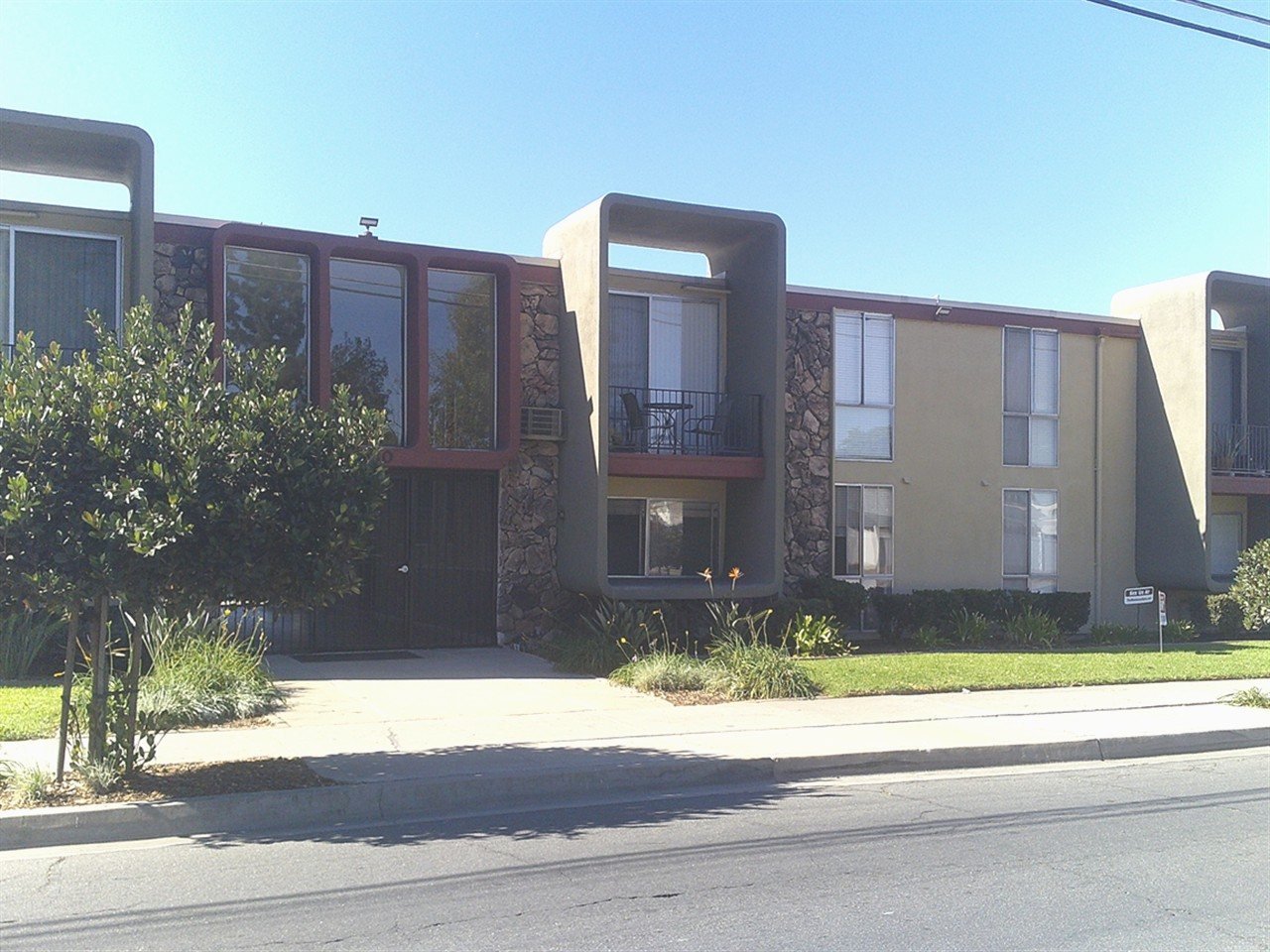
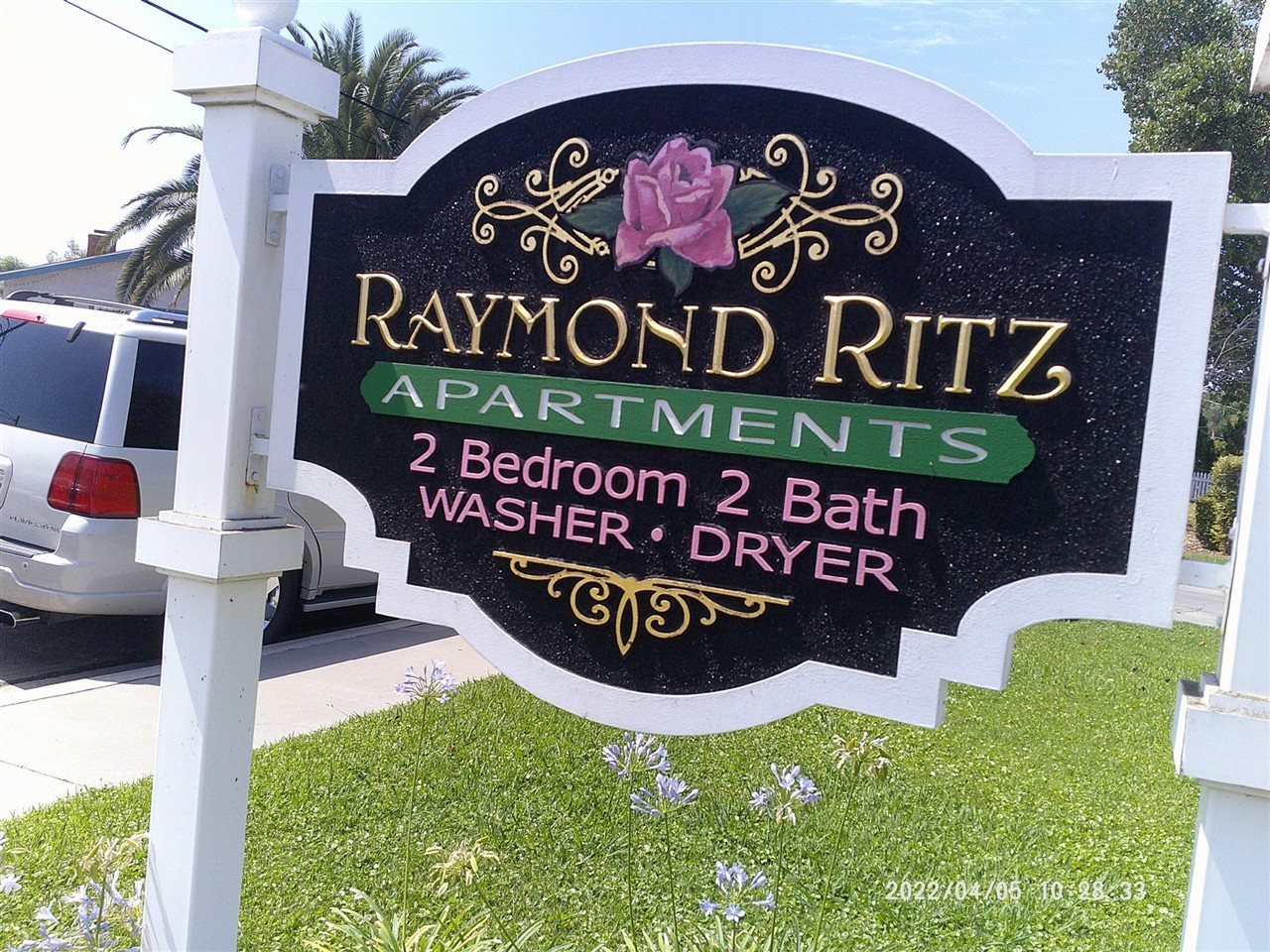
HOA properties we inspect
Condominium properties documented for SB 326 balcony compliance across San Diego County.
More inspections in San Ysidro
- Commercial roof cleaning in San Ysidro
- Commercial inspection in San Ysidro
- Pool and spa inspection in San Ysidro
- Sewer scope inspection in San Ysidro
- Home inspection in San Ysidro
Nearby and countywide
Were You Happy With Your Inspection?
We are proud of our 4.9-star rating across 100+ Google reviews. If Joseph and the team did right by you, a quick Google review helps other San Diego County buyers and sellers find us.