
Commercial Roof Cleaning in San Ysidro, CA
A flat commercial roof rarely announces a problem until water is already inside the building. By then the cause has usually been sitting up top for months: a packed drain, a mat of growth in a shaded low spot, grit dammed against a parapet. A commercial roof cleaning pulls that load off the surface, opens every drain and scupper so the roof sheds water the way it was engineered to, and puts the condition of the membrane on the record while the surface is clean enough to read. This is maintenance and documentation, not a recoat and not a structural fix.
I am Joseph Romeo. For more than 20 years I have worked buildings throughout the South Bay, including the dense commercial fabric of San Ysidro, from the retail and customs-broker offices packed around the port of entry and San Ysidro Boulevard to the warehouse and mixed-use stock spread across the older 1960s-to-1980s blocks and the newer infill near the trolley line. Most of those buildings wear flat or low-slope roofs in TPO, modified bitumen, built-up, or sprayed foam, and almost all of them fail at the same place: water that cannot leave. Here is what the cleaning covers, why San Ysidro buildings collect what they collect, and what lands in your inbox afterward.
Call (619) 752-4399 Schedule an Inspection
What does a San Ysidro commercial roof cleaning include?
The aim is simple. Leave the roof draining freely and the membrane visible enough to assess honestly. On a typical San Ysidro commercial building, the work runs like this:
- Field clearing: pulling off leaves, blown trash, accumulated road and border-traffic grit, and biological growth across the open membrane, the seams, and the low points where debris settles first.
- Drainage path: opening interior roof drains, through-wall scuppers, and overflow outlets, then confirming water actually moves off the deck instead of standing.
- Around the obstacles: clearing the packed debris that builds up at HVAC curbs, vent stacks, conduit runs, and the base of parapet walls, the choke points where growth and sediment dam up.
- Condition record: photographing the membrane type and its visible state while it is clean, whether TPO, modified bitumen, built-up, or foam.
We clean and we document, full stop. When a roof needs seam repair, flashing work, or a recoat, that belongs to a licensed roofing contractor, and the report points straight at it. I describe observed condition; I do not bid the roofing work or perform it.
Which San Ysidro conditions load up a roof?
San Ysidro sits at the bottom of the county against the international border, a dense, low-lying community only a few miles from the bay, and that combination shapes what ends up on these roofs. The marine influence pushes damp, salt-carrying air inland, which feeds algae, moss, and a dark biological film in the shaded valleys and along north-facing parapets. That growth holds moisture against the membrane and works on it long before any stain shows on a ceiling tile inside.
Then there is the traffic. Few places in the country move as many vehicles as the San Ysidro port of entry, and the idling lines, surface streets, and freeway interchanges throw up a steady haze of dust, soot, and fine grit that settles on flat roofs and packs into drains. Stack that on top of strong inland summer heat and UV that bakes exposed TPO and thins a foam coat, and you get the worst-case pairing on a low-slope roof: debris that clogs the drains and standing water that the sun then cooks against the surface. Many of the older slab-built blocks here carry minimal slope to begin with, so a single blocked scupper turns into a ponding problem fast.
What turns up on San Ysidro commercial roofs?
The findings repeat from building to building. Number one is a drain or scupper plugged with leaves, grit, and the gummy road soot that drifts off the border traffic, usually with a dried tide line that proves water has been sitting for weeks. Clear the outlet and the roof drains in minutes; ignore it and the pool keeps grinding on the membrane every day the sun is out.
On the older 1960s-to-1980s commercial stock, modified-bitumen and built-up roofs commonly show moss and algae mats in the shaded low corners, alligatored and blistered top coat out in the open field, and seams beginning to peel at the edges. On the newer TPO and foam roofs near the trolley and the newer infill pads, the recurring issues are ponding at interior drains, debris banked against rooftop HVAC units, and a chalky, weathered foam surface thinned by UV. Around every penetration, vent stacks, conduit, skylight curbs, packed debris traps water exactly where the roof is least able to take it. Every item gets a photo, a location, and a plain note on what it is and whether a roofer needs to see it.
How does the cleaning run and what report do you get back?
We clear the roof with methods matched to the membrane, low-pressure rinsing and hand work rather than anything that would force water into seams or scour a foam coat. Debris comes off the field, the drains and scuppers are opened and watched for flow, and the penetrations and parapet base are cleared so nothing is left behind to re-dam after we go. On a building loaded with rooftop equipment, common on the warehouse and mixed-use stock here, we work around the HVAC and conduit instead of sweeping past it.
You receive a documented report the same or next day through HomeGauge. It logs the membrane type, shows the drains and trouble spots before and after, and flags anything that crosses from upkeep into a roofer's lane: lifted seams, blistering, thinning foam, or active ponding a recoat would resolve. For a property manager or owner that means a dated record for the warranty file and a prioritized punch list ready to hand a licensed roofing contractor. We do not do the recoat or the repair; we show you exactly where it is needed and why.
Who is on your roof and why does it count?
I am an InterNACHI Certified Professional Inspector and a California-licensed General Contractor, CSLB GC #1113143, with more than 20 years and over 10,000 inspections behind me. The contractor side matters on a commercial roof, because I understand how these flat assemblies are framed, sloped, drained, and repaired, not just how they look from the parapet. That is the gap between a note reading "roof needs cleaning" and a record that names which drain is failing, which seam is lifting, and what a roofer ought to price.
The work across San Ysidro and the wider South Bay holds a 4.9-star rating over 106 Google reviews, built on being specific and straight with owners. I have no roofing repair to push and no recoat to upsell. I clear the roof, document its condition, and refer the repair work to a licensed roofing contractor when it is warranted. Reach me directly at (619) 752-4399 or joe@sandiegohomeinspection.com.
Which related commercial services pair in San Ysidro?
A roof cleaning is often the first honest look at a building's overall shape, and what shows up on top usually points to the next thing worth checking. Property managers running a San Ysidro commercial property often pair the roof work with a broader condition assessment that takes in the structure, electrical, plumbing, and mechanical systems as a whole.
If the cleaning surfaces drainage or moisture concerns, those are worth following down through the building rather than just sweeping them off the deck. The full menu lives on our services page, or start from the San Ysidro home inspection hub for residential work. Current rates sit on the fee schedule, and you can book a roof cleaning or a walkthrough through the contact page.
San Ysidro Commercial Roof Cleaning FAQs
Do you repair or recoat commercial roofs in San Ysidro?
How does the San Ysidro port traffic affect my roof?
How often should a San Ysidro commercial roof be cleaned?
Why does standing water matter on a flat roof?
Will a cleaning help keep my roof warranty intact?
Can you clean TPO and foam roofs without harming them?
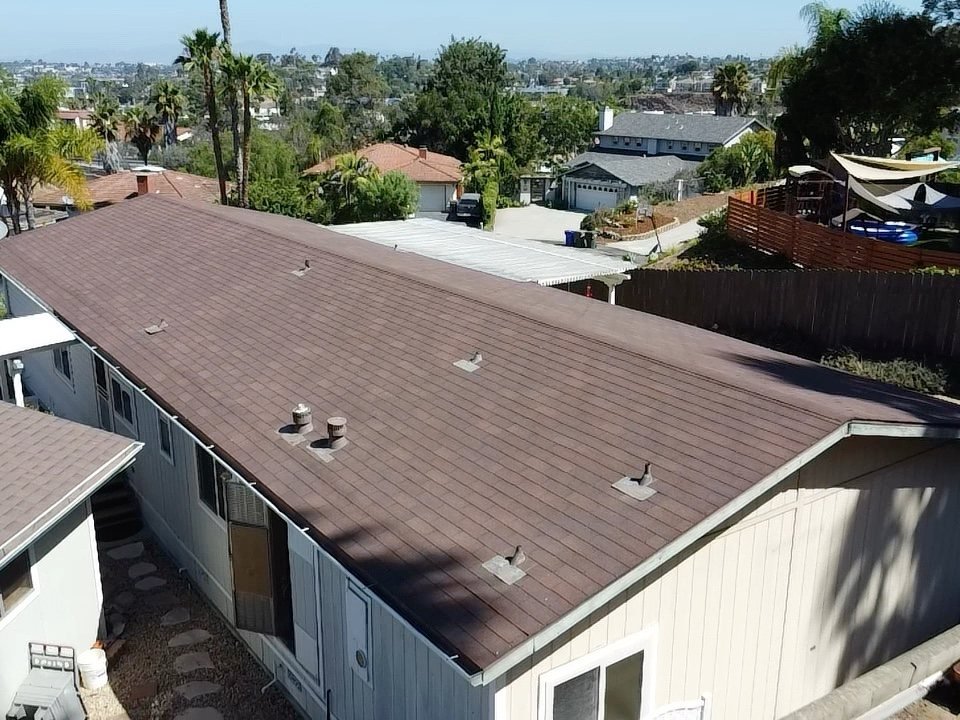
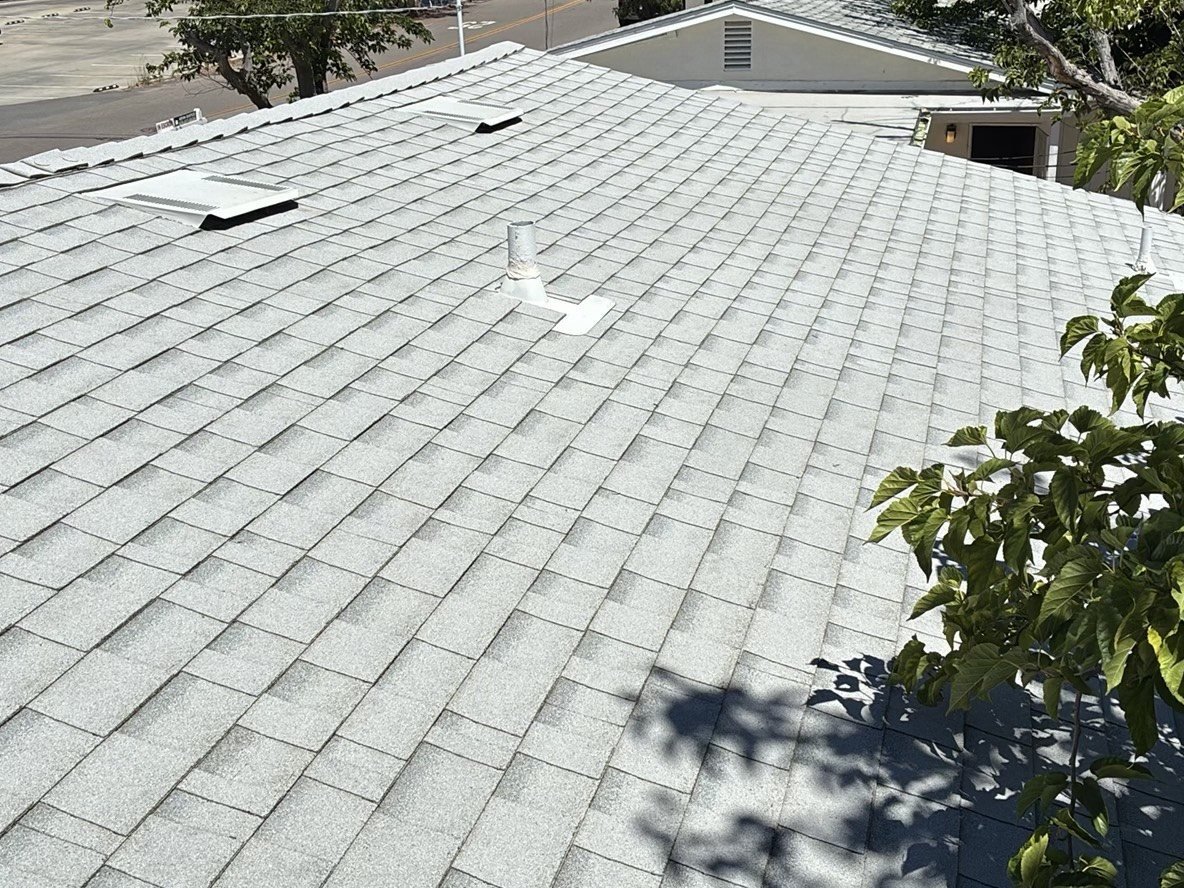
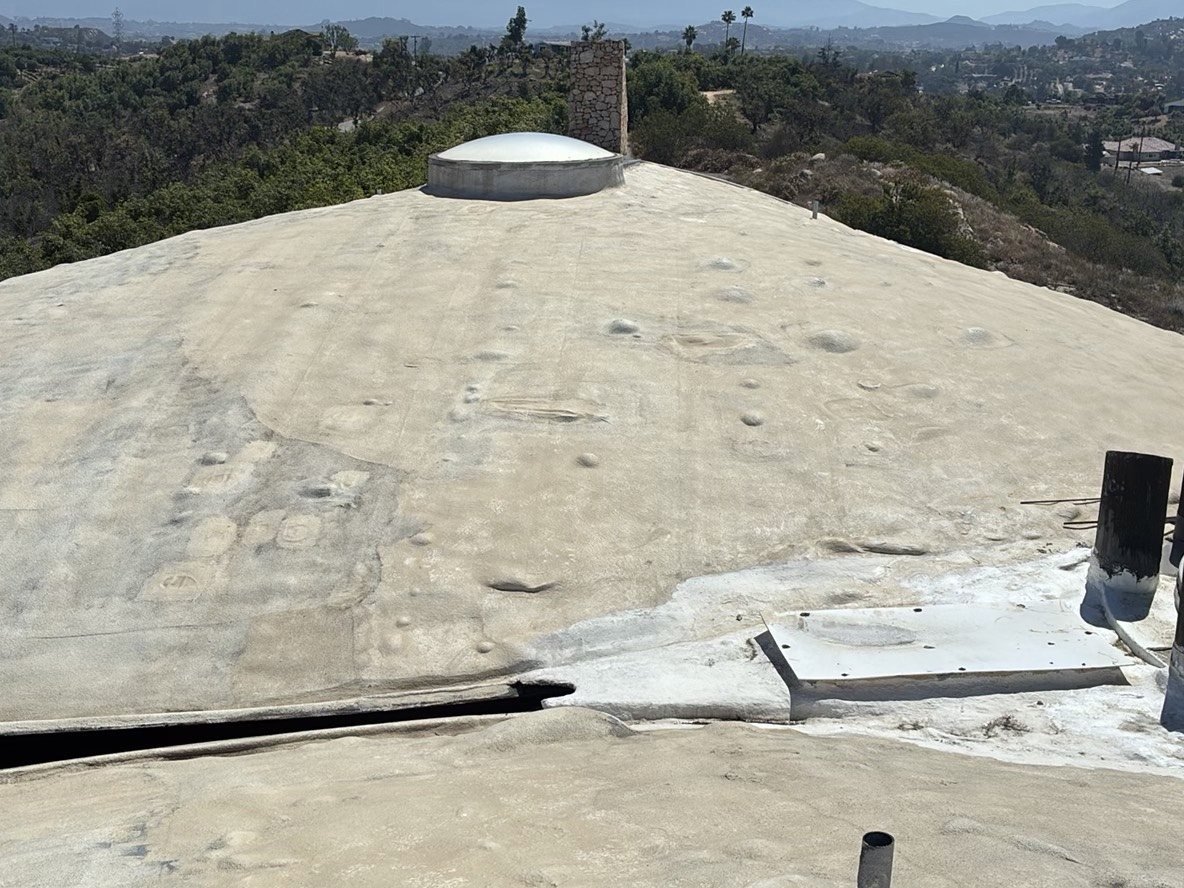
Large rooftops, handled
Flat and low-slope commercial roofs we access, document and maintain.
More inspections in San Ysidro
- Pool and spa inspection in San Ysidro
- Sewer scope inspection in San Ysidro
- 4-point inspection in San Ysidro
- Roof inspection in San Ysidro
- Home inspection in San Ysidro
Nearby and countywide
Were You Happy With Your Inspection?
We are proud of our 4.9-star rating across 100+ Google reviews. If Joseph and the team did right by you, a quick Google review helps other San Diego County buyers and sellers find us.