
Commercial Roof Cleaning in Palm City, San Diego
Palm City sits in the southern stretch of San Diego, hemmed in by the Otay River valley and a short drive from the Imperial Beach coastline. The commercial buildings here, the warehouses off Hollister, the strip retail along Palm Avenue, the light-industrial bays near the 805, mostly went up between the 1960s and 1980s with flat or low-slope roofs sitting on slab construction. Those roofs collect leaves, blown grit, and biological growth fast, and the marine air pushes salt and moisture inland off the bay.
We clean and document commercial roofs so building owners and property managers in Palm City know exactly what shape their membrane is in before a small problem turns into a tenant complaint or a denied warranty claim. Joseph Romeo, our lead inspector, is an InterNACHI Certified Professional Inspector and a CSLB-licensed General Contractor (#1113143) with more than 20 years and 10,000-plus inspections behind him. We clear the roof and write it up; when we find damage that needs a recoat or a real repair, we point you to a licensed roofer rather than swinging a hammer ourselves.
Call (619) 752-4399 Schedule an Inspection
What does commercial roof cleaning cover in Palm City?
Our scope on a Palm City flat or low-slope roof is straightforward maintenance cleaning paired with a documented condition review. We remove accumulated leaves, dirt, windblown debris, and biological growth from the membrane surface, then clear the drainage path so water can actually leave the roof. That means scuppers, interior drains, gutters, and downspout openings get cleared of the muck that quietly builds up at every low point.
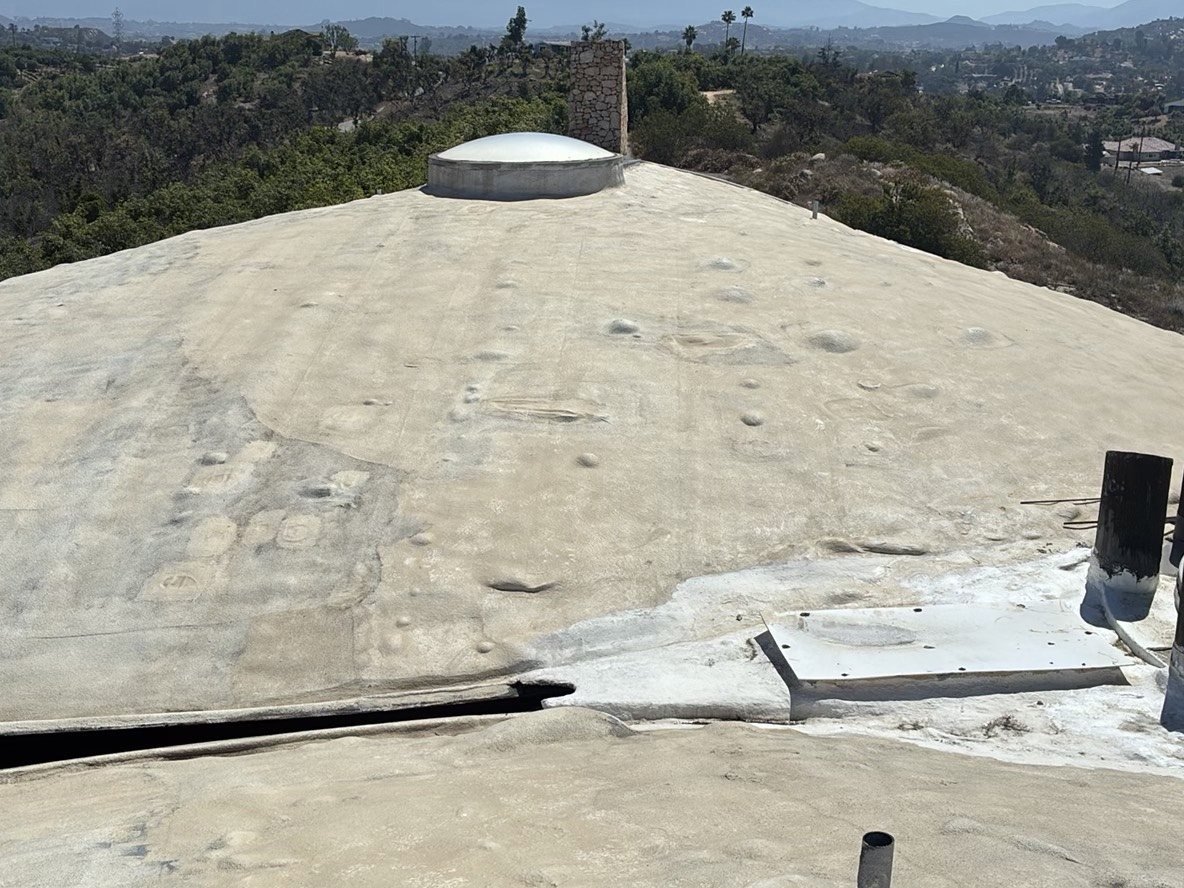
We work across the membrane types common to this part of south San Diego: TPO and other single-ply systems, modified bitumen, built-up roofing (BUR) with gravel ballast, and sprayed polyurethane foam. As we clean, we walk the field and the perimeter, noting how the surface, seams, flashings, and penetrations are holding up. This is condition cleaning and documentation, not a repair contract. We do not recoat, re-seam, or patch; when something needs that level of work, we flag it and refer a licensed roofing contractor.
Which Palm City concerns shape the job?
Palm City's location creates a specific mix of roof stress. Sitting close to the Otay River valley and Imperial Beach, buildings here catch marine air that carries salt and steady humidity, which feeds the dark biological growth and algae streaking you see on north-facing membrane and around shaded HVAC curbs. That same growth holds moisture against the roof and speeds up membrane breakdown.
Move a few blocks inland and the story flips: long stretches of dry heat and hard UV cook exposed BUR and foam, drying out surfacing and chalking single-ply. Then the older building stock, much of it from the 60s through 80s, often has roofs that have been recoated more than once and drainage that was marginal to begin with. Add the dust and grit that blows in off undeveloped Otay-area parcels, and scuppers clog quickly. The result we see most often in Palm City is ponding water sitting over clogged drains long after the rare rain has passed.
What do we commonly find on these Palm City roofs?
On a typical Palm City commercial roof, the most common finding is debris dammed up at scuppers and interior drains, with standing water rings showing where it ponds. Ponding is the headline problem here because flat roofs on slab buildings have very little slope to begin with, and decades of foot traffic and recoats have flattened them further.
We also routinely find biological growth and algae on shaded slopes, blistering and alligatoring on older BUR, open or lifting seams on aging TPO, and cracked or pulled flashing where the membrane meets parapet walls and equipment curbs. Around HVAC units we often see crushed insulation, abandoned condensate lines dumping onto the membrane, and rust staining. Skylights and pipe penetrations are frequent leak origins. We document each of these with location notes and photos so you can prioritize, but we report observed condition only, we do not bid or perform the repairs.
How does the process work and what report do you get?
We start at the roof access and walk the entire field methodically, drains first since clearing them is what protects the membrane most. We remove debris and growth, flush and clear every scupper and drain, and confirm water has a clear path off the roof. Throughout, we photograph the surface, seams, flashings, penetrations, and any distress we find.
You receive a HomeGauge report, typically same day or next day, organized by roof area with photos, plain-language condition notes, and clear flags on anything that warrants a licensed roofer's attention. The documentation does double duty: it helps you budget maintenance and it builds the paper trail many membrane warranties require, since manufacturers often expect proof of routine cleaning and drainage upkeep. If we observe a condition outside our scope, like an active leak needing a pressure test or structural movement at the deck, we tell you plainly and coordinate the right specialist.
Who does the work and why do owners choose us?
Joseph Romeo brings an InterNACHI Certified Professional Inspector credential and a California CSLB General Contractor license (#1113143), which means the person walking your roof understands building systems, not just surface cleaning. More than 20 years and over 10,000 inspections across San Diego County back that up, and our 4.9-star rating across 106 Google reviews reflects how we handle commercial clients: thorough, documented, and honest about what we see.
We keep our lane on purpose. We clean and document; major repairs, recoating, and re-roofs go to a licensed roofer so you get an independent record rather than a sales pitch dressed up as an inspection. We also do not perform termite or pest work, Phase I environmental assessments, or leak pressure-testing in house, we coordinate licensed specialists for those. For pricing, we keep it transparent through our published fee schedule rather than quoting numbers that do not fit your specific building.
Which inspections pair well with roof cleaning?
Roof cleaning often pairs with other work on Palm City commercial and mixed-use buildings. If you are buying, selling, or refinancing a property here, a full building condition inspection gives you the roof in context with the structure, electrical, plumbing, and HVAC. Many of our Palm City clients also schedule pre-listing inspections, drainage and grading reviews around slab foundations, and component checks ahead of tenant turnover.
Because the roof is usually one finding within a larger property, it makes sense to look at the building's complete service options and bundle where it saves you a second trip. From the Palm City home-inspection hub you can see the full range of inspections we offer locally, and our contact page is the fastest way to get a building on the schedule. We will tell you honestly which inspections your property actually needs.
Palm City Commercial Roof Cleaning FAQs
How often should a Palm City commercial roof be cleaned?
Do you repair the roof problems you find?
What does commercial roof cleaning cost in Palm City?
Why does water pond on my flat roof after it dries out elsewhere?
Can roof cleaning help with my membrane warranty?
Do you handle the HVAC units and skylights on the roof?
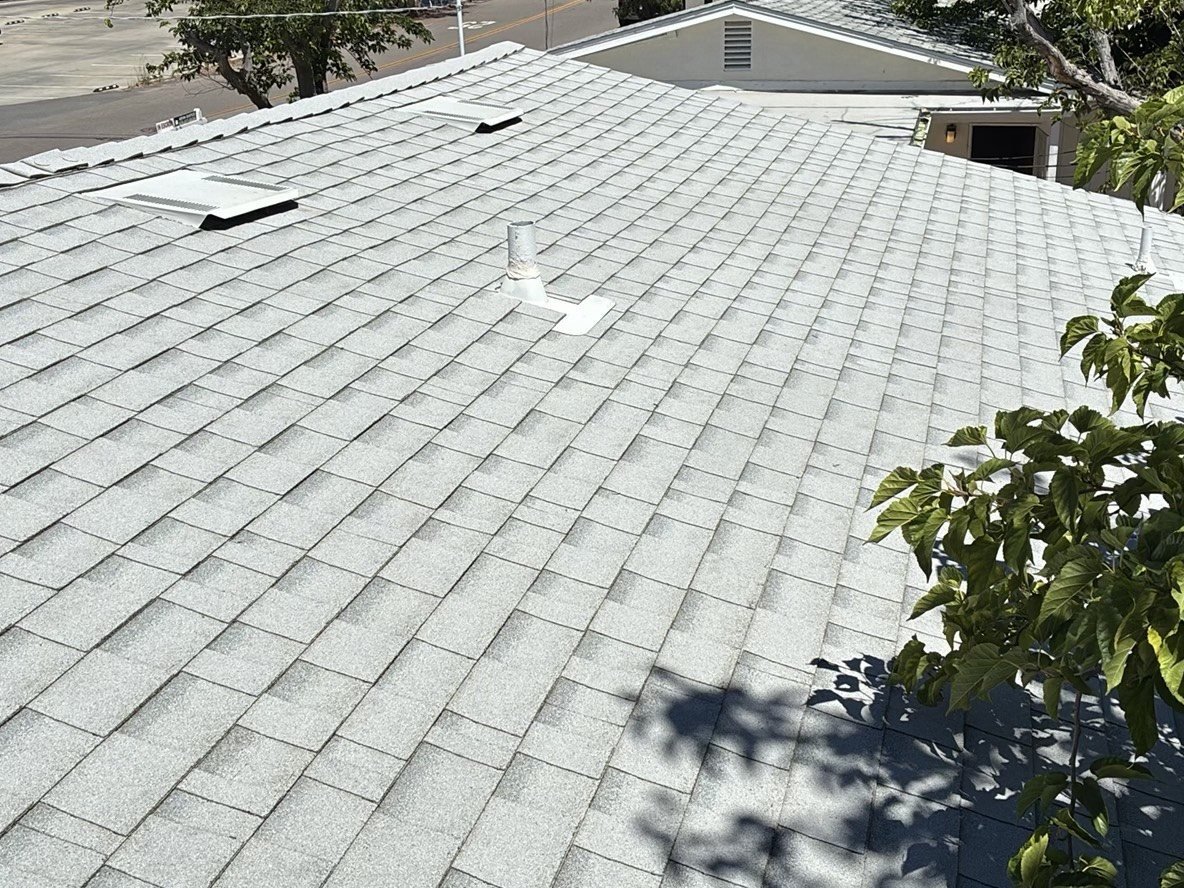
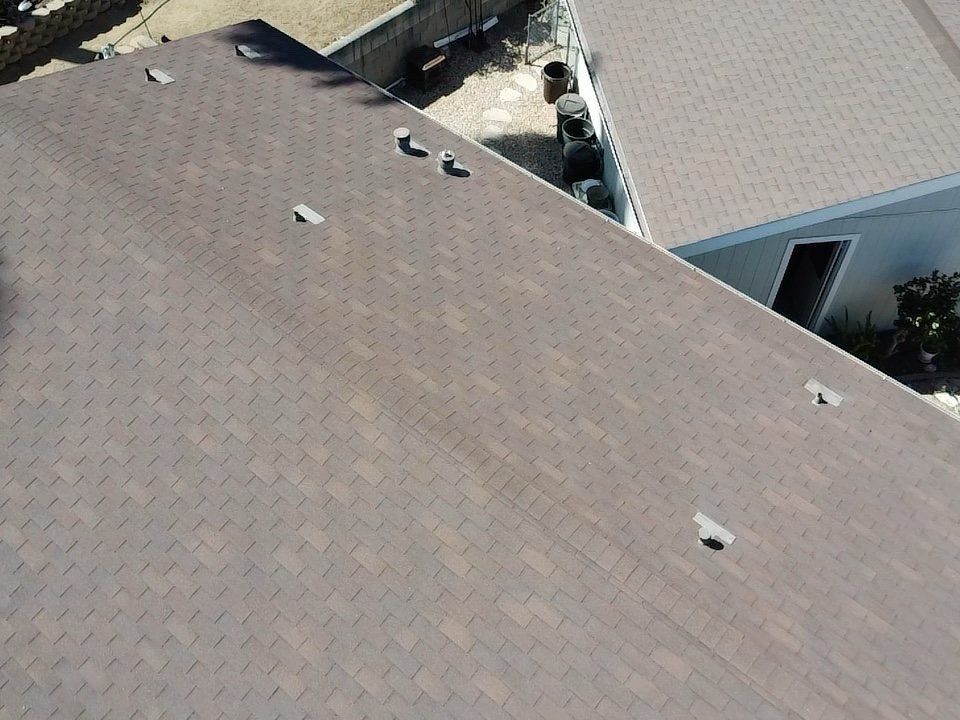
Large rooftops, handled
Flat and low-slope commercial roofs we access, document and maintain.
More inspections in Palm City
- Foundation slab survey in Palm City
- SB 721 balcony inspection in Palm City
- SB 326 balcony inspection in Palm City
- SB 721 exemption letter in Palm City
- Home inspection in Palm City
Nearby and countywide
Were You Happy With Your Inspection?
We are proud of our 4.9-star rating across 100+ Google reviews. If Joseph and the team did right by you, a quick Google review helps other San Diego County buyers and sellers find us.