
Pool & Spa Inspection in Palm City, San Diego
Palm City occupies the flat south end of San Diego, tucked between the Otay River bottom and the streets that run down toward San Ysidro and the border. Homes here went up mostly between the 1960s and 1980s, built on slabs across level ground, and many of those backyards gained a pool or a spa over the decades that followed. When a pool here is forty or fifty years old, the questions stack up fast: is the plaster on its last legs, has the pad been pieced together by three different owners, and does the safety wiring still protect anyone who climbs in? A standard home inspection skips most of that. Ours doesn't.
A pool and spa inspection from our office is a careful, eyes-on assessment of the parts that decide whether a backyard pool is an asset or a liability waiting to surface after closing. We look over the shell and finish, the surrounding deck and coping, the circulation plumbing within reach, the pump-filter-heater equipment, the electrical bonding and GFCI protection, and the barriers, gates, and anti-entrapment drain covers built to keep children away from the water. Everything visible and safely operable gets photographed and written up in a HomeGauge report you can take to the negotiating table. What sits outside our lane — buried leak testing and water chemistry — we hand off to a licensed pool specialist rather than fake an answer.
Call (619) 752-4399 Schedule an Inspection
What does a Palm City pool & spa inspection cover?
We approach the pool and spa as one linked system, starting at the water and working out to the equipment. On a typical Palm City property that means a documented look at:
- Shell and interior surface — plaster, pebble, or quartz on the pool plus the spa interior, inspected for cracking, hollow spots that signal delamination, etching, and the mineral staining that builds up over years of use.
- Deck, coping, and tile band — the perimeter slab, the expansion joint and its mastic, coping stones, and the waterline tile, with an eye toward movement and separation.
- Visible circulation lines — skimmers, returns, reachable suction piping, the valves and exposed plumbing at the pad, scanned for leaks and corrosion.
- Equipment pad — pump, filter, heater, plus any salt cell, automation timer, or spa blower, powered up to confirm it runs and moves water.
- Bonding and GFCI protection — the equipotential bonding that ties metal components together and the ground-fault protection on the pump, light, and receptacle circuits.
- Safety barriers and drains — enclosure height, self-closing self-latching gates, alarms where present, and VGB-compliant covers on the main drains.
Anywhere a line runs underground, a panel sits locked, or a heater can't be fired without risk, we tell you that plainly rather than dress up a guess as a finding.
Why do flat lots and Otay air matter for a Palm City pool?
This stretch of the South Bay carries its own set of conditions, and the neighborhood's age and low-lying ground steer where the inspection lingers:
- Otay River bottom nearby. Properties on the northern and western edges of Palm City sit close to the Otay floodplain, where the water table runs shallow and the dirt stays soft. The fallout shows on the surface as deck settlement, lifted finishes on a drained pool, fractured coping, and a chronically damp equipment area — so we study the grading and any slab movement with care.
- South Bay marine influence. Palm City sits a few miles inland of the Imperial Beach and Otay coast, and that ocean air still carries enough salt to gnaw at metal. Heater housings, pump unions, fasteners, conduit, and bare bonding wire all get a close look, and salt-chlorine systems accelerate the damage further.
- Slab pools from the 60s-80s. The housing stock here is largely single-story tract on concrete slab, and the pools were frequently dug in years after the home was finished. Decades-old original plaster, equipment cobbled together piece by piece, and drain covers that predate federal standards are all routine here.
- Level, compact backyards. Palm City's flat parcels often put the pool tight against the dwelling or the side fence, which raises practical questions about barrier compliance, the way a gate swings, and whether the equipment has any breathing room at all.
What problems show up most on Palm City pools and spas?
Walk enough South Bay backyards — the blocks off Coronado Avenue, the streets feeding toward Beyer and the Otay area — and a familiar list keeps repeating. None of these kills a deal on its own; they're conditions to grasp, get priced, and use as leverage before you commit:
- Worn, discolored surfaces. Etched plaster, hard-water staining, and hollow delaminated finishes on shells resurfaced or patched across multiple owners, often pushed well past a sensible refinish interval.
- Mismatched equipment. Pumps, filters, and heaters of different vintages stacked on one pad over the years, with heaters that fail to ignite and filters wheezing along past replacement age.
- Salt-air corrosion. Rusted housings, pitted conduit, and frozen hardware from marine moisture, amplified anywhere a salt-chlorine system is doing the sanitizing.
- Compromised bonding. Loose, corroded, or outright missing equipotential bonding at the pump, heater, and light niche — a true shock hazard and one of the most frequent defects we log on older South Bay pools.
- Absent GFCI. Pump, light, and equipment circuits plus nearby outlets installed before today's ground-fault rules took hold.
- Settled decks and weak barriers. Cracked, heaved, or sunken decking traced to soft floodplain soil, alongside short fences, gates that refuse to self-latch, and flat or expired main-drain covers that miss the federal VGB anti-entrapment standard — the safety items that matter most when kids are around.
How does the inspection run and what do you receive?
We arrange access through the agent or owner so the equipment has power and the pad is reachable, then run the pump, filter, heater, and spa — verifying flow at the skimmers and returns and working the valves — rather than passing judgment on a cold, idle system. As it cycles, we walk the perimeter, tap out the shell and tile, and operate every gate and latch the way a determined two-year-old would.
Given Palm City's distance from the coast is short enough for salt to reach the pad, the electrical safety items earn extra scrutiny — that's where marine moisture quietly erodes protection. We follow the visible bonding between metal parts, confirm GFCI protection on the pump and light circuits, and flag any corrosion at the disconnect. We photograph each main-drain cover and record whether it satisfies the current VGB anti-entrapment standard. Time on the property scales with the setup: a small attached spa wraps up quickly, while a full pool with automation and a salt cell runs longer.
Come along if you can — on a pool we push for it, since a corroded bonding clamp or a latch that won't catch registers far better in person than in a paragraph. The deliverable is a photo-documented HomeGauge file sorted by component, with the serious safety items lifted into a summary at the top, returned same day or next day so it lands well inside your contingency window. We document observed condition only and never quote or carry out the repairs we identify, so the report carries no hidden conflict.
Two tasks sit outside this inspection, and we draw that line out loud: pressurized leak detection and water chemistry balancing belong to a specialist. When what we observe hints at a leak or a chemistry problem — hardly rare on aging South Bay pools — we point you to a licensed pool specialist to take that on alongside our write-up.
Who inspects your Palm City pool and why does it matter?
A pool is simultaneously a structure, a machine, and an electrical system, and reading one properly rewards an inspector who grasps how the whole thing fits together instead of someone skimming the surface. Your inspection is run by Joseph Romeo, an InterNACHI Certified Professional Inspector (CPI) who also carries a California CSLB General Contractor license (#1113143). On Palm City's retrofit pools and floodplain-edge pads, that construction background pays off — he can read how a deck was poured, spot where an earlier resurface cut corners, and explain what a heater swap or a bonding fix actually entails.
- 20+ years and 10,000-plus inspections spanning San Diego County, from the South Bay to the mountains.
- 4.9 stars over 106 Google reviews from buyers, sellers, and the agents who keep calling back.
- Plain talk — we tell you what we'd want to know if our own kids were going in that water, leaning hardest on the safety items, with zero scare tactics and no upsell.
- Genuine grounding in the South Bay, from Palm City's tracts to the parcels bordering the Otay River.
For pressurized leak detection, plaster resurfacing, equipment replacement, or chemistry work, we'll route you to the right licensed pool specialist so every piece lands with the proper pro.
Which inspections pair well with a Palm City pool check?
A pool seldom warrants a standalone trip. Most Palm City buyers schedule the pool and spa inspection together with the house, often on a single coordinated visit:
- Full home inspection — the dwelling, roof, electrical, plumbing, and structure, the foundational read the pool report builds on.
- Roof inspection — the coverings and flashing that wear early under South Bay sun and salt-laden air.
- Thermal/infrared imaging — surfaces hidden moisture in decks, equipment-room walls, and the home's envelope, which earns its keep near the Otay bottom where the ground stays wet.
- Sewer scope — a camera run down the lateral, well worth it behind 60s-80s homes still on original clay or cast-iron line in soft, settling soil.
- Specialist referral — for leak detection, a structural certification, or a termite/WDO report, we coordinate the right licensed professional rather than overreach our scope.
The pairing we suggest most often is the pool inspection with a full home inspection, giving you one coordinated read on the entire property instead of two separate appointments. We recommend what suits your purchase, never a canned bundle.
Palm City Pool & Spa Inspection FAQs
How much is a Palm City pool and spa inspection?
Does Palm City's spot near the Otay floodplain change the inspection?
Does being inland of the coast still affect a Palm City pool?
Will you test for a leak or balance the water?
Do you check the pool fence and main-drain covers?
Can you inspect an older retrofit pool on a Palm City slab lot?
Pools and equipment
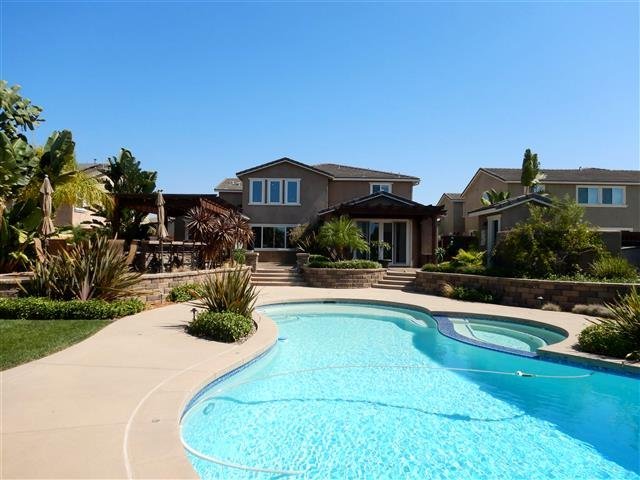
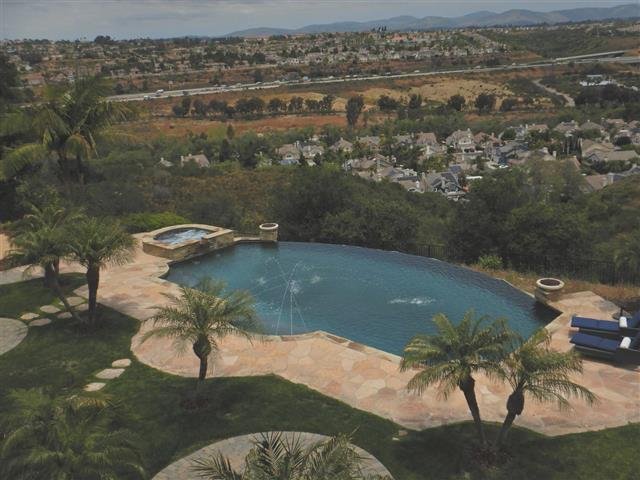
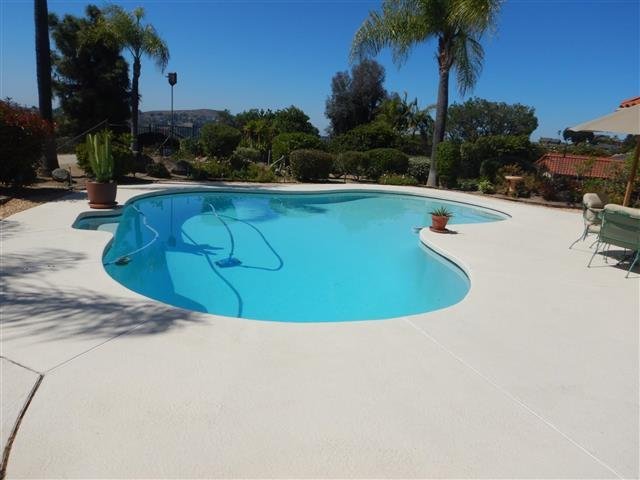
Pools, spas and equipment photographed during recent inspections.
More inspections in Palm City
- 4-point inspection in Palm City
- Roof inspection in Palm City
- Thermal imaging in Palm City
- Foundation slab survey in Palm City
- Home inspection in Palm City
Nearby and countywide
Were You Happy With Your Inspection?
We are proud of our 4.9-star rating across 100+ Google reviews. If Joseph and the team did right by you, a quick Google review helps other San Diego County buyers and sellers find us.