
Foundation & Slab Inspection in Palm City, San Diego
Palm City occupies a flat stretch of south San Diego between the Otay River bottomlands and the streets that run down toward Imperial Beach. The houses here are overwhelmingly tract-built between the 1960s and the early 1980s, and nearly every one of them sits on a poured slab-on-grade foundation rather than a raised crawlspace. That single fact shapes how a foundation looks here as it ages: when a Palm City slab moves, you read it from above, through the floors, the doors, and the cracks that work their way up the walls. A foundation and slab inspection puts a name to what you are seeing and tells you whether it is the harmless shrinkage every concrete pour develops or something that has actually shifted.
Joseph Romeo handles this work. He owns The Real Estate Inspection Company, carries the InterNACHI Certified Professional Inspector credential, and holds a CSLB General Contractor license (#1113143). Over 20-plus years and more than 10,000 inspections across the county, he has learned how these low, level lots near the river behave under decades-old concrete. Below is the scope of the inspection, the soil and drainage realities particular to Palm City, and how the findings reach you.
Call (619) 752-4399 Schedule an Inspection
What does a Palm City foundation and slab inspection cover?
Step one is establishing what kind of foundation you actually have, because that decides where the evidence will show up. In Palm City the answer is almost always slab-on-grade poured for a 1960s-to-1980s tract home. A few remodeled or older parcels carry a raised perimeter with a crawlspace, and the newest infill construction may use a post-tension slab, which has steel cables you never want to drill into without knowing where they run.
With the type confirmed, the inspection becomes a structured walk through the symptoms. Indoors I gauge how level the floors run from room to room, watch for cracks pushing up through tile and sheet flooring, and study the drywall where door and window corners meet for the diagonal fractures that trail behind movement. Every door and window gets tested for binding and an out-of-square fit. Outdoors I trace the exposed slab edge and any stem wall for cracking and separation, then follow the grading, downspouts, and patio slabs to learn where rainwater is really going. This is a visual, non-invasive look at present condition. I do not cut into finishes, core the concrete, or run structural math.
How does the ground under Palm City affect a slab?
The character of a Palm City foundation traces straight back to the dirt holding it up, and this corner of the south county has its own quirks. The neighborhood sits on low, level terrain on the fringe of the Otay River valley, where the seasonal water table runs shallow and the subgrade can stay damp long after higher ground has drained. Persistently wet soil under a slab keeps the support beneath it soft, and soft, uneven support is precisely what lets a slab settle, dish, or crack across the years.
Two more factors stack on top of that. Much of the South Bay carries clay-rich, expansive soil that swells as it takes on winter rain and contracts through the dry season, a yearly rise-and-fall that opens cracks and racks door frames on a predictable schedule. And portions of these flats sit on graded or filled ground from the tract-building era, where fill that was never fully compacted can settle unevenly and pull a single corner of the slab down with it. None of this means a house is failing. It means I read what the structure is showing against the ground it stands on rather than assuming the worst from a single crack.
What do we commonly find on Palm City slab homes?
After this many years on south county slabs, the same items keep surfacing, and most are nothing to lose sleep over. On a standard 60s-to-80s Palm City house I routinely document hairline shrinkage cracks at the slab edge and garage floor, mild floor slope, and thin drywall cracks that have sat unchanged for years. Those get labeled cosmetic and the report moves on. The findings that earn a harder look are cracks with a vertical lip or sideways offset, a floor that pitches clearly toward one wall, or a cluster of doors and windows in the same room that all drag the same direction, since those patterns suggest movement worth tracking.
The two recurring culprits behind Palm City cracking are drainage steering water back at the house and moisture lingering under the slab because the flats hold water. Yard grade that tips toward the foundation, downspouts dumping at the base of a wall, and dead-flat lots with nowhere to shed runoff quietly drive a fair share of what I find. Where the evidence points toward active or structural movement, I flag it in plain terms and recommend a licensed structural engineer for certification or repair design instead of guessing at the cause myself.
How does the inspection work and what report do you get?
On site I run the home as a circuit, exterior then interior. Around the outside I follow the visible slab edge and any stem wall, read where the grading and downspouts send water on a flat lot, and note hardscape that has lifted or settled. Inside I check floors for slope and bounce room by room, work the doors and windows that fight their frames, and trace drywall cracks back to the corners they radiate from. If the house happens to have an accessible crawlspace, I get under it for posts, girders, and moisture; on a slab or post-tension floor I read the surface and never drill into it. Anywhere access is blocked, I write that down so nothing gets silently skipped.
Your report comes through HomeGauge, typically the same day or the next morning, with a photo tied to every finding and plain-language notes that label each one by crack pattern, slope, or moisture indicator. Items are sorted so a cosmetic shrinkage crack reads clearly apart from a condition that needs a specialist, and the file forwards cleanly to your agent, lender, or an engineer. When something genuinely calls for further evaluation, I say so directly and point you to the right licensed professional.
Who performs the inspection and why does it matter?
Foundation questions land better when the person reading the slab has also built things. Joseph Romeo holds the InterNACHI Certified Professional Inspector credential together with a CSLB General Contractor license (#1113143), and that construction background is what separates a real structural signal from ordinary settling. Across 20-plus years and over 10,000 inspections throughout San Diego County, including deep time on the South Bay's flat, moisture-prone lots, he has watched how this ground works on slab homes decade after decade.
The company carries a 4.9-star rating across 106 Google reviews. We hold a tight scope and report only what we observe: no termite/WDO or pest work, no leak pressure-testing, and no engineering certifications, and we never bid or perform repairs. When one of those becomes necessary, we coordinate or refer a licensed specialist so your evaluation stays independent and your read stays honest. Reach Joe directly at (619) 752-4399 or joe@sandiegohomeinspection.com to get on the schedule.
Which inspections pair well with a Palm City slab check?
The foundation inspection settles the structural question, and a few related services often belong on the same trip through a Palm City property. A full Palm City home inspection places the slab findings beside the roof, plumbing, electrical, and HVAC so you see the entire house rather than one piece of it. Because so much of the trouble out on these flats traces back to water, a drainage and grading review usually pays for itself. The original cast-iron and clay sewer laterals under these older tract homes are worth a camera pass too, since a cracked or root-bound line often tracks the same soil movement as the foundation. Browse the full services list or reach us through the contact page to build the right package for your home.
Palm City Foundation & Slab Inspection FAQs
Should I worry about the crack in my Palm City slab?
Does being near the Otay River flats affect my foundation?
My Palm City home is on a slab. Can you inspect under it?
Why do my doors stick and walls crack only in certain seasons?
Will you certify the foundation or handle the repairs?
What does a Palm City foundation inspection cost, and how fast is the report?
Slab surveys in action
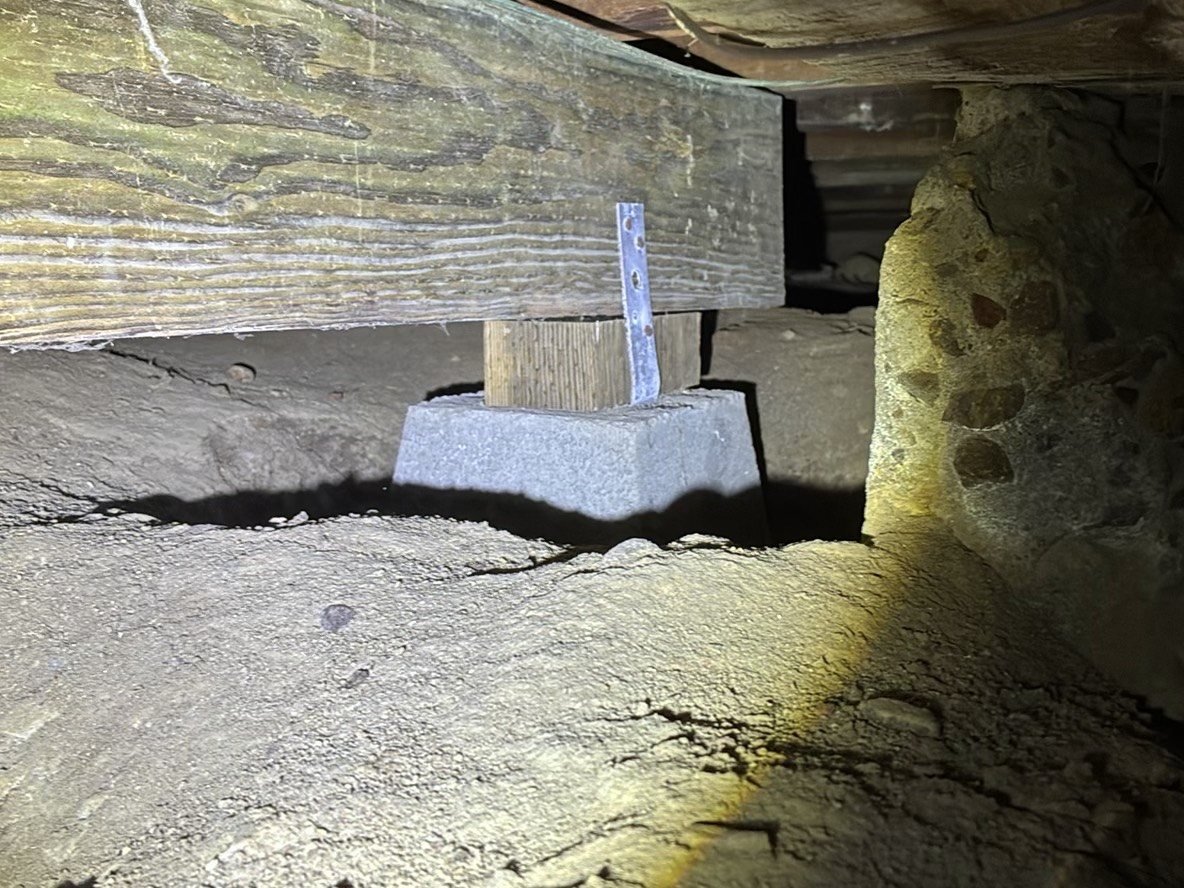
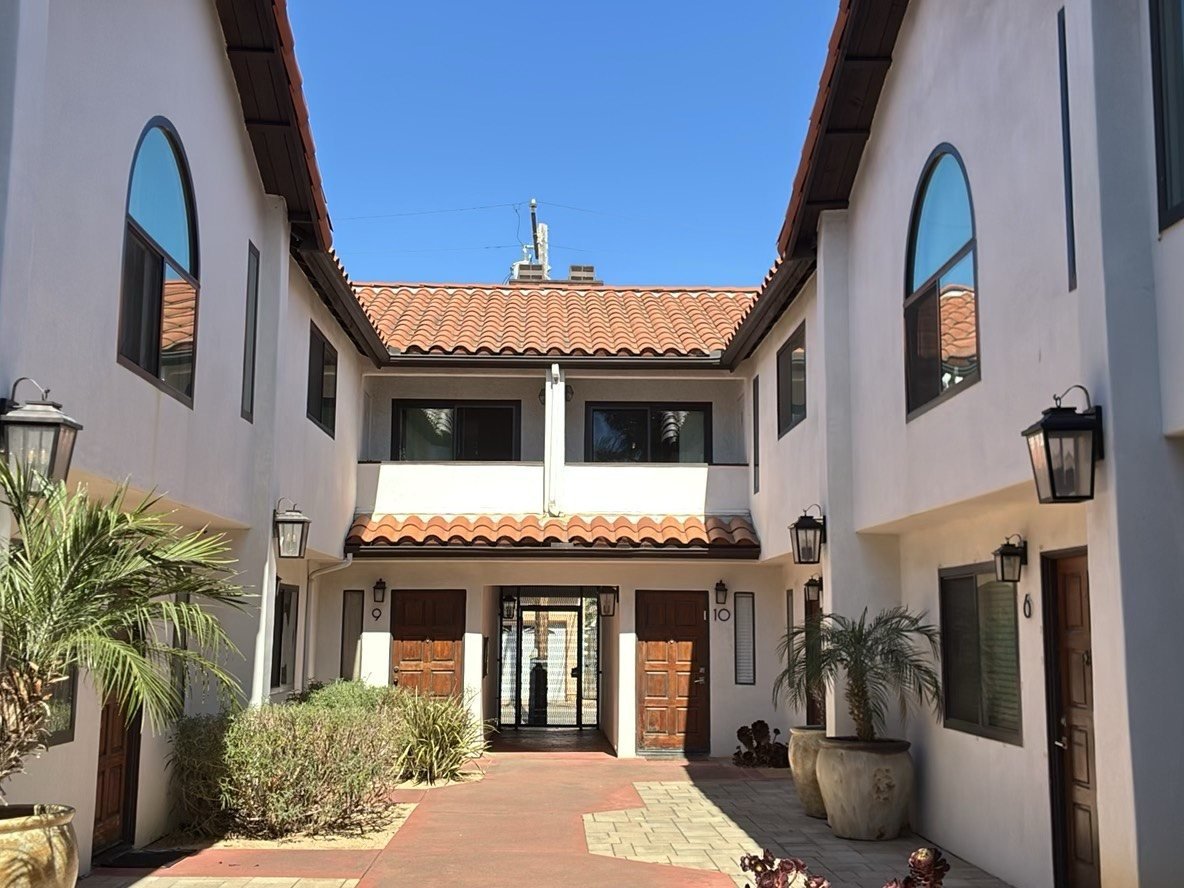
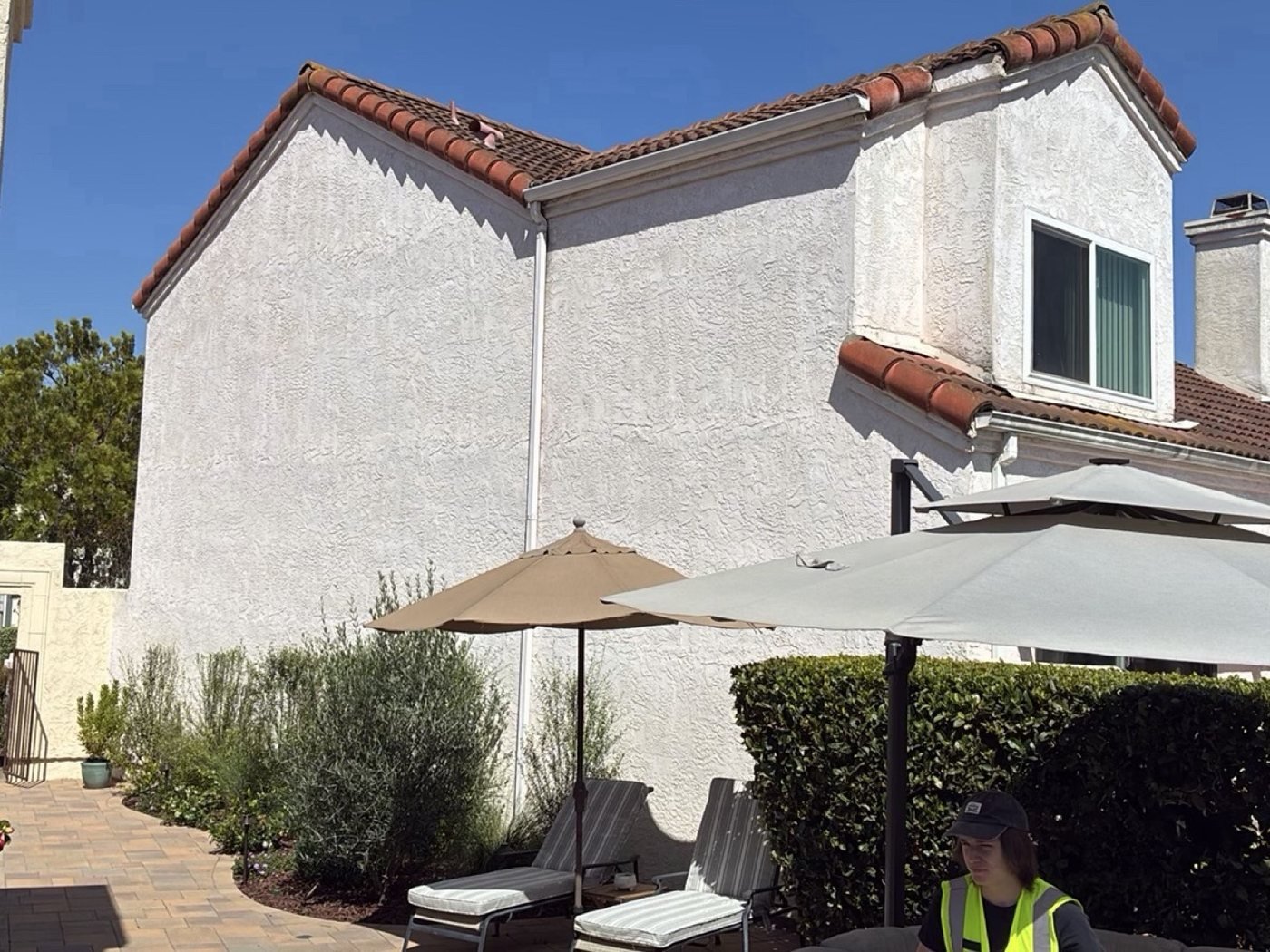
ZipLevel altimeter measurements and foundation documentation from recent surveys.
More inspections in Palm City
- Seller inspection in Palm City
- Warranty inspection in Palm City
- Commercial roof cleaning in Palm City
- Commercial inspection in Palm City
- Home inspection in Palm City
Nearby and countywide
Were You Happy With Your Inspection?
We are proud of our 4.9-star rating across 100+ Google reviews. If Joseph and the team did right by you, a quick Google review helps other San Diego County buyers and sellers find us.