
Foundation & Slab Inspection in Nestor, San Diego
Nestor sits on the flat coastal plain of south San Diego, tucked between Imperial Beach and the Tijuana River valley. Most of the neighborhood went up as tract housing between the 1950s and 1970s, almost all of it on slab-on-grade, and that combination of low, level ground and aging concrete drives the foundation work we do here. A foundation and slab inspection tells you whether the slab and the soil beneath it are still doing their job, or whether something has shifted, settled, or stayed wet long enough to need attention.
The work is led by Joseph Romeo, owner of The Real Estate Inspection Company, an InterNACHI Certified Professional Inspector and a CSLB-licensed General Contractor (#1113143). With 20-plus years and over 10,000 inspections behind him, he reads a slab the way a builder does, then writes it up so a buyer can actually use it. What follows is what we examine, the conditions specific to Nestor, and how the findings get to you.
Call (619) 752-4399 Schedule an Inspection
What do we examine on a Nestor slab home?
The first job on any property is confirming the foundation type, since that decides where we look and what failures we expect. In Nestor that almost always means slab-on-grade poured for postwar tract homes, with the occasional raised perimeter and crawlspace on an older or remodeled lot, and post-tension slabs on the newer infill built closer to the river edge.
From there we work the home methodically. Inside, we check floor levelness room to room, watch for cracks telegraphing through tile and vinyl, and read drywall at door and window corners for the diagonal cracking that follows movement. We test doors and windows for sticking, dragging, and out-of-square frames. Outside, we examine the exposed slab edge and stem wall for cracking, spalling, and separation, then study the grading, downspouts, and hardscape to see where rainwater actually goes. It is a visual, non-invasive assessment of what the structure is showing today. We do not core the slab, open finishes, or run engineering calculations.
How do the river valley and Nestor's soils affect a slab?
What sets Nestor apart from the hillside neighborhoods to the north is the ground itself. This is low, flat alluvial plain on the margin of the Tijuana River valley, which means a shallow water table and soils that hold moisture long after the rest of the county has dried out. Damp ground under a slab keeps the subgrade soft, and soft or uneven support is what lets a slab dish, tilt, or crack over decades.
Parts of the area also sit on or near filled and low-lying land, where settlement of poorly compacted fill can show up as localized floor slope or a stem-wall crack at one corner of the house. Lots backing the river valley carry the added question of drainage and flood history, since standing water and saturated soil undermine footings and feed corrosion at any exposed rebar or anchor bolt. We weigh all of this against what the structure is actually telling us rather than assuming the worst.
What do we commonly find on Nestor properties?
On the typical 50s-to-70s slab house, most of what we document is ordinary aging: shrinkage cracks in the slab and stem wall that are cosmetic, minor floor slope, and hairline drywall cracks that have been there for years. Those we call cosmetic and move on. What earns a closer look is a crack with vertical or lateral offset, a floor that slopes noticeably toward one wall, or doors and windows across a single room that all bind the same way, since those patterns point to movement worth tracking.
Two issues come up again and again in Nestor: drainage that pushes water back toward the house, and moisture lingering against or under the slab because the ground stays wet. Negative grading, buried downspouts, and flat lots with nowhere for water to drain are the usual culprits, and they quietly drive a lot of the cracking we see. Where the evidence suggests active or structural movement, we flag it plainly and recommend a licensed structural engineer for certification or repair design instead of guessing at the cause.
How do we inspect and what report do you get?
On site we cover the home inside and out: floors and openings room by room, the visible slab edge and stem wall around the perimeter, any accessible crawlspace, and the grading and drainage that determine where water ends up. We photograph each crack, slope, stain, and movement indicator, and we note anywhere access was limited so nothing gets quietly skipped.
You receive a HomeGauge report, usually the same or next day, with photographs and plain-language descriptions tied to every finding. Items are sorted so a cosmetic shrinkage crack reads differently from a condition that needs a specialist, and the report forwards cleanly to your agent, lender, or an engineer. When something warrants further evaluation, we say so directly and point you to the right licensed professional.
Why do homeowners call Joseph Romeo for foundations?
Foundation questions are easier to answer when the person reading the slab has also built structures. Joseph Romeo holds the InterNACHI Certified Professional Inspector credential and a CSLB General Contractor license (#1113143), and that hands-on construction background is exactly what separates a serious structural signal from ordinary settling. Across 20-plus years and more than 10,000 inspections throughout San Diego County, he has watched how the south county's flat, moisture-prone ground works on slab homes over time.
The company holds a 4.9-star rating across 106 Google reviews. We stay in our lane and report only what we observe: we do not perform termite/WDO or pest work, leak pressure-testing, or engineering certifications, and we do not bid or perform repairs. When one of those is called for, we coordinate or refer a licensed specialist so your evaluation stays independent.
Which related inspections pair with a Nestor slab review?
Foundation and slab work fits naturally alongside the rest of an inspection on a Nestor home. A full home inspection sets the foundation findings next to the roof, plumbing, electrical, and HVAC so you see the whole picture. Given how much of the trouble here traces back to water, a drainage and moisture review is usually worth bundling in. Because these are older wood-framed tract houses, many buyers also arrange a separate termite/WDO inspection through a licensed specialist, which we can help coordinate. Browse the full services list or reach us through the contact page to build the right combination for your property.
Nestor Foundation & Slab Inspection FAQs
Is the crack in my Nestor slab something to worry about?
Does being near the Tijuana River valley affect my foundation?
Most Nestor homes are slab-on-grade. Can you still inspect under them?
How much does a foundation inspection in Nestor cost?
Will you certify the foundation or do the repairs?
How soon will I have the report?
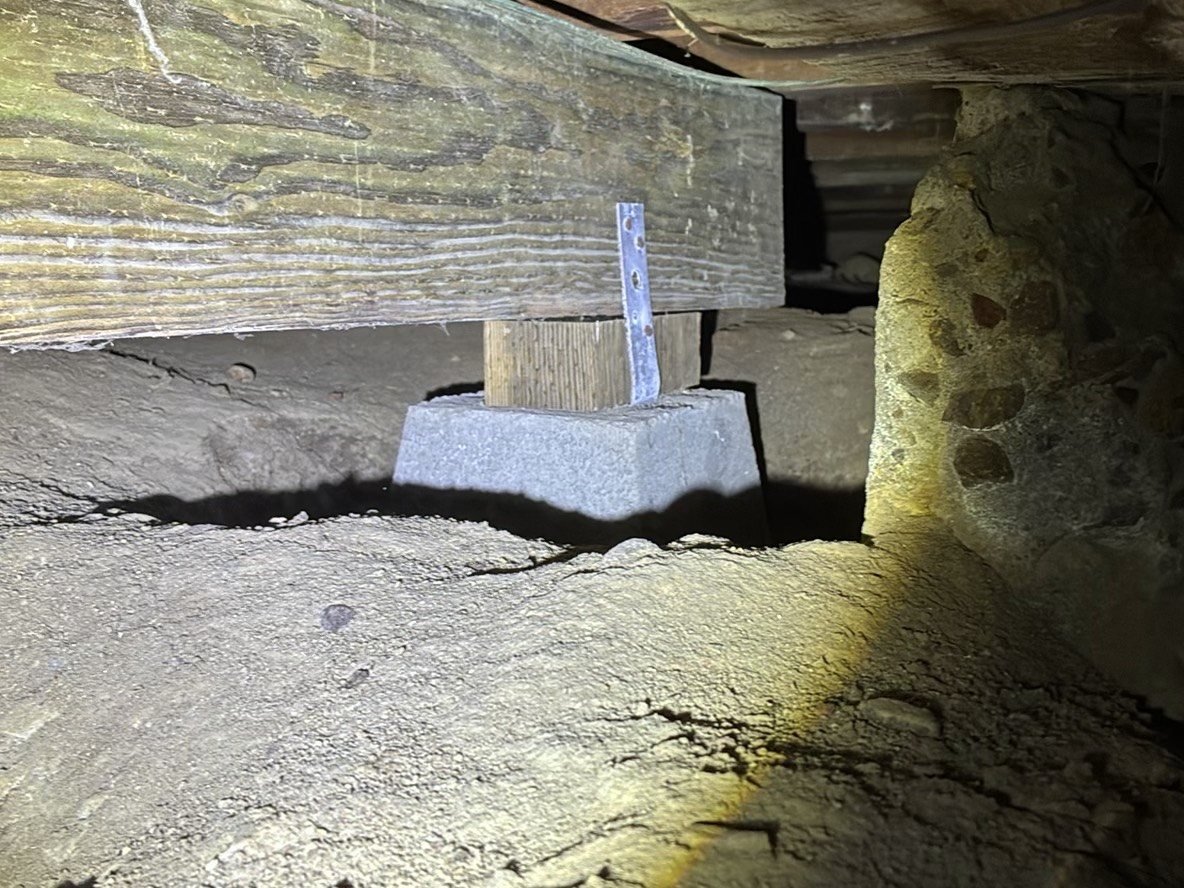
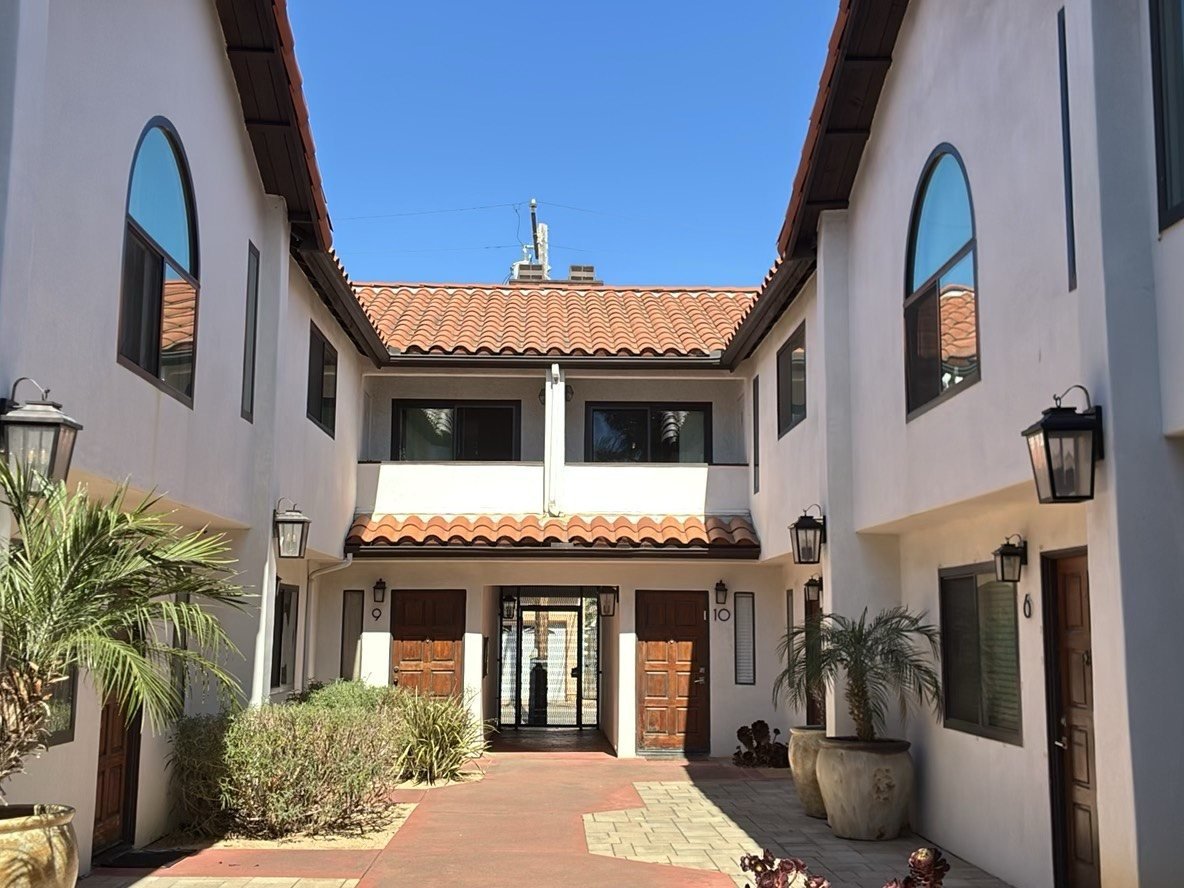
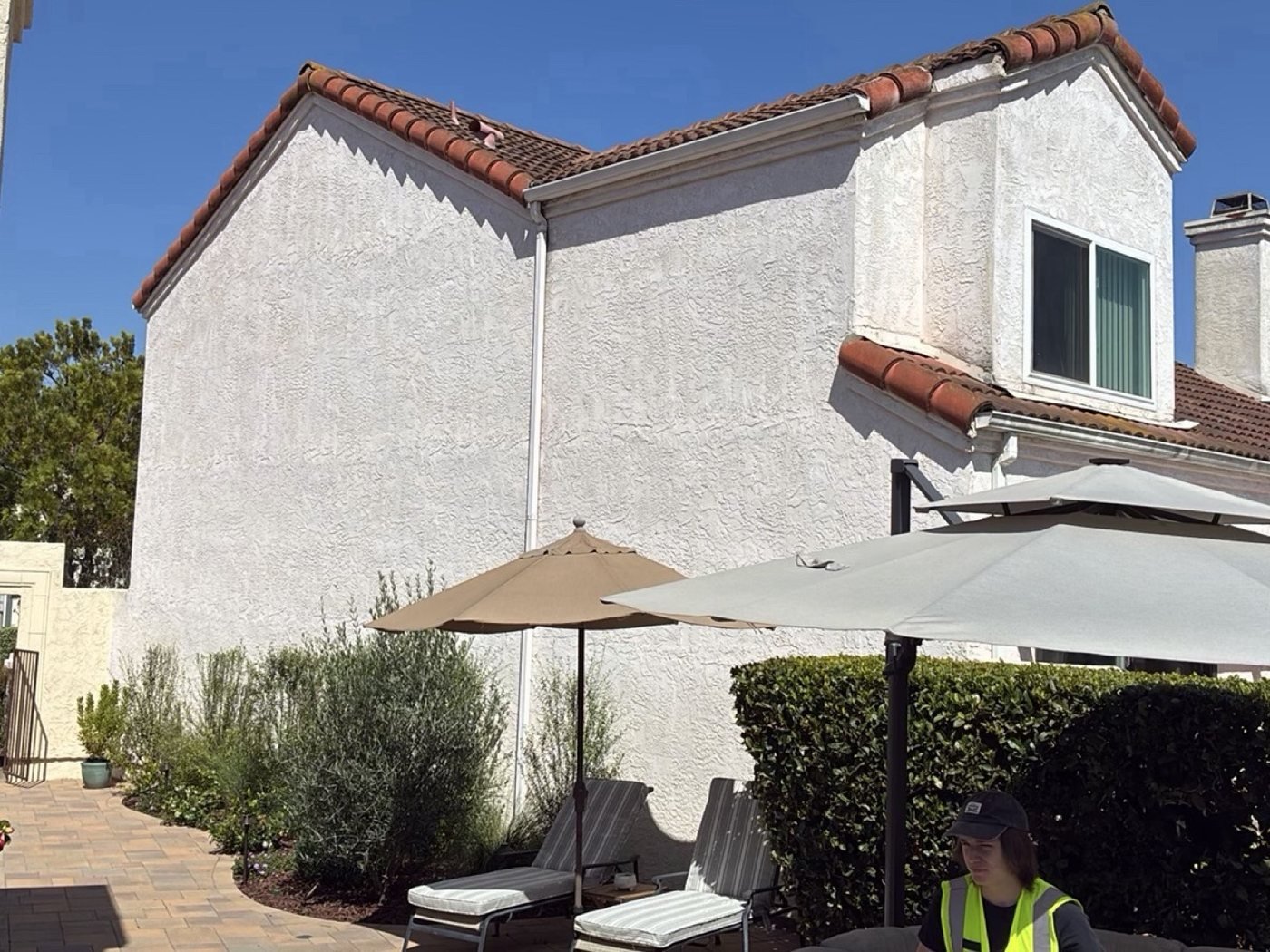
Slab surveys in action
ZipLevel altimeter measurements and foundation documentation from recent surveys.
More inspections in Nestor
- Thermal imaging in Nestor
- SB 721 balcony inspection in Nestor
- SB 326 balcony inspection in Nestor
- SB 721 exemption letter in Nestor
- Home inspection in Nestor
Nearby and countywide
Were You Happy With Your Inspection?
We are proud of our 4.9-star rating across 100+ Google reviews. If Joseph and the team did right by you, a quick Google review helps other San Diego County buyers and sellers find us.