
Seller's Pre-Listing Inspection in Nestor, San Diego
Nestor sits in the south end of San Diego, tucked behind Imperial Beach where the flat coastal plain meets the edge of the Tijuana River valley. Most of the neighborhood went up between the 1950s and 1970s as single-story tract housing on concrete slabs — modest, well-built for its day, and now five to seven decades into systems that were never designed to run forever. A buyer's inspector walking one of these homes already knows what to look for. A seller's pre-listing inspection lets you see the same picture first, on your own clock, by ordering the identical whole-house inspection before you ever put a sign in the yard.
The advantage is timing. We inspect to the InterNACHI Standards of Practice — the same scope and the same systems a buyer's inspector will cover — but the findings land in your hands while the schedule is still yours to set. You decide what to repair, what to disclose and fold into your price, and how to walk into showings with documentation instead of hoping nothing turns up. On Nestor's aging slab tracts, that head start is often the difference between a smooth close and a renegotiation you didn't see coming.
Call (619) 752-4399 Schedule an Inspection
What does a Nestor pre-listing inspection cover?
This is a full home inspection, every accessible system from the slab to the roofline, performed to the InterNACHI Standards of Practice your buyer's inspector will follow. The aim is straightforward: the report you receive should read like the one a buyer would otherwise present to you mid-escrow — without the bargaining edge a surprise hands them. On a Nestor home we look at and photograph:
- Roof and exterior envelope — coverings, flashing, fascia, stucco, and trim on homes that have weathered fifty-plus seasons of coastal sun and damp.
- Slab and grounds — the concrete slab these tract homes sit on, foundation perimeter, lot grading, and how runoff moves on flat valley-edge ground.
- Electrical, plumbing, and equipment — service panel and branch circuits, water and waste lines, the water heater, and the furnace or any cooling gear, with attention to the dated hardware common to this era.
- Interior, attic, and crawlspace — ceilings, walls, windows, attic insulation and venting, and any sub-area, checking for the moisture and wear an older slab tract collects.
The scope matches a buyer's inspection point for point. What changes is when you read it and who reads it next — written as observed condition for your agent and prospective buyers, never a sales angle, never a repair bid.
How do the river valley and tract-era build shape Nestor homes?
Nestor's character comes from two things: when it was built and where it sits. The housing stock is overwhelmingly postwar tract on slab, parked on the flat plain that runs out toward the Tijuana River valley. That combination drives most of what a local buyer's inspector flags:
- Tract-era systems past their prime. Original panels, branch wiring, galvanized supply pipe, and cast-iron drains from the 50s through 70s are commonly at or beyond service life, even in a tidy home.
- Slab-on-grade movement. These homes ride on slabs over the valley's soils; minor settlement cracks, uneven floors, and slab-edge moisture show up often and deserve a clear read before listing.
- Valley-edge drainage and damp. Properties toward the low end of the neighborhood, nearer the river valley, sit on flat ground where runoff and a higher water table make grading and drainage worth a careful look.
- Coastal-air weathering. Close enough to the ocean that salt-laden air still works on flashing, exterior disconnects, and metal fittings, just less aggressively than on the IB beachfront.
- Layered remodels. Decades of owner updates — added rooms, swapped panels, re-piped sections — mean newer finishes often sit over original bones a buyer's report will separate out.
Which findings recur on Nestor homes before listing?
Inspect enough houses across Nestor's tract blocks and the same pre-listing items keep surfacing. None of them has to alarm a buyer — the point of catching them now is that you choose how to handle each, rather than reacting once you're under contract:
- Dated electrical panels and wiring. Aged or recalled panels, ungrounded two-prong circuits, and missing GFCI protection at kitchens, baths, and exterior outlets — routine on homes this age.
- Aging supply and drain lines. Galvanized supply pipe corroding toward closed and original cast-iron or clay drains and laterals that crack and draw roots under mature street trees.
- Slab cracks and floor irregularity. Settlement cracking, hairline slab movement, and uneven flooring that read worse to a worried buyer than they do once an inspector frames them in context.
- Roof and envelope wear. Coverings and flashing with less life left than the roof's age suggests, plus soft fascia, cracked stucco, and tired window seals.
- Water heaters and HVAC at end of life. Units past warranty, missing seismic strapping, aged furnaces, and corroded condensers — the quiet punch list a seller can clear ahead of photos.
How does the visit run and what report do you list with?
We schedule around your listing timeline — usually a week or two before you go active, leaving room to address whatever you decide to handle before photos and showings. Joseph Romeo works the home from end to end: pulling the panel cover, checking supply lines and the water heater, firing the furnace and any cooling gear, walking the roof and envelope where it's safe, and reading the slab, the foundation perimeter, the grading, and any sub-area. You're welcome to follow along — seeing a slab crack or a corroded panel in person makes the repair-or-disclose call far simpler than a line on a page.
Your deliverable is a complete HomeGauge report, same day or next day, with photos and plain-language findings you can pass straight to your agent and to serious buyers. Because the report is yours first, you steer what happens next: fix what's worth fixing, disclose and price around the rest, and use the report's built-in request list to keep repair items organized. On a Nestor listing, a clean or well-documented pre-listing report tells a buyer the home has been looked after — a real trust signal when so much of the stock is the same vintage.
One boundary we hold to: we report observed condition only. We don't bid or perform repairs on a home we inspect, and we don't run termite/WDO reports, leak pressure-tests, Phase I environmental work, or structural certifications in-house — when a finding calls for one, we say so plainly and coordinate or refer the right licensed specialist. That keeps your report credible and conflict-free in a buyer's eyes.
Who brings the contractor judgment behind your Nestor report?
A pre-listing inspection is only as good as the judgment behind it, because you'll make genuine repair-versus-disclose decisions off what it says. Your inspection is led by Joseph Romeo, an InterNACHI Certified Professional Inspector (CPI) who also holds a California CSLB General Contractor license (#1113143). On a neighborhood of half-century-old slab tracts with layered owner updates, that building background is the seller's edge — he can tell you whether a settlement crack or a dated panel is a quick correction or a real project, so you can weigh fixing it now against the credit a buyer would likely ask for later.
- 20+ years and more than 10,000 inspections across San Diego County, including the South Bay and South San Diego communities.
- 4.9 stars across 106 Google reviews from sellers, buyers, and the agents who send them.
- Real familiarity with Nestor's tract stock — 50s-through-70s single-story slab homes and the updates owners have layered on since.
- Reports an agent can put to work directly — clear enough to share with buyers, honest enough to hold up on a showing.
For the record: we're InterNACHI CPI and CSLB-licensed. We are not ASHI or CREIA members, and we don't post flat prices on a page — the fee tracks the property, so we point you to the fee schedule or confirm a quote before you book.
Which inspections are worth adding before a Nestor sale?
A pre-listing inspection answers the whole-house question, but Nestor's age, slab construction, and valley-edge ground often make a closer look at one system worth doing on the same visit — the items a local buyer is most likely to chase:
- Sewer scope inspection — a camera down the buried lateral the home inspection can't enter, frequently aging cast iron or clay and root-intruded under Nestor's older streets, and a classic late-escrow surprise.
- Roof inspection — a detailed read of sun- and salt-worn coverings, seams, and flashing when you want specifics before deciding to repair or disclose.
- Thermal/infrared imaging — surfaces hidden moisture behind walls and ceilings, useful on a flat valley-edge lot and reassuring on a home this age.
- Specialist coordination — for termite/WDO, a structural or engineering opinion, or a leak pressure-test, we coordinate and refer the right licensed professional rather than stretch past our scope.
Pairing the pre-listing inspection with a sewer scope in one trip is the cleanest way to clear the two items Nestor buyers most often use to reopen a negotiation.
Nestor Seller's Pre-Listing Inspection FAQs
What is a seller's pre-listing inspection in Nestor?
My Nestor home is on a slab. What does the inspection check there?
Why inspect before the buyer's inspector does in Nestor?
Does the report help with my California seller disclosures?
Do I have to fix everything the inspection finds before listing?
How soon before listing should I schedule, and how fast is the report?
Pre-listing documentation
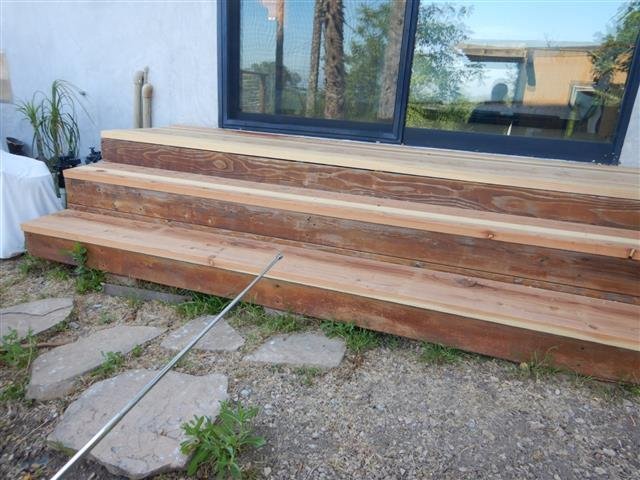
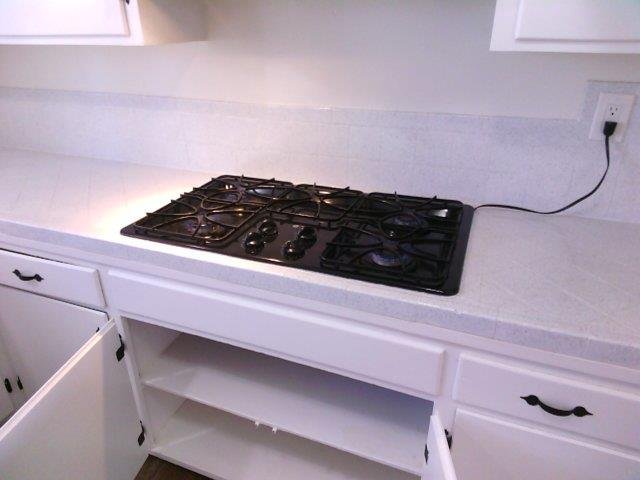
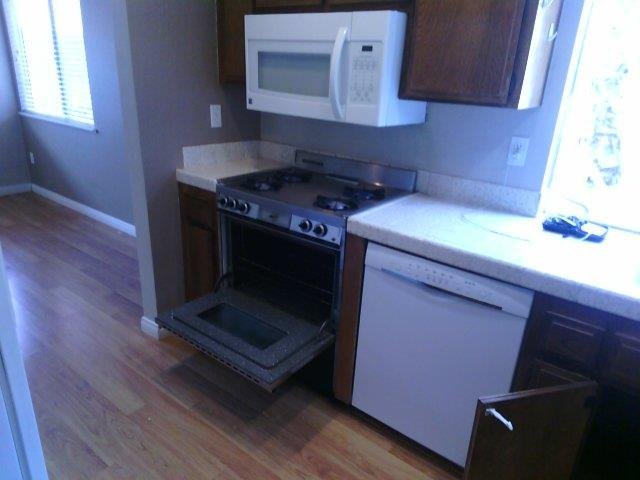
Pre-listing inspection photos from across San Diego County.
More inspections in Nestor
- SB 721 exemption letter in Nestor
- Warranty inspection in Nestor
- Commercial roof cleaning in Nestor
- Commercial inspection in Nestor
- Home inspection in Nestor
Nearby and countywide
Were You Happy With Your Inspection?
We are proud of our 4.9-star rating across 100+ Google reviews. If Joseph and the team did right by you, a quick Google review helps other San Diego County buyers and sellers find us.