
4-Point Inspection in Nestor, San Diego, CA
If an insurer has told you it needs a 4-point inspection before it will write or renew the policy on a Nestor house, the request is almost always about age, not curb appeal. A 4-point is a tight, underwriter-formatted look at the four systems responsible for the costliest claims — roof, electrical, plumbing, and heating and cooling. Carriers want those four confirmed as sound on an older home before they commit, and Nestor is full of homes that fit the profile: the single-story tract houses built from the 1950s through the 1970s on the flat streets off Hollister and Coronado Avenue, the slab-on-grade builds laid out south of the 5 toward the Tijuana River valley, and the modest postwar lots tucked between Imperial Beach and San Ysidro.
A 4-point is not a full home inspection, and we keep that line clear. It records how old each of the four systems is, what it is made of, what condition it is in today, and which items an underwriter won't overlook — obsolete electrical panels, dated branch wiring, supply pipe near the end of its run, water heaters and furnaces aged past their service window, and roof covering with little life remaining. Nestor sits on a low coastal plain a couple of miles inland from the surf, on the edge of the wide Tijuana River valley, and that combination of mid-century slab construction and damp valley ground is exactly what a carrier wants checked before it signs.
Call (619) 752-4399 Schedule an Inspection
What does a Nestor 4-point inspection actually cover?
The report holds to four systems, but it reads each one the way an underwriter scores it — and in Nestor's tract housing, each carries its own mid-century wrinkle:
- Roof — covering material (composition shingle covers most of the single-story tract stock, with some low-slope sections over additions and the occasional tile reroof), rough age, and estimated life left. On these flat-lot homes we note dried-out shingle, worn flashing, and aging penetrations that signal a roof working through its final years.
- Electrical — panel brand and amperage, branch wiring type, and the gear carriers turn down on sight: Federal Pacific (FPE), Zinsco, and Sylvania panels, along with aluminum branch wiring and any cloth-insulated runs lingering in the oldest 1950s builds.
- Plumbing — supply material (copper, polybutylene from a later remodel, or original galvanized going to rust), drain material including the cast iron under the older houses, and the water heater's age and condition. Slab routing is the norm here, which hides a lot.
- HVAC — heating and cooling type, age, and whether it runs when we test it. Nestor's mild inland-coastal climate left many homes on wall furnaces or modest forced-air units that have quietly outlived their service window.
We log what each system is and the shape it is in — documented observations, not a pass or fail stamp. Where a component is buried in a slab or otherwise out of reach, we say so rather than guess at it.
Why do Nestor homes end up needing a 4-point?
Nestor lands these requests through a blend of traits that line up with what underwriters now scrutinize in south San Diego:
- Aging mid-century tract stock. The bulk of Nestor went up between the 1950s and 1970s as affordable single-story tracts. That is the era of original panels, early aluminum branch wiring, and galvanized or cast-iron plumbing — precisely the systems carriers now want documented before they bind.
- Slab-on-grade construction. Most Nestor homes sit on a concrete slab with no crawlspace, so supply and drain lines run through or under the slab. That makes original plumbing hard to update and easy to leave in place for decades, and an underwriter knows it.
- Tijuana River valley dampness. Nestor borders the broad, low Tijuana River valley, where groundwater sits high and the flat plain drains slowly. Persistent ground moisture works on slab plumbing and the base of electrical equipment — the kind of wear a 4-point is built to bring out.
- California's tightening market. As insurers re-rate and pull back across the state, even a tidy Nestor home is being asked to prove its four systems are sound before a policy goes through — renewal or new purchase.
- Layered, partial remodels. Many of these homes were updated in pieces over the years, leaving an original panel or a stretch of galvanized supply hidden behind newer kitchens and finishes. The 4-point looks past the surface work to the systems underneath.
Which items do we routinely flag on Nestor 4-points?
Inspect enough older Nestor tract homes for insurance and the same underwriting items keep coming up — several of them nudged along by slab routing and high valley groundwater. None of them automatically ends a policy, but each has to be written up honestly so you and the carrier are reading from the same page:
- Rejected panels. FPE, Zinsco, and Sylvania panels in homes wired from the 1950s into the '70s — the single most common reason a Nestor 4-point gives an underwriter pause, and frequently something they want swapped.
- Dated branch wiring. Aluminum branch wiring in the mid-century builds and an occasional cloth-insulated run in the oldest houses, both read as real underwriting risks.
- Corroding supply pipe. Original galvanized lines rusting shut from the inside and polybutylene left from a remodel, plus cast-iron drains past their prime — corrosion the damp slab and high water table only speed up.
- Worn roofs and flashing. Composition coverings near the end of their life on these single-story tracts, with flashing and penetrations that often give out before the field of the roof does.
- Tired water heaters and HVAC. Units running well past their service life, which a carrier reads as claims sitting in waiting.
How do we run the 4-point and what does your report show?
We schedule against your carrier's clock — a renewal date, a binder needed to close escrow, or a non-renewal you are racing to replace. In Nestor we line up access with the owner or agent ahead of time so the panel, water heater, attic, and equipment are reachable when we arrive, which matters on these compact tract lots where the service panel and water heater are often wedged into a tight side yard or a converted garage corner. On site, Joseph Romeo works the four systems in order: the panel opened and photographed, wiring type confirmed where it is accessible, supply and drain materials identified, water heater and HVAC ages read off the data plates, and the roof assessed for covering, age, and remaining life.
You receive a 4-point report in the format insurers expect, delivered through HomeGauge same day or next day so a binder or renewal isn't held up waiting on the paperwork. Each system's age, material, and condition is laid out with photos, and the underwriting-sensitive items are called out plainly. A 4-point is narrower than a full home inspection on purpose, and we are upfront about that — if you are buying a Nestor home, we will tell you when the full inspection is the right tool and the 4-point is only the carrier's checkbox. One line we hold to: we report observed condition, we don't bid or carry out repairs, and we have no stake in what the report says.
Who should Nestor owners and agents trust with a 4-point?
Reading these four systems for an underwriter takes someone who understands how a 1950s-70s slab tract home was built, rewired, and re-plumbed over the years. Your inspection is led by Joseph Romeo, an InterNACHI Certified Professional Inspector (CPI) who also carries a California CSLB General Contractor license (#1113143). That contracting background pays off on a Nestor 4-point — when the report flags a Zinsco panel, a rusting galvanized line under the slab, or a roof near its limit, he can tell you whether it is a small correction or a real project, and what a carrier is apt to want, before you call anyone for a quote.
- 20+ years and more than 10,000 inspections across San Diego County, from the South Bay to the backcountry.
- 4.9 stars across 106 Google reviews from homeowners, buyers, and agents.
- Straight reporting that stands up with an underwriter — accurate system ages, clear photos, no filler, formatted so you aren't bounced back for a redo mid-deadline.
- Real familiarity with south San Diego's tract neighborhoods, from the streets off Coronado Avenue to the slab homes backing onto the river valley.
When the report turns up something a carrier wants corrected, we steer you to the right licensed trade for the panel swap, re-pipe, water heater, or roof work, so the repair comes from a specialist while our report stays independent.
Which inspections are worth pairing with a Nestor 4-point?
A 4-point answers the narrow question your carrier asked, but by design it is a limited look. Depending on your situation, Nestor owners and buyers often pair it with or follow it up with:
- Full home inspection — the complete InterNACHI-standard review of structure and every system, the right call when you are buying an older Nestor home rather than just satisfying an insurer.
- Sewer scope inspection — a camera run down the buried lateral the 4-point never touches, often aging clay or cast iron sitting in the damp valley soil.
- Roof inspection — a closer read of the covering, flashing, and penetrations when the 4-point flags remaining roof life and you want detail before a carrier or repair decision.
- Thermal/infrared imaging — reads hidden moisture behind walls and at the slab, a real payoff on a low-lying lot near a high water table.
If a carrier has asked for a 4-point on an older Nestor home you are also buying, the full home inspection is the pairing we suggest most — the 4-point satisfies the underwriter, but it was never meant to tell you everything about the house. We recommend what fits your situation rather than push a fixed bundle, and we will run both in one visit where it makes sense. For the actual panel swap, re-pipe, roof work, or a structural or termite/WDO report, we coordinate the right licensed specialist rather than reach past our scope.
Nestor 4-Point Inspection FAQs
Why is my insurer asking for a 4-point on my Nestor home?
Is a 4-point inspection the same as a full home inspection?
How does Nestor's slab construction and valley location affect what a 4-point finds?
What problems commonly hold up a policy on Nestor homes?
How fast will I get the report for my insurance deadline?
Do you fix what the 4-point flags?
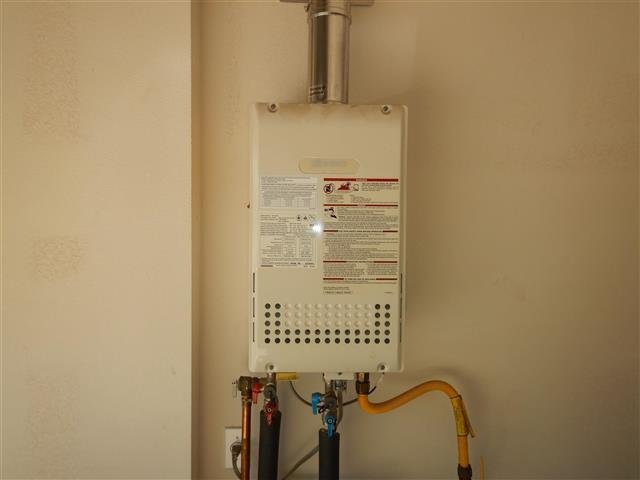
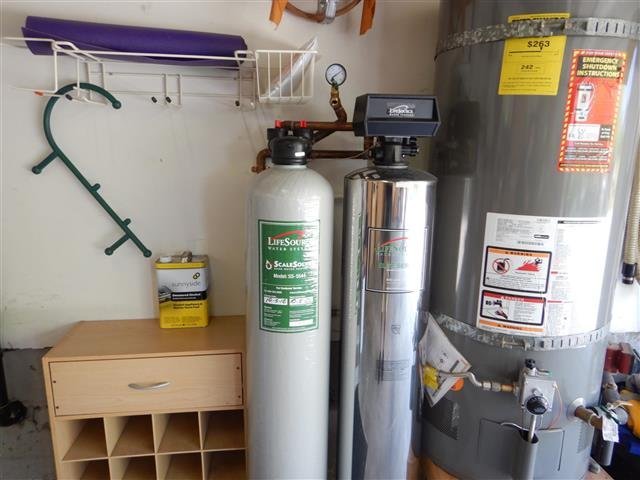
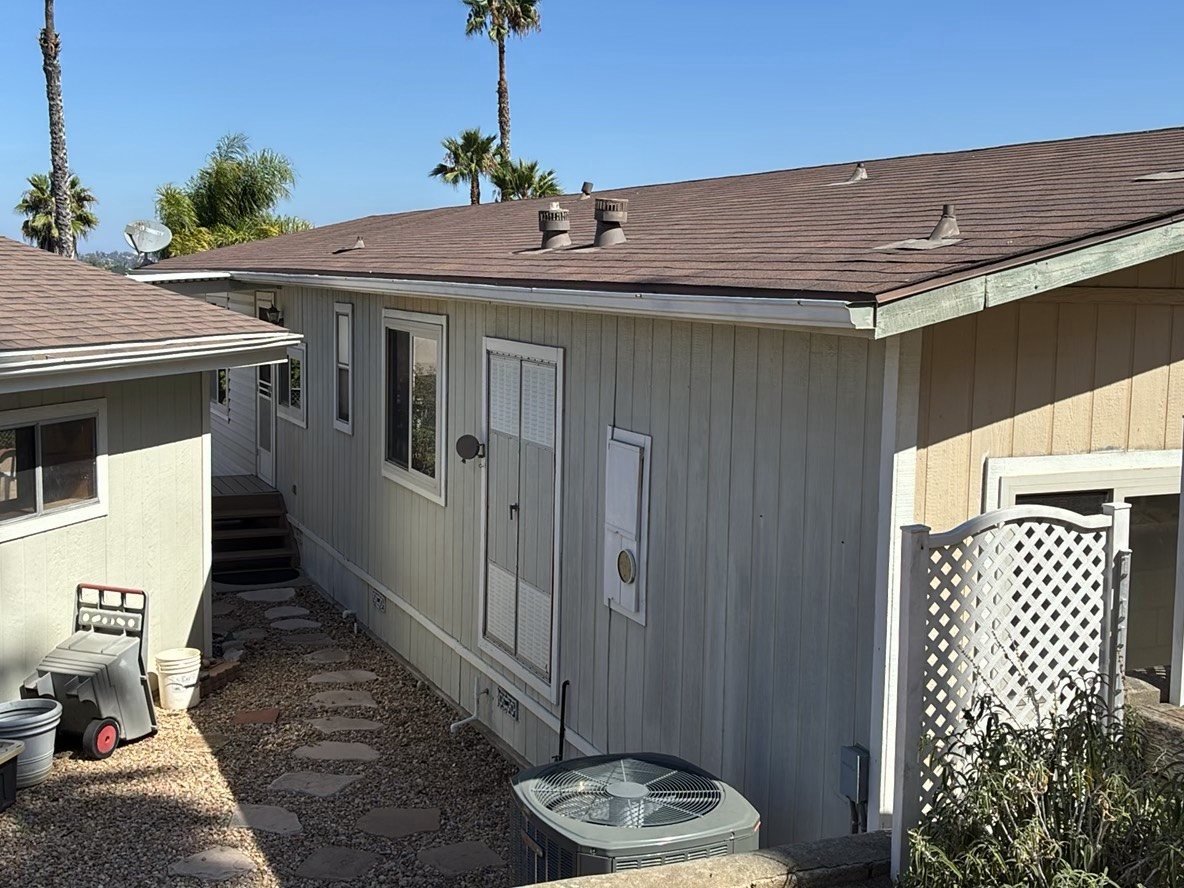
Roof, electrical, plumbing and HVAC
Documentation from recent 4-point inspections across San Diego County.
More inspections in Nestor
- Sewer scope inspection in Nestor
- Roof inspection in Nestor
- Thermal imaging in Nestor
- Foundation slab survey in Nestor
- Home inspection in Nestor
Nearby and countywide
Were You Happy With Your Inspection?
We are proud of our 4.9-star rating across 100+ Google reviews. If Joseph and the team did right by you, a quick Google review helps other San Diego County buyers and sellers find us.