
Commercial Property Inspection in Nestor, San Diego
Nestor sits on the flat coastal plain of south San Diego, wedged between Imperial Beach, San Ysidro, and the Tijuana River valley. The commercial footprint here is neighborhood-scale: strip retail and small storefronts along Coronado Avenue and Hollister Street, taquerias and service shops near Saturn Boulevard, a handful of light-industrial and warehouse units backing toward the river valley, and small apartment and mixed-use buildings folded into a street grid that filled in mostly between the 1950s and 1970s. Almost everything sits on slab. If you are buying, leasing, or refinancing one of these properties, you want someone who inspects it for what it is rather than running a residential checklist against it.
The Real Estate Inspection Company performs commercial property inspections across Nestor for buyers, investors, landlords, and tenants. Every walkthrough follows the Property Condition Assessment approach laid out in ASTM E2018, scaled to the building and to the decision you are trying to make. Lead inspector and owner Joseph Romeo holds an InterNACHI Certified Professional Inspector designation and a CSLB General Contractor license (#1113143), with 20-plus years and more than 10,000 inspections behind him. You leave with a HomeGauge report, usually same or next day, that a lender, partner, or contractor can read and act on.
Call (619) 752-4399 Schedule an Inspection
What does a Nestor commercial walkthrough cover?
This is a visual, non-invasive assessment of the major systems on a retail, office, multi-unit apartment, industrial or warehouse, mixed-use, or NNN building. I document the components that move repair budgets and deal risk, and I report observed condition rather than certify code. On a Nestor property that breaks down to:
- Roof and membrane — the low-slope TPO, modified-bitumen, and built-up (BUR) assemblies that cap most flat-roofed retail and warehouse boxes here, including drains, scuppers, parapet flashing, and ponding evidence.
- Rooftop HVAC — the packaged RTUs and split systems serving neighborhood retail and office suites, rated on age, cabinet integrity, and remaining service life.
- Electrical service and panels — the main service, often three-phase on larger retail and light-industrial units, plus sub-panels, multi-tenant meter banks, and visible distribution.
- Plumbing and water heating — supply and waste materials, restroom groups, backflow devices, and commercial or tankless water heaters.
- Fire and life-safety, visual — sprinkler risers where they exist, alarm and pull-station presence, extinguisher tags, and exit and egress notes.
- Site, parking, ADA, envelope, and structure — paving, striping, accessible-path observations, foundation, and exterior cladding, all reviewed visually.
A Phase I Environmental Site Assessment, leak pressure-testing, and any engineering or structural certification sit outside this walkthrough. When the building calls for one, I coordinate or refer a licensed specialist.
Which Nestor conditions shape what I look for?
This pocket of south San Diego carries a few traits you do not weigh the same way elsewhere, and I inspect with each in front of me:
- River valley edge and drainage. Properties toward the Tijuana River valley sit low on the coastal plain, so I read grade, site runoff, slab-edge moisture, and any history of water pushing toward the building rather than away from it.
- Marine air, a few miles inland. Nestor is close enough to the coast that salt still works on metal. Rooftop RTU cabinets, disconnects, fasteners, and railings corrode faster than they would inland, and surface rust often hides real section loss.
- Mid-century slab stock. Most of the 50s-through-70s commercial buildings sit on slab-on-grade. I read floor cracks, moisture at the slab perimeter, and exterior wall cracking as signs of movement, not just cosmetic shrinkage.
- Repurposed small buildings. A lot of Nestor's storefronts have cycled through uses — retail to food service, shop to office. Added circuits, improvised demising walls, and patched roofs pile up, frequently without clean permits, so I flag what looks bolted on after the original build.
- Tight neighborhood lots. Small parcels mean shared walls, minimal setbacks, and parking fields that age hard under steady local traffic.
Which findings repeat on Nestor commercial buildings?
Across this submarket a familiar list turns up. None of it automatically kills a deal, but each item belongs in your negotiation or your reserve plan:
- Tired rooftop units — packaged RTUs running past their rated life, with rusted cabinets and failing curb gaskets on the flat retail roofs.
- Membrane fatigue and ponding — open seams on older TPO, blistered modified-bitumen, and standing water at clogged or undersized drains.
- Stretched electrical — sub-panels and circuits added during tenant fit-outs, double-tapped breakers, and unlabeled meter banks on multi-tenant buildings.
- Moisture at the low edge — staining and efflorescence at slab perimeters and lower walls on parcels near the river valley.
- Deferred site maintenance — cracked and alligatored asphalt, faded accessible striping, and trip hazards across the parking field.
- Fire-safety items past due — expired extinguisher tags, blocked egress, and sprinkler risers that need a contractor's service confirmation.
- Aging plumbing — corroded supply and waste lines in older buildings and backflow assemblies due for certified testing.
Every finding gets a photo and a plain-language note on whether it is routine upkeep or a real number worth raising before you close or sign.
How does the visit run and what do you receive?
The visit scales to the building. A single Coronado Avenue storefront is a few hours; a multi-tenant strip or a light-industrial unit off Saturn Boulevard takes longer, since I walk the full roof, every accessible tenant space, the electrical rooms, and the entire parking field. You are welcome to come along — buyers, investors, landlords, and tenants alike — and I would rather show you the ponding at a roof drain or the rusted RTU data plate in person than have you read about it cold.
I open by confirming the property type and your role in the deal, so the walkthrough matches what you actually need to decide. The report is built in HomeGauge, photographed on every finding, and arranged so safety and major-system items stand apart from routine maintenance. Most reports land the same evening or the next morning, keeping you inside your due-diligence window with time to price repairs or draft a response. I reference the ASTM E2018 PCA framework, sized to the building, and where a finding needs a Phase I, a structural engineer, or an ADA audit, I tell you exactly who to bring in.
Why do Nestor investors call us for commercial work?
Commercial work rewards an inspector who has actually built and repaired the systems under review. Joseph Romeo carries a CSLB General Contractor license (#1113143) alongside his InterNACHI Certified Professional Inspector designation, so when he flags a low-slope roof, a three-phase panel, or a slab crack, the read comes from someone who knows construction cost and sequence, not just a form. That is 20-plus years and more than 10,000 inspections across San Diego County, with a 4.9-star rating across 106 Google reviews.
We are a local company that works the South County corridor regularly, so Nestor's building stock and its quirks are familiar ground. We stay independent: we report observed condition, we do not bid the repairs we flag, and we have no stake in the number, so nothing steers the findings. For pricing we point you to the published fee schedule rather than quoting blind, since commercial scope swings too widely for a single figure. Reach Joseph directly at (619) 752-4399 or joe@sandiegohomeinspection.com.
When should a Nestor inspection bring in a specialist?
A commercial walkthrough answers a great deal, but some questions need a dedicated discipline, and I will tell you which. I do not perform termite, WDO, or pest work, Phase I Environmental Site Assessments, leak pressure-testing, or engineering and structural certifications. Instead I coordinate or refer a licensed specialist so the right professional signs off and your due diligence stays clean.
Depending on the property, several focused services pair well with the inspection. A deeper roof inspection makes sense when an aging TPO or built-up membrane is the main concern. A sewer scope earns its keep on older Coronado Avenue and Hollister Street buildings where decades of grease and roots hide at the lateral connections. Thermal and infrared imaging scans for hidden roof moisture, overloaded circuits, and envelope leaks across a large tenant space. For light-industrial or former-shop parcels near the river valley, a Phase I ESA from a licensed environmental firm is a separate study I refer out. And for the apartment and mixed-use buildings scattered through Nestor, our residential coverage on the Nestor home inspection hub handles those. Send the address and property type, and I will map the full sequence with you.
Nestor Commercial Property Inspection FAQs
What does a commercial property inspection in Nestor cover?
How is a commercial inspection different from a home inspection?
Does Nestor's location near the river valley affect the inspection?
Do you perform a Phase I Environmental Site Assessment?
How fast will I get my report?
What does a Nestor commercial inspection cost?
Multi-unit experience
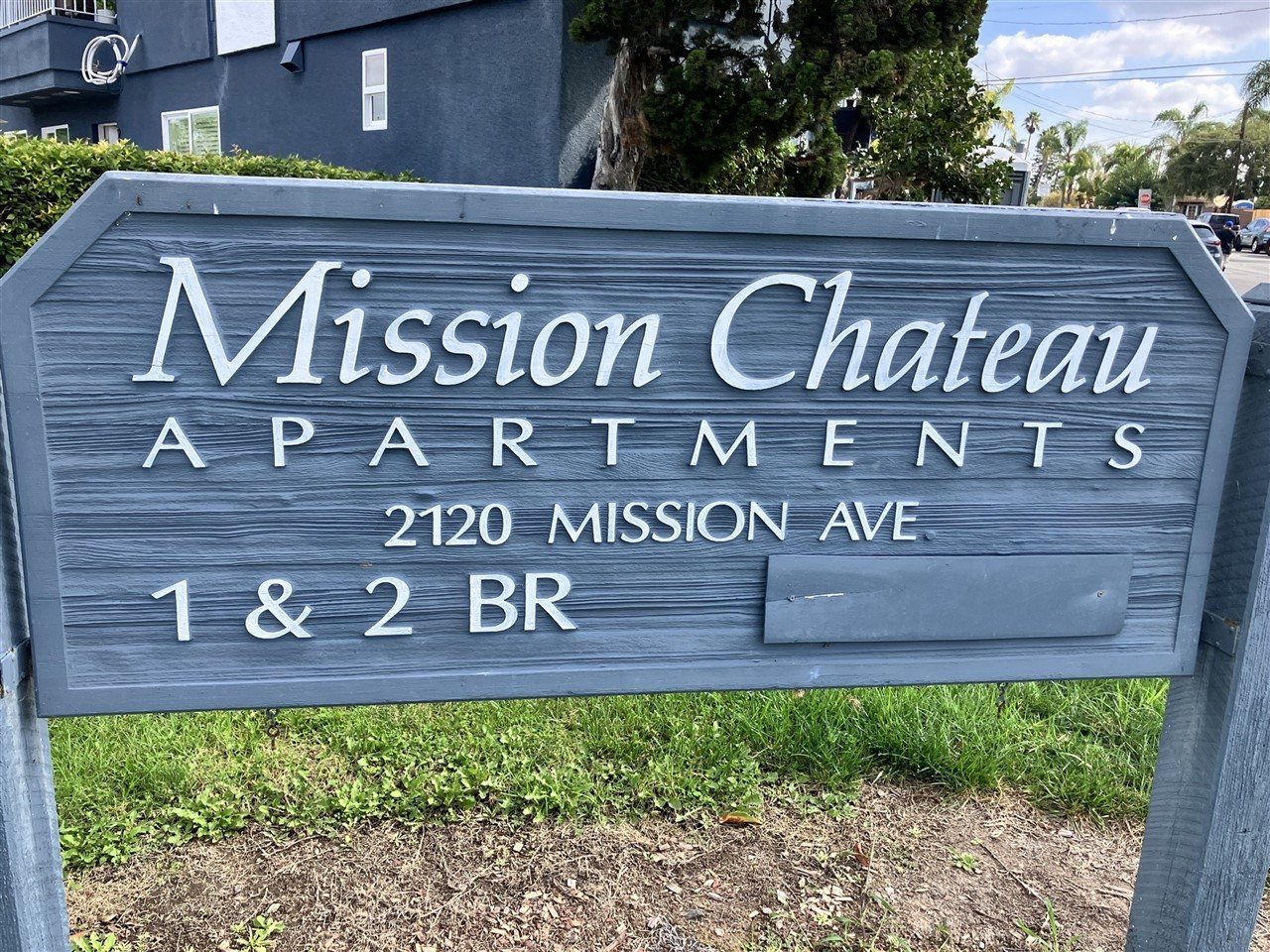
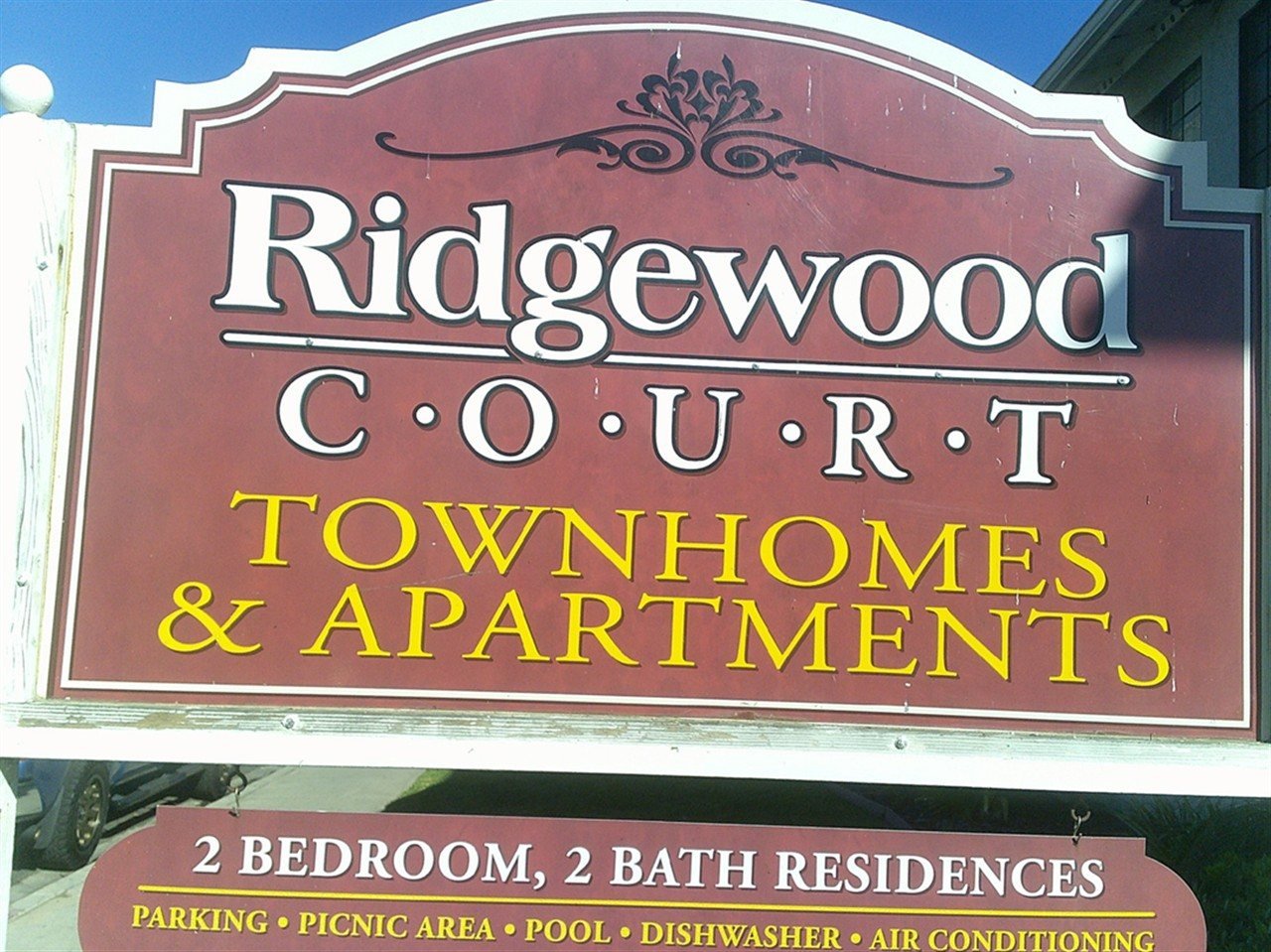
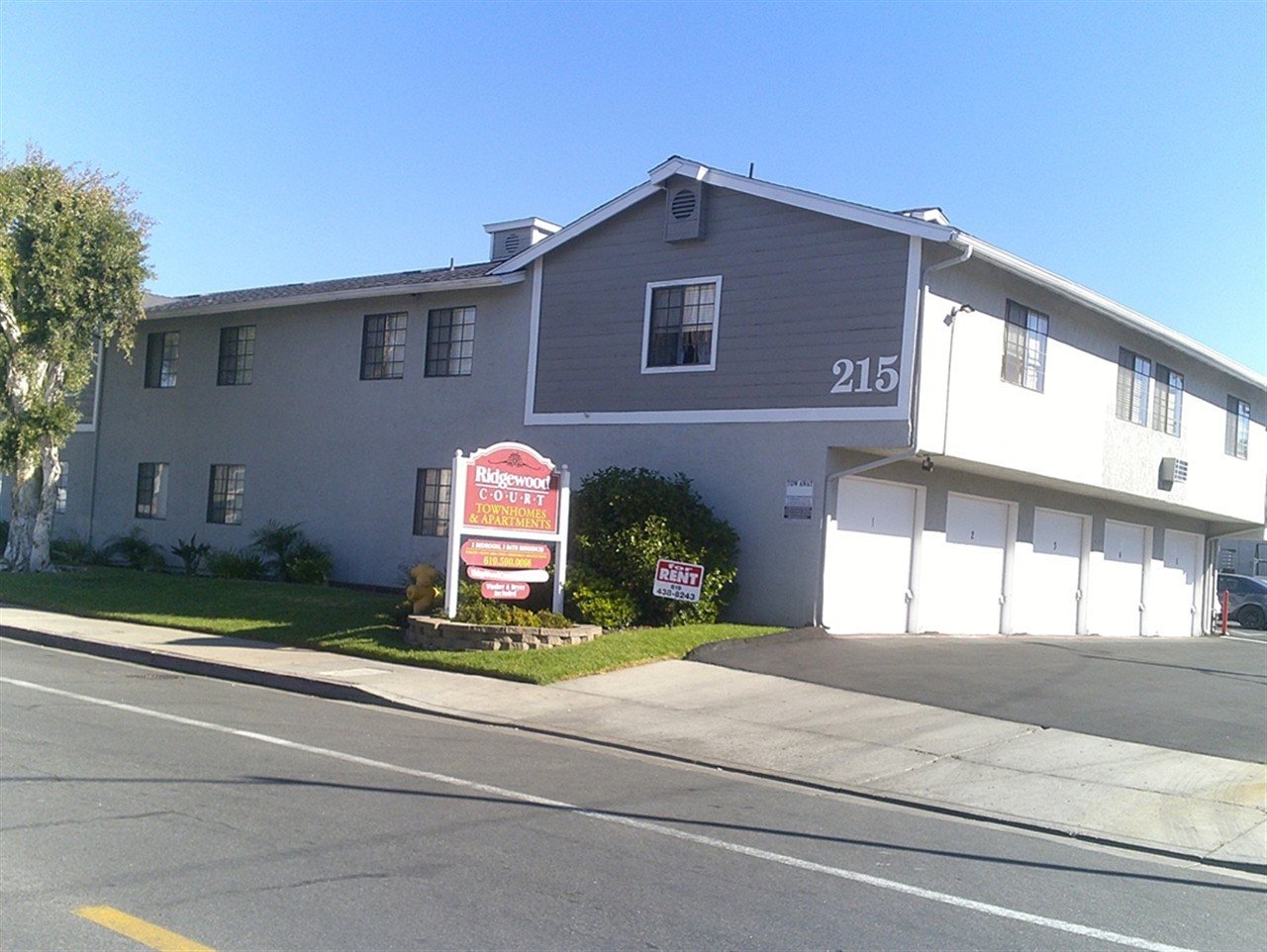
Commercial and multi-unit properties we have inspected across San Diego County.
More inspections in Nestor
- Seller inspection in Nestor
- Warranty inspection in Nestor
- Commercial roof cleaning in Nestor
- Pool and spa inspection in Nestor
- Home inspection in Nestor
Nearby and countywide
Were You Happy With Your Inspection?
We are proud of our 4.9-star rating across 100+ Google reviews. If Joseph and the team did right by you, a quick Google review helps other San Diego County buyers and sellers find us.