
Thermal Imaging Inspection in Nestor, San Diego
Nestor sits on the flat coastal plain of south San Diego, a short hop from Imperial Beach and the edge of the Tijuana River valley. Most of the housing stock here went up between the 1950s and 1970s on concrete slabs, and that combination, salt-laden marine air, aging single-pane and early dual-pane windows, original copper and galvanized plumbing buried under slab, makes hidden moisture and electrical wear common in ways a flashlight will never reveal. A thermal imaging inspection adds an infrared camera to the standard home inspection so we can read temperature differences across walls, ceilings, floors, panels and ductwork. Those differences point to wet drywall behind a fresh coat of paint, missing insulation in a 60-year-old attic, a slab leak warming the floor, or a breaker connection running dangerously hot.
Infrared is non-invasive. We open no walls and drill no holes. We document anomalies, explain what they likely mean for a Nestor home specifically, and flag anything worth a deeper look by the right specialist. It is a layer of evidence, not an x-ray and not a guarantee, but in this neighborhood it routinely catches problems that would otherwise close escrow undetected.
Call (619) 752-4399 Schedule an Inspection
What does an infrared scan cover in your Nestor inspection?
The thermal camera travels with the inspector through the entire home as an add-on to the standard inspection. We aim it at the surfaces most likely to hide trouble in a Nestor property: ceilings and wall bases below bathrooms and the kitchen, around every window and exterior door, along the slab at the perimeter and under plumbing runs, across attic insulation, and directly at the electrical panel, sub-panels and accessible junctions. Infrared reads surface temperature, so it shows where heat or cooling is escaping, where evaporative cooling betrays active moisture, and where electrical resistance is generating abnormal heat.
What it sees is the thermal signature, not the object itself. A cool, irregular bloom on a ceiling can mean a plumbing leak from the unit or roof above; a warm streak across a slab can mean a hot-water line leaking underfoot. We confirm suspect areas with a moisture meter where we can reach them, then describe the finding and the recommended next step. Infrared is a pointer that tells us exactly where to look harder.
Why does thermal imaging matter on Nestor's slab tracts?
Nestor's location drives its specific risks. The marine layer rolls in off the Pacific and Imperial Beach most mornings, pushing humid, salty air against west- and south-facing walls. Decades of that exposure work moisture past tired window seals and stucco cracks, and the dampness often lands inside wall cavities where nobody sees it until the drywall stains or smells. Infrared catches that cool, damp footprint before it shows on the surface.
Then there is the slab. These homes sit on concrete poured directly on grade, with the water and drain lines running through or beneath it. Soil movement near the river valley and ordinary pipe aging produce slab leaks, and a warm-water leak under a floor lights up clearly on thermal. We also scan for the energy story unique to older south-bay tracts: original attics with thin, settled or missing insulation that drive up cooling bills and leave hot ceilings. A scan turns those invisible patterns into something you can actually see and weigh.
What do we commonly find on Nestor homes?
In this part of south San Diego a handful of findings come up again and again. Around windows and sliding doors, we see cool moisture trails from worn seals on 1960s-era openings that were never upgraded. On ceilings and lower walls beneath wet rooms, we catch evaporative cooling that signals an active or recent leak. Across slabs, we occasionally pick up the warm line of a hot-water slab leak, especially in homes with original copper.
In attics, missing or compressed insulation shows as uneven hot zones over the living space, a common energy drain in homes that never got a re-insulation. At the electrical panel, loose lugs, overloaded circuits and corroded connections, more frequent in coastal air, glow as hot spots well before they fail. We also flag HVAC distribution problems where supply registers read far warmer or cooler than they should, hinting at disconnected or leaking ducts in the attic. Every anomaly is photographed, located and explained in plain language.
How does the scan work and what report do you receive?
Conditions matter for infrared, so we plan the scan around them. A meaningful temperature difference between inside and outside, or a recently run HVAC system, makes anomalies far easier to read, and we account for the marine layer's morning damp when we time and interpret the work. The thermal pass happens alongside the standard inspection rather than as a separate visit, so you get one coordinated walkthrough and one set of conclusions.
Findings land in a HomeGauge report delivered same day or next day. Thermal images sit beside standard photos, each tied to its location and a clear description of what we observed and what we recommend. Where a finding needs a licensed specialist, a plumber for a suspected slab leak, an electrician for a hot panel connection, we say so directly and point you toward the right next step. We report observed condition; we do not bid or perform repairs, which keeps the assessment honest and conflict-free.
Why do Nestor clients call us for thermal imaging?
The Real Estate Inspection Company has worked San Diego County for more than 20 years, with over 10,000 inspections behind us and a 4.9-star rating across 106 Google reviews. Lead inspector and owner Joseph Romeo is an InterNACHI Certified Professional Inspector and holds CSLB General Contractor license #1113143, a contractor's understanding of how these slab-on-grade south-bay homes were actually built and where they tend to fail.
That background matters when you read a thermal image. A cool spot is only useful once someone can tell you whether it is a leak, a thermal bridge, or just a cold-water pipe doing its job. We interpret what the camera shows against decades of hands-on Nestor and south San Diego experience, so you get a grounded read instead of a screen full of colorful pictures. Honest reporting, fast turnaround, and a real person on the phone at (619) 752-4399.
Which related inspections suit Nestor properties?
Thermal imaging is an enhancement to the full home inspection, not a standalone substitute. Most Nestor clients pair it with the standard buyer's inspection, where the infrared scan strengthens the moisture, electrical and energy portions of the report. Given the slab construction and coastal moisture here, an infrared assist is especially worthwhile on older homes that have seen additions or quick cosmetic updates that may hide prior repairs.
If a scan flags something beyond our scope, we coordinate the right licensed specialist rather than guess. We do not perform termite or wood-destroying-organism inspections, Phase I environmental assessments, or pressure-test leaks ourselves; instead we refer those out so a qualified pro handles them. You can see the full range of what we offer on our services page and review the fee schedule before booking. Ask us how thermal imaging fits your specific Nestor home and timeline.
Nestor Thermal Imaging Inspection FAQs
Is thermal imaging included in a standard Nestor home inspection?
Can an infrared camera find a slab leak under my Nestor home?
Does thermal imaging see through walls like an x-ray?
Why does thermal imaging matter so much in Nestor specifically?
Will weather or time of day affect the scan results?
What happens if the scan finds a problem?
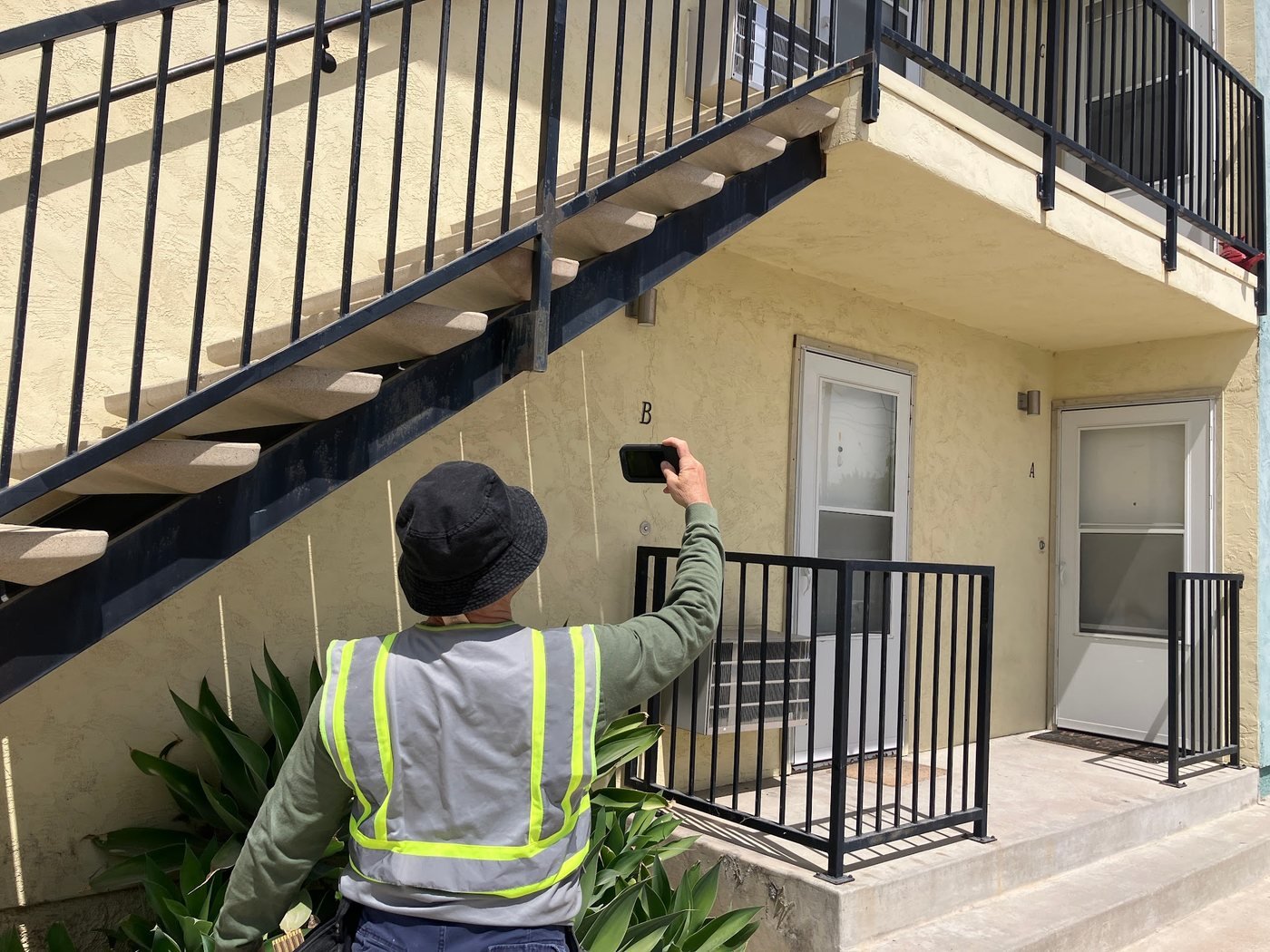
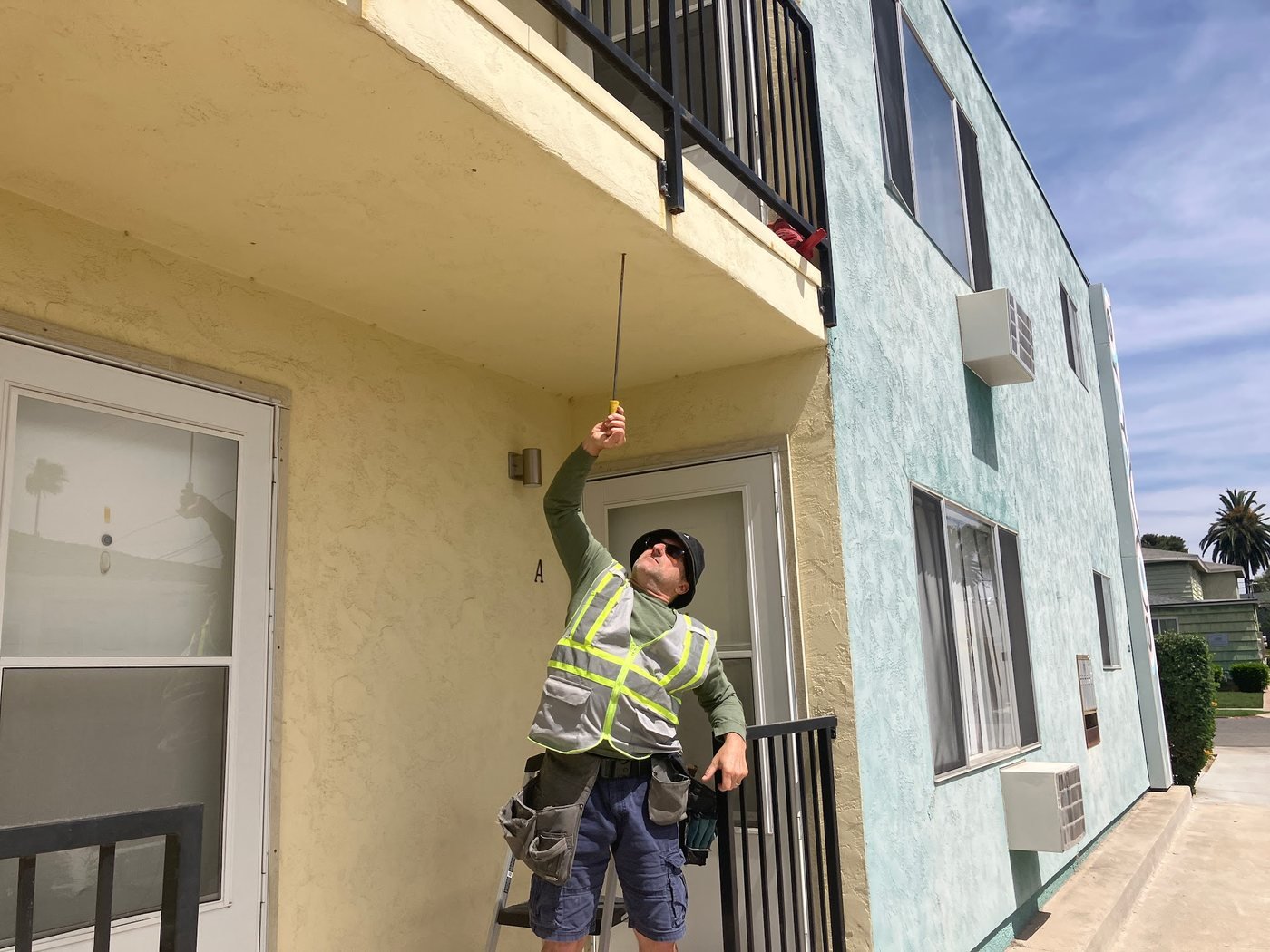
Thermal scanning in action
Our inspectors use FLIR thermal cameras to find moisture and heat issues hidden in walls and soffits.
More inspections in Nestor
- 4-point inspection in Nestor
- Roof inspection in Nestor
- Foundation slab survey in Nestor
- SB 721 balcony inspection in Nestor
- Home inspection in Nestor
Nearby and countywide
Were You Happy With Your Inspection?
We are proud of our 4.9-star rating across 100+ Google reviews. If Joseph and the team did right by you, a quick Google review helps other San Diego County buyers and sellers find us.