
Thermal Imaging Inspection in Palm City
Palm City occupies the flat southern edge of San Diego, tucked between the Otay River corridor and Imperial Beach, with most of its homes built between the 1960s and the 1980s on concrete slabs. That era and that ground produce a recognizable set of buried problems: damp pushed in by the marine layer, plumbing that has aged inside the slab, and panels that have absorbed decades of added circuits. A flashlight and a trained eye catch a lot, but they stop at the painted surface. An infrared camera reads the heat coming off that surface and tells us what is happening just behind it.
Adding thermal imaging to your Palm City inspection means the inspector carries an infrared camera through the home alongside the standard walkthrough. It is non-invasive, opens nothing, and reads temperature rather than peering inside walls. The scan is not an x-ray and it cannot promise that every defect will appear, but on this neighborhood's older slab tracts it routinely surfaces moisture, leaks and electrical heat that would otherwise stay invisible until they caused damage.
Call (619) 752-4399 Schedule an Inspection
Where do we point the camera in a Palm City home?
Thermal imaging rides along as an enhancement to the standard inspection, not a separate appointment. As the inspector moves through your Palm City property, the camera sweeps the surfaces most prone to hiding trouble: ceilings and lower walls beneath bathrooms and the kitchen, the framing around every window and exterior slider, the perimeter and interior runs of the slab, attic insulation overhead, and the electrical panel along with any sub-panels and reachable connections.
Because infrared registers surface temperature, it reveals four kinds of clues. Evaporative cooling betrays active or recent moisture. Uneven warmth or cold across a ceiling or attic signals insulation that has slumped or gone missing and the energy loss riding with it. Abnormal heat at a breaker or lug points to an electrical connection working too hard. And mismatched register temperatures expose HVAC ducts that have come loose or lost their wrap. Each suspect area gets noted as an anomaly and tagged for a closer look, not handed down as a final verdict.
Why does infrared earn its keep near Otay and the bay?
Geography sets the agenda in Palm City. Sitting low on the coastal plain near Imperial Beach and the Otay River mouth, the neighborhood wakes up under the marine layer most mornings, and that humid, salt-carrying air leans on the south- and west-facing walls. Over years it works moisture past tired window seals and hairline stucco cracks, where it settles inside cavities and stays hidden until a stain or a smell finally gives it away. Infrared catches that cool, damp footprint long before the drywall shows it.
The slab adds its own chapter. These homes sit on concrete poured directly on grade, with supply and drain lines threaded through and beneath it. Ground movement along the river corridor plus ordinary pipe fatigue produce slab leaks, and a warm-water line weeping underfoot lights up as a distinct heat track on the camera. Layer in the wiring: a lot of Palm City's housing was energized in the 60s and 70s, then loaded with added circuits over the decades, and coastal air corrodes connections faster, so overworked breakers and loose lugs glow well before they fail.
What findings repeat across Palm City's slab tracts?
A handful of results turn up over and over on these south-bay homes. Around aluminum-frame windows and sliding doors from the original build, we read cool moisture trails where seals have long since given out. On ceilings and lower walls below wet rooms, evaporative cooling marks an active or recent leak. Across slab floors, particularly in homes still running original copper, we sometimes catch the warm signature of a hot-water slab leak.
Up in the attic, insulation that has settled, been compressed by storage, or was never replaced after a re-roof shows as patchy hot zones over the living space, a steady drain on summer cooling. At the panel, the corrosion and overloading common to aging coastal wiring read as hot spots. And in the ductwork, registers that run far warmer or cooler than their neighbors hint at a disconnected or leaking branch in the attic, the usual reason one bedroom never quite cools. Everything we flag is photographed, located, and explained in plain terms.
How does the scan run and what lands in your report?
Infrared depends on contrast, so we plan around it. A meaningful temperature gap between inside and outside, or an HVAC system that has been running, makes anomalies far easier to read, and we factor Palm City's morning damp into when we scan and how we interpret what we see. We will talk through any helpful prep, like running the heat or air conditioning beforehand, when you book. Because the thermal pass happens during the standard inspection, you get one coordinated visit and one set of conclusions rather than two trips.
Findings arrive in a HomeGauge report, typically the same day or the next. Each thermal image sits next to its matching visual photo, pinned to a location and paired with a plain-language description and a clear recommendation, whether that is keep an eye on it, bring in a plumber or electrician, or have a specialist confirm. We report what we observed on the day. We do not bid or perform repairs, which keeps the read honest and free of any incentive to find work.
Who reads the camera and why does that matter?
A thermal image is only worth what the person reading it can make of it. A warm patch might be a real fault or just afternoon sun warming a wall, and telling those apart takes building knowledge, not just a camera. Joseph Romeo, lead inspector and owner of The Real Estate Inspection Company, is an InterNACHI Certified Professional Inspector who also carries CSLB General Contractor license #1113143, so a contractor's grasp of how these slab homes were assembled sits behind every interpretation.
That is more than 20 years and over 10,000 inspections across San Diego County, backed by a 4.9-star rating from 106 Google reviews. We know how Palm City's 60s-through-80s tracts were built and where they tend to give. When a finding calls for a licensed specialist, a pressure-test on a suspected leak or a structural opinion, we coordinate that referral rather than guess at it. Reach a real person at (619) 752-4399 or joe@sandiegohomeinspection.com.
Which inspections pair well with thermal imaging?
Thermal imaging strengthens a full inspection rather than replacing any part of it. Most Palm City buyers add it to the standard buyer's inspection, where the infrared pass extends the reach of the moisture, electrical and energy sections. Given the slab construction and aging supply lines down here, the scan is especially worthwhile on older homes that have taken on additions or quick cosmetic updates that can mask earlier repairs.
When a scan turns up something outside our scope, we point you to the right licensed pro rather than improvise. We do not handle termite or wood-destroying-organism inspections, Phase I environmental assessments, or leak pressure-tests ourselves; those get referred to a qualified specialist. Browse the full menu of what we do, check the fee schedule before you book, and ask us how thermal imaging fits your particular Palm City home and timeline.
Palm City Thermal Imaging Inspection FAQs
Is thermal imaging part of a standard Palm City inspection?
Can the camera find a slab leak under my Palm City home?
Does infrared see through walls like an x-ray?
Why does thermal imaging matter in Palm City specifically?
Does weather or time of day change the results?
What happens if the scan flags something?
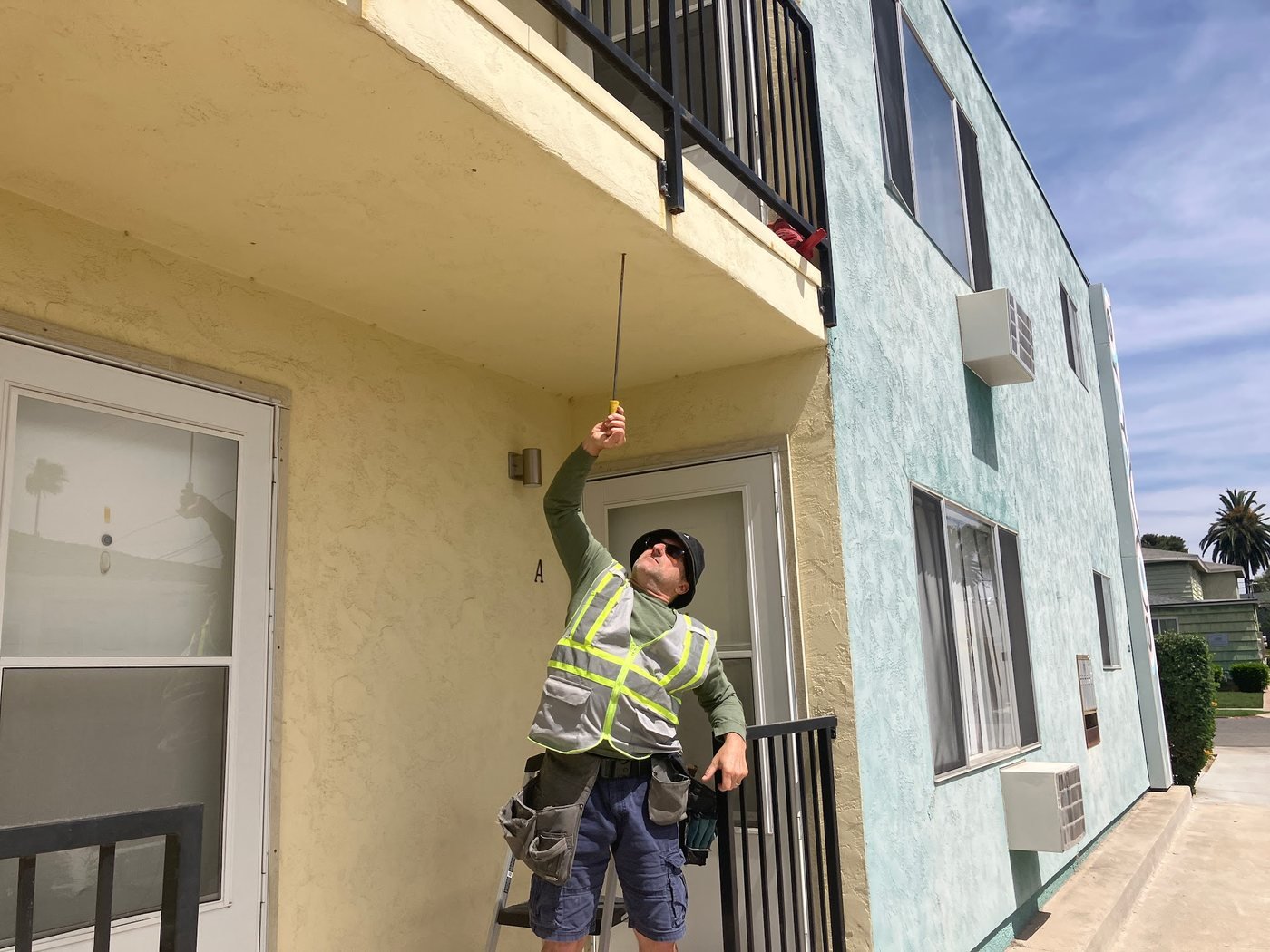
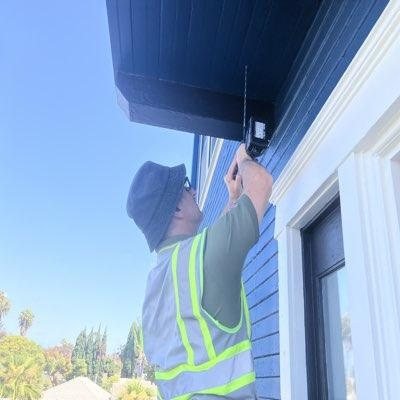
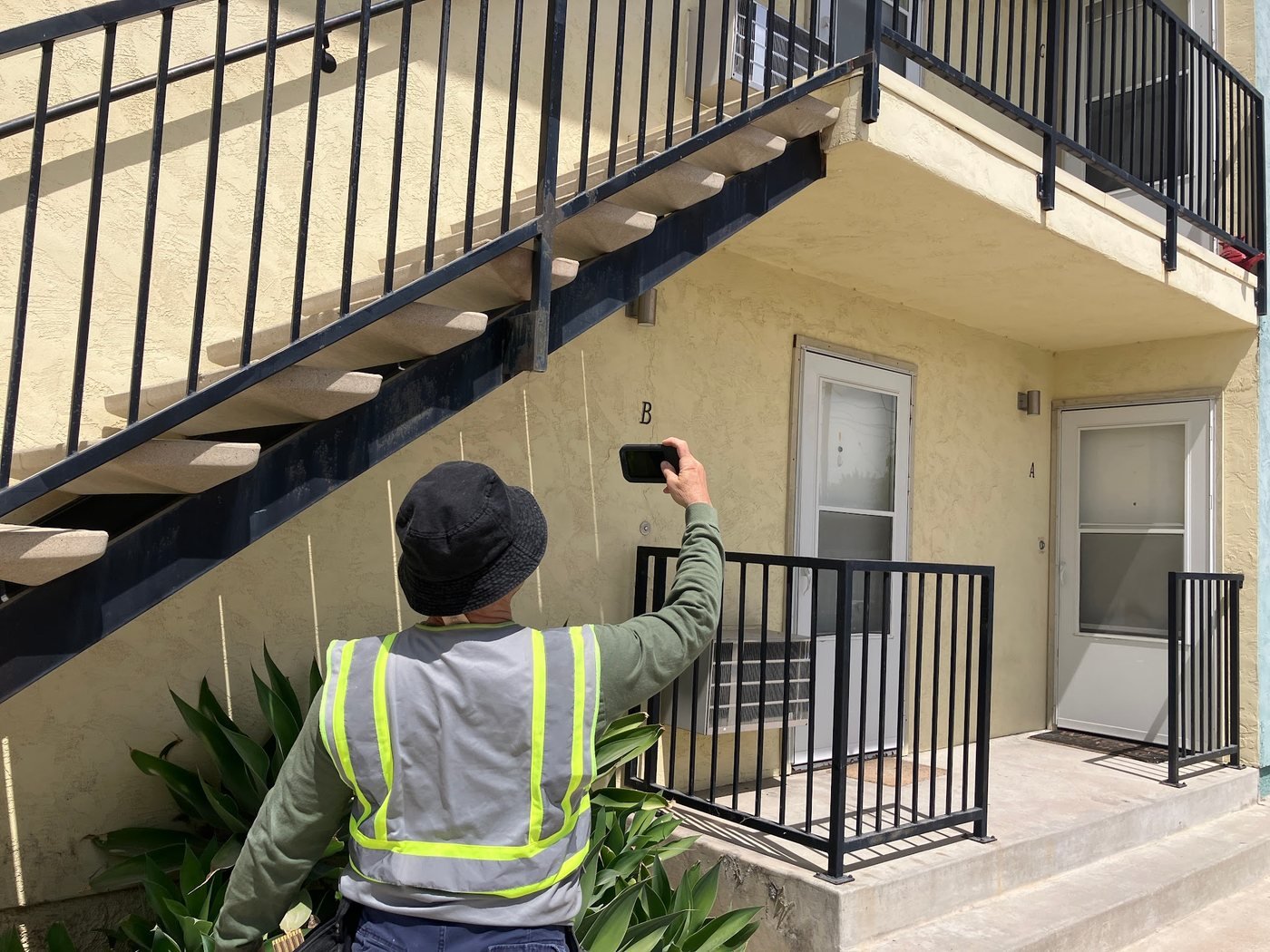
Thermal scanning in action
Our inspectors use FLIR thermal cameras to find moisture and heat issues hidden in walls and soffits.
More inspections in Palm City
- SB 326 balcony inspection in Palm City
- SB 721 exemption letter in Palm City
- Seller inspection in Palm City
- Warranty inspection in Palm City
- Home inspection in Palm City
Nearby and countywide
Were You Happy With Your Inspection?
We are proud of our 4.9-star rating across 100+ Google reviews. If Joseph and the team did right by you, a quick Google review helps other San Diego County buyers and sellers find us.