
SB-721 Balcony Inspection in Palm City, CA
Palm City occupies a small wedge of south San Diego between Otay and Imperial Beach, a flat, slab-built pocket of neighborhoods that filled in mostly across the 1960s through the 1980s. Plenty of that growth arrived as rental housing — two-story walk-up apartments, stacked-flat fourplexes, and small garden complexes — and that is the precise category California's SB-721 law was written to govern. Any apartment or multifamily building holding three or more dwelling units, with wood-framed exterior elevated elements standing more than six feet over the ground, owes a documented inspection under the statute.
Code shorthand calls those parts EEE — exterior elevated elements — and the term gathers up balconies, raised decks, the open outdoor stairways reaching upper units, the landings at apartment doors, and the elevated walkways tying buildings together, plus the waterproofing meant to keep weather out of all of it. AB 2579 reset the first compliance date to January 1, 2026, and the requirement recurs every six years thereafter. We run the inspection itself — visual to start, with limited intrusive probing where hidden trouble is indicated — and label each element safe or unsafe with photographs for you and for the City of San Diego. The assignment finishes at the report; repair engineering and structural certification are the work of a licensed engineer or contractor, not ours.
Call (619) 752-4399 Schedule an Inspection
What does SB-721 cover on a Palm City apartment building?
The law keeps a narrow focus. It reaches the weight-bearing components that cantilever past a multifamily building's wall and rise six feet or higher on wood framing, together with every assembly built to route water clear of that framing. On a Palm City property, the inspection and photo record take in:
- Balconies and raised decks — the joist framing, the ledger anchored back into the wall, post supports, and the membrane or coating surfacing each deck.
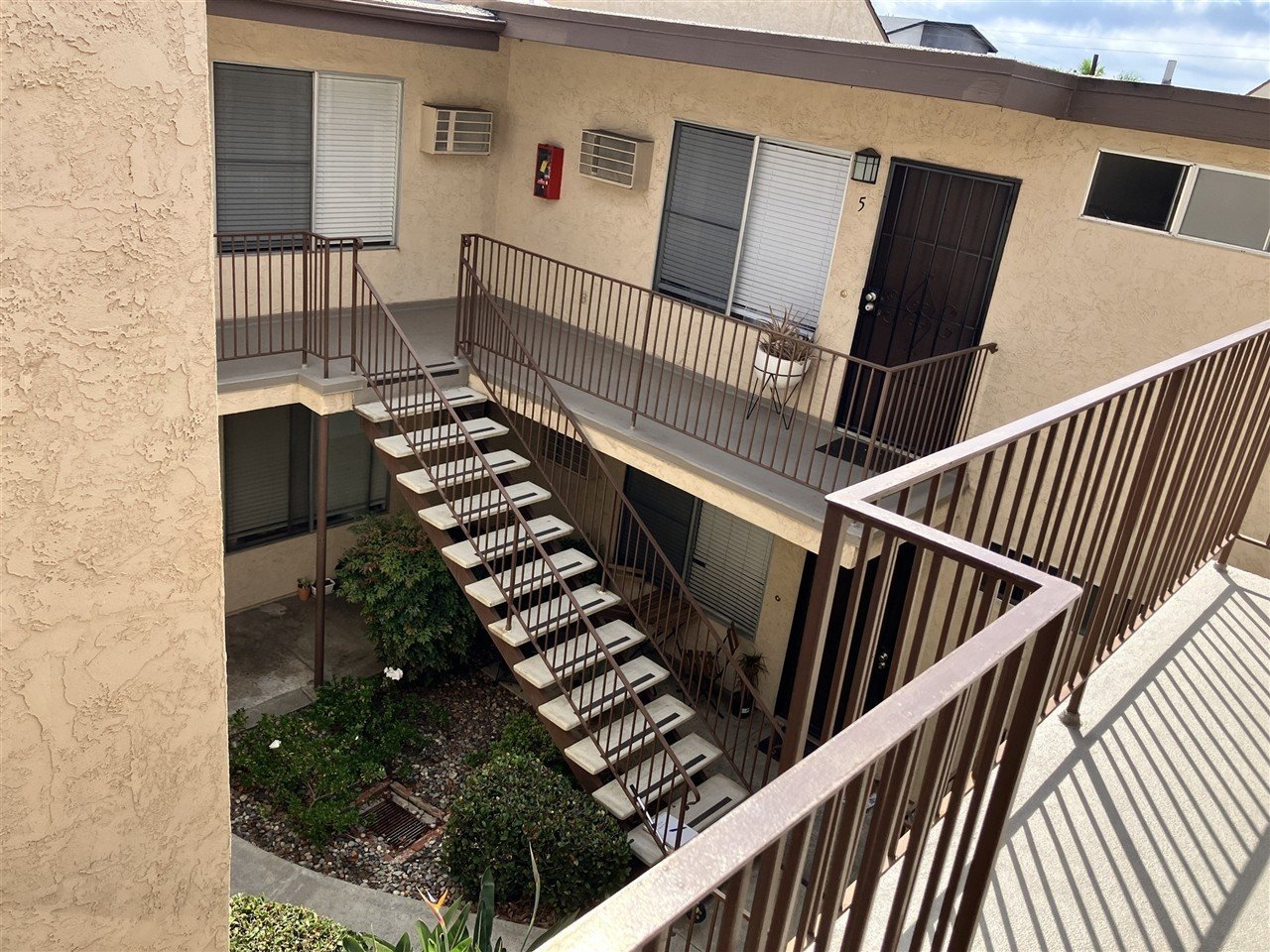
- Open exterior stairways — the wood stair runs feeding upper units on the older walk-ups, the stringer connection to the building, and the footing or slab each run sits on.
- Landings and elevated walkways — the platforms outside apartment doors and the open-air paths threading the garden-style complexes common to this part of town.
- Guardrails and handrails — tested for firm anchorage and resistance to a sideways shove, since a rail is the final barrier between a tenant and a drop.
- Waterproofing — flashing, deck coatings, sealant joints, and drainage routes, judged as a single system alongside the wood they protect.
SB-721 permits a qualified inspector to evaluate a representative share of each element type, letting the findings represent the whole building. The report groups every inspected element by condition, pins each to a photo, and states outright whether anything endangers the people who depend on it.
How does Palm City's flat, slab-built setting stress framing?
Palm City's geography and its build era shape where the time on each inspection gets spent. The pattern here differs from the surf-front blocks a few miles west, and that distinction matters:
- Building stock from the 60s through 80s. Most of the multifamily here went up across three decades when flashing and deck-coating practice was still maturing. Balconies and outdoor stairs of that vintage have absorbed many cycles of patch-and-recoat, and the wood beneath the surface has aged well past where it started.
- Slab-on-grade construction. The apartments sit on slab, which plants stair footings and post bases hard against the ground. Moisture wicking up from that contact corrodes hardware and rots the lowest wood from the base upward, out of plain sight.
- Flat ground and lazy drainage. Palm City lies low and level near the Otay River corridor, so landings and walkways that were never pitched correctly let water sit and soak the framing long after a rain ends.
- Border-industrial and inland heat exposure. Sitting inland of the bay near Otay Mesa, the area swings between warm dry stretches and damp marine intrusions, and that repeated wet-dry cycling splits coatings and opens seams over time.
- Marine salt still drifts in. Close enough to the coast and Imperial Beach that salt-laden air reaches metal connectors, thinning joist hangers and rail anchors years ahead of any visible wear on the lumber.
What it all adds up to: the defects that count most on a Palm City balcony tend to stay concealed. A deck that looks sound from the courtyard can be carrying a rotted ledger or a corroded bracket right behind the stucco.
What conditions show up most on Palm City decks and stairs?
After years working the south San Diego apartment market, the same handful of issues recur on these elevated elements. Most are fixable, yet each belongs in the file so the owner and the City see the building's real condition:
- Worn-out deck coatings — membranes cracked, chalked, or rubbed through until they no longer keep water off the wood, worst along the deck-to-wall seam.
- Ledger and flashing breakdowns — absent, reversed, or rusted flashing where a balcony or stair joins the building, the surest route for water into the framing.
- Soft, decayed wood — located by probing balcony edges, stringer ends, and landing corners wherever a coating has already let go.
- Corroded steel connectors — joist hangers, bolts, and post bases rusting on the older walk-ups where the original hardware has reached the end of its service life.
- Guardrails with play — rails that flex at the base because the post anchorage or surrounding wood has lost strength, an immediate safety flag.
- Standing water — flat landings and walkways that pond and hold moisture against the surface, a repeat problem on this low, level ground.
Every item gets photographed and written in plain terms, with each element marked safe or unsafe in the language the building authority looks for.
How does the inspection work and what does your report contain?
The job begins with a building review — the unit count, the count and type of elevated elements, and any earlier inspection or repair paperwork — which fixes the representative sample SB-721 calls for and helps us plan around tenant access. On site, Joseph Romeo works each balcony, deck, stair, landing, and walkway one by one: checking the wall connection and any reachable framing, weighing the waterproofing, guardrails, and drainage, and sounding coatings wherever soft spots or staining suggest decay below.
When the visible signs point toward concealed damage — a stain on a ceiling under a deck, a landing that gives underfoot, a coating that has failed over a ledger — we apply the limited intrusive inspection the statute allows, opening one small, repairable spot to confirm what sits inside rather than assume. On Palm City's slab-on-grade stock that step earns its place, since the moisture damage works quietly out of view. Your report grades every inspected element, names anything that is an immediate hazard, and includes the photo documentation the City of San Diego expects — sent through HomeGauge the same day or the next.
One limit we hold to firmly: we inspect and report observed condition, nothing further. We don't design repairs, carry out repairs, or issue engineering or structural certifications on a building we've inspected. When a finding calls for repair plans or a structural opinion, we say so and coordinate or refer the appropriate licensed engineer or contractor — the practice that keeps an SB-721 report independent. Should wood-destroying organisms enter the picture, we bring in a licensed termite/WDO specialist rather than reach beyond our scope.
Who runs the inspection and why do owners trust him?
SB-721 lists which inspector categories qualify, but a report only holds up when the person producing it can genuinely read a structure. Your inspection is led by Joseph Romeo, an InterNACHI Certified Professional Inspector (CPI) who also carries a California CSLB General Contractor license (#1113143). That builder's grounding suits EEE work precisely — he understands how a balcony was framed, how a ledger was bolted, and what a salt-thinned connector means for the load overhead, instead of stopping at surface appearance.
- More than 20 years and over 10,000 inspections across San Diego County, the aging South Bay rental stock included.
- 4.9 stars from 106 Google reviews left by owners, property managers, and agents.
- Reports built to satisfy the SB-721 content and record-keeping the City and your own files require.
- Direct condition calls — safe, needs attention, or immediate hazard — each backed by a photo.
For the record: we hold the InterNACHI CPI and CSLB credentials; we are not ASHI or CREIA members, and we don't publish flat rates, because the fee follows building size and element count. Findings come back quickly and in plain English, so you, your engineer, and the City can act on them without an interpreter. Reach Joseph directly at (619) 752-4399 or joe@sandiegohomeinspection.com.
Which inspections pair well for Palm City multifamily owners?
An SB-721 inspection clears one legal obligation tied to your elevated elements, but an older, low-lying Palm City building usually justifies a broader look on the same visit:
- SB-326 balcony inspection — the parallel EEE law covering condominium and HOA common-interest developments, which follows its own rules separate from SB-721's apartment standard. If your property is association-owned rather than straight rentals, that statute governs it.
- Infrared moisture imaging — locates concealed moisture behind a deck surface or wall without opening it, useful given the wet-dry swings that keep Palm City framing stressed.
- Roof inspection — a targeted review of worn coverings and flashing above, often wearing out on the same schedule as the balconies beneath.
- Full multifamily inspection — a complete read of accessible systems when you're acquiring or repositioning a Palm City apartment property.
- Sewer scope — a camera run through the laterals, a sound move on the older slab-level lines typical of this area.
If you operate more than one Palm City building, we can batch the SB-721 inspections and hold the reporting consistent across the group, keeping your six-year cycle tracked in one place. Send the address and unit count and we'll confirm whether a straight SB-721 inspection covers it.
Palm City SB-721 Balcony Inspection FAQs
Does my Palm City building need an SB-721 inspection?
What's the SB-721 deadline, and how often does it repeat?
Does Palm City's flat, slab-built layout change the inspection?
Will you need to cut into my balconies?
What happens if you find an unsafe balcony or stair?
What does an SB-721 inspection in Palm City cost?
Properties we inspect
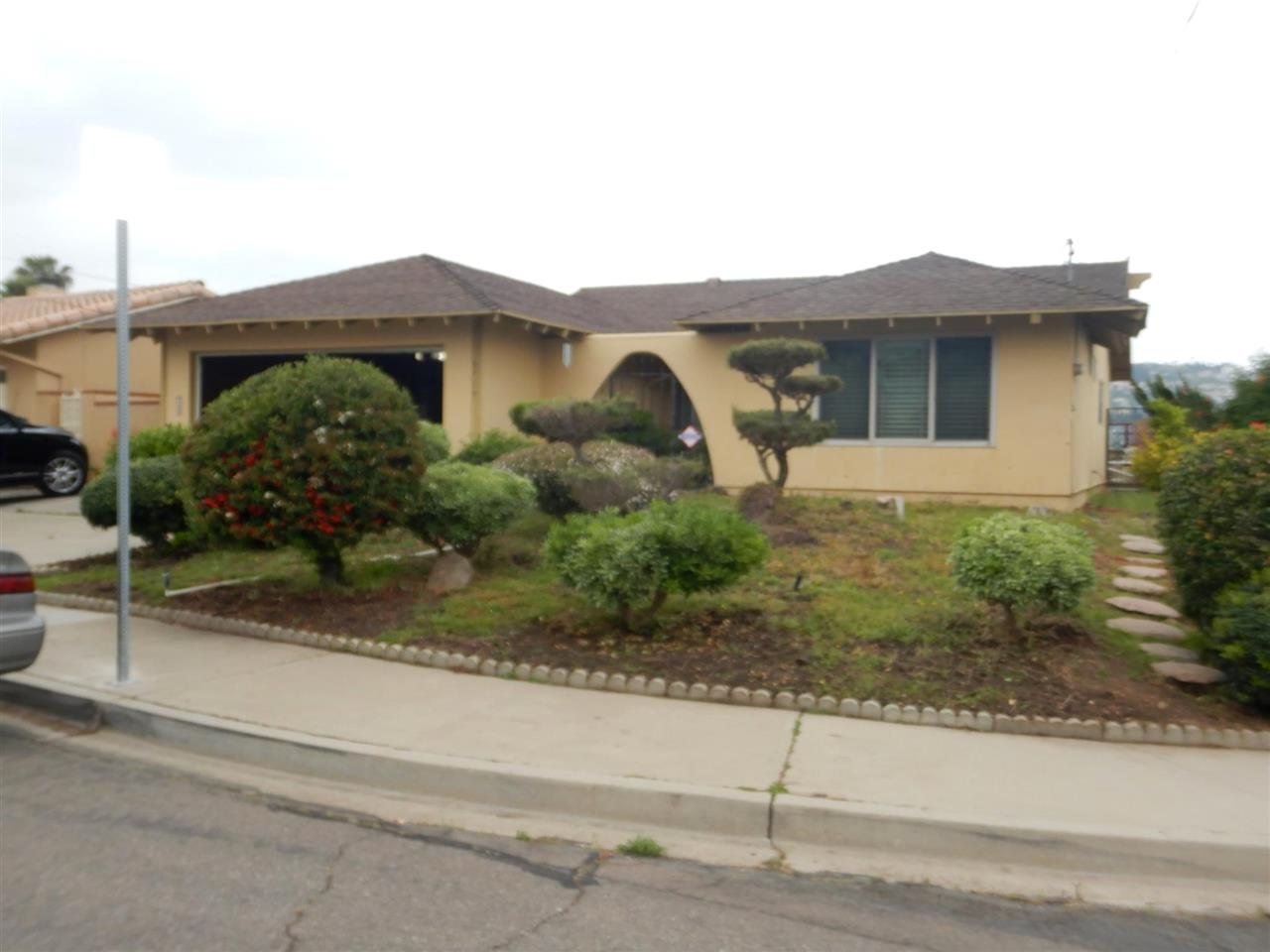
Multi-unit properties documented for SB 721 balcony compliance across San Diego County.
More inspections in Palm City
- Roof inspection in Palm City
- Thermal imaging in Palm City
- Foundation slab survey in Palm City
- SB 326 balcony inspection in Palm City
- Home inspection in Palm City
Nearby and countywide
Were You Happy With Your Inspection?
We are proud of our 4.9-star rating across 100+ Google reviews. If Joseph and the team did right by you, a quick Google review helps other San Diego County buyers and sellers find us.