
Roof Inspection in Palm City, San Diego
Palm City sits in the south end of San Diego, tucked between Otay and Imperial Beach on mostly flat, low-lying terrain. The housing stock here leans toward 1960s through 1980s slab-on-grade homes, and a lot of those roofs are working on their second or third covering. When you're buying or selling in this pocket of the South Bay, the roof is often the single most expensive system that can surprise you after closing.
A roof inspection from The Real Estate Inspection Company gives you a clear, photo-documented read on the roof covering, flashing, penetrations, and drainage so you can negotiate or plan with real information instead of a guess from the curb. We inspect; we don't sell repairs, and we don't certify roofs. Owner Joseph Romeo is an InterNACHI Certified Professional Inspector and CSLB-licensed General Contractor (#1113143) with 20+ years and more than 10,000 inspections behind him.
Call (619) 752-4399 Schedule an Inspection
What does a Palm City roof inspection cover?
We walk the roof when it's safe to do so and document the condition of every accessible component. On a typical Palm City home that means:
- Roof covering — asphalt shingle, concrete or clay tile, or flat foam/modified-bitumen on low-slope sections and additions. We note granule loss, cracked or slipped tiles, blistering, ponding, and patched areas.
- Flashing and transitions — at walls, chimneys, valleys, and skylights, where most leaks actually start.
- Penetrations — plumbing vents, furnace and water-heater flues, and the boots and collars that seal them.
- Gutters, scuppers, and drainage — how water leaves the roof and whether it's being directed away from the slab foundations common here.
- Attic clues — where accessible, we look for active leak staining, daylight, and ventilation problems that shorten a roof's life.
Everything goes into a HomeGauge report with photos, usually delivered same or next day.
Why do Palm City roofs face their own concerns?
This neighborhood has a few conditions that drive what we look for. Palm City is close enough to the coast that salt-laden air accelerates corrosion on metal flashing, fasteners, and drip edge—older galvanized components rust from the underside long before the roof looks bad from the street. At the same time, the flat South Bay terrain and strong UV exposure age asphalt shingles and bake foam coatings on the low-slope roofs that are common on additions and patio covers here.
Many homes in the 60s-to-80s vintage are now on roof number two or three, so we frequently find layered shingles, mixed materials between the main house and additions, and tired flashing that was reused during a re-roof. We also pay attention to ponding on flat sections—on low-lying lots near Otay and Imperial Beach, drainage that worked when the home was built may no longer keep up. Where homes back up to open space, we note ember-vulnerable vents and eaves that matter in wildland-urban-interface areas.
What do we commonly find on Palm City roofs?
After thousands of South Bay inspections, certain issues repeat. On asphalt-shingle roofs we see widespread granule loss, curling and cupping at sun-exposed slopes, and brittle, cracked plumbing-vent boots—an inexpensive part that causes a large share of ceiling stains. On tile roofs, common on the area's larger and master-planned homes, we find cracked and slipped tiles, deteriorated underlayment reaching the end of its service life, and mortar failure at hips and ridges.
Flat foam and modified-bitumen roofs show blisters, alligatoring, exposed and chalking topcoat, and ponding that never fully dries. We also catch the small stuff that adds up: reverse-lapped flashing, caulk used where a proper metal detail belongs, and abandoned penetrations from removed satellite dishes or solar mounts. We describe condition and remaining-life indicators; when repair or certification is needed, we recommend a licensed roofer.
How does the inspection work and what report do you get?
We start on the roof surface where pitch, height, and safety allow, then move to the attic and interior ceilings to connect what we see up top with any evidence inside. On steep tile or fragile foam where walking would cause damage, we inspect from ladders, eaves, and accessible vantage points and tell you exactly what was and wasn't reachable—no vague hand-waving.
Your HomeGauge report arrives same or next day with clear photos, plain-language explanations, and a summary that separates safety items and active leaks from maintenance and monitoring items. You can share it directly with your agent or a roofer, and the request-list tools make it easy to build a repair addendum. We give you observed condition, not a sales pitch—we don't bid or perform the work we find.
Who inspects your roof and why choose us?
Joseph Romeo leads every inspection with credentials that actually mean something on a roof. As a CSLB-licensed General Contractor (#1113143), he understands roofing assemblies, flashing details, and how a roof ties into framing and drainage—not just the surface. As an InterNACHI Certified Professional Inspector, he follows a defined standard of practice on every job. That's 20+ years and 10,000+ inspections, reflected in a 4.9-star rating across 106 Google reviews.
We're independent. We don't take referral fees from roofers and we don't repair what we inspect, so the report serves you and no one else. A few honest limits: we don't certify roofs, perform leak pressure-testing, or provide engineering opinions—when those are needed, we tell you and help you coordinate the right licensed specialist.
Which inspections pair well with a Palm City roof check?
The roof rarely tells the whole story. Because Palm City homes are predominantly slab-on-grade from the 60s through 80s, water that gets past a failing roof or drainage often shows up in ceilings, walls, and around the foundation perimeter. Most clients pair the roof inspection with a full home inspection that covers electrical, plumbing, HVAC, the slab and foundation, and moisture intrusion throughout.
If the property may need wood-destroying-organism, sewer-line, or chimney evaluation, we'll let you know and help coordinate a licensed specialist—those fall outside what we perform directly. Building one combined visit around your home inspection usually saves you a return trip and gives you a single, organized report to negotiate from. See our full service list, or contact us to schedule a roof inspection in Palm City.
Palm City Roof Inspection FAQs
Do you walk the roof during the inspection?
Is a roof inspection the same as a roof certification?
How much does a roof inspection in Palm City cost?
Can you inspect a flat foam roof?
How soon will I get the report?
Do you check inside the attic too?
Roofs we document
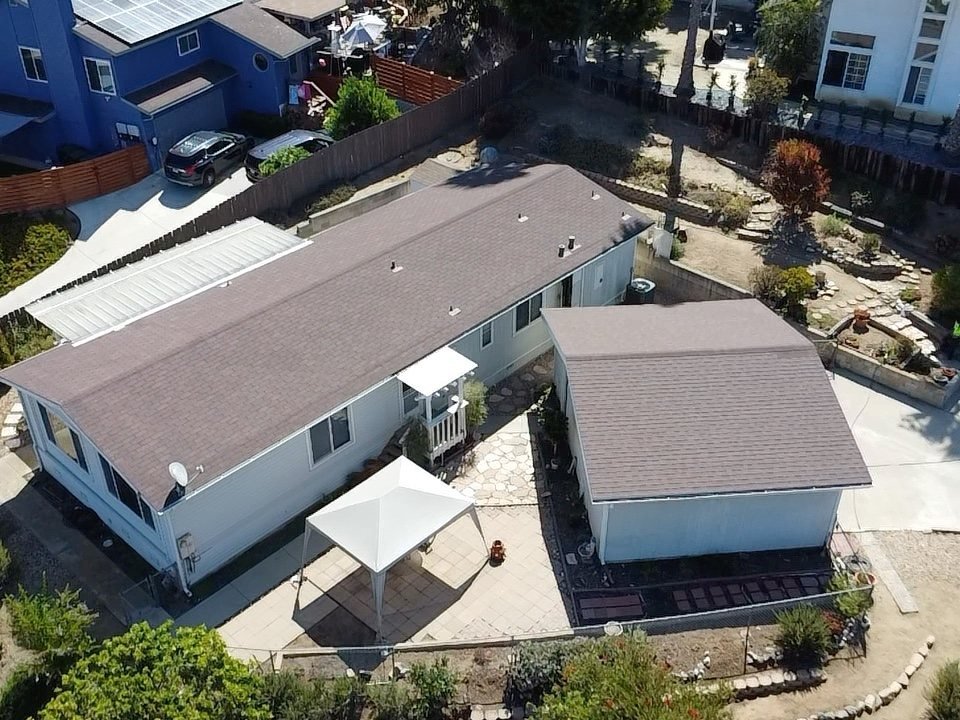
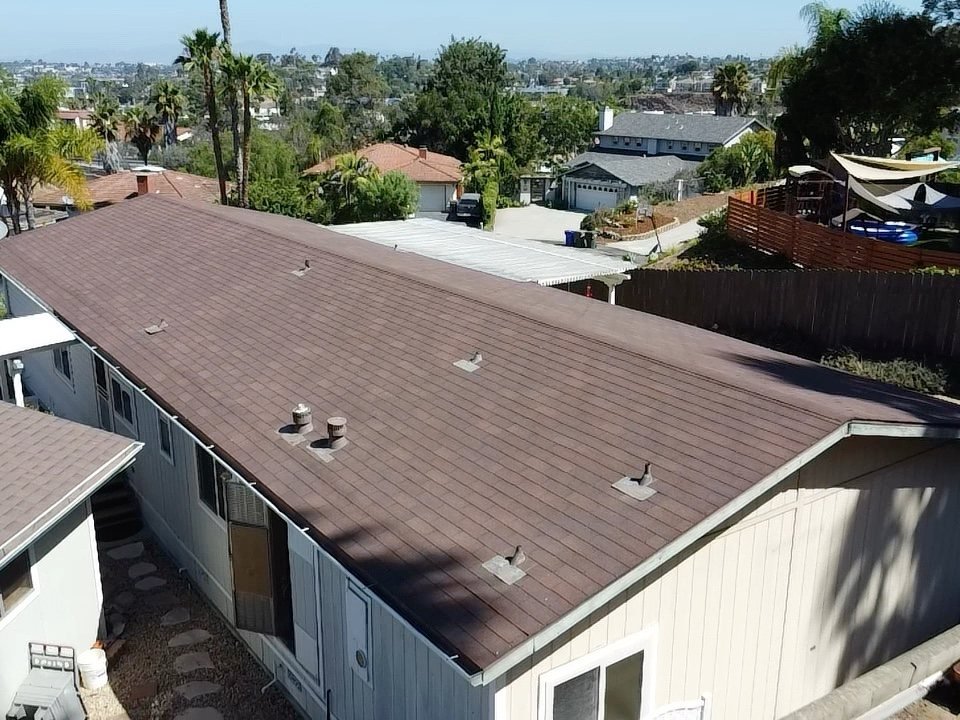
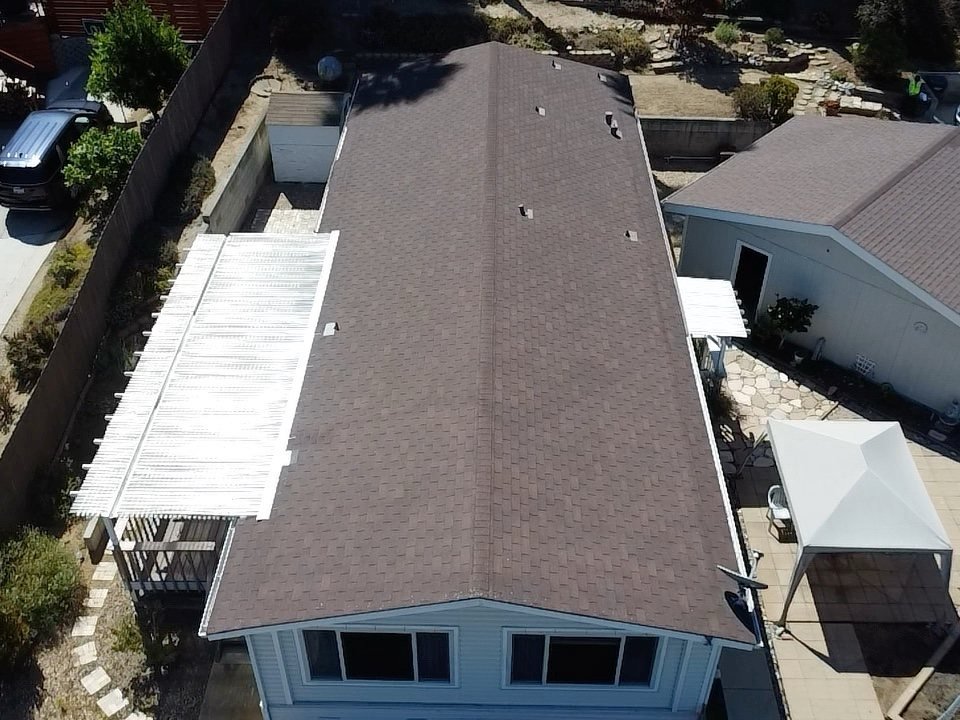
Aerial and on-roof photos from recent San Diego County roof inspections.
More inspections in Palm City
- Warranty inspection in Palm City
- Commercial roof cleaning in Palm City
- Commercial inspection in Palm City
- Pool and spa inspection in Palm City
- Home inspection in Palm City
Nearby and countywide
Were You Happy With Your Inspection?
We are proud of our 4.9-star rating across 100+ Google reviews. If Joseph and the team did right by you, a quick Google review helps other San Diego County buyers and sellers find us.