
SB-721 Exemption Letter in Palm City, San Diego, CA
Palm City sits in the flat south-San Diego stretch between Otay and Imperial Beach, and the small apartment buildings here tend to share a common DNA: low, slab-built, mostly one and two stories, many of them put up between the 1960s and the early 1980s. When a lender, an insurer, or a city reviewer asks you for an SB-721 balcony record on a building like that, the honest first move is not to schedule an inspection. It is to figure out whether SB-721 reaches the building at all. A surprising share of Palm City multifamily lands outside the statute, and that fact is worth documenting properly.
I am Joseph Romeo. I have worked south-county apartment stock for over twenty years, and I want to be clear about what this service is and is not. An exemption letter does not waive a legal obligation, and I cannot sign one for a building that genuinely falls under the law. What I provide is an applicability assessment: I walk the property, measure what the statute actually defines, and write a signed finding stating why SB-721 does not govern this particular Palm City building. That letter goes in your file for the owner's records and for the local jurisdiction.
Call (619) 752-4399 Schedule an Inspection
What does the SB-721 exemption letter actually establish?
The letter resolves a single, narrow question and resolves it in language a city plan reviewer or a lender will accept: why SB-721 does not apply to your Palm City building. It is not a balcony certification, and it is not a whole-property condition report. I look for and document the specific facts that put a building outside the statute:
- No element the law reaches. SB-721 covers load-bearing wood walking surfaces more than six feet above the ground, balconies, exterior stairways, landings, and elevated walkways. A single-story, slab-on-grade building with units that open directly onto a concrete walk has none of these, and I record each entry to prove it.
- It falls under SB-326 instead. If the property is a condominium or a common-interest community, the parallel HOA law, SB-326, applies rather than SB-721. The letter states that and directs you to the correct statute.
- Below the unit threshold. Buildings with fewer than three rental dwelling units sit under the SB-721 trigger, and I confirm the count.
- The framing is not wood. Steel or concrete stairs and landings carry no load-bearing wood and sit outside the elements the statute names.
Each letter spells out what I observed, the legal grounds for the determination, the inspection date, and my license credentials, so it can stand alone in a file. I assess and document applicability; I never excuse a requirement that truly applies.
Why do Palm City buildings so often fall outside SB-721?
The construction pattern in this corner of south San Diego works in an owner's favor more often than not. Palm City grew up flat and on slab, and the era it was built in matters:
- Slab-on-grade construction. Unlike the raised-foundation flats you find in older bayfront neighborhoods, much of Palm City sits directly on concrete slab. Ground-floor units step out onto a walk at grade, with no elevated wood surface in sight, which is a clean and genuine exemption.
- Single-story garden apartments. The 1960s-to-1980s garden-style courts that fill these blocks are frequently one story, so there is nothing six feet above grade for the law to govern. I document each unit's entry to establish that.
- Two-unit and converted parcels. The flat lots near Otay and toward Imperial Beach hold a lot of duplexes and converted single-family rentals that simply fall below the three-unit count.
- Concrete and steel stair assemblies. Where two-story walk-ups do exist here, many were built or later repaired with concrete landings or galvanized steel stairs rather than wood, which moves those specific elements out of scope once I confirm the framing on site.
What do I typically turn up on Palm City multifamily?
After this long working the south county, exemption requests around Palm City tend to sort into a handful of honest outcomes. Some buildings are plainly outside the law, a few are plainly inside it, and a number are mixed, where the letter has to be precise about which elements trigger the statute:
- Single-story slab courts, the flat garden apartments where every door opens onto a grade-level concrete walk, documented unit by unit as carrying no elevated wood.
- Misfiled condo communities, attached buildings an owner assumed needed SB-721 that are in fact common-interest developments under SB-326, redirected in writing.
- Mixed two-story buildings, a property where ground units are at grade but a wood second-floor walkway or landing serves the upper units, where I cannot sign a clean exemption and instead scope what does trigger SB-721.
- Steel-and-concrete walk-ups, two-story apartments whose stairs and landings are steel or concrete, taking those elements out of scope once I verify the construction.
- Wood that does qualify, the minority of buildings with original load-bearing wood balconies or walkways still in service, where I tell you plainly that a full inspection is owed.
If a building is not exempt, you hear it straight, and I point you to the SB-721 inspection. A clear answer protects you far better than a letter a reviewer can pull apart.
How does the assessment run and what does the letter contain?
I start with the address, the rental unit count, and the ownership structure, then walk the property to compare what is physically built against what the statute defines. I check every exterior surface, entries, concrete stoops, stairways, landings, shared walkways, and any balconies, and I note the construction material and the height above grade of each. Where a surface looks borderline, I record its framing so the finding survives scrutiny.
The deliverable is a signed exemption letter paired with a HomeGauge record that includes photographs of the relevant areas. It states the unit count and ownership type, lists the exterior elements I observed, identifies the exact basis for exemption, no qualifying load-bearing elevated wood, SB-326 jurisdiction, or a count below three units, and carries the date and my credentials. Most letters are ready the same day or the next morning. It is formatted so you can hand it to a lender, an insurer, a buyer, or the San Diego building division as the building's documented reason for not carrying an SB-721 inspection. I record and assess; I do not waive a requirement that applies.
Who signs the letter and why does that matter?
An exemption letter carries exactly the weight the reader assigns to whoever signed it, so the qualification behind it matters more than the page. I am an InterNACHI Certified Professional Inspector (CPI) and I hold a California CSLB General Contractor license (#1113143). I have built and rebuilt the exact stair, landing, and balcony assemblies SB-721 was written around, so I can tell a load-bearing wood walkway from a concrete landing or a grade-level slab entry on sight, which is the entire hinge of the determination.
- More than 20 years and over 10,000 inspections across San Diego County, with deep familiarity in the south-county neighborhoods around Otay and Imperial Beach.
- 4.9 stars across 106 Google reviews.
- No stake in the result. I gain nothing by calling your building exempt or not, I report what the construction and the statute show. If an SB-721 inspection is owed, I say so, and that independence is precisely what makes the letter believable when the building truly is exempt.
If you own a Palm City multifamily property and need its SB-721 status documented, reach me at (619) 752-4399 or joe@sandiegohomeinspection.com and I will get it assessed and written quickly.
Which related services fit Palm City owners?
An exemption letter settles one narrow point about SB-721. Depending on the building, several related services pair naturally with it, and I can often handle them on the same visit:
- SB-721 balcony inspection: the full inspection itself, for the Palm City buildings that do carry qualifying wood-framed elevated elements.
- SB-326 balcony inspection: the matching law for condominium and HOA communities, when the assessment shows your property is a common-interest development.
- Multifamily building inspection: a broader look at roofs, systems, and shared areas when you are buying, selling, or refinancing.
- Roof inspection: a closer read of coverings and flashing, sensible on the low-slope and aging roofs common to slab-era south-county apartments while I am already on site.
- Sewer scope: well worth running on Palm City's older blocks, where mid-century laterals can be overdue for a camera pass.
Send me the address, the unit count, and the ownership type, and I will tell you whether you need an exemption letter, a full SB-721 inspection, or one of these instead.
Palm City SB-721 Exemption Letter FAQs
Can you promise my Palm City building is exempt from SB-721?
Why does slab construction matter for an SB-721 exemption?
My apartment's stairs are concrete, not wood. Does that count?
Who typically asks for an SB-721 exemption letter?
Does a duplex in Palm City need an SB-721 inspection?
What does an SB-721 exemption letter in Palm City cost?
Properties we evaluate
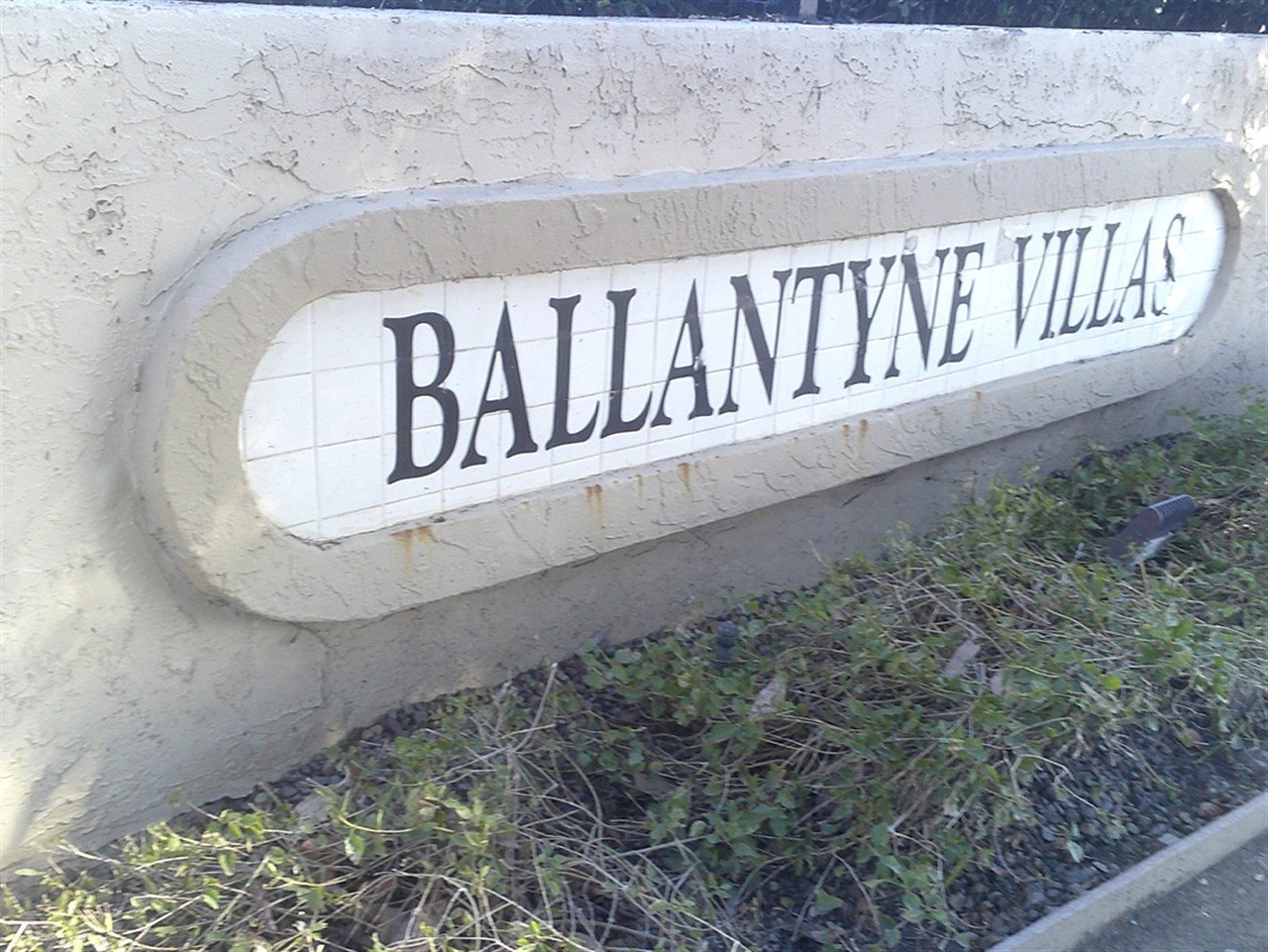
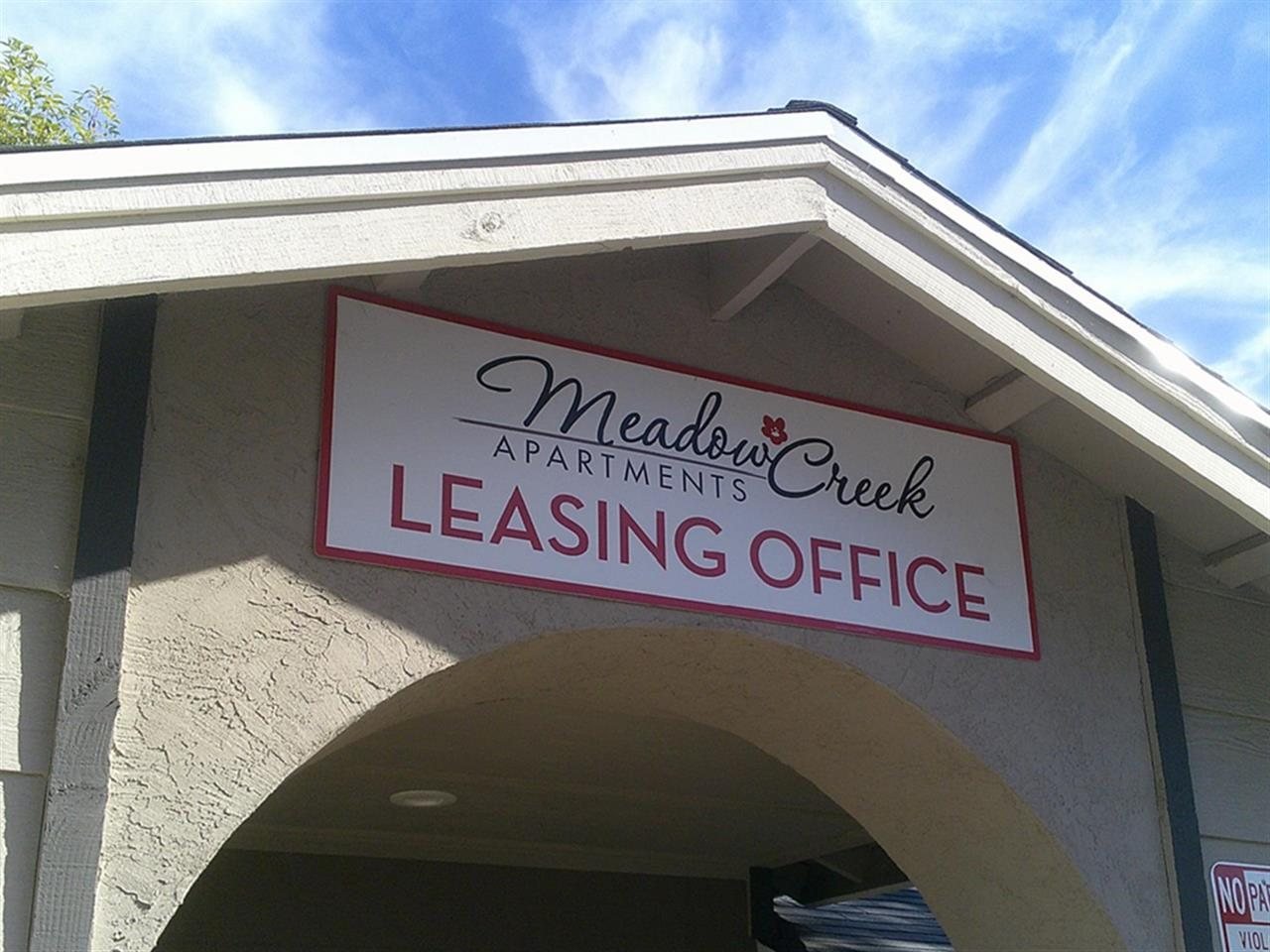
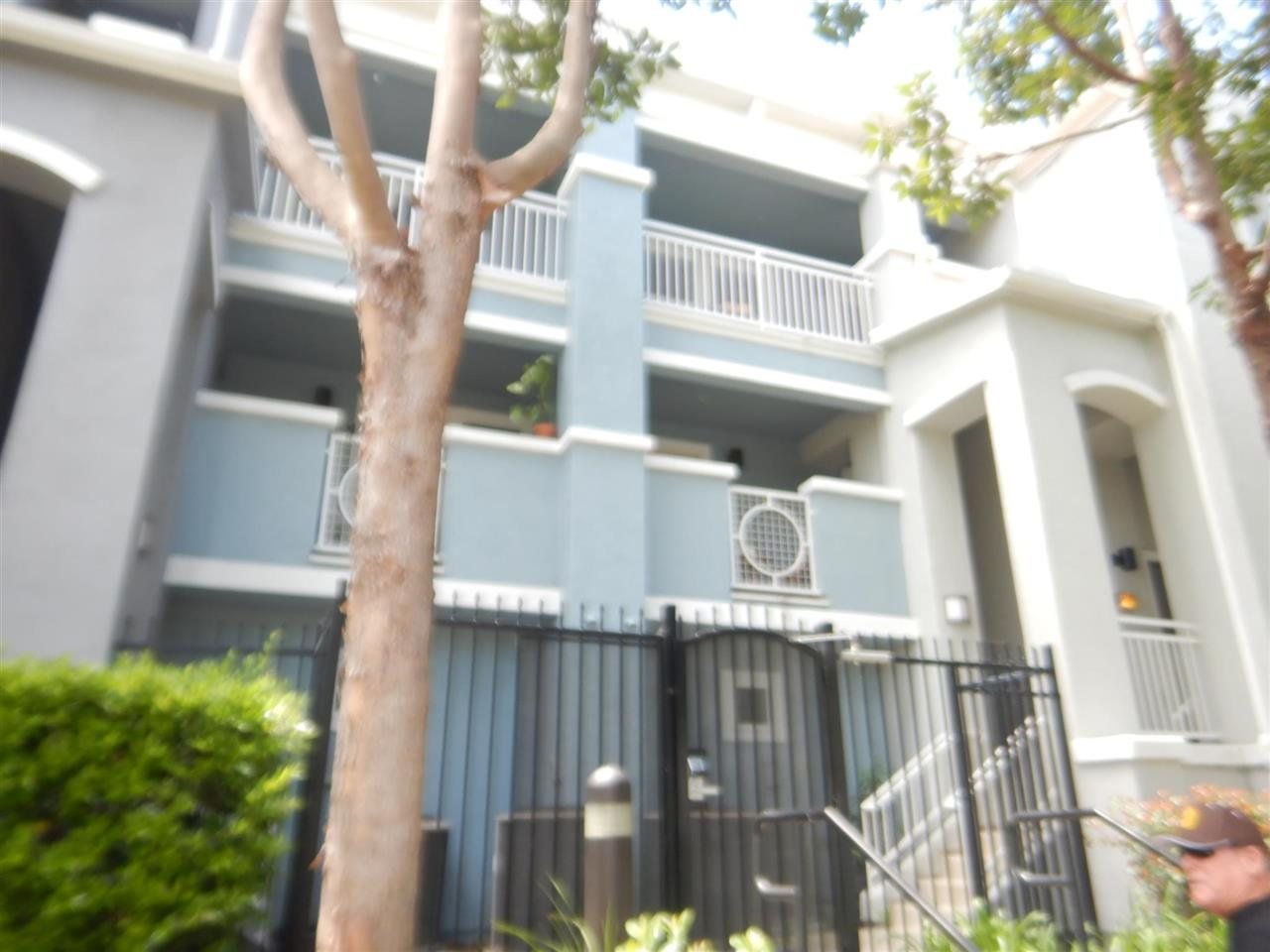
Properties evaluated for SB 721 exemption letters across San Diego County.
More inspections in Palm City
- Sewer scope inspection in Palm City
- 4-point inspection in Palm City
- Roof inspection in Palm City
- Thermal imaging in Palm City
- Home inspection in Palm City
Nearby and countywide
Were You Happy With Your Inspection?
We are proud of our 4.9-star rating across 100+ Google reviews. If Joseph and the team did right by you, a quick Google review helps other San Diego County buyers and sellers find us.