
SB-721 Exemption Letter in Nestor, CA
Nestor is a quiet, low-built pocket of south San Diego tucked between Imperial Beach and the Tijuana River valley, and most of its apartment stock went up as 1950s-through-1970s tract product on flat coastal slab. That era and that geography matter, because a large slice of these buildings were framed in a way that SB-721 simply never reaches. The trouble is that an owner's gut feeling carries no weight where it counts. A lender re-papering the note, a carrier underwriting the policy, a 1031 buyer's diligence team, or a plan checker at the County counter wants a signed determination from someone who walked the property and applied the rule, not a verbal assurance that the place has no balconies.
I am Joseph Romeo, and I have spent more than twenty years reading buildings across the far South Bay. Plain truth first: this letter cannot release a building the law genuinely covers, and I would never pretend otherwise. What I deliver is an applicability finding, a signed record that states whether your Nestor property carries the raised, weight-bearing wood elements the statute was written to catch, or whether it sits outside the law because of its slab-on-grade framing, its unit count, or because it falls under the condominium statute, SB-326, instead. Given how Nestor was built, a meaningful number of these properties land on the outside, and the letter is what puts that conclusion on the record.
Call (619) 752-4399 Schedule an Inspection
What is the Nestor SB-721 exemption letter meant to prove?
This is a tightly scoped document with a single purpose: to state, in language a lender or the County will respect, why SB-721 has no grip on your particular Nestor building. It is not a balcony certificate and it is not a whole-property inspection. The statute attaches to rental and apartment properties of three or more units that carry Exterior Elevated Elements, wood-framed, load-bearing balconies, decks, exterior stairs, landings, and walkways that rise more than six feet over the ground and depend on weatherproofing to keep water out of the wood. To call a Nestor building exempt honestly, the site visit nails down:
- The unit count and ownership form. Whether the property clears the three-unit floor at all, and whether it runs as a rental or as a common-interest development that answers to SB-326.
- Whether anything is truly elevated. On Nestor's flat slab tracts, many entries meet a concrete walk at grade, leaving nothing more than six feet up for the law to grab.
- The material and the load path. Whether any raised element is the wood-framed, weight-carrying kind the statute names, or a steel stair, concrete landing, or block stoop instead.
- Dependence on a waterproof layer. Whether an element relies on weatherproofing over wood, the second half of the definition that must be present before the statute bites.
Where the elements all fall short, or there are none, the property sits outside SB-721, and the letter records that with the inspection date, the legal basis, photos, and my credentials, so it stands alone in a file. I assess condition and applicability; I do not sign away a duty that genuinely attaches.
Why do Nestor's slab tracts so often qualify for exemption?
Nestor filled in mostly during the postwar tract boom, and the way it was built is exactly why the applicability question lands here so often. Off Hollister, Coronado Avenue, and the streets running toward the river valley, you read the pattern block by block:
- 1950s-70s single-story slab apartments. A great deal of the multifamily product here is low garden-court rental on a flat slab, single-level units whose doors open straight onto a concrete walk, with no raised wood anywhere on the lot.
- Two-story walk-ups with concrete or steel access. Where a second story exists, the stair runs and landings were frequently poured concrete or galvanized steel rather than wood, which can pull a building clear of the wood-framing test.
- Small two-unit parcels and back houses. Nestor's residential blocks hold a number of duplexes and rear cottages that simply never cross the three-unit threshold.
- River-valley-edge and flood-aware builds. Near the Tijuana River floodplain, some construction sits on raised slab with at-grade entries that skip the projecting wood deck altogether, which bears directly on whether any qualifying element even exists.
That spread is the whole reason the call should be made at the building, not read off the County parcel file.
Which exemption outcomes show up most on Nestor buildings?
After this long working the south end of the county, exemption calls in Nestor settle into a short list of honest outcomes. Some buildings sit squarely outside the law, a few squarely inside, and a fair share are split, and the letter is bound to name which one is yours:
- Grade-level slab courts, the single-story apartment groups where every door meets a concrete walk, recorded unit by unit as carrying no raised wood element.
- Condo communities under the wrong statute, attached buildings the owner assumed needed SB-721 that are in fact common-interest developments governed by SB-326, redirected in the letter.
- Elevated, but not wood, walk-ups whose stairs and landings are poured concrete or galvanized steel rather than the wood-framed construction the law spells out.
- Below the unit floor, a property that reads as an apartment building but holds only two dwelling units, under the three-unit minimum.
- Split buildings, a front block at grade with a rear wing carrying one surviving wood second-floor landing, where a clean exemption is off the table and I scope the part that does trigger SB-721.
When a building is not exempt, you hear it straight from me, with a pointer to the SB-721 inspection. A clear answer protects you far better than a letter that comes apart the moment an examiner reads the first line.
How do I run the visit and what ends up in your file?
I start with a short intake, the address, the year built, the unit count, and whether you hold the property as a rental or a common-interest development, then schedule the walk around tenant and shared-area access. On site I work the exterior in order, locating every raised element, measuring its height over grade where that number genuinely decides the call, and reading the framing and load path to settle whether it is the wood-framed, weatherproofing-dependent type SB-721 names or a steel, concrete, or block assembly. Where a call is tight, a stair that may not clear six feet, framing that could be wood under a composite skin, I record the measurement and the basis rather than trust memory.
What you receive is a signed applicability assessment and exemption letter, built alongside a HomeGauge record with photographs of the relevant areas. It identifies the building, the unit count, and the ownership type, itemizes the exterior elements I observed, fixes the exact ground for exemption, no qualifying raised wood, non-wood construction, grade-level entries, under the unit floor, or SB-326 jurisdiction, and carries the date and my license credentials. Most of these letters are finished the same day or by the next morning. It reads so you can hand it to a lender, a carrier, a buyer, or the County building counter as the property's documented reason for not carrying an SB-721 inspection. I record observed condition and applicability; I do not waive a requirement that genuinely applies, I do not perform repairs or issue structural certifications, and a contested legal reading belongs with your attorney.
Who signs your Nestor SB-721 exemption letter?
A determination is only as sound as the person reading the structure, because the whole question turns on material, framing, and load path. I am an InterNACHI Certified Professional Inspector (CPI) and I also hold a California CSLB General Contractor license (#1113143). I have built and torn out the exact stair and balcony assemblies SB-721 was written about, so I can separate a weight-bearing wood landing from a steel run or a grade-level stoop at a glance, which is the entire pivot of the call.
- Over 20 years and more than 10,000 inspections across San Diego County, with long stretches worked through the South Bay and the communities along the border.
- 4.9 stars across 106 Google reviews from owners, managers, and agents who needed a clear, defensible answer.
- Nothing riding on the verdict. I gain nothing by calling your building exempt or covered, I report what the construction and the statute show. If an SB-721 inspection is owed, you hear it, and that neutrality is exactly what gives the letter its weight when the building truly is exempt.
To be straight, my credentials are InterNACHI CPI and CSLB General Contractor, I am not an ASHI or CREIA member, and I do not post flat prices, since scope follows building size and complexity. If you hold a Nestor multifamily property and need its SB-721 standing on the record, reach me at (619) 752-4399 or joe@sandiegohomeinspection.com and I will get it assessed and written without delay.
Which related inspections fit Nestor multifamily owners?
The exemption letter closes one narrow point, whether SB-721 applies. Depending on what the walk turns up, a handful of nearby services fit alongside it, and I can often handle them on the one visit:
- SB-721 balcony inspection — the full inspection itself, for the Nestor buildings that do carry qualifying wood-framed raised elements.
- SB-326 balcony inspection — the companion law for condominium and HOA communities, when the assessment shows the property is a common-interest development.
- Multifamily and full property inspection — a wider read on roofs, systems, and shared areas when you are buying, selling, or refinancing.
- Sewer scope — well worth running on Nestor's older slab blocks, where the laterals serving 1950s-70s construction are often overdue for a camera pass.
- Roof inspection — a closer look at coverings and flashing on these low, flat-coastal roofs while I am already on the lot.
Send the address, the unit count, and the ownership type, and I will tell you whether you need an exemption letter, a full SB-721 inspection, or one of these instead.
Nestor SB-721 Exemption Letter FAQs
Can you guarantee my Nestor building is exempt from SB-721?
Why would an older Nestor apartment qualify for an exemption?
My two-story walk-up has concrete stairs. Does that matter?
Who is going to ask me for this exemption letter?
My building sits near the river valley on raised slab. Could it be exempt?
What does an SB-721 exemption letter in Nestor cost?
Properties we evaluate
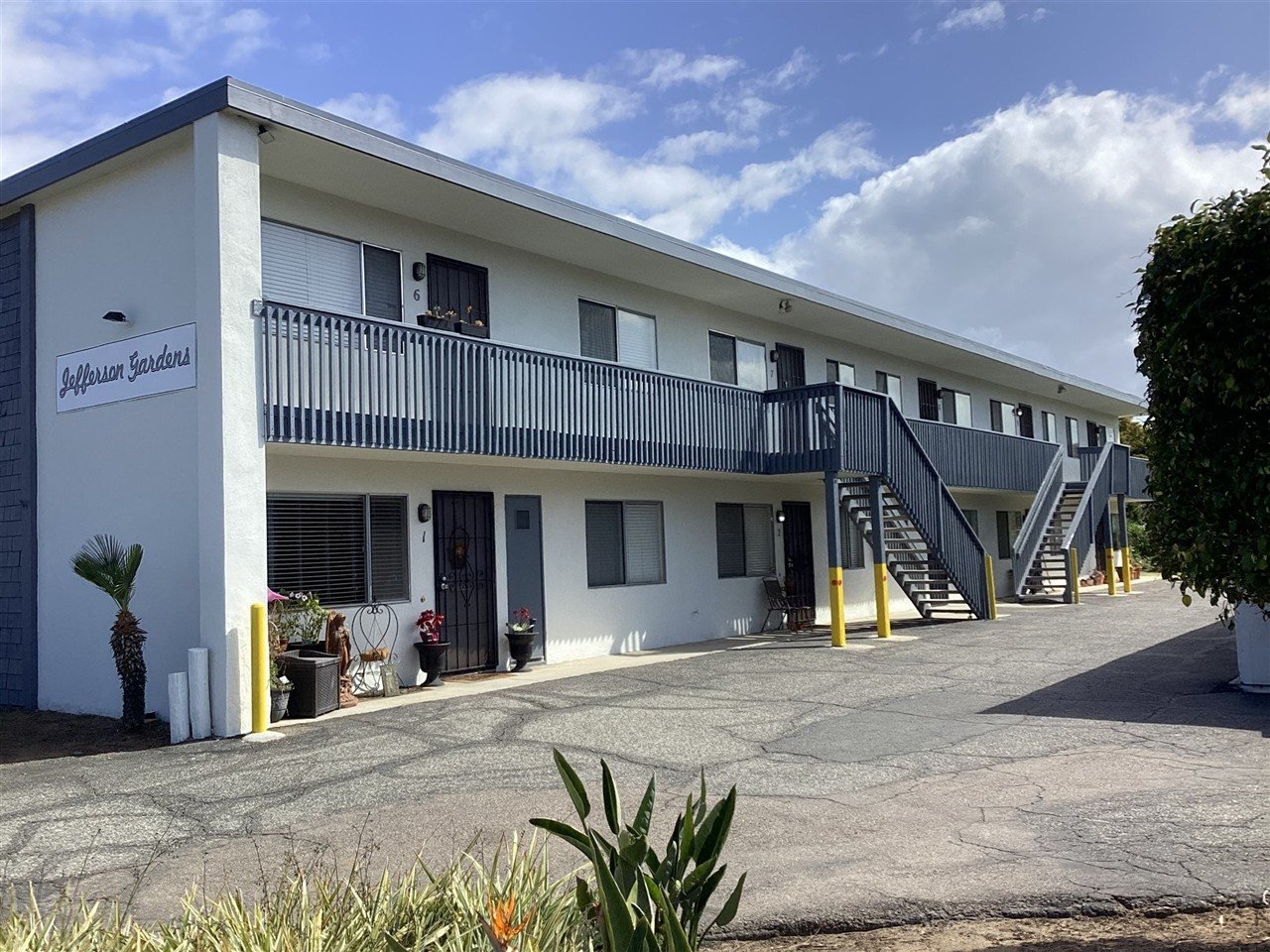
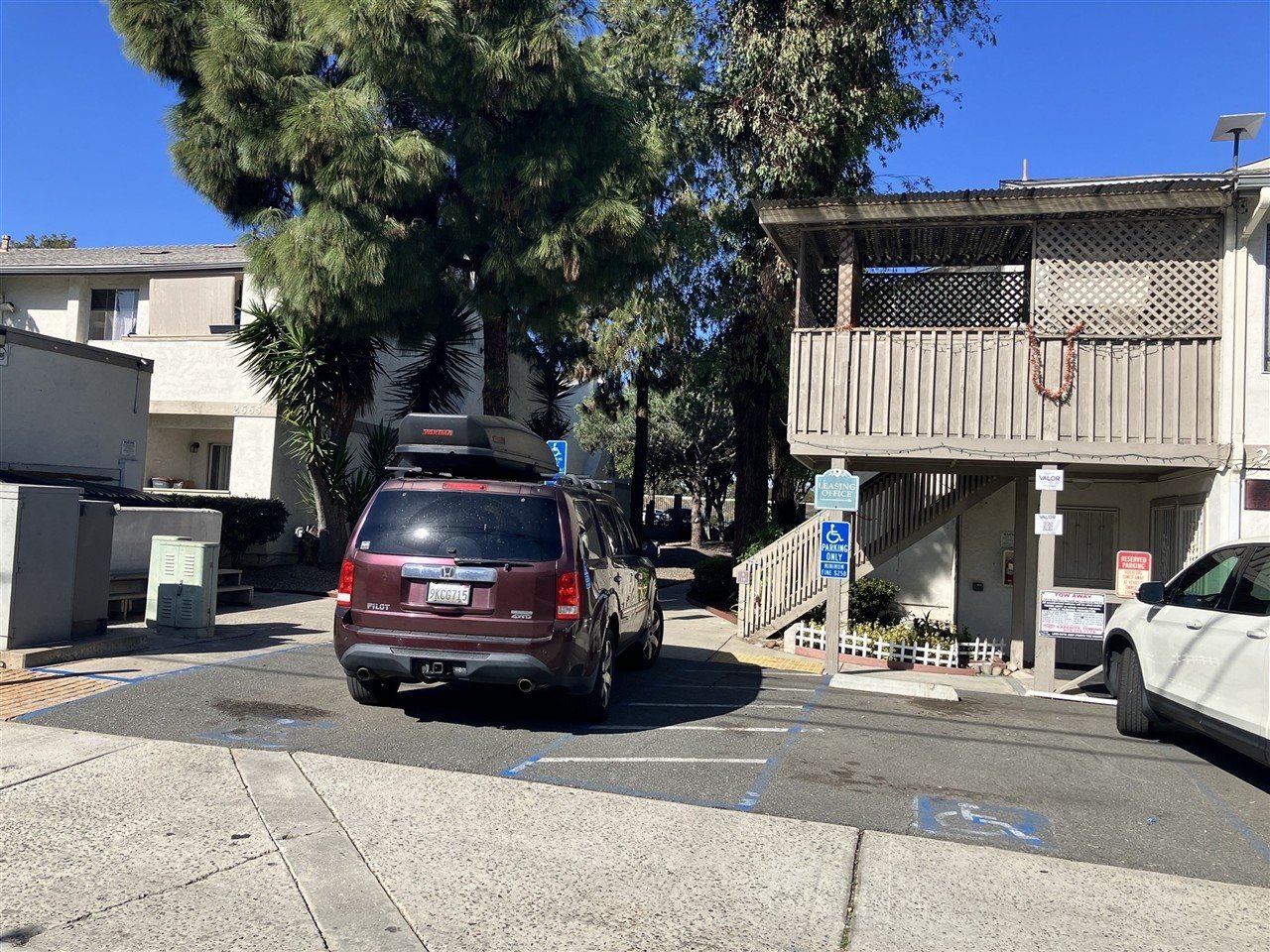
Properties evaluated for SB 721 exemption letters across San Diego County.
More inspections in Nestor
- Commercial inspection in Nestor
- Pool and spa inspection in Nestor
- Sewer scope inspection in Nestor
- 4-point inspection in Nestor
- Home inspection in Nestor
Nearby and countywide
Were You Happy With Your Inspection?
We are proud of our 4.9-star rating across 100+ Google reviews. If Joseph and the team did right by you, a quick Google review helps other San Diego County buyers and sellers find us.