
Sewer Scope Inspection in Nestor, San Diego, CA
Nestor sits in the southwest corner of San Diego, a flat grid of tract houses tucked between Imperial Beach, the Otay Mesa hills, and the green sweep of the Tijuana River Valley. Most of the neighborhood went up in a single building wave — roughly the 1950s through the early 1970s — on slab foundations laid across a low coastal plain. That timing matters more than anything a buyer can see at a walkthrough, because the drain line buried beneath one of these homes is almost always original to the build, and original on a Nestor parcel means clay tile, cast iron, or the occasional run of Orangeburg still doing the job decades past its expected life.
The sewer lateral — the private pipe that carries waste from the house out to the public main under Coronado Avenue or your block's tie-in — is the one major component a standard home inspection leaves untouched. Nobody sees it, and on flat ground this close to the river valley, that blind spot has a habit of turning into a surprise bill the first rainy season after closing. A sewer scope removes the guesswork: we feed a waterproof video camera into the lateral through a cleanout and drive it toward the street, recording the whole pass. You get the footage and a plain report. We diagnose with the camera — we do not snake, jet, or dig. When the pipe needs repair, we hand you a licensed plumber and forward the recording so he starts already knowing what he's facing.
Call (619) 752-4399 Schedule an Inspection
What does a Nestor sewer scope look at?
The inspection is a live camera trip down the home's main drain, starting at a reachable opening and running toward the public connection. It can ride along with a full home inspection or be booked on its own. On a typical Nestor tract lot, the camera is there to confirm and record:
- What the pipe is made of — vitrified clay, cast iron, tar-and-fiber Orangeburg, or newer ABS/PVC. On homes built in Nestor's 1950s–1970s window, the older materials are the rule, and material tells us most of the story before the first joint comes into view.
- Root intrusion — hair-fine feeders slipping through a joint all the way up to a dense root ball plugging the bore, the most common defect anywhere old pipe runs near the mature trees and valley greenery that ring the neighborhood.
- Cracks, breaks, and offset joints — sections that have split, shifted, or dropped out of line as the coastal-plain soil settled around them.
- Bellies and sags — low dips on flat ground where the line settled and stopped draining clean, so water and solids pool instead of moving downhill.
- Corrosion and scale — the rough, flaking interior of worn cast iron that pinches the channel and grabs debris.
- Obstructions and earlier repairs — grease, debris, spot patches, and liner segments that show the lateral already has a work history.
We document only what the camera can physically reach and see. If standing water, a hard plug, or a collapse stops the head before the main, we mark the footage location and the reason on the recording — we won't claim the line ran clean to the street when the lens never got there.
Why do Nestor's soil and home age threaten the lateral?
Few south-county neighborhoods line up the risk factors the way Nestor does, and they tend to compound rather than show up one at a time. Here's what shapes the read before the camera even goes down:
- A single mid-century building era. The bulk of Nestor's residential stock dates to the 1950s through the early 1970s, the exact stretch when clay tile and cast iron were still going into the ground. A line from that period is squarely in the age where clay joints loosen, iron scales, and gaskets give out.
- Slab-on-grade construction. Most Nestor houses sit on slab, which buries part of the lateral under poured concrete you can't reach any other way. A crack or belly hidden beneath a slab is precisely the failure a camera is built to catch — and the one nobody finds until it backs up.
- Flat coastal-plain soil. Nestor's ground is low and level, which sounds harmless but lets a settling line sag into bellies that hold water instead of carrying it off. Flat runs forgive nothing once a low spot forms.
- The Tijuana River Valley edge. Lots backing toward the valley sit near a high, damp water table and a band of mature trees and dense vegetation. Wet soil keeps roots hunting for any weeping joint, and groundwater seeps into cracks year-round.
- Orangeburg in the older pockets. Some early Nestor parcels still carry tar-paper Orangeburg, which ovals and collapses with age. It's the material we most want to rule out before you sign anything.
Which defects keep turning up under Nestor homes?
Run enough cameras across this corner of the South Bay and the same short list keeps appearing on the monitor. None of these automatically sinks a purchase — but each is a number you want in hand while your contingency window is still open, not after the keys change hands:
- Roots through clay joints — from light feeders a plumber can cut back to a packed mass that forces a dig, the usual outcome wherever older clay tile runs under the valley-edge trees.
- Bellies on flat lots — settled low points pooling water and waste, a repeat finding on Nestor's level coastal-plain blocks.
- Scaled, channeled cast iron — mid-century iron lines worn rough and thin along the bottom, narrowing the bore and snagging paper and solids.
- Collapsing Orangeburg — the blistered, ovaled wall of a tar-fiber pipe at the end of its run, which almost always means full replacement no matter how the line drained the day we looked.
- Separated or offset joints — sections nudged out of alignment by soil movement or root pressure under the slab.
- Grease and partial blockages — buildup that has to be cleared before the camera can confirm the rest of the line out to the main.
Each finding lands in the report with a still frame pulled from the video, a footage marker wherever the camera gives us one, and a straight read on whether it's ordinary upkeep or a genuine repair worth raising at the negotiating table.
How does the scope run and what does your report include?
We sort out the basics ahead of time — whether the home has a reachable cleanout, its rough age, and which way the line exits — and coordinate with the agent or owner so the access point is clear when we arrive. Some older Nestor homes were never fitted with an exterior cleanout, or it's since been paved or buried; when that happens, we pull a toilet to get the camera into the lateral and reset it cleanly afterward. We drive the self-leveling head toward the public main, calling out material, defects, and footage marks as the lens moves.
Stand at the monitor with us if you can — we'd rather you did. Watching the lens drop under water in a belly, or roots crowd a clay seam, registers in a way no written line item matches, and it helps you tell a watch-it pipe from a tear-it-out one with your own eyes.
You walk away with the recorded footage plus a written summary of what matters — material, location, and severity — in a photo-documented HomeGauge report, organized so the real repairs stand apart from cosmetic wear. Findings go out the same day or the next, so a Nestor contingency clock never stalls waiting on us. We grade observed condition and never bid or perform the fix, which keeps the report free of any conflict. Hydro-jetting, spot repairs, and full lateral replacement are plumbing work — when the video calls for it, we point you to a licensed plumber rather than overstep what we're licensed to do.
Who runs your Nestor sewer scope?
Grading a buried line well is half reading what's on the screen and half knowing what the repair actually demands — and on a slab-built, mid-century Nestor lateral, that second half is where buyers get blindsided at closing. Your scope is run by Joseph Romeo, an InterNACHI Certified Professional Inspector (CPI) who also holds a California CSLB General Contractor license (#1113143). That builder background is exactly what lets him tell a clay line with cosmetic root hair and years left from one cracked and offset enough to dig out.
- 20-plus years and more than 10,000 inspections across San Diego County, the South Bay communities among them.
- 4.9 stars on 106 Google reviews from buyers, sellers, and the agents who keep sending people our way.
- Fully independent — we don't snake drains, line pipe, or sell sewer repairs, so nothing in the report is nudging you toward work that would pay us.
- Real familiarity with Nestor housing, from the 1950s tract blocks near Coronado Avenue to the slab-on-grade lots backing onto the river valley.
For anything past the camera — jetting, a spot fix, or a full lateral dig — we coordinate or refer the right licensed plumber instead of reaching beyond our scope. Reach us directly at (619) 752-4399 or joe@sandiegohomeinspection.com.
Which inspections pair well with a Nestor sewer scope?
A sewer scope answers one buried question. On a Nestor home — especially an older slab one near the valley — several other services fit naturally alongside it, and we can fold them into a single visit:
- Full home inspection — the core review of roof, structure, electrical, supply plumbing, and HVAC, and the appointment the scope most often rides along with.
- Foundation and slab review — on slab-heavy Nestor lots, the same soil settling that bellies a lateral often shows at the slab edge, so a closer look there pairs well.
- Infrared and moisture scanning — reads slab and walls for hidden water, which earns its keep near the damp valley edge and where a leaking line may be wetting soil under the foundation.
- Specialist coordination — for termite/WDO, mold, or engineering questions outside a sewer scope, we bring in the right licensed professional rather than speculate.
- Plumber referral for repair — when the camera turns up roots, a break, or Orangeburg, we refer a licensed plumber to clear, line, or excavate, and pass along the recording so he isn't starting blind.
Send us the address and roughly the year the home was built, and we'll tell you whether the lateral is the first thing to camera or one of several items worth combining into one trip. We suggest what fits your purchase, not a fixed package.
Nestor Sewer Scope Inspection FAQs
What does a sewer scope inspection in Nestor cover?
Why does a sewer scope matter so much on Nestor homes?
How does slab-on-grade construction affect the scope?
Can you scope the line if there's no cleanout?
What happens if you find roots or a broken pipe?
Does the Tijuana River Valley nearby affect Nestor sewer lines?
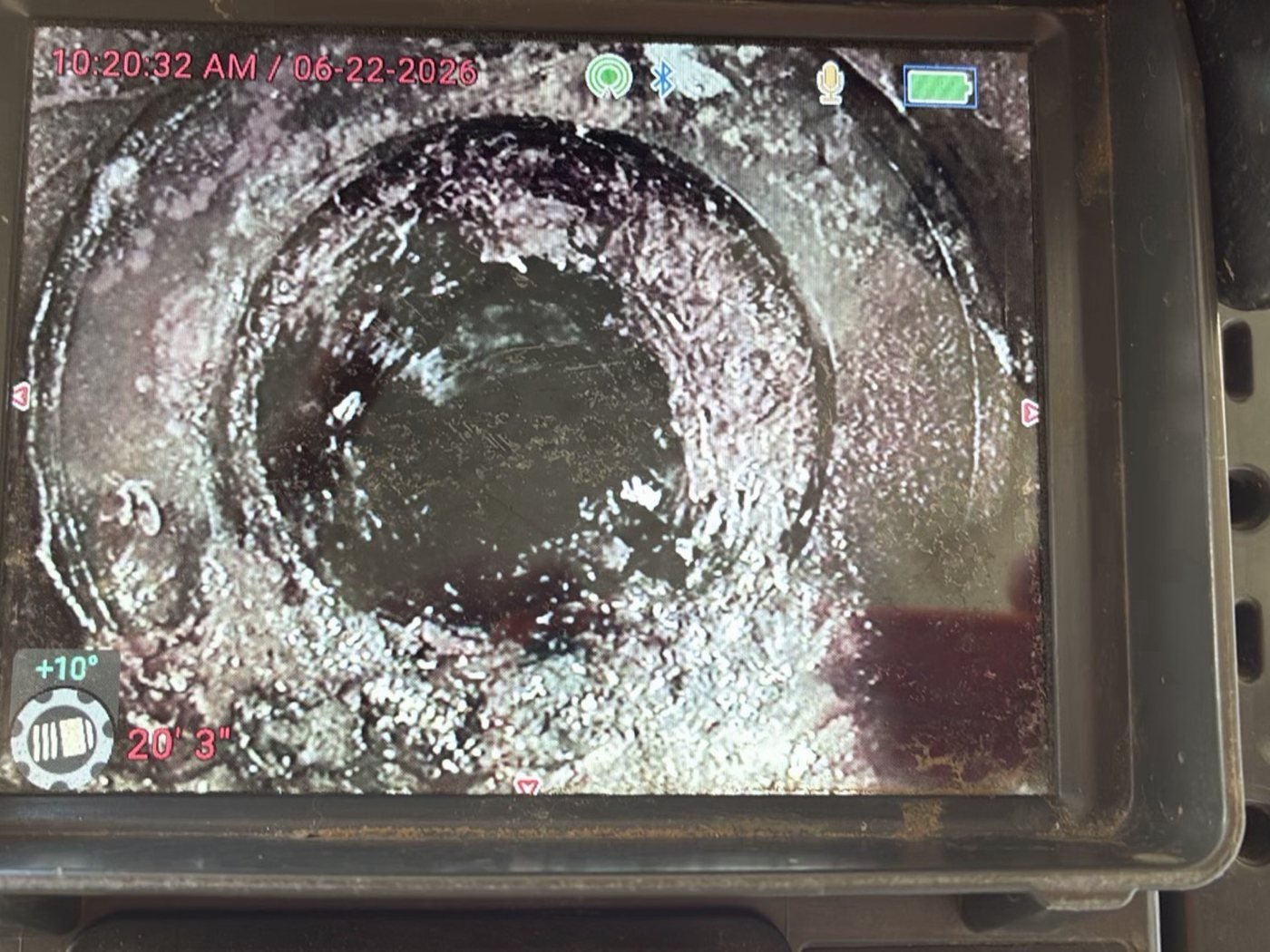
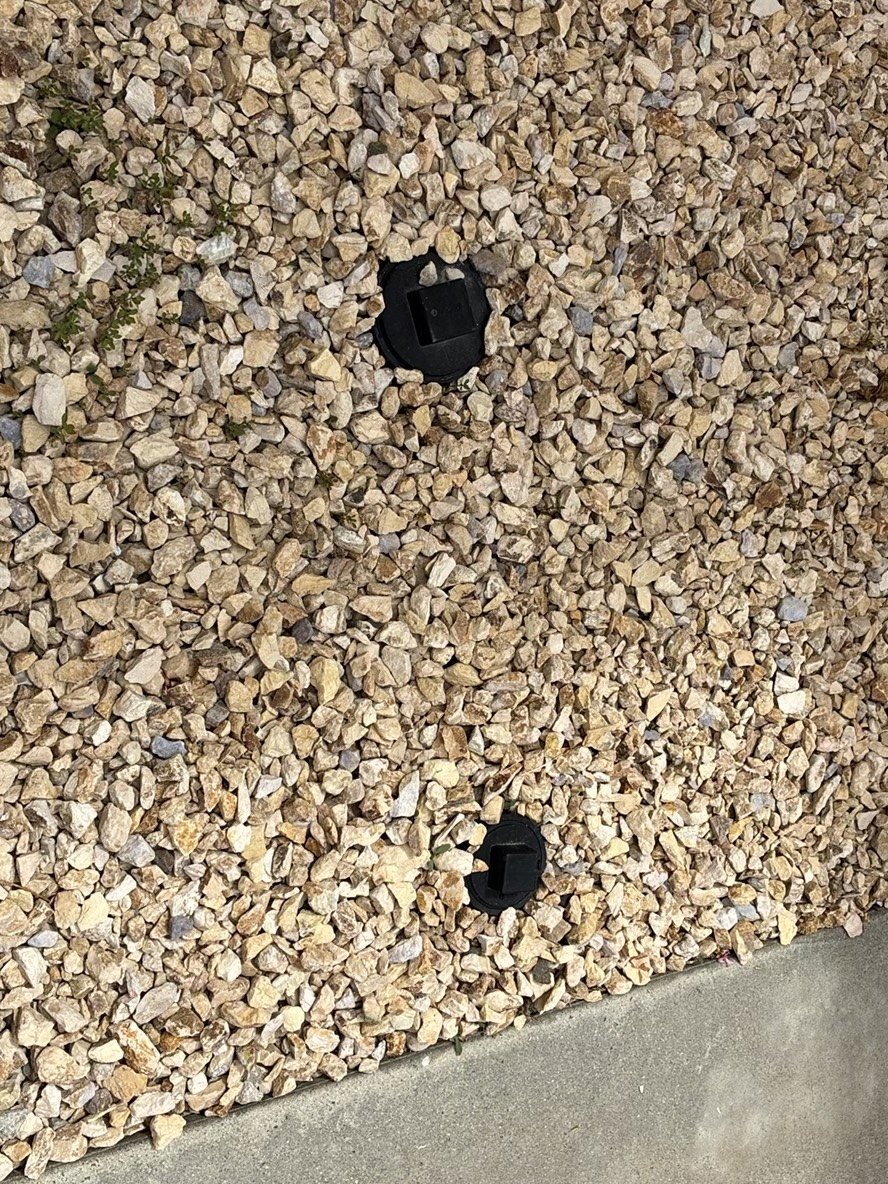
What the camera sees
Sewer scope documentation from recent San Diego County inspections.
More inspections in Nestor
- Thermal imaging in Nestor
- Foundation slab survey in Nestor
- SB 721 balcony inspection in Nestor
- SB 326 balcony inspection in Nestor
- Home inspection in Nestor
Nearby and countywide
Were You Happy With Your Inspection?
We are proud of our 4.9-star rating across 100+ Google reviews. If Joseph and the team did right by you, a quick Google review helps other San Diego County buyers and sellers find us.