
11-Month Warranty Inspection in Nestor, San Diego
If you closed on a newer home in Nestor about a year ago, you are holding a piece of value that runs out on a calendar date and gives no warning. The builder's one-year warranty on workmanship and materials covers a wide range of corrections, then expires on the anniversary of your closing — and anything you never wrote down becomes a repair you pay for yourself. An 11-month warranty inspection is how you turn that coverage into actual fixes. I time a full inspection to roughly month ten or eleven, document every item the builder still owes, and hand it to you as one filing-ready record with weeks to spare.
Nestor is a south San Diego neighborhood with an older backbone and newer pieces dropped in. Most of the grid was platted in the 1950s through 1970s as flat, slab-on-grade tract housing on the coastal plain just inland of Imperial Beach, riding the edge of the Tijuana River valley. The new homes here tend to be ADUs, small infill builds on subdivided lots, or rebuilds taken down to the slab and put back up. That fresh work then spends a full year on low, level ground near a river floodplain, drying out and settling on its own timeline — which is exactly when defects step into the light. This visit is how we get them on the builder's desk while the leverage still belongs to you. The Nestor home inspection hub covers the broader buying side.
Call (619) 752-4399 Schedule an Inspection
What does the warranty walk reach on a year-old Nestor home?
This is the complete inspection, run to the same InterNACHI standard I bring to a purchase — not the quick courtesy lap a builder offers near the anniversary. The difference is the angle: I measure each reachable system against what the first-year warranty obligates the builder to correct, and I phrase every note so a warranty coordinator can act on it without a second look. On a twelve-month-old Nestor home the walk covers:
- Roof and weather skin — covering, flashing, the stucco field and weep screeds, and the sealant joints that a year of coastal-plain sun and marine damp tend to pull open first.
- Slab and parcel — the slab-on-grade these homes sit on, visible cracking, separation where frames meet the wall, and how the finished grade carries water off a flat, low lot near the river valley.
- Electrical — panel and breaker labeling, GFCI and AFCI coverage, bonding and grounding, and the loose or reversed terminations production wiring leaves behind.
- Plumbing — supply pressure and drain flow, the water heater and its California seismic strapping, hose bibs and angle stops, and slow seeps hiding behind new finishes.
- Heating and cooling — the furnace or heat pump actually cycled rather than assumed, room-to-room airflow checked, ducting confirmed in the attic, and condensate routed where it belongs.
- Attic and interior — insulation depth against Title 24, bath and dryer exhaust taken fully outside, window and door operation, and the cosmetic cracking a new frame sheds drying through year one.
Every defect lands in a HomeGauge report, photographed and pinned to a precise spot, and ordered to read like a warranty submission rather than a loose pile of notes. I record observed condition only — no pass-fail grade and no repair dollar figure. Pricing the fix is the builder's job, not mine.
How does Nestor's ground stress a new home in year one?
This corner of south county has a particular set of stresses, and knowing where the year-one defects come from is most of catching them before the clock runs out:
- Flat ground on the river-valley edge. Nestor sits low and level on the coastal plain bordering the Tijuana River valley, so positive drainage away from the slab is a genuine concern. A crew working fast doesn't always grade a lot to shed water, and the first wet season exposes whatever they skipped.
- Marine air without the open surf. A few miles inland from the IB shoreline, Nestor still pulls steady coastal moisture. That damp keeps a building envelope wet longer, so a thin flashing detail or a marginal window seal lets water track inward before any stain reaches the paint.
- New work wedged into old tract stock. An ADU or infill build here usually sits beside 1950s-70s slab houses, with no repeated production plan and no model-home history to lean on. I watch the seams where new warranty-covered construction meets whatever stayed.
- A mild, drying climate. Warm, dry south-county weather pulls moisture out of new lumber quickly, and that drying surfaces as nail pops, corner cracks, baseboard gaps, and cabinet runs pulling off the wall — the familiar month-ten cluster.
- A warranty window that never pauses. Workmanship coverage is generally a firm twelve months. Let it slide and a correction the builder owed turns into a bill you carry, which is the whole reason the visit is timed to month ten or eleven.
Which findings keep repeating on newer Nestor builds?
Inspect enough year-old homes on this flat stretch of south county and the warrantable items start to group together. None of it means the house was built badly — early defects are the normal first-year crop, which is precisely why the warranty is written into your contract. The work is logging them while the builder still owns the repair:
- Settlement cosmetics. Hairline-to-wider drywall cracks fanning from door and window corners, separation at the baseboard and ceiling line, and nail pops marching across ceilings as the slab and frame settle on level ground.
- Stucco and flashing shortcuts. Field cracking, thin or skipped sealant at penetrations, and weep-screed or flashing details a fast crew rushed on an infill elevation.
- Grading that drains the wrong way. Soil mounded against the stucco, downspouts dumping at the foundation, or flatwork pitched back toward the house — routine on a low, flat lot near the river floodplain and exactly what this ground can't shrug off.
- HVAC and duct loose ends. Rooms that never balance, crushed or disconnected flex duct in the attic, registers left untrimmed, and condensate lines weeping where they shouldn't.
- Plumbing odds and ends. A drip at a supply fitting, a water heater never strapped to seismic spec, hose bibs and angle stops that seep, or a missing drain pan — quick items a builder corrects inside the window.
- Moisture on low ground. Efflorescence on a stem wall, damp at a low corner of the slab, or staining low on an exterior wall — the kind of thing Nestor's level, marine-damp setting surfaces inside the first year.
None of it is alarming for a one-year-old home. The value is handing the builder a finished, photo-backed list while they're still bound to act on it.
How does the visit run and what do you file with the builder?
Timing is the whole game, so it starts with a call to (619) 752-4399 or an email carrying your Nestor address and your warranty expiration date. Aim for month ten or eleven — far enough in that a coastal-plain year of marine damp, settling, and the wet season has drawn out leaks, cracks, and drainage trouble, but early enough to file before coverage closes. Pull your warranty paperwork first: some builders attach their own claim form and a submission cutoff that lands before the full twelve months, and that detail shapes how I sequence the punch list. I arrange access ahead so the roof, attic, panel, mechanical equipment, and the whole exterior — including the low side of the lot where water gathers — are all reachable on the day.
On site I run the home the way I would for a buyer: onto the roof for covering and flashing, across the stucco and the grading, into the panel and the plumbing, over the HVAC and through the attic, then room by room across every interior finish. Each defect earns a photo and a plain note on what it is and where it lives. On a compact ADU or small infill plan that's usually a couple of hours, because the aim is to leave the builder nothing to wave off.
You walk away with a complete HomeGauge report built to function as a warranty submission: every finding photographed, located, and written plainly so it reads as a ready-to-file punch list, typically back in your inbox the same day or next morning. Walk it with me if you can — seeing water stand at a low corner or a seal failing on the weather side makes the builder conversation far easier. I document observed condition and stop there: I don't pressure-test lines, I don't issue structural certifications, and I don't perform the repairs. When a finding calls for a leak pressure-test, a pest or WDO evaluation, or a structural opinion, I say so plainly and coordinate or refer the right licensed specialist — which is what keeps the report independent when it reaches the builder's desk.
Why do Nestor owners hand me the year-one walk?
A warranty inspection only earns its deadline pressure if the person running it can separate a real defect from ordinary first-year settling and knows which items a builder is genuinely on the hook to fix. That read comes from years on the tools, not from ticking a checklist. Your inspection is performed by Joseph Romeo, an InterNACHI Certified Professional Inspector (CPI) who also carries a California CSLB General Contractor license (#1113143). On a warranty walk that builder's-side background is the entire edge: I read newer construction the way the trades who framed it do, so I can tell whether a crack is cosmetic drying or something structural, and whether a finding is one the warranty desk will own or argue, before you ever submit it.
- 20-plus years and more than 10,000 inspections across San Diego County, from the south-county coastal plain through the backcountry — Nestor included.
- 4.9 stars from 106 Google reviews earned with buyers, owners, and agents.
- Write-ups built to hold up with a builder — clear photos, exact locations, no padding and no pile-on.
- Independent and conflict-free — I document what's there and don't sell the repairs, so nothing on your list is inflated to win work.
For the record, I'm InterNACHI CPI and CSLB-licensed — not an ASHI or CREIA member — and I don't post flat prices, because the fee tracks the home. Check the fee schedule or send your Nestor address and I'll confirm a quote before you book. Reach me at joe@sandiegohomeinspection.com or the number above.
Which inspections pair well with a Nestor warranty walk?
The 11-month visit is a full-house inspection aimed at your warranty, but a few companion services drop neatly into the same trip on a Nestor property, and I can line them up while the builder may still owe the fix:
- Sewer scope — a camera down the lateral, worth doing even on a newer home where construction debris, a belly, or a sloppy connection can sit in the line out toward the main, especially where it ties into older south-county infrastructure.
- Thermal and infrared imaging — reads missing attic insulation, hidden moisture behind a rushed flashing detail in the marine damp, or an overloaded circuit inside a finished wall, often the items a fast warranty walk skips.
- Roof inspection — a closer standalone read on covering, flashing, and drainage if the first year has already loosened or slipped something up top.
- Full buyer's home inspection — the same complete scope if you're weighing an older 50s-70s Nestor tract house instead of chasing a builder deadline; start at the Nestor hub.
- Pre-drywall or phase inspections — for owners still mid-build on a later infill or ADU project who want eyes on the work before it's sealed up.
Not sure what your address calls for? Send it over and I'll tell you what genuinely fits the property rather than push a fixed bundle — see all inspection services we offer or get a quote through contact.
Nestor 11-Month Warranty Inspection FAQs
When should I book my 11-month warranty inspection in Nestor?
Is this the same as the inspection I had before closing?
My Nestor home is nearly new. Will an inspection really find anything?
Why does Nestor's location matter for a new-build warranty inspection?
How fast will I get the report so I can meet my warranty deadline?
Do you repair what the inspection finds?
New-home documentation
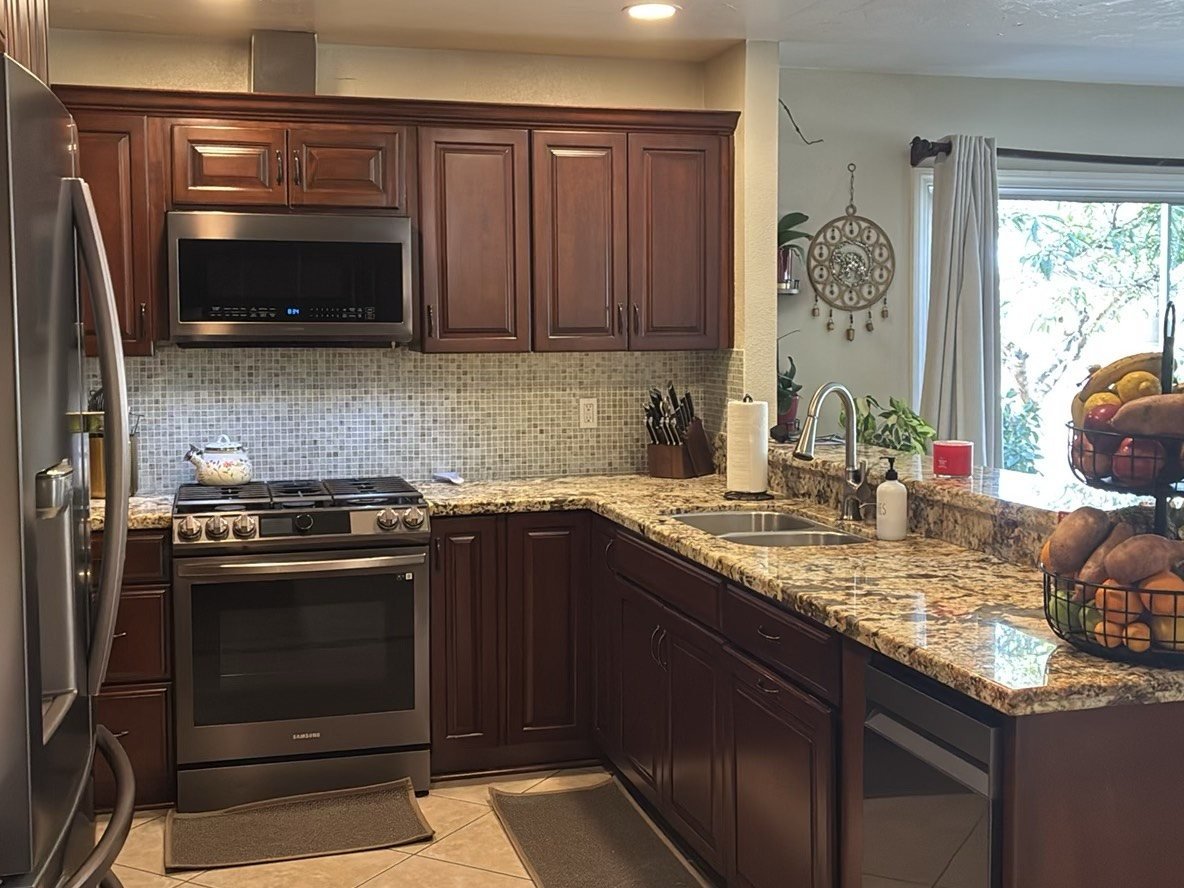
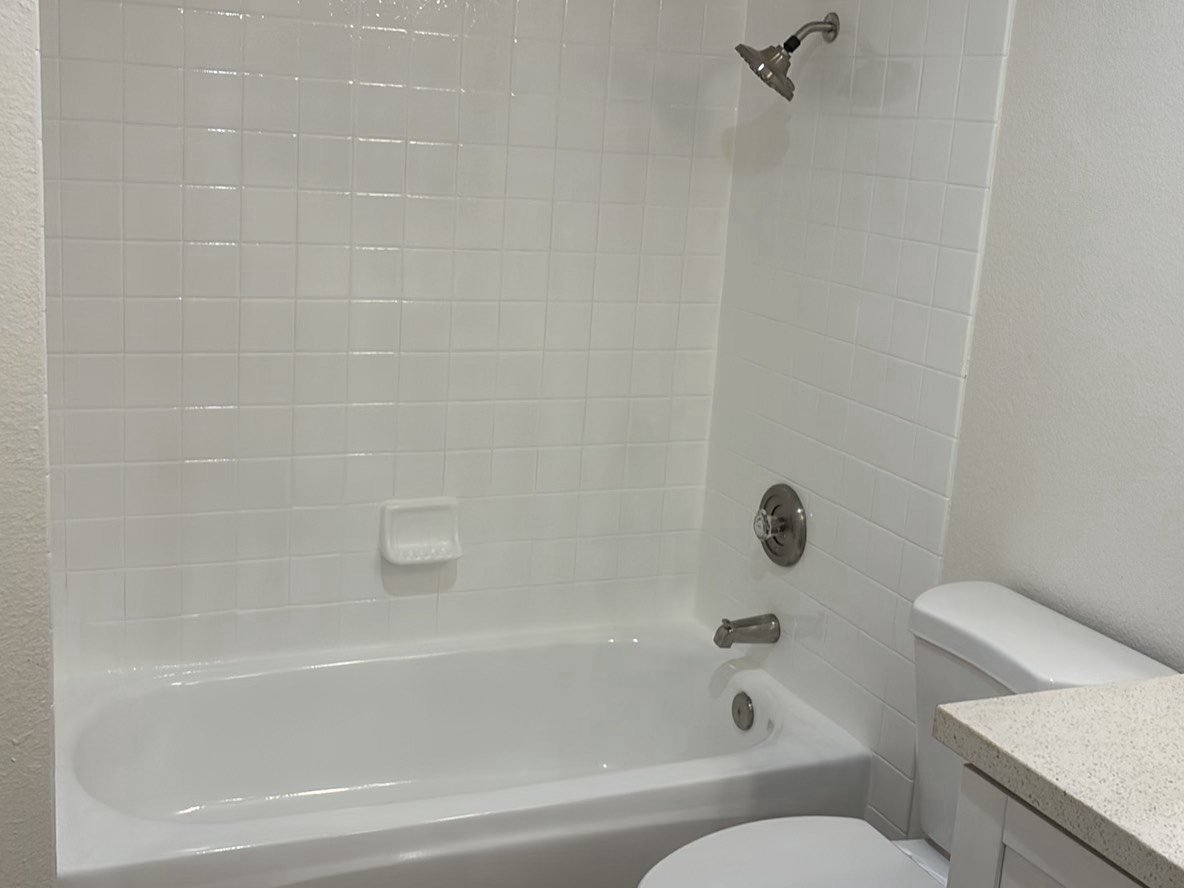
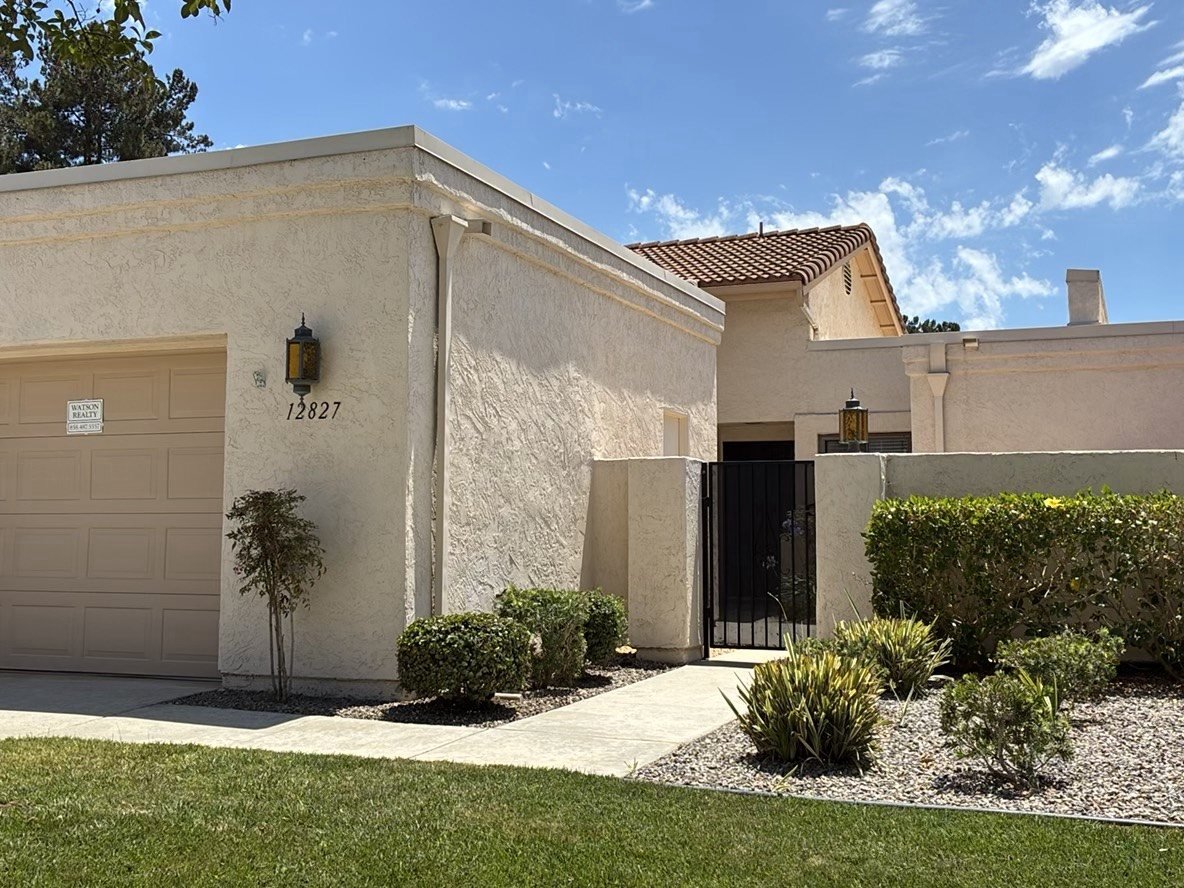
Photos from 11-month builder warranty inspections of newer San Diego homes.
More inspections in Nestor
- Thermal imaging in Nestor
- Foundation slab survey in Nestor
- SB 721 balcony inspection in Nestor
- SB 326 balcony inspection in Nestor
- Home inspection in Nestor
Nearby and countywide
Were You Happy With Your Inspection?
We are proud of our 4.9-star rating across 100+ Google reviews. If Joseph and the team did right by you, a quick Google review helps other San Diego County buyers and sellers find us.