
SB-721 Balcony Inspection in Mira Mesa, CA
Mira Mesa grew up fast. The neighborhood went from open mesa to one of San Diego's largest planned communities across the 1970s and 80s, and the rental housing that filled in along Mira Mesa Boulevard, Camino Ruiz, Black Mountain Road, and the streets feeding MCAS Miramar dates almost entirely to that build-out. Those are slab-on-grade, wood-framed apartment complexes raised in the years before deck flashing and elastomeric coatings were everyday practice — and they are squarely the buildings California's SB-721 was written to keep safe. The law reaches any apartment or multifamily property with three or more dwelling units carrying wood-framed exterior elevated elements: balconies, decks, exterior stairs, landings, and elevated walkways set more than six feet above grade, along with the waterproofing that keeps that framing dry. The statute calls them EEE — exterior elevated elements. The first inspection came due January 1, 2026 after AB 2579 moved the original date out a year, and it returns on a six-year cycle.
I'm Joseph Romeo, and I handle these Mira Mesa inspections in person. An SB-721 inspection isn't a buyer's walk-through of the building — it's a focused, code-driven safety review that ends in a photo-backed report you keep on file and hand the City of San Diego when it's requested. Below I lay out what gets examined on a Mira Mesa complex, the inland-mesa exposure that ages these elements here, what tends to surface on stock of this era, how the report reaches you, and where my scope ends. The Mira Mesa home inspection hub covers the residential side of what I do across the mesa.
Call (619) 752-4399 Schedule an Inspection
What does an SB-721 inspection cover on a Mira Mesa complex?
SB-721 keeps a deliberately narrow lane. It governs the load-bearing parts of a multifamily building that sit more than six feet above grade and depend on wood framing, plus the systems that route water off and away from that wood. On a typical Mira Mesa two- or three-story complex, that means I'm reading, sounding, and photographing:
- Unit balconies and projecting decks — the joists, the ledger where each balcony bolts back to the wall, the support posts, and the walking surface serving the upper apartments
- Exterior stair flights — the open wood stairways climbing to the second- and third-floor units along the building's exterior, including how each stringer ties back and what footing it lands on at the slab
- Landings and shared walkways — the entry platforms and the long elevated walkways that string a row of upper units together, a defining layout in Mira Mesa's garden-court complexes
- Guards and handrails — tested for firm attachment and load resistance, because the rail is the last thing standing between a resident and a fall
- Waterproofing and weatherproofing — the flashing, deck coatings, membranes, sealant joints, and drainage that decide whether the framing behind them stays sound
The work runs mainly by eye, across a representative sample of each element type, and where the evidence points toward concealed damage the law allows an intrusive look — opening a small section to read the hidden framing directly rather than guess. Each element is called safe or unsafe, and every call is backed by photographs. I record observed condition; I don't engineer the repair or carry it out, and the report says so plainly.
How does Mira Mesa's inland exposure wear on elevated elements?
A Mira Mesa balcony doesn't weather like a beachfront one, and it doesn't dry slowly like a shaded canyon court either. This is high, flat mesa set back from the coast, open to sun and wind, with a thin morning marine influence that burns off early most of the year. That profile leaves its own signature on aging wood and coatings, and these are the conditions I'm reading on every Mira Mesa visit:
- Hard inland sun and heat load: the open mesa takes full afternoon sun with little canyon shade, and that steady ultraviolet and thermal load bakes deck coatings brittle, drives the oils out of sealant joints, and checks open the seams that later let water reach the framing
- Santa Ana wind cycles: the dry offshore winds that rake the mesa each fall drive grit into worn coatings and stress flashing laps and rail anchors, working open small gaps that the next wet season exploits
- Thin marine layer, then concentrated rain: Mira Mesa runs dry for long stretches, then takes its rain in heavy bursts — sun-tired flashing and worn membranes that shed a light mist let those downpours run straight into the ledger and the framing
- 1970s–80s tract framing on slab: nearly all of Mira Mesa's multifamily stock was framed in those two decades, before modern flashing and membrane details were routine, and the stair stringers landing on slab footings are precisely the assemblies now reaching the end of their service life
- Irrigation overspray and walkway wash-down: the garden-court complexes get heavy sprinkler overspray off the landscaping and routine hosing of the upstairs breezeways, and that recurring damp at the base of stair stringers and against walkway membranes is a quiet source of concealed decay
What tends to surface on Mira Mesa EEE inspections?
On the 70s-and-80s complexes I inspect across Mira Mesa, the defects gather in a predictable set of spots shaped by that sun-baked, dry-then-downpour profile. Knowing where they hide lets an owner plan and budget repairs instead of racing a re-inspection clock:
- Failed ledger waterproofing — where the balcony fastens into the wall, sun-dried or patched flashing lets water track behind and rot the ledger; this is the single most dangerous defect the law exists to catch
- Sun-cooked deck coatings — brittle, checked, or worn-through walking surfaces on the upper balconies and walkways that stopped shedding water and started feeding the framing below
- Hidden soft framing — joists, stair stringers, and post bases that probe spongy at the connections, usually buried behind sound-looking paint until an intrusive opening confirms it
- Corroded connectors and fasteners — joist hangers, lag bolts, and post anchors eaten at the joints where irrigation overspray or breezeway wash-down keeps them damp
- Stair footings soaked at the slab — stringer bases and landing posts at grade that have taken years of runoff and overspray and gone punky where the wood meets the slab
- Loose or under-anchored guards — railings that shift under hand pressure because the wood behind them softened or the anchors corroded, one of the most common safety flags on these long walkway runs
- Caulk-over patch work — earlier quick fixes that sealed moisture inside the assembly instead of keeping it out
I separate cosmetic aging from a true load-bearing or safety defect, so an unsafe call reflects an actual hazard and not just a tired finish — and every call is photographed for the record.
How does the inspection run and what report do you receive?
It begins with a call to (619) 752-4399 or an email carrying the property address, the unit count, and a rough tally of how many balconies, stair flights, and elevated walkways the building holds. That count sets the representative sample SB-721 requires, tells me whether your Mira Mesa complex is a half-day or full-day job, and lets me line up unit and breezeway access ahead of time.
On site I work each elevated element in turn and photograph it: reading the flashing and probing for soft wood at the ledgers, checking coating and slope on the walking surfaces, testing every guard for firm attachment, and getting beneath the stairs and landings to examine the stringers, slab footings, posts, and metal connectors. Where the visual evidence points to concealed rot — and on Mira Mesa's sun-tired coatings and overspray-soaked stringer bases that's exactly where it tends to be — I'll talk through opening a small section for the intrusive confirmation the law permits, rather than guess at what sits behind the finish.
You receive a written HomeGauge report that classifies each inspected element safe or unsafe, records the waterproofing condition, and backs every call with photos in the format the City building authority and your own records need on file. In most cases it lands same day or next day. It documents observed condition only — for anything marked unsafe, the report is laid out so a licensed engineer or contractor can move straight into the repair design, and because the law sets repair timelines once a hazard is named, that fast turnaround helps you act inside them.
Why do Mira Mesa owners and managers bring me out?
An SB-721 report is only as good as the judgment behind the safe-or-unsafe call. On a 40-plus-year-old complex a missed rotten ledger is a real liability, and a false alarm is a needless repair bill on a long-held building. I'm an InterNACHI Certified Professional Inspector (CPI), and I also hold a California CSLB General Contractor license (#1113143). That contractor's background is what these assemblies demand: I've built and repaired the decks, ledgers, exterior stairs, and waterproofing I'm evaluating, so when I write that a connection is unsafe I know what sits behind the finish and what the fix actually takes.
- 20+ years and 10,000+ inspections across San Diego County, including the 70s-and-80s multifamily complexes that fill Mira Mesa and the Miramar corridor
- 4.9 stars across 106 Google reviews from owners, managers, and agents
- Independent and conflict-free — I inspect and document, and I don't bid the balcony repairs I flag, so nothing in the safe-or-unsafe call is steered toward work I'd profit from
For the structural repair design and the corrective work the report calls for, I coordinate or refer the right licensed engineer or contractor rather than pretend the inspection covers it. Reach me directly at joe@sandiegohomeinspection.com or the number above.
Which inspections pair with a Mira Mesa SB-721 review?
SB-721 answers the balcony-safety mandate and nothing past it. If you own or are buying multifamily property in Mira Mesa, a few companion inspections are worth folding into the same visit:
- SB-326 balcony inspection: the parallel EEE law for condominium and HOA-governed buildings — if your Mira Mesa property is a common-interest development rather than an apartment, that standard applies in place of SB-721
- Full multifamily inspection: roof, electrical, plumbing, and structure when you need a buyer's-grade read on the whole building and not just its elevated elements
- Sewer scope: worth a camera run on these complexes, where original drain lines from the 1970s and 80s have logged decades of service and root intrusion off the mature landscaping
- Roof inspection: coverings and flashing aging under the same hard inland sun as the balconies and walkways below, feeding the same waterproofing concerns
- Thermal / infrared imaging: to help locate concealed moisture behind a deck coating or at a sun-tired ledger before any intrusive opening is made
- Structural / engineering review: when an unsafe finding needs a stamped repair design, I refer a licensed engineer and fold their work into your timeline
Send me the address, the unit count, and whether the building is an apartment or a condo, and I'll tell you which of these genuinely apply before your SB-721 deadline closes out. Browse all inspection services or check the fee schedule.
Mira Mesa SB-721 Balcony Inspection FAQs
Which Mira Mesa buildings actually need an SB-721 inspection?
When was the SB-721 deadline for Mira Mesa apartments?
Does Mira Mesa's inland sun really shorten balcony life?
Do the Santa Ana winds matter for an SB-721 inspection here?
Will you open up the balcony framing during the inspection?
What does an SB-721 inspection in Mira Mesa cost?
Properties we inspect
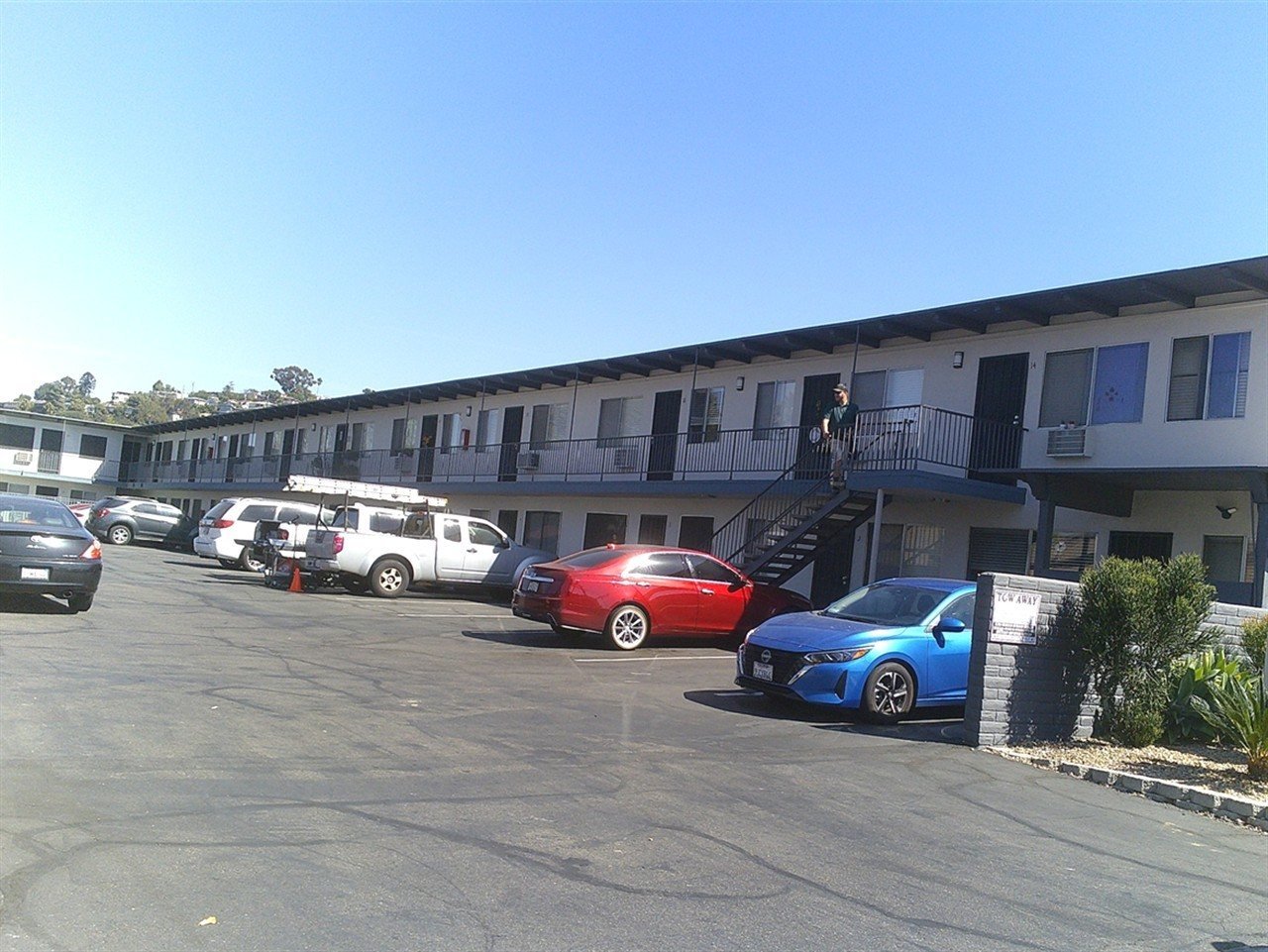
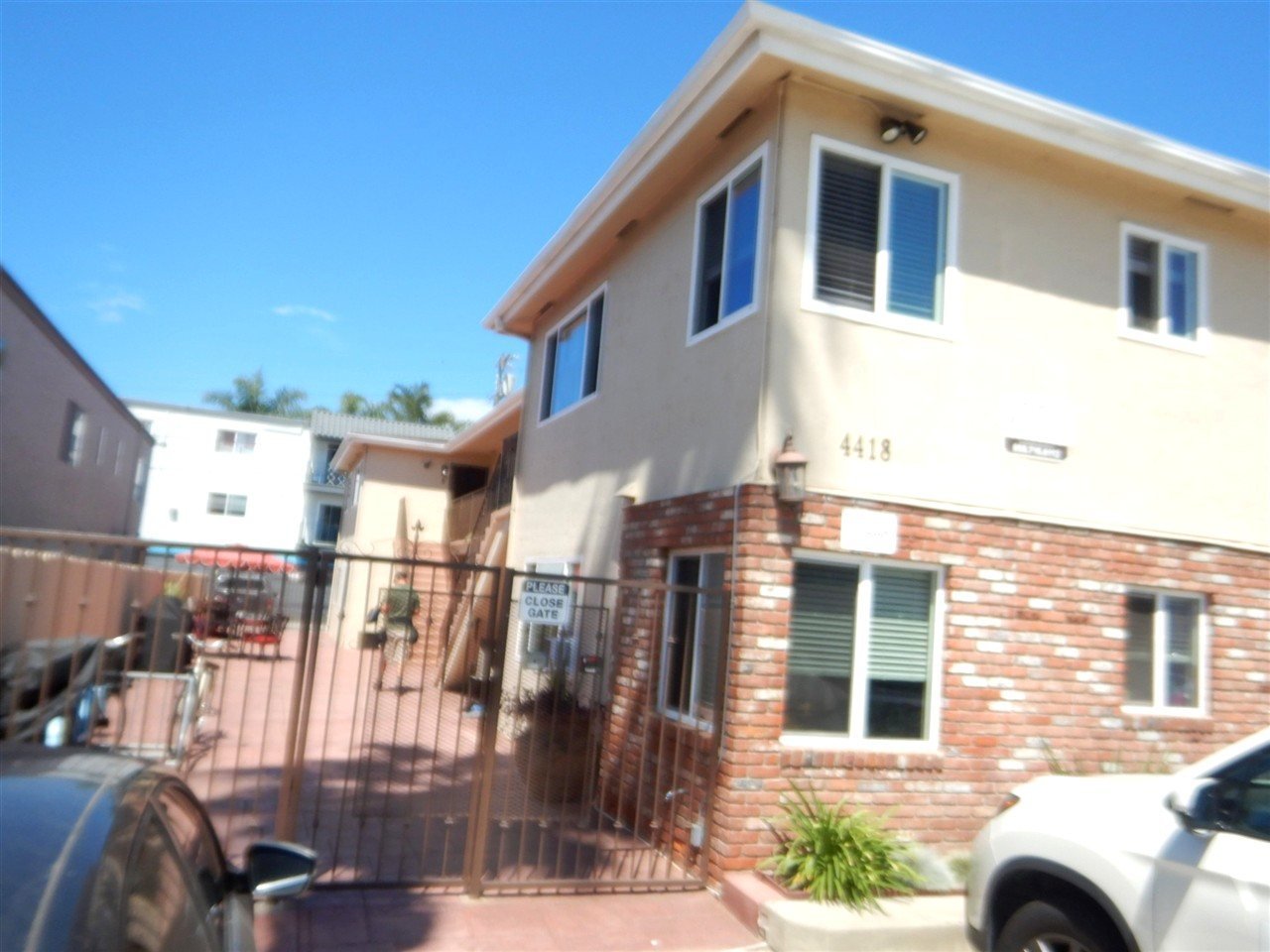
Multi-unit properties documented for SB 721 balcony compliance across San Diego County.
More inspections in Mira Mesa
- Pool and spa inspection in Mira Mesa
- Sewer scope inspection in Mira Mesa
- 4-point inspection in Mira Mesa
- Roof inspection in Mira Mesa
- Home inspection in Mira Mesa
Nearby and countywide
Were You Happy With Your Inspection?
We are proud of our 4.9-star rating across 100+ Google reviews. If Joseph and the team did right by you, a quick Google review helps other San Diego County buyers and sellers find us.