
SB-326 Balcony Inspection in Mira Mesa, CA
Mira Mesa grew up in one tight stretch of years — the 1970s and early 80s build-out that filled the mesa between Interstate 15 and Interstate 805 with tract subdivisions, and stitched garden-style condo courts and attached townhome rows in along Mira Mesa Boulevard, Camino Ruiz, and the canyon edges that fall away toward Los Peñasquitos. If your community runs as a condominium or other common-interest development, those wood-framed balconies and shared walkways now sit under California's SB-326. Once every nine years a licensed inspector has to examine the building's load-bearing exterior elevated elements and the waterproofing protecting them, and lay the condition in front of the association board. The first cutoff was January 1, 2025, so a Mira Mesa board that hasn't run this is already behind the date.
I'm Joseph Romeo, and I handle these association inspections across Mira Mesa myself. SB-326 is the HOA-side counterpart to SB-721, the law that governs rental apartment buildings — same balconies, decks, stair landings, and open breezeways above six feet, same membranes meant to keep the framing dry, just a different party answerable for them. For a condo association the inspector reports to the board, and the findings drop into the reserve study rather than to any permit window. Below: the scope, what Mira Mesa's compressed build-era and inland exposure do to raised wood, the defects I keep meeting on local projects, how the report reaches your directors, and where my work stops.
Call (619) 752-4399 Schedule an Inspection
What does an SB-326 inspection cover on a Mira Mesa condo project?
The statute zeroes in on the wood-framed assemblies that carry residents over open air and the barrier that keeps water out of that wood — the exterior elevated elements, or EEE. On a Mira Mesa garden court or a two- and three-story townhome row, I take a random, statistically significant sample drawn from each element type and document:
- Unit balconies and projecting decks — joists, the ledger that ties the deck back into the wall, support posts, and the walking surface itself on each sampled element.
- Shared elevated walkways and open breezeways — the upper-floor circulation that links units across Mira Mesa's garden-style and stacked layouts.
- Exterior stair flights and their landings — stringers, posts, and the hardware that anchors them back into the building frame.
- Guardrails and handrails on every raised element — tested for solid attachment and whether they still resist a real load, since that fall risk belongs to the association.
- The waterproofing system — deck coatings, membranes, flashing, sealant joints, and drainage paths the law pulls into the EEE scope, because moisture trapped in the framing is the whole reason this statute exists.
The sample has to be sized so its results stand in fairly for every element of that type across the property, not a token spot-check. The pass is visual to start; where I read a sign of concealed damage, SB-326 lets me open a limited section to confirm what the finish hides. Every sampled element earns a documented condition grade with photographs for the board file. I record what is present — I don't engineer the repair or carry it out.
How does Mira Mesa's compressed build-era affect raised wood?
Because so much of Mira Mesa went up inside one short window, its condo stock tends to reach the SB-326 wall at the same time — the original deck and flashing details are all roughly the same age, and they're all aging now. Here's what I weigh on every association walk on the mesa:
- Single-vintage detailing. The neighborhood's condos and townhomes carry deck, ledger, and flashing work from the 70s-80s build-out, predating current waterproofing practice. The first SB-326 cycle is landing on exactly that detailing.
- Canyon-rim damp and shade. Communities that back onto Los Peñasquitos Canyon and the finger canyons hold cooler, shaded, less-ventilated air than the open mesa top, so north-facing decks and breezeways stay slow to dry — where concealed rot gets started.
- Hard inland sun on tired coatings. Set well back from the coast, the mesa bakes through long dry summers that chalk deck coatings and dry sealant lines brittle, splitting them along the seams so the next storm walks straight through.
- Recoat over recoat. Many of these surfaces have been chased with one more layer of coating rather than an actual repair, so a deck that looks freshly finished can sit over framing that's been wet for years.
- Aging original hardware. The same era that gave Mira Mesa tracts their first-generation panels and water heaters gave its early balconies their galvanized hangers and lags — serviceable, but well into the back half of their service life on the older buildings.
Which defects repeat on Mira Mesa HOA decks and walkways?
Across the Mira Mesa associations I inspect, the failures tend to surface in a familiar order. A board that recognizes the sequence can aim reserve dollars on purpose instead of scrambling when an element comes back graded for action:
- Failed ledger waterproofing. At the deck-to-wall connection, dried-out flashing lets water track behind the membrane and soften the ledger — the single most consequential thing SB-326 was written to catch.
- Sun-chalked deck and walkway coatings. Cracked, worn-through surfaces on balconies and breezeways aged past service life by the inland heat, no longer shedding water the way they must.
- Corroded first-generation hardware. Galvanized brackets and lags from the building's original era thinned by rust to where they no longer hold their rated load.
- Soft framing under intact paint. Joists and posts that probe spongy at their connections, usually masked beneath a coat of paint that still looks sound until a section is opened.
- Guardrails worked loose. Association-owned rails that move under load because the anchor corroded or the wood behind it gave way — an immediate hazard on a shared stair or balcony.
- Landings with nowhere to drain. Stair platforms and decks where the slope was flat to begin with, holding water against the framing the coating was meant to shield.
I keep cosmetic aging separate from a true load-bearing or safety defect, and I photograph each one so the board and the reserve analyst read evidence rather than an opinion.
How does the visit run and what does your board receive?
It opens with a call to (619) 752-4399 or an email listing the association name, the Mira Mesa address, the unit count, and a rough tally of balconies, walkways, stair flights, and landings across the property. That count fixes the random sample SB-326 requires and lets me size the scope and arrange access — through the board or the management company — before I head out, since reaching upper balconies and interior-court stairs in a Mira Mesa garden complex usually means coordinating a handful of owners.
On site I work each sampled element by hand: reading the flashing and probing for soft framing at the ledger ties, checking coating and drainage across the walking surfaces, testing every guardrail for firm attachment, and examining stringers, posts, and connectors under the stairs and landings. Where the visual pass turns up a sign of hidden damage — a stain, a soft spot, a failing coating over a suspect ledger — I'll flag opening a small section to verify it rather than guess. The statute allows that step, and on Mira Mesa's roughly forty-year-old framing it's precisely where a missed rotten connection waits.
What lands on the board's desk is a HomeGauge report grading each sampled element, documenting the waterproofing condition, and backing every call with photographs. SB-326 directs that the report fold into the association's reserve study and go to the board, so I write it to drop straight into that document rather than as a bare pass/fail sheet. There's no City of San Diego filing step the way SB-721 carries one. Turnaround runs same day or next day in most cases, and I hold a copy for the nine-year record the association is expected to keep. The report states observed condition and tells the board which elements need a licensed engineer or contractor and how soon — I don't design or perform the fix, and I don't issue structural certifications on a building I've inspected.
Why do Mira Mesa boards and managers bring me in?
An SB-326 report is only as reliable as the judgment behind each grade, and a wrong grade hurts an association both ways — a missed rotten ledger is a liability the board carries, while a false alarm becomes a special assessment nobody needed. I'm an InterNACHI Certified Professional Inspector (CPI), and I also hold a California CSLB General Contractor license (#1113143). That contractor side is what these elements demand: I've framed and repaired decks, ledgers, exterior stairs, and waterproofing assemblies, so when I grade a connection for action I know what sits behind the finish and roughly what it will draw from the reserve.
- 20+ years and more than 10,000 inspections across San Diego County, including Mira Mesa's 70s-80s townhome rows, its garden-style condo courts, and the HOAs along the canyon rims and the Mira Mesa Boulevard corridor.
- 4.9 stars across 106 Google reviews from owners, boards, managers, and agents.
- Independent and conflict-free — I inspect and report and don't bid the balcony repairs I flag, so nothing in a grade points toward work I'd profit from, which is exactly what a board bound by fiduciary duty needs.
For transparency: I'm InterNACHI CPI and CSLB-licensed, not an ASHI or CREIA member, and I don't post a flat price, because the fee tracks how many elements the random sample has to cover. For the repair design and the corrective work the report calls for, I coordinate or refer the right licensed engineer or contractor rather than pretend the inspection covers it. Reach me at joe@sandiegohomeinspection.com or the number above.
Which inspections pair with a Mira Mesa SB-326 review?
An SB-326 inspection clears the condo balcony mandate on your elevated elements. If you govern or manage an association in Mira Mesa, a few companion inspections are worth folding into the same engagement:
- SB-721 balcony inspection — the parallel EEE law for rental apartment buildings; if part of your Mira Mesa portfolio is multifamily rental rather than an HOA condo, that's the standard governing it instead.
- Thermal / infrared imaging — finds moisture trapped behind deck and breezeway finishes the eye can't read, useful on the canyon-shaded elevations that stay damp.
- Sewer scope — a camera down the shared laterals serving Mira Mesa's older condo lots, which the EEE inspection never touches but which fail expensively on the association's dime.
- Whole-building condition assessment — roof, electrical, plumbing, HVAC, and structure when the board wants a full read for the reserve study, not just the raised elements; the original panels and water heaters on these tract-era buildings are often near the end of their run.
- Specialist coordination — for repair design, a deck recoat, or a termite/WDO report, I refer the right licensed contractor, engineer, or pest specialist instead of stepping outside my scope.
Not sure which apply to your project? Send the association name, the Mira Mesa address, and a sense of how many elevated elements it carries, and I'll tell the board which are genuinely worth scheduling before any reserve dollars are committed. Browse all inspection services or check the fee schedule.
Mira Mesa SB-326 Balcony Inspection FAQs
Does my Mira Mesa condo association need an SB-326 inspection?
When was the SB-326 deadline for Mira Mesa associations?
Do you inspect every balcony in our Mira Mesa complex?
Does the age of Mira Mesa's buildings change the risk?
Does our SB-326 report get filed with the City of San Diego?
What does an SB-326 inspection cost for a Mira Mesa HOA?
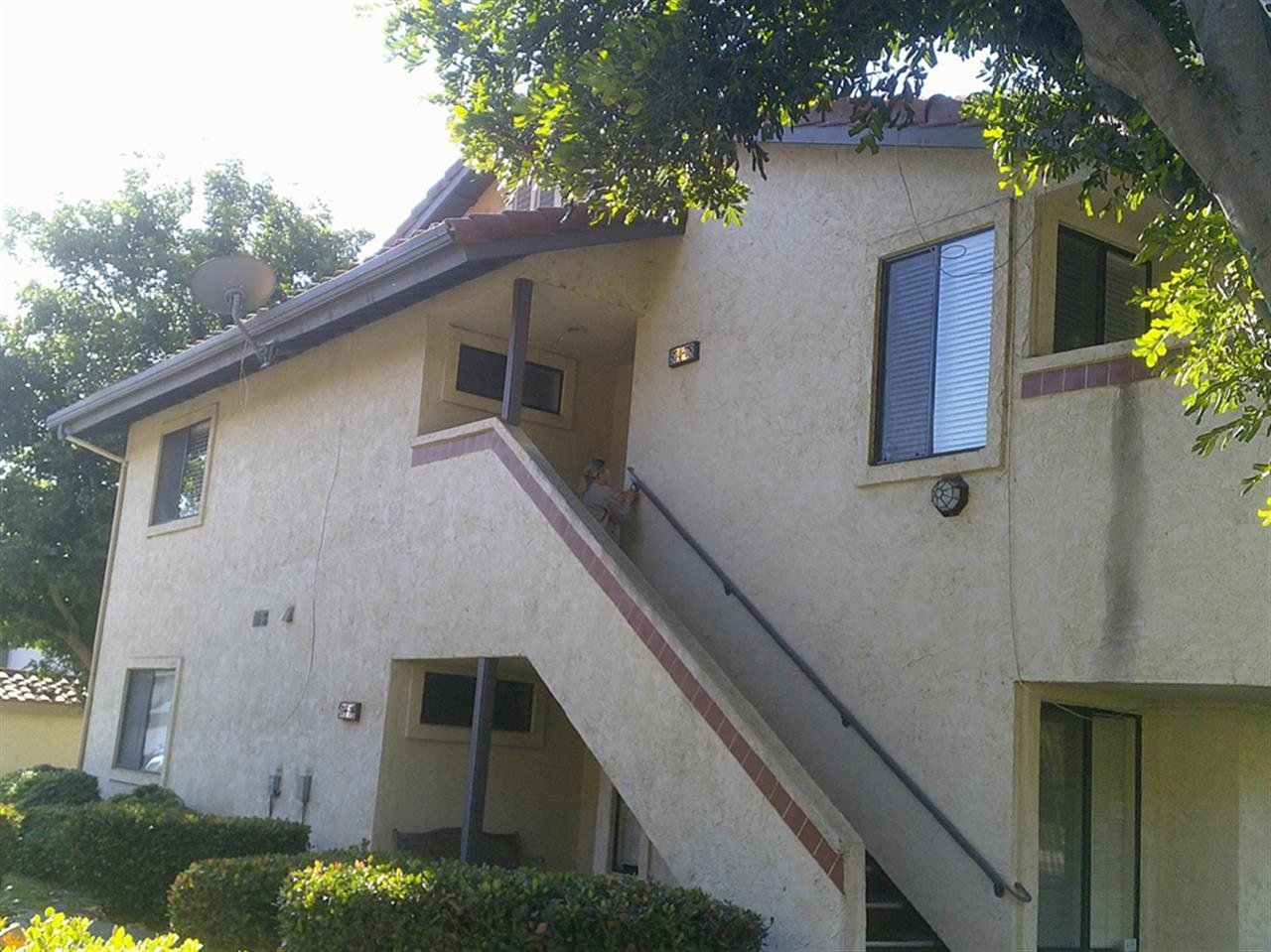
HOA properties we inspect
Condominium properties documented for SB 326 balcony compliance across San Diego County.
More inspections in Mira Mesa
- 4-point inspection in Mira Mesa
- Roof inspection in Mira Mesa
- Thermal imaging in Mira Mesa
- Foundation slab survey in Mira Mesa
- Home inspection in Mira Mesa
Nearby and countywide
Were You Happy With Your Inspection?
We are proud of our 4.9-star rating across 100+ Google reviews. If Joseph and the team did right by you, a quick Google review helps other San Diego County buyers and sellers find us.