
Sewer Scope Inspection in Mira Mesa, San Diego, CA
Mira Mesa grew up almost overnight. The mesa northeast of I-805 was raw chaparral into the late 1960s, then filled in tract by tract through the 1970s and into the 1980s — the dense subdivisions off Mira Mesa Boulevard, the cul-de-sac pods around Camino Ruiz and Westmore, the blocks climbing toward Scripps Ranch. The main sewer lateral — the one pipe carrying everything from the house to the city main — was almost always run once by the original tract builder and never touched since, and nothing you see walking the home tells you how it's holding up.
I'm Joseph Romeo. A sewer scope settles that buried question by pushing a waterproof, self-leveling video camera into the lateral through a cleanout, driving it toward the city main while the whole run records. You can stand at the monitor and watch it travel: the pipe material, every joint, the spots roots have worked in, and whether the line carries waste off cleanly or holds it in a sag.
Call (619) 752-4399 Schedule an Inspection
What does a Mira Mesa sewer scope reach and record?
A regular home inspection ends at the fixture. I can run the tubs and watch them clear, but a lazy drain won't separate a clog at the trap from fifty feet of root-bound pipe drooping under the parkway strip. Feeding a flexible, waterproof camera in through a cleanout or other reachable entry, I drive the full length of the Mira Mesa lateral toward the main and capture, on recorded video:
- Pipe material — vitrified clay, cast iron, Orangeburg (the tar-impregnated fiber pipe), or the ABS/PVC that became standard across Mira Mesa's 70s and 80s tracts. The material alone forecasts most of the line's remaining life.
- Root intrusion — the hair-fine feeders and full root wads that wedge in at the joints, the leading cause of backups now that the mesa's street and yard trees have had four decades to reach the pipe.
- Bellies and sags — settled low runs where waste stands instead of moving off, a result of how these mesa pads were graded and backfilled.
- Cracks, fractures, and offset joints — broken pipe wall and lengths shoved out of line where the ground has shifted, plus the scale that hollows older cast iron from the inside.
- Obstructions and undisclosed prior work — grease, intruding taps, and spot patches a past owner left off the disclosures.
What lands with you is observed condition, all on video. I don't dig, hydro-jet, or repair anything — that's a licensed plumber's trade — and I'll point you to one who can bid straight off the footage.
Why do Mira Mesa's tract era and mesa grading harm the line?
What's at play under a Mira Mesa lawn comes down to the decade the subdivision was framed, the graded mesa pad it rests on, and the dense lots that pack trees and pipe close together. These are the local reasons the camera pays off here:
- 70s and 80s tract pipe, now middle-aged. Mira Mesa is newer than the postwar inland towns, so many laterals are early ABS or PVC rather than clay or galvanized. That's not a free pass — a forty-year-old plastic line still develops bellies, separated joints, and bad transitions, and the oldest blocks near Mira Mesa Boulevard can still carry clay or cast iron. The camera names the material instead of leaving you to guess.
- Graded mesa pads that settle. These tracts were cut and filled across the mesa top fast, and where a trench was backfilled loose or a pad keeps settling, the pipe drops into a sag — the single most common reason a Mira Mesa line bellies.
- Four decades of root growth on tight lots. The street trees and yard plantings that went in with these subdivisions are now mature, and on Mira Mesa's compact lots their roots sit right over the laterals, chasing the only steady moisture in dry mesa soil: a weeping pipe seam.
- Slab-on-grade construction. Most Mira Mesa tract homes sit on a concrete slab, which puts the cleanout location and under-slab run front and center for how I reach the line — something I sort out before I'm in your driveway.
What does the camera keep turning up around Mira Mesa?
Across the mesa-top laterals I scope — from the older blocks near Mira Mesa Boulevard out through the Camino Ruiz and Westmore pods toward Scripps Ranch — the footage settles into a familiar handful of findings. Catching them before your contingency lifts lets you fold the number into the offer instead of meeting it after you get the keys:
- Bellies in settled fill — standing water mid-run where a graded pad or loose backfill dropped a section, the signature Mira Mesa find.
- Roots at the joints — from a few feeders still passing water to a packed wad blocking the line, the result of four decades of tree growth over tight-lot laterals.
- Sagging ABS — even the newer plastic tract pipe dips where the trench was backfilled loose.
- Cracked or offset clay — on the oldest blocks, fractured or shoved out of true by ground movement, often with channeled cast iron nearby.
None of it is automatically a deal-breaker. The report separates an older-but-flowing lateral you simply monitor from a failing run that needs a plumber now, so you and your agent can stand on recorded video when you ask for a repair or credit.
How does the scope run and what reaches your inbox?
It starts with a call to (619) 752-4399 or an email with the Mira Mesa address and a couple of notes — roughly when the home was built and whether you know of a cleanout. The scope usually runs alongside the full home inspection on the same appointment, so it's one trip up to the mesa and one combined report.
On site I locate a cleanout or other usable entry, feed the camera into the lateral, and drive it toward the city main while it records, calling out material, defects, and distances as the line passes. You're welcome to stand at the monitor with me — watching roots spill from a joint or the camera nose dip into a belly tells you more in a second than any written line. If the home has no reachable cleanout, not unusual on these older slab tracts, I'll lay out the entry options ahead of the visit.
Your deliverable is a HomeGauge report carrying the recorded video and still captures, the pipe material identified, and each problem spot named in plain language and placed along the run, with distance noted where I can estimate it so a plumber knows where to dig before quoting. In most cases it lands same day or next day. It's a video condition assessment — I don't jet, dig, or line pipe, and the report marks where a licensed plumber takes over.
Why do Mira Mesa buyers put me on the camera?
A scope is only worth what the person reading the screen can tell you — separating a few harmless feeder roots from a structural collapse is judgment, not just footage. I'm an InterNACHI Certified Professional Inspector (CPI), and I also hold a California CSLB General Contractor license (#1113143). That contractor's background lets me tell you whether a finding means a periodic root cut, a spot repair, or a full dig-and-replace to the street — so you walk into negotiation knowing which it is.
- 20+ years and 10,000+ inspections across San Diego County, including Mira Mesa's tract subdivisions off Mira Mesa Boulevard, the Camino Ruiz and Westmore neighborhoods, and the blocks toward Scripps Ranch.
- 4.9 stars across 106 Google reviews from buyers, sellers, and the agents who refer us.
- Independent and conflict-free — I document the line and don't dig, jet, or bid the repair, so nothing on the video is bent toward selling you work.
For the hydro-jetting, excavation, or pipe replacement the camera points to, I coordinate or refer the right licensed plumber. Reach me at joe@sandiegohomeinspection.com or the number above.
Which inspections pair with a Mira Mesa sewer scope?
The sewer scope answers one buried question. On a Mira Mesa slab tract home, a few companion inspections are worth folding into the same visit:
- Full home inspection: everything above the line — roof, electrical, plumbing, HVAC, and structure — usually run the same day; start at the Mira Mesa home inspection hub.
- Electrical panel review: these 70s-80s tracts often still carry their original service panels, worth flagging while we're already looking at aging systems.
- Thermal / infrared imaging: reads hidden moisture from a slab leak or a drain backing up under the floor, which matters on Mira Mesa's slab-on-grade construction.
- Foundation / slab review: a closer look when the same graded-pad settling that bellies the sewer line shows at the slab or the flatwork.
- Roof inspection: Mira Mesa's inland sun is hard on the original roofing common across these tracts.
Not sure what your address calls for? Send it over with the home's age, and I'll tell you what's worth doing — see all inspection services we offer or get a quote through contact.
Mira Mesa Sewer Scope Inspection FAQs
What does a sewer scope inspection in Mira Mesa cost?
My Mira Mesa home is from the 1970s or 80s — does it still need a scope?
Do you clear the roots or repair the line if you find a problem?
Why do Mira Mesa's bellies happen so often?
What if my Mira Mesa home has no accessible cleanout?
Can the sewer scope happen during the home inspection?
What the camera sees
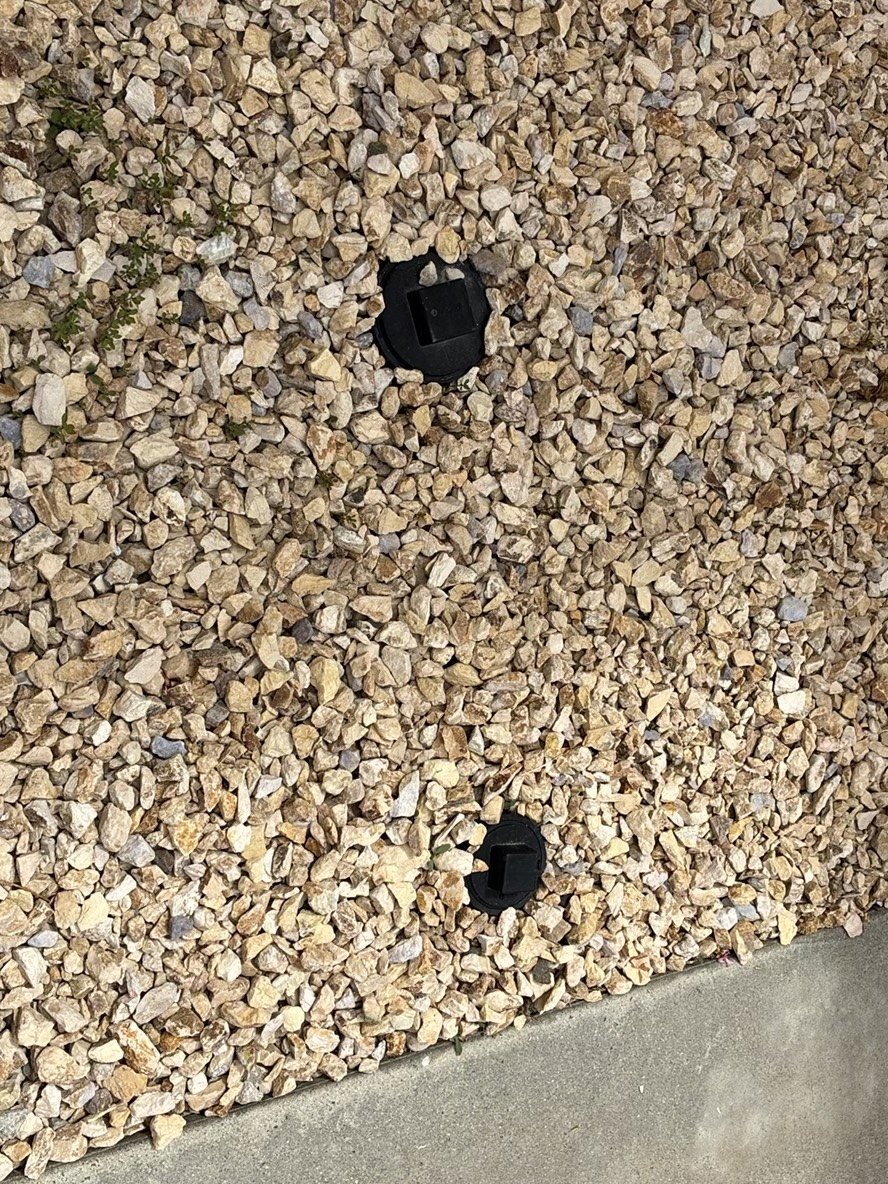
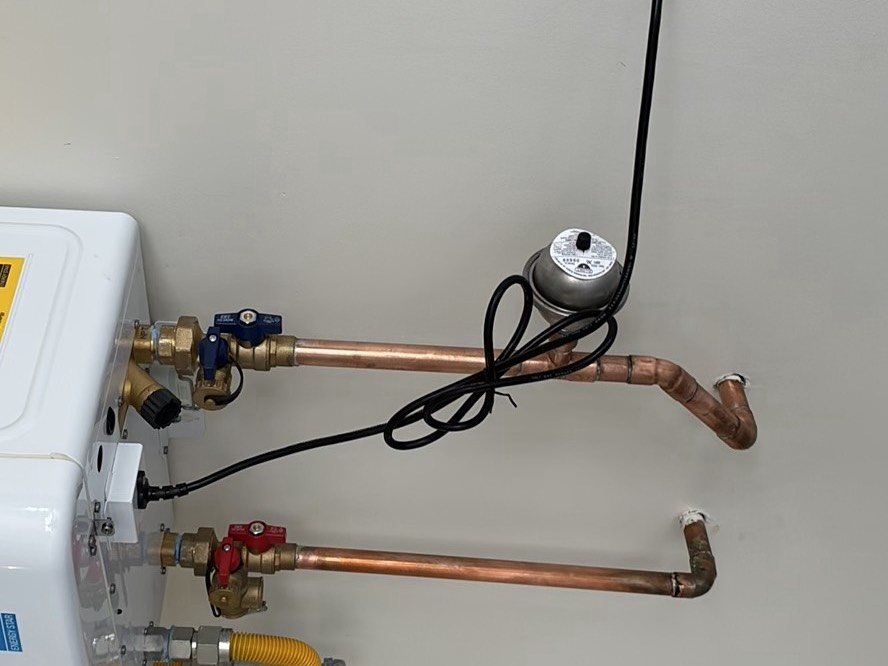
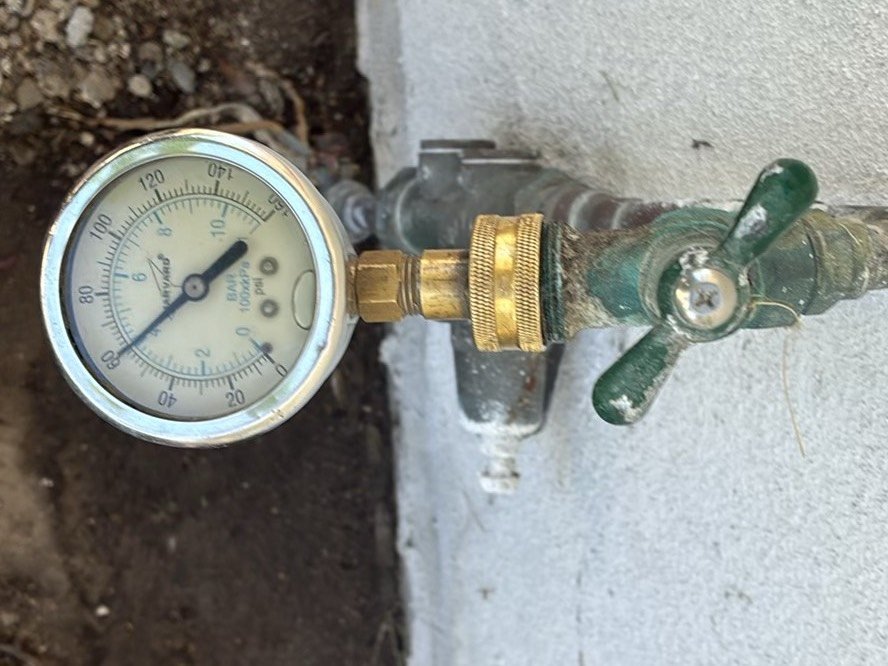
Sewer scope documentation from recent San Diego County inspections.
More inspections in Mira Mesa
- Foundation slab survey in Mira Mesa
- SB 721 balcony inspection in Mira Mesa
- SB 326 balcony inspection in Mira Mesa
- SB 721 exemption letter in Mira Mesa
- Home inspection in Mira Mesa
Nearby and countywide
Were You Happy With Your Inspection?
We are proud of our 4.9-star rating across 100+ Google reviews. If Joseph and the team did right by you, a quick Google review helps other San Diego County buyers and sellers find us.