
Thermal Imaging Inspection in Mira Mesa, CA
Mira Mesa went up in a hurry. The mesa filled with subdivisions through the 1970s and 80s, street after street of slab-on-grade tract homes packed tight, and that build era is exactly what makes an infrared camera pull its weight up here. The houses are now four and five decades into service on their original equipment: water heaters that have outlived their warranty twice over, electrical panels sized for a 1978 household, and copper plumbing cast straight into the slab. None of that wear announces itself. It shows up as temperature — a cool shadow where a supply line is weeping behind a wall, a warm patch where a tired water heater connection sweats, a hot terminal where an overworked breaker labors under a load nobody planned for in 1980.
I'm Joseph Romeo. On a Mira Mesa home I add the infrared sweep into the standard inspection so it's one trip, not two, and the camera points me at the spots that deserve a closer look. It's completely non-invasive — nothing opened, nothing drilled. And I keep its limits honest: the camera reads surface heat and flags anomalies for a second look. It is not an X-ray, and it never promises a home is free of hidden defects. Below I cover what the scan looks at, the Mira Mesa conditions that make it worth adding, what it keeps surfacing in these dense tracts, how the scan and report work, and where my role ends and a licensed specialist's begins.
Call (619) 752-4399 Schedule an Inspection
What does the infrared sweep examine on a Mira Mesa home?
The camera reads surface temperature and renders it as a heat map. Where a ceiling, wall, or component ought to read even, the outliers point me to where I stop and verify by hand. Run alongside the standard inspection on a Mira Mesa property, the sweep targets:
- Hidden moisture and active leaks — a damp area sheds heat as it evaporates and reads cooler than the dry material around it, so the camera catches intrusion behind drywall or under flooring before it surfaces as a stain
- Water-heater and supply-line trouble — the warm signature of a pressurized leak or a sweating connection at an aging tank, a frequent find where Mira Mesa's original water heaters and copper are decades past their service life
- Insulation that's thin, slumped, or never installed — these 70s-80s tracts predate any meaningful energy code, and the camera maps the cold bands across ceilings and exterior walls where conditioned air escapes
- Electrical heat at the panel — an overloaded breaker, a loose lug, or a fatigued splice runs hot under load, an easy contrast for the camera on a four-decade-old service
- HVAC delivery — registers that under-perform, ducts shedding air into the attic, and the converted garage or back room of a packed-in tract that never holds temperature
Two limits I keep in front of you: the camera reads the surface, not the inside of the wall cavity, and a glowing spot is a reason to look closer, not a finished verdict. When something flags, I confirm it with a moisture meter wherever I can reach and name the next step — I won't call a defect off a colorful frame alone.
Why does the scan pay off on Mira Mesa's 70s-80s tracts?
Mira Mesa's recipe — tightly spaced slab tract homes from the 70s and 80s, original mechanical equipment now well past its prime, and a mesa close enough to feel the marine push on gray mornings — produces exactly the buried trouble infrared was built to surface. The local reasons it earns its place here:
- Original water heaters and supply plumbing at the end of the line: a Mira Mesa home still on its first or second water heater and original copper is running equipment built for a single owner-cycle, not three. A weeping tank fitting or a pinhole in a copper run reads as a warm or cool signature the camera catches before the closet floor or the wall below it shows water.
- Slab leaks from expansive-soil stress: these tracts sit slab-on-grade, and the mesa's clay-bearing soils swell and shrink through the year, flexing the copper cast into the concrete. A resulting pinhole paints a warm ribbon across the floor — a thermal read you'll get well before a water bill spikes or a hairline crack appears.
- Aging panels under loads nobody planned for: a 1978 Mira Mesa panel was never sized for today's appliances, second AC units, and EV chargers crammed into a small tract footprint. Overworked breakers and tired connections heat up, and infrared finds the hot spot a visual-only pass walks right past.
- Marine-layer moisture working tired window seals: the mesa catches the coastal layer many mornings, and that damp air keeps a slow leak around aging aluminum sliders and single-pane glass from drying the way it would farther inland. Infrared surfaces that lingering moisture while it's still hidden.
What does the camera keep surfacing across Mira Mesa?
Scan enough of these mesa tracts and the same short list of findings keeps returning. Knowing the patterns helps you separate a routine note from one worth chasing before your contingency closes:
- Warm ribbons crossing a slab floor — the heat trail of a pressurized copper line leaking under the concrete, common where expansive soil has worked an older Mira Mesa tract's plumbing
- Warm or damp signatures at the water-heater closet — a sweating fitting or a slow leak at an aging tank, a recurring find on homes still running original equipment
- Cool blooms at windows and sliders — damp patches where marine-layer moisture slipped past tired seals on aging single-pane glass and 70s-80s aluminum frames
- Cold bands across ceilings and exterior walls — the thermal voids behind a hot back bedroom and a cooling bill that climbs in an under-insulated tract ceiling
- Hot breakers and loose lugs at the panel — warm terminals on a four-decade-old service flagging an overloaded circuit or a connection worn by years of use
None of these is an automatic deal-killer. The value is catching them while they're small: the report separates a minor insulation gap you'd simply monitor from an active under-slab leak or a hot connection that changes your math, so you negotiate on what's actually there.
How does the sweep run and what report do you receive?
It starts with a call to (619) 752-4399 or an email with the Mira Mesa address and a note that you want infrared added — folded into a full inspection or run as a focused add-on. The scan does its sharpest work next to the standard inspection, because the camera tells me where to look and the hands-on checks confirm what it saw.
On site I pan the camera across ceilings, walls, and floors, the water-heater closet and kitchen and bath plumbing walls, the panel under load, the reachable HVAC, and the perimeter of every window and slider — with extra attention to the slab and the original mechanical runs. A meaningful read needs a temperature difference between inside and out, so on a gray marine-layer morning I account for that rather than over-read a damp wall, and I keep utilities on so the systems are working when the camera looks. Anything that lights up, I confirm with a moisture meter wherever it's reachable before it goes in writing.
Findings land in your HomeGauge report with the thermal images paired to standard photos, each anomaly described plainly, the confirming meter reading where I took one, and a recommendation for further evaluation where it's warranted. It turns around same day or the next day in most cases. I report what the camera and meter observed — I don't open walls, run leak pressure-tests, or repair what turns up.
Why do Mira Mesa buyers trust the read?
An infrared image is quick to capture and easy to misread — a wet wall, morning marine damp on a north exterior, and a warm chase doing its job can all look alike to someone who only bought the camera. The worth is in the judgment behind it. I'm an InterNACHI Certified Professional Inspector (CPI), and I hold a California CSLB General Contractor license (#1113143). That building background lets me weigh a thermal anomaly against how a Mira Mesa tract home was actually framed and plumbed — whether a warm patch is a failing breaker or just west-facing sun on stucco, whether a cool stripe on a plumbing wall is a leaking copper line or simply a cold pipe behaving normally.
- 20+ years and 10,000+ inspections across San Diego County, including Mira Mesa's dense 70s-80s slab tracts and their remodels
- 4.9 stars across 106 Google reviews from buyers, sellers, and the agents who send us back
- Independent and conflict-free — I report what the camera shows; I don't sell repairs, repipes, or electrical work, so no flag gets steered toward a job I'd profit from
When an anomaly needs more than a camera — a confirmed slab leak, a failing panel, a mold or pest concern — I coordinate or refer the right licensed specialist and hand over the imagery so they start from evidence. Reach me at joe@sandiegohomeinspection.com or the number above.
Which inspections pair with a Mira Mesa thermal scan?
Infrared sharpens an inspection; it doesn't replace one. On a Mira Mesa home, these companion services pair naturally with the scan and book on a single trip:
- Full home inspection: the complete buyer's-grade evaluation — roof, structure, electrical, plumbing, HVAC — that the thermal scan rides along with; start at the Mira Mesa home inspection hub
- Sewer scope: worth running on Mira Mesa's 70s-80s homes, where the original lateral and decades of root intrusion fail out of sight under the same soil movement that stresses the supply plumbing
- Roof inspection: when the scan flags a cool ceiling shape, a roof read tracks the intrusion back to its source above
- 4-point inspection: the focused roof, electrical, plumbing, and HVAC report insurers ask for on older homes — the panel hot spots infrared finds feed straight into it
- Plumbing and slab-leak referral: a natural pairing where the warm slab ribbons and damp water-heater signatures the camera reads point to aging copper worth a specialist's confirmation
Not sure what your address needs? Send it over and I'll tell you whether thermal imaging is worth adding — see all inspection services we offer or get a quote through contact.
Mira Mesa Thermal Imaging Inspection FAQs
What does adding thermal imaging cost in Mira Mesa?
Can the camera catch a leak at my home's aging water heater?
Does thermal imaging see inside the walls of my Mira Mesa tract home?
Is infrared useful on a slab-on-grade Mira Mesa home?
Will the scan check the panel in my older Mira Mesa home?
Is the infrared scan a separate appointment?
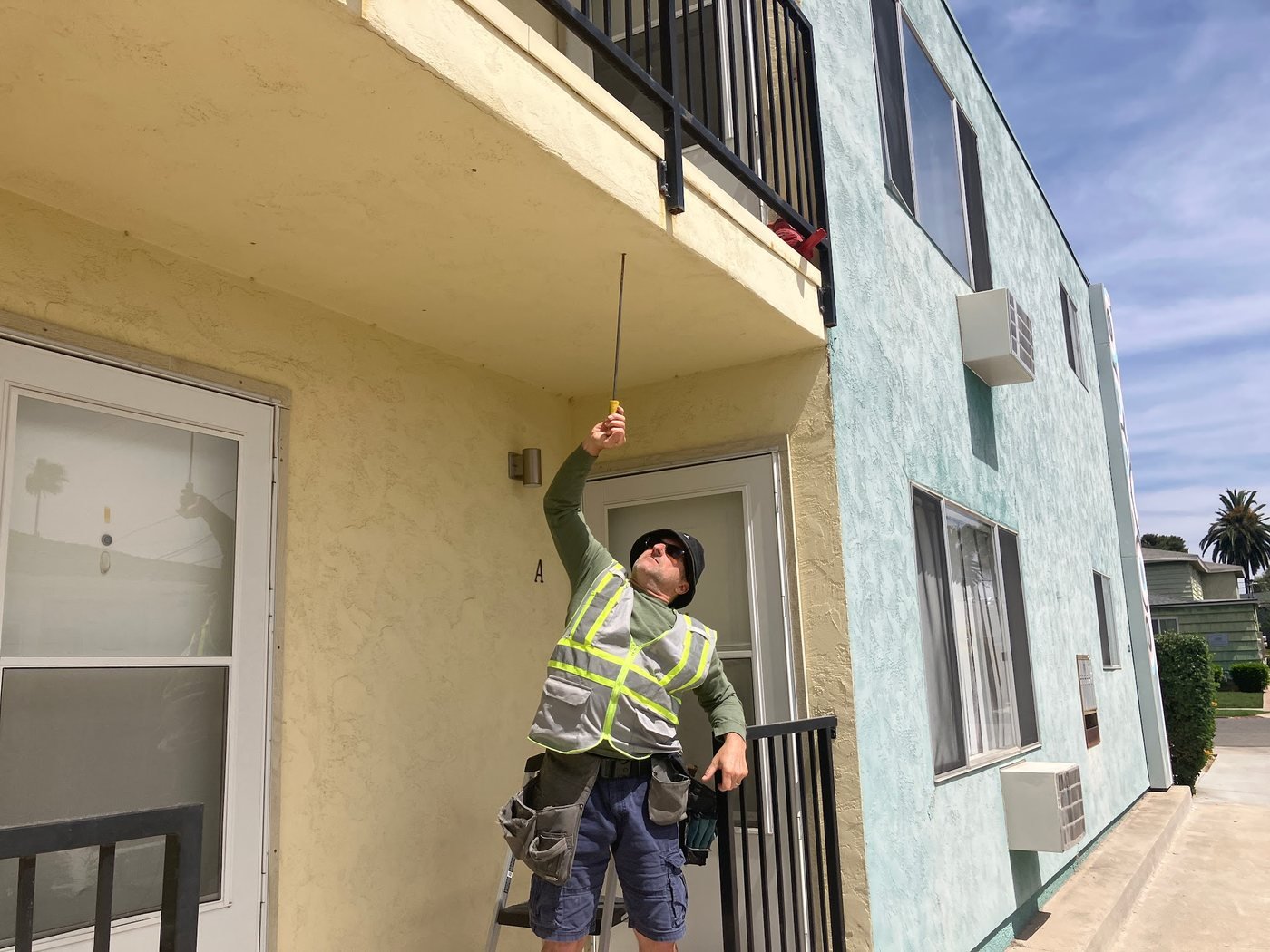
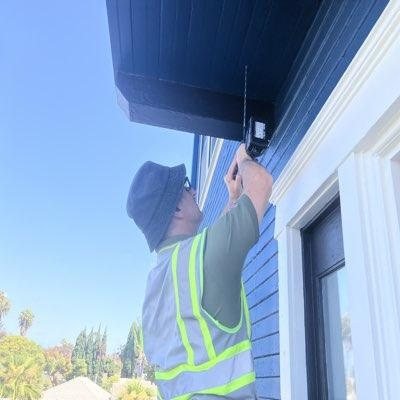
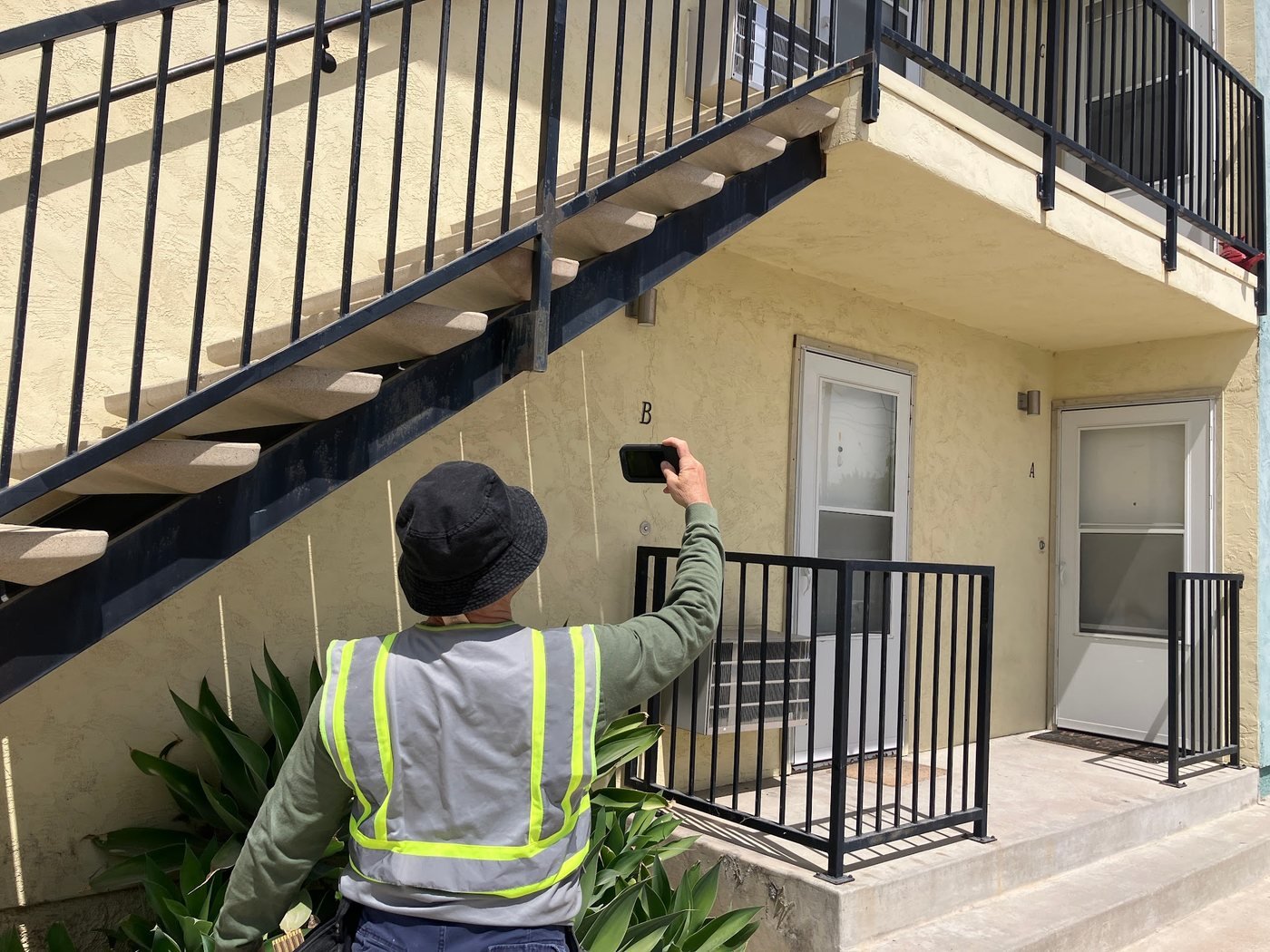
Thermal scanning in action
Our inspectors use FLIR thermal cameras to find moisture and heat issues hidden in walls and soffits.
More inspections in Mira Mesa
- Warranty inspection in Mira Mesa
- Commercial roof cleaning in Mira Mesa
- Commercial inspection in Mira Mesa
- Pool and spa inspection in Mira Mesa
- Home inspection in Mira Mesa
Nearby and countywide
Were You Happy With Your Inspection?
We are proud of our 4.9-star rating across 100+ Google reviews. If Joseph and the team did right by you, a quick Google review helps other San Diego County buyers and sellers find us.