
Pool & Spa Inspection in Mira Mesa, San Diego, CA
The pools tucked behind Mira Mesa's tract homes are nearly all the same age as the houses: dug between the early 1970s and the late 1980s, on tight production lots where the equipment pad shares a side yard with the gas meter and the AC condenser. Walk the streets off Camino Ruiz, New Salem, or Westmore and you'll see gunite shells re-coated a couple owners deep, plaster baked rough by inland summers that run hotter and longer than anything the coast sees, and pump pads that have been swapped piecemeal since the Carter administration. A pool is usually the single most expensive thing in a Mira Mesa backyard, and on a four-decade-old slab tract it almost never gets looked at as carefully as it should.
I'm Joseph Romeo, and I do the pool and spa work myself, either rolled into the full home inspection or booked on its own. This is a visual read of the basin, the deck, the equipment, the electrical safety, and the barriers that keep a toddler out of the water — not a chemistry workup and not a pressurized leak test. To see the pool against everything else on the property, the Mira Mesa home inspection hub ties the whole house together. This page is about the pool: the scope, the Mira Mesa-specific items I lean on, and what keeps turning up out here.
Call (619) 752-4399 Schedule an Inspection
What does a Mira Mesa pool & spa inspection cover?
I treat the pool as three connected systems — the vessel that holds the water, the machinery that moves and heats it, and the safety ring around the perimeter — and I write up the visible, reachable condition of each one on your Mira Mesa lot:
- Shell and interior finish — the gunite basin read for structural cracking, with the plaster, pebble, or quartz lining checked for delamination, hollow areas, etching, and the rough, sun-cooked wear that's the norm on a tract pool decades past its last re-coat
- Deck, coping, and waterline tile — the concrete deck, the coping cap, and the tile band, watching for the cracking, lifting, and joint separation that the clay pad under Mira Mesa drives
- Circulation plumbing I can see — skimmers, returns, valves, and the exposed runs at the pad, evaluated as found rather than under pressure, with extra attention where original house metal ties into the pool lines
- Pump, filter, and heater — cycled through a normal run wherever the controls allow, weighed on age and visible wear, and sorted for the patched-together mix you expect on a backyard pushing forty-plus years
- Electrical bonding and GFCI — the equipotential bond grid plus ground-fault protection on the pump and lighting, the most safety-critical thing I sign off on
- Barriers, fencing, and gates — enclosure height, self-closing and self-latching gates, and slider alarms, all measured against California's drowning-prevention rules
- Anti-entrapment (VGB) drain covers — sound, code-current main-drain covers that stop the suction entrapment the federal Virginia Graeme Baker Act was written to prevent
Everything is reported on what's visible and accessible. Pressurized leak detection and balancing the water both fall to a pool specialist; when your Mira Mesa pool points that way, I say so plainly and refer the right licensed pro rather than guess at something I can't see.
How do Mira Mesa's heat, clay, and density affect a pool?
Mira Mesa sits well inland, on clay-heavy pads, packed onto small lots — and that combination earns a handful of pool items extra time on the walk:
- Inland heat on tired plaster. Summers here run hotter and longer than the coast, which ages plaster and pebble fast and cooks the equipment pad. On these 70s and 80s pools I look hard at finish wear, surface crazing, and heaters and pumps that have fought triple-digit afternoons for years.
- Expansive clay under the deck and shell. The same clay that cracks the slab inside the house works on the pool outside it. I trace deck heaving, separated coping, settled walkways, and bond-beam cracking to tell seasonal soil movement apart from a real structural problem.
- Original galvanized and cast-iron near the pad. The older end of the tract still carries galvanized supply and cast-iron drains, and on many lots that aging metal runs toward the yard. Where it feeds the pool fill or joins the gear, I'm watching for internal rust, scale, and seeping joints.
- Tight lots and crowded equipment. On Mira Mesa's dense parcels the pad often sits inches from the gas meter, the condenser, and the fence. I check clearances, gas-heater venting, and whether a prior install or repair crowded the equipment past what's safe.
- Canyon-edge parcels toward Los Penasquitos. Lots backing the open space get a look at combustible debris around the pad, exposed lines, and ember-vulnerable equipment where the wildland interface presses in.
- Retrofit spas and salt cells. Where a spa or a salt-chlorine system was added later, I look at how it was bonded and plumbed into the existing pool, and at the corrosion a salt cell drives on heater parts and fasteners.
Which findings keep repeating on Mira Mesa pools?
Inspect enough backyards across this tract and the write-ups settle into a familiar shape. None of these is automatically a deal-killer — they're items to understand and price before your contingency lapses:
- Worn-out interior finish — plaster etched, hollow, and stained, or pebble showing its aggregate, on a surface well past its re-coat window under the inland sun
- Broken or unfinished bonding — the equipotential grid interrupted, corroded, or never reconnected after an equipment swap, a real shock hazard
- No GFCI on the pump and pool-light circuits, routine on installs from this tract era
- Outdated or cracked drain covers — flat or expired main-drain covers that no longer meet the VGB anti-entrapment standard, among the most dangerous items still common here
- Clay-driven deck and coping movement — heaved decking, lifted coping, failed mastic joints, and trip hazards from soil swelling and shrinking
- Corrosion where old house metal meets the pool — rust, scale, and weeping at the tie-ins to original galvanized or cast-iron lines
- End-of-life equipment — heaters scaled or rusted, pumps short-cycling, filters bypassing, usually with no service history handed over by the seller
- Non-compliant barriers — fences below height, gates that won't latch on their own, and a missing alarm on the slider out to the pool
The report ranks the safety-critical items and the big-ticket repairs above ordinary upkeep, so your numbers reflect what actually moves the cost.
How does the visit run and what report do you receive?
Book it by calling (619) 752-4399 or emailing the address with a note about what's in the yard — an in-ground gunite pool, an attached spa, or an above-ground setup. I need the equipment energized and the pad reachable for a full read, so if there's a gate code, a padlocked equipment closet, or a safety cover over the water, tell me before the appointment instead of letting me find it on the day.
On site I bring the pump, filter, and heater up through a normal cycle wherever the controls cooperate, work every gate and run of fencing, and move through the shell, deck, and pad in order. Come along if your schedule allows. A buyer standing beside me when I show a fill line bleeding rust into the gear, or a gate that won't self-latch, walks away understanding the property in a way a PDF can't deliver — and that's where we sort the fix-now safety items from the upkeep you can budget later.
You get a photo-documented HomeGauge report in plain language, with the safety-critical findings — bonding, GFCI, fencing, and drain covers — pulled into their own summary apart from routine wear. It's usually in your inbox same day or next day, ready to turn into repair requests or to forward to a pool contractor for the equipment line items. Remember this is a condition report built on what's visible: hidden-leak pressure testing and chemistry balancing aren't part of it, and I put it in writing when a pool specialist needs to step in.
Why do Mira Mesa buyers and agents have me read the pool?
A pool report is only worth what the inspector understands about how the thing was built, plumbed, and wired. I carry two credentials that speak to exactly that: InterNACHI Certified Professional Inspector (CPI) and a California CSLB General Contractor license, #1113143. Because I've built and corrected these systems myself, I can stand at your pad in Mira Mesa and tell you straight whether a finding is a Saturday-afternoon repair or a tear-out-and-re-equip job with a four-figure invoice behind it.
- 20-plus years and 10,000-plus inspections across San Diego County, plenty of them on the 70s-80s tract pools that fill neighborhoods like this one
- 4.9 stars across 106 Google reviews from the buyers, sellers, and agents I've worked for
- No conflict of interest — my job ends at reporting condition; since I never bid or run the repairs, nothing in the write-up is steering you toward paid work
Agents hand me their repeat clients because the reports are thorough without manufacturing alarm, and buyers get a straight answer on the priciest thing in the backyard. When a job genuinely calls for pressurized leak detection, shell engineering, or another pool specialty, I point you to the right licensed pro instead of overreaching. Reach me at joe@sandiegohomeinspection.com or the number above.
Which Mira Mesa inspections pair well with a pool check?
Hardly anyone looks at the pool in isolation. It usually rides along with a fuller look at the house, and I can fit these into one trip:
- Full home inspection — the complete walkthrough the pool complements, covering roof, electrical, plumbing, HVAC, and structure, most often in the same appointment; start at the Mira Mesa hub
- Sewer scope — the smartest single add-on here, where a camera down the lateral finds the root intrusion and cracked cast-iron that the tract's mature trees and original lines invite
- Foundation and slab survey — elevation readings on the same expansive clay that drives the deck and coping cracking around the pool
- Roof inspection — the relentless inland sun that wears a pool finish is just as hard on Mira Mesa's composition roofs
- Thermal / infrared imaging — surfaces hidden moisture in decking and equipment-room walls plus overheating connections feeding the pool and any attached spa
- Pool leak detection and chemistry — the pressurized testing and water balancing outside my scope, arranged through a licensed pool specialist whenever the findings call for it
Not sure which of these your address warrants? Send it over and I'll tell you what genuinely applies before your contingency runs down — or look over the full menu of inspections we provide.
Mira Mesa Pool & Spa Inspection FAQs
What does a Mira Mesa pool and spa inspection cost?
Does Mira Mesa's old galvanized plumbing affect the pool?
Will you pressure-test the lines or balance the chemistry?
Why so much attention to the drain covers?
Does the clay soil under Mira Mesa hurt a pool?
Should the pool equipment be running when you inspect?
Pools and equipment
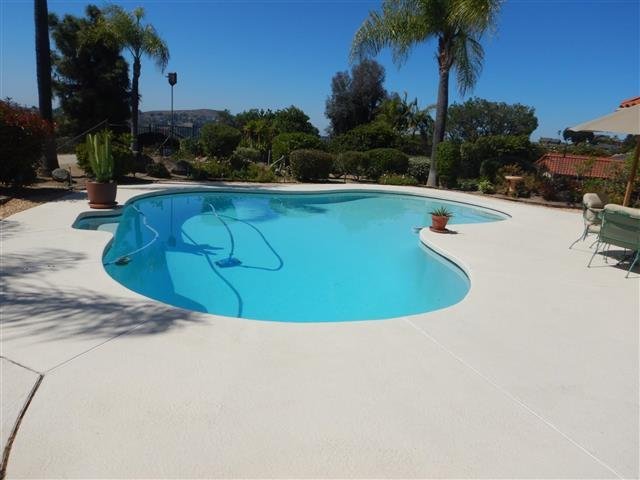
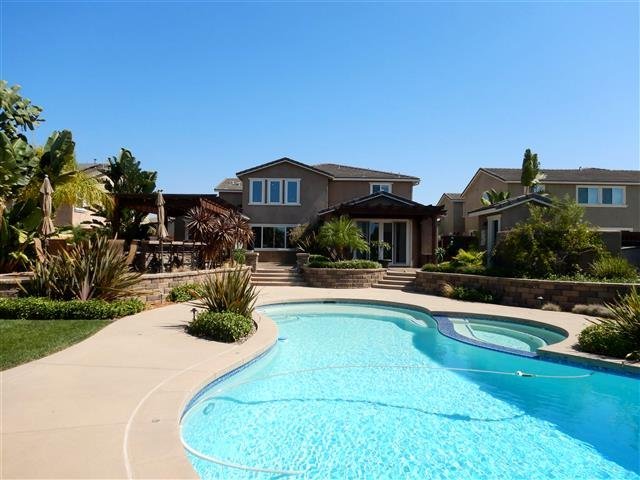
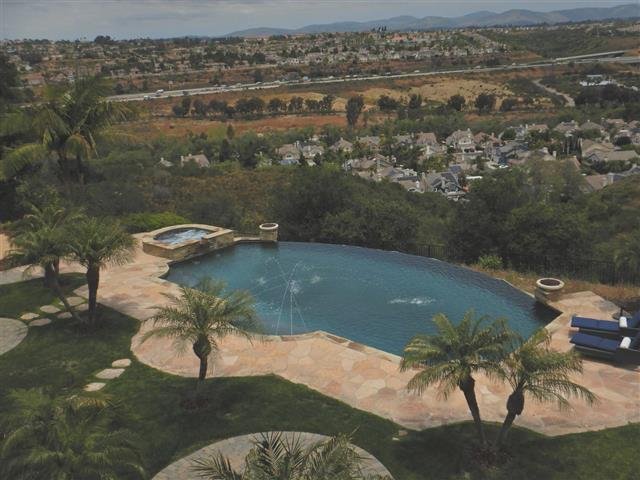
Pools, spas and equipment photographed during recent inspections.
More inspections in Mira Mesa
- SB 326 balcony inspection in Mira Mesa
- SB 721 exemption letter in Mira Mesa
- Seller inspection in Mira Mesa
- Warranty inspection in Mira Mesa
- Home inspection in Mira Mesa
Nearby and countywide
Were You Happy With Your Inspection?
We are proud of our 4.9-star rating across 100+ Google reviews. If Joseph and the team did right by you, a quick Google review helps other San Diego County buyers and sellers find us.