
SB-721 Exemption Letter in Mira Mesa, CA
California's balcony law trips up a fair number of Mira Mesa landlords who own buildings the statute was never aimed at. SB-721 has a tight target: exterior, weight-bearing walking surfaces built on wood framing that sit higher than six feet off the ground, on buildings of three or more units. Plenty of the apartment product that filled in Mira Mesa during its 1970s and '80s tract boom — planned around Mira Mesa Boulevard and Camino Ruiz as inland San Diego built out fast — simply doesn't carry those surfaces, or it sits under SB-326 as condominium property. When that's your building, the right answer isn't a balcony inspection. It's a letter that records, for your file and the City of San Diego counter, why the law passes the property by.
I'm Joseph Romeo. A Mira Mesa SB-721 applicability assessment ends in an exemption letter I prepare myself — a dated, photographed write-up of why your building holds nothing the statute governs, or why a different code owns it. If the qualifying elements are there, you'll hear it, and I'll route you to the inspection you owe. The wider picture lives on the Mira Mesa inspection hub.
Call (619) 752-4399 Schedule an Inspection
What does the Mira Mesa exemption letter settle?
This is an applicability determination — whether SB-721 reaches your Mira Mesa building at all — not a condition write-up. The law governs exterior load-bearing walking surfaces raised more than six feet off grade and framed in wood. To answer that in a way a plan checker accepts, I work the exterior and pin down each of these:
- Surface tally. A full perimeter pass listing every balcony, deck, exterior stair, landing, and walkway, marking which break the six-foot line and which sit lower.
- Framing type. Whether each raised surface is wood — the assembly the statute names — or poured concrete, block, or steel that SB-721 leaves untouched.
- Height off grade. The at-grade patios, shallow stoops, and ground-floor entries common to these flat tracts that never reach the trigger.
- Building classification. Rental apartment under SB-721 versus condominium or common-interest development that answers to SB-326.
- Unit floor. Confirming the three-or-more dwelling units the law requires before it engages.
The finished letter spells out the grounds for exemption in plain words, with exterior photos behind every point. It reads applicability; it isn't a release. I record the facts; the jurisdiction decides what it asks of you.
Why do Mira Mesa's slab-era tracts often fall outside the law?
Mira Mesa grew up fast as an inland bedroom community, master-planned across the 1970s and '80s on flat mesa-top ground, and that origin is why applicability is worth checking here. The construction habits of that boom cut both ways on the SB-721 line:
- Low-rise, slab-on-grade apartment courts. Much of the rental product off Mira Mesa Boulevard and Black Mountain Road is one- and two-story walk-ups on concrete slabs, where entries, patios, and ground landings meet grade and never clear six feet.
- Concrete and block stairwork. Many two-story complexes of that era were detailed with poured or masonry-block stair runs rather than wood — non-combustible assemblies the statute doesn't regulate even when raised.
- Dense site planning. Mira Mesa was laid out tight, and many courts route tenants along at-grade breezeways and concrete walks rather than up stacked wood balconies.
- Condo conversions belong to SB-326. A real slice of the area's attached housing is condominium under an HOA, which steers those buildings to SB-326 and clear of SB-721's landlord scope.
- Aging panels and original water heaters mark the age. The original panels and first-generation water heaters still in many of these units show how old this stock is — and where wood balconies do exist, that same age is why a lender or carrier wants the question settled on paper.
What keeps showing up on Mira Mesa exemption walks?
Assess enough of these tract-era buildings and the outcomes start to repeat. Each gets photographed and reasoned through so the letter stands on its own:
- A clean exemption. A flat slab-on-grade court where every surface meets the ground and every stair is poured concrete, with nothing SB-721 reaches on the parcel.
- Concrete stairs that look in-scope but aren't. The block and poured stair runs typical of Mira Mesa's two-story walk-ups, which read as raised but aren't the wood-framed assemblies the law defines.
- The wrong statute entirely. A converted condominium under SB-326, where I document the distinction rather than write an SB-721 letter that wouldn't hold.
- A height too close to call by eye. A rear landing right around six feet where a Mira Mesa lot steps toward a canyon — I measure it, because that number decides the whole thing.
- Split coverage. Out-of-scope concrete main stairs sitting next to one or two aging upper-unit wood balconies that do qualify — a partial scope, not a blanket exemption, and I write exactly that.
I keep what's honestly out of scope apart from what an owner hopes is out of scope, and I photograph the basis for every call.
How does the assessment run and what lands in your file?
It opens with a call to (619) 752-4399 or an email carrying the address, the unit count, and whether the building is a rental or a condo. From that and a look at the structure, I can usually tell you before the drive out to Mira Mesa whether you're looking at an exemption letter or a full SB-721 inspection — so you're not paying for a trip that points the wrong way.
On site I work the entire exterior: cataloging every balcony, exterior stair, landing, and walkway, tagging each as wood-framed or non-combustible, and measuring anything near six feet rather than estimating it. That measuring earns its keep in Mira Mesa, where a court built flat across its slab can still have a rear landing that clears six feet where the mesa grade falls toward a canyon. I confirm the door count and whether the property is an apartment or a common-interest development, since that one fact usually decides which law owns it.
You receive a signed exemption letter with supporting photos, prepared through my HomeGauge reporting and written so a City of San Diego code officer, lender, or insurer can follow the basis without me on the phone — unit count, the walking-surface inventory, construction type, and SB-326 status. In most cases it's same day or next day. I assess and document, and I waive nothing. If the building trips SB-721 after all, you get a straight answer and the path to the inspection you actually need.
Why do Mira Mesa owners have me make the call?
An exemption letter is a finding someone with money on the line will lean on, and a bad call hurts both ways — claiming an exemption a building doesn't have is real liability, and paying for an inspection you never owed is money gone. I'm an InterNACHI Certified Professional Inspector (CPI), and I hold a California CSLB General Contractor license (#1113143). That builder's background is the point here: I've framed the decks, stairs, and landings the statute describes, so I can read wood against poured concrete or steel on sight and tell where the six-foot line falls on a mesa lot that steps toward a canyon.
- 20+ years and 10,000+ inspections across San Diego County, including Mira Mesa's 1970s-80s slab tracts and converted condominium parcels.
- 4.9 stars across 106 Google reviews from owners, managers, and agents.
- Independent and conflict-free — I don't bid balcony repairs or sell inspections you don't need.
If qualifying elements are present, I steer you to the right next step rather than hand you a letter a plan checker will toss. Reach me at joe@sandiegohomeinspection.com or the number above.
Which inspections pair with a Mira Mesa exemption letter?
An exemption letter closes the SB-721 applicability question and nothing else. Depending on the building and why the notice landed, a companion service often pairs with the same Mira Mesa visit:
- SB-721 balcony inspection — the full elevated-element evaluation for Mira Mesa buildings that do carry qualifying wood balconies, stairs, or walkways.
- SB-326 balcony inspection — the parallel mandate for condominium and HOA parcels.
- Multi-unit / apartment inspection — a buyer's-grade read on an older court's roofs, systems, and those aging panels and original water heaters.
- Sewer scope — a camera run down the laterals on Mira Mesa's tract-era lots, where original drain lines may be near the end of their life; routed through a licensed contractor.
- Roof inspection — a closer look at coverings worn by inland Mira Mesa's long, dry summers.
Not sure which apply? Send the address and unit count and I'll tell you what's worth doing first, or browse all inspection services we offer.
Mira Mesa SB-721 Exemption Letter FAQs
How do I tell if my Mira Mesa building qualifies for an SB-721 exemption?
My Mira Mesa rental is a flat slab-on-grade court. Is it exempt?
My Mira Mesa property was converted to condos. Do I need SB-721 at all?
Does Mira Mesa's older tract stock change the assessment?
What if you find my Mira Mesa building isn't actually exempt?
What does an SB-721 exemption assessment in Mira Mesa cost?
Properties we evaluate
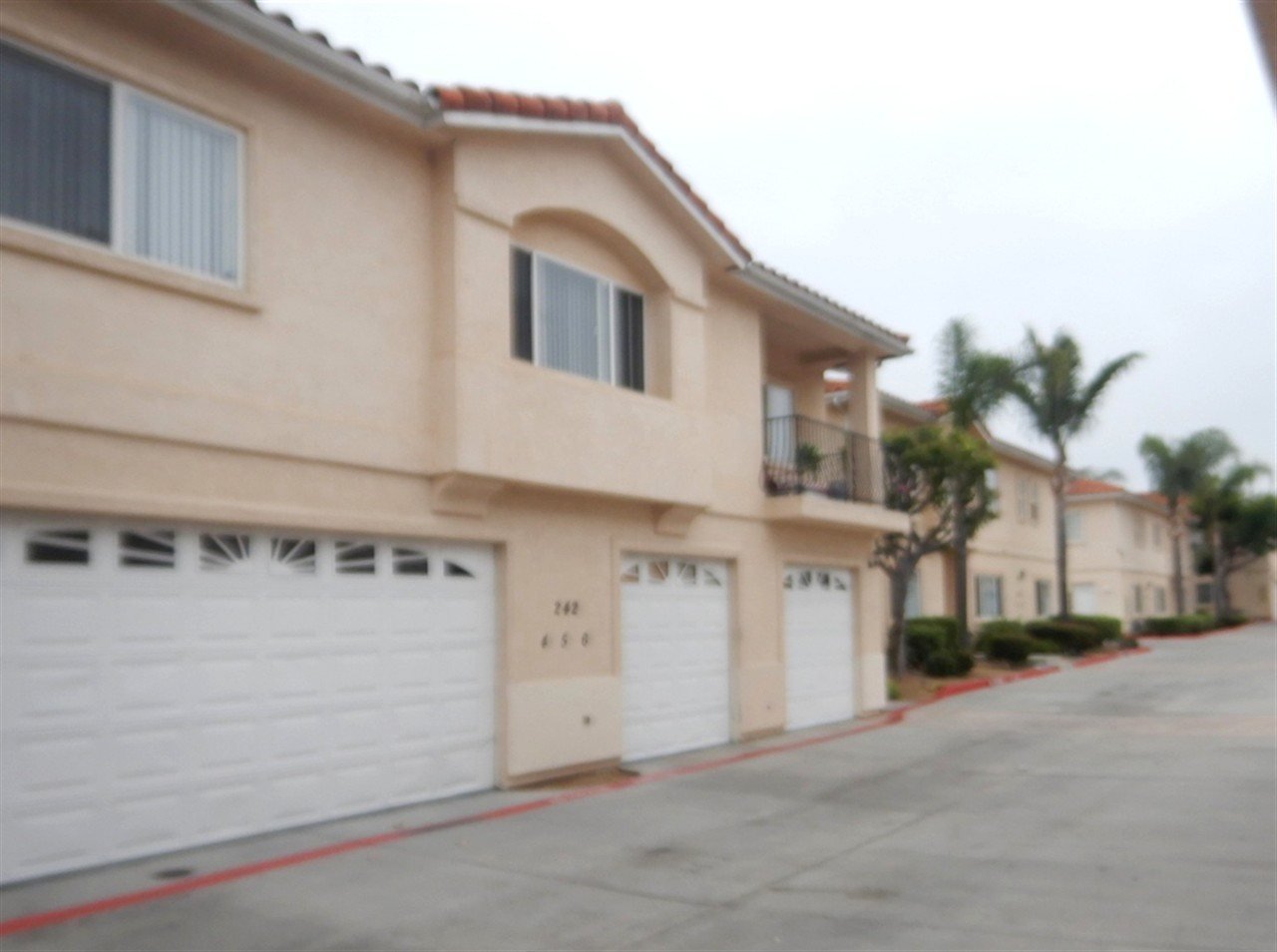
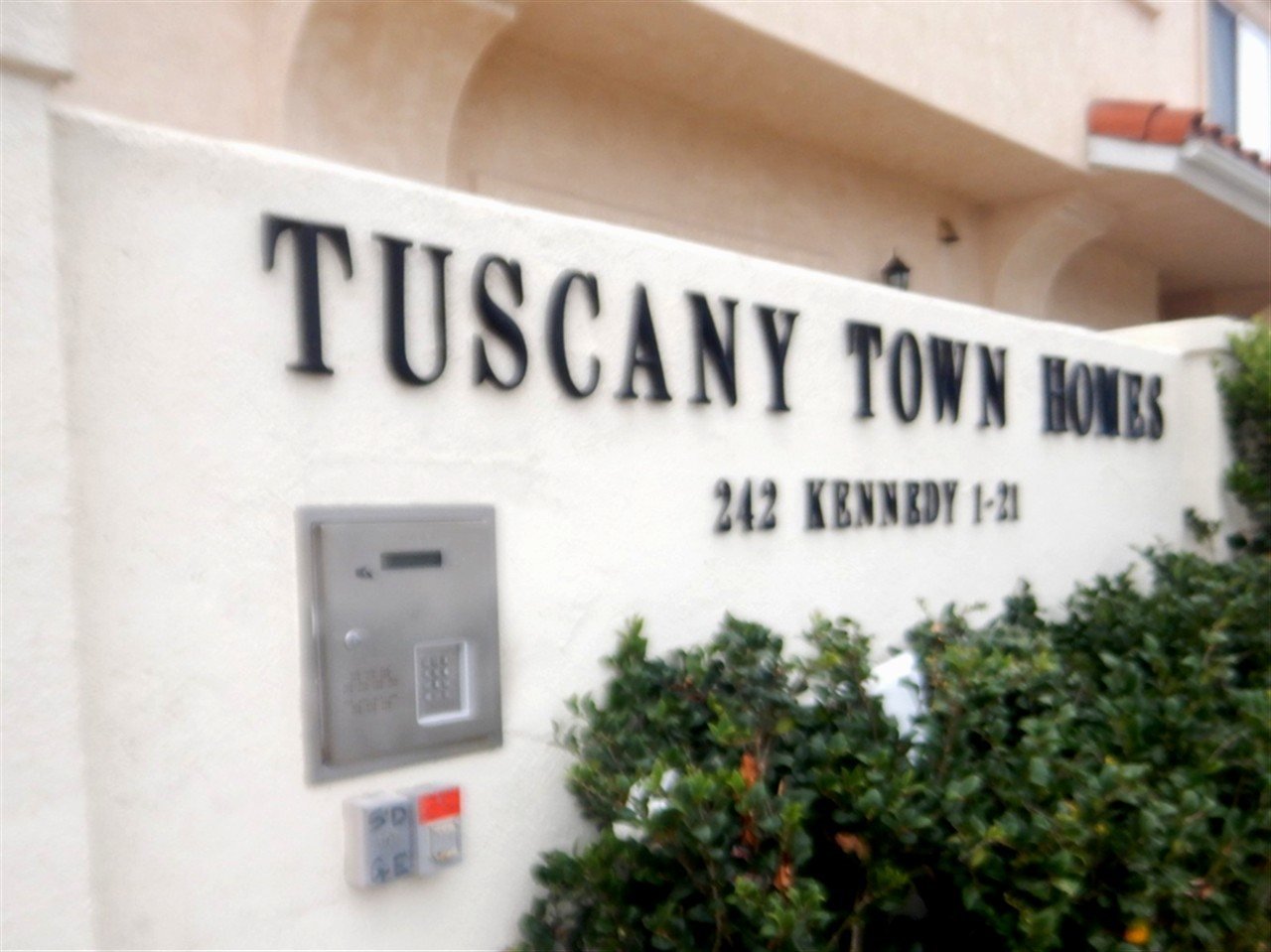
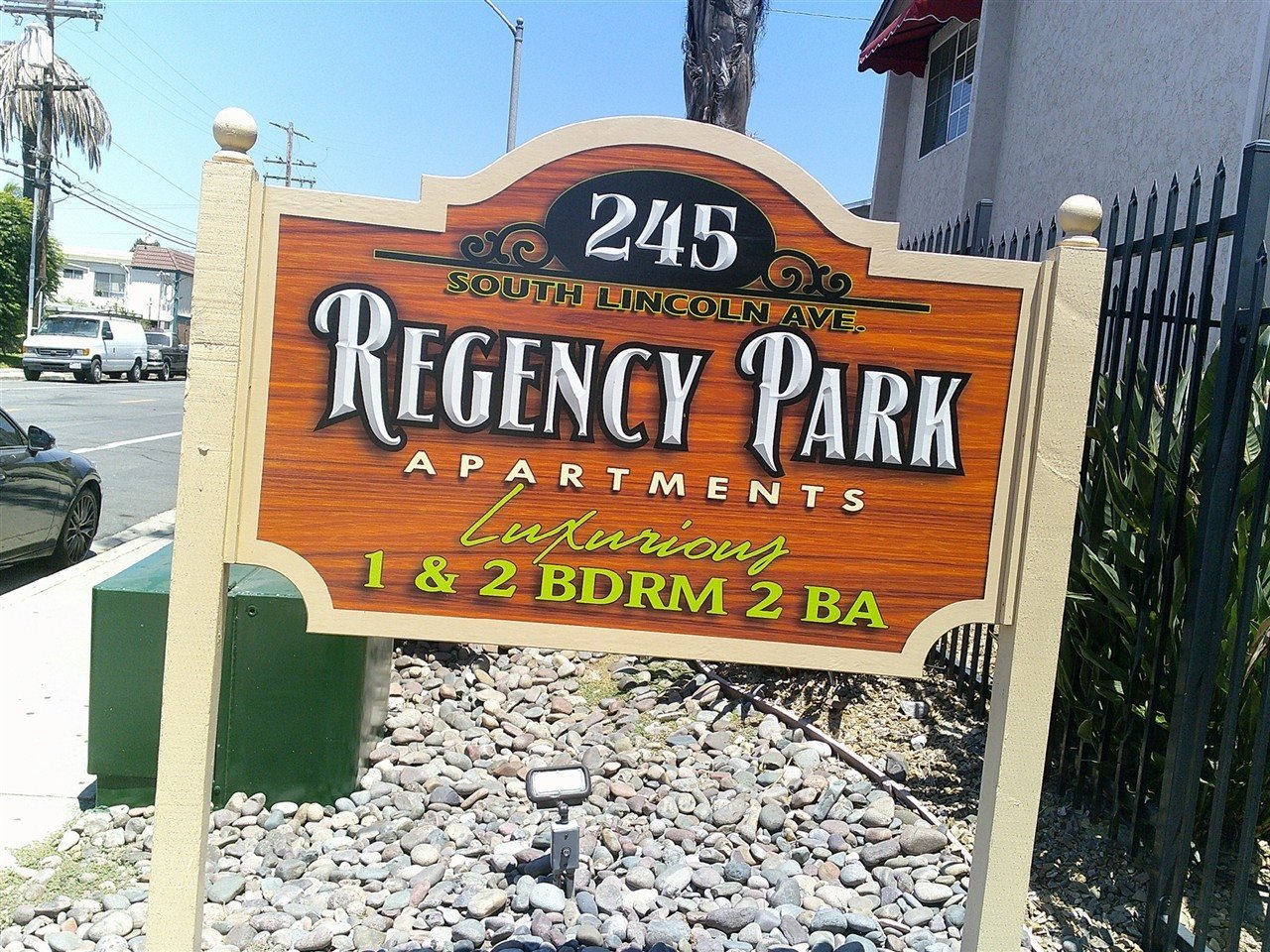
Properties evaluated for SB 721 exemption letters across San Diego County.
More inspections in Mira Mesa
- Commercial roof cleaning in Mira Mesa
- Commercial inspection in Mira Mesa
- Pool and spa inspection in Mira Mesa
- Sewer scope inspection in Mira Mesa
- Home inspection in Mira Mesa
Nearby and countywide
Were You Happy With Your Inspection?
We are proud of our 4.9-star rating across 100+ Google reviews. If Joseph and the team did right by you, a quick Google review helps other San Diego County buyers and sellers find us.