
Roof Inspection in Mira Mesa, San Diego, CA
Drive the grids off Mira Mesa Boulevard, Camino Ruiz, and Black Mountain Road and the roofs read like a calendar: composition shingle and concrete tile laid across single-story and two-story tract homes that went up in one fast wave through the 1970s and into the '80s. A lot of those roofs are now on their first or second covering, and out here north of Miramar — well past the coastal fog line — the inland sun has been working them harder than the install date admits. A shingle field that looks fine from the curb can be a couple of summers from the end.
I'm Joseph Romeo, and a roof inspection is a documented visual read of the covering and everything that keeps water out of the house: flashing, valleys, penetrations, vents, skylights, and the gutters and drainage that carry runoff clear. I report what I see — condition, signs of leakage and aging, and remaining-life indicators — and I read the attic from underneath where it's reachable. I don't certify roofs and I don't repair them; when the covering needs work or a written certification, I point you to a licensed roofer, which keeps the findings independent. For the whole-house picture, start at the Mira Mesa home inspection hub.
Call (619) 752-4399 Schedule an Inspection
What does a Mira Mesa roof inspection reach?
I work the roof as a system, not a glance up from the driveway. On a Mira Mesa tract home that means evaluating the covering and every component that can let water in, with a photo behind each call:
- The covering — the composition (asphalt) shingle that blankets most of these neighborhoods, the concrete or clay tile on the master-planned subdivisions, and the flat foam or modified-bitumen on additions and the occasional flat-roofed section. I note the material, rough age, how many layers appear present, and the wear that reads differently on each: granule loss and curling on shingle, cracked or slipped tile, blistering and ponding on foam.
- Flashing and valleys — the metal at walls, chimneys, valleys, and roof-to-wall transitions, where inland heat cycling loosens fasteners and splits sealant. On Mira Mesa roofs the flashing fails ahead of the field more often than not.
- Penetrations and vents — plumbing stacks, furnace and water-heater flues, HVAC and solar standoffs, and the boot seals that dry-crack under this sun, plus whether attic and eave vents are screened on parcels near the canyon edges.
- Skylights — curb, glazing, and flashing, a recurring leak point on the two-story and remodeled homes here.
- Gutters and drainage — whether runoff is carried away from the slab on these tight tract lots, where downspouts dumping at the foundation feed problems below.
- Attic underside, where reachable — deck staining, active dampness, daylight at penetrations, and the ventilation that decides whether trapped heat and moisture dry or cook the sheathing.
You get a documented read on condition and remaining-life indicators. What I don't issue is a roof certification, and I don't quote the repair — that's a licensed roofer's job, and I'll tell you when to bring one in.
How does Mira Mesa's setting affect a roof?
Mira Mesa's inland position and its single-era housing mix shape what goes wrong overhead, and it's a different story than the cities down by the water:
- Inland sun that ages roofs early. Sitting north of Miramar and shielded from much of the marine layer, Mira Mesa runs hot. Composition shingle sheds granules and curls ahead of schedule on the south- and west-facing slopes, and foam coatings chalk and blister years before the calendar says they should. Remaining life out here usually reads shorter than the build year suggests.
- One concentrated re-roofing cycle. Because the tracts went up together in the '70s and '80s, the original roofs aged out on the same clock — so many homes now carry a second covering, sometimes layered over the first, which traps heat and hides the deck's true condition.
- Tile over tired underlayment. On the master-planned subdivisions that went with concrete or clay tile, the tile outlives the felt beneath it. A roof that looks permanent from the street can be leaking under intact tile, so I look for cracked and slipped pieces and for staining below.
- Foot-traffic breakage from solar and HVAC. Mira Mesa's been a heavy solar-retrofit market, and tiles crack under the boots of installers and AC techs working the roof. The gaps they leave sit over exposed underlayment until water finds them.
- Canyon-edge ember exposure. Homes backing the finger canyons off Los Peñasquitos and the open space at the community's edges sit in or near wildfire-prone terrain, where open or unscreened eave and attic vents let wind-driven embers reach the roof structure.
- Runoff onto tight slab lots. These dense lots leave little room between downspout and foundation, so gutters that don't carry water clear dump it right at the slab.
What do I keep finding on Mira Mesa roofs?
Look at enough roofs across Mira Mesa's tract grids and the same items repeat by covering type and by the neighborhood's shared vintage. Most aren't deal-breakers — they're things to understand, price with a roofer, and weigh before you close:
- Sun-spent shingle. Heavy granule loss, curling, and exposed mat on composition roofs with only a few years left, worst on the south and west slopes that take the brunt of the inland sun.
- Dried, split sealant and failed pipe boots. Cracked neoprene boots at plumbing penetrations and split sealant at flashings and skylight curbs — two of the most common active leak sources here regardless of covering.
- Cracked and slipped tile. Breakage from prior solar and HVAC foot traffic, leaving gaps over underlayment that may itself be past its service life.
- Layered-over coverings. A second composition layer laid over the first, trapping heat and hiding the deck — common given the single re-roofing cycle these tracts share.
- Ember-vulnerable vents. Open or unscreened eave, gable, and attic vents on the canyon-rim lots, a roof-structure ember path worth flagging in these WUI pockets.
- Attic evidence. Deck staining, old leak patches, daylight at penetrations, and weak ventilation that holds inland heat against the underside.
When I spot a leak indicator, I trace it as far as safe access allows — from the attic stain back toward the failed flashing or penetration above — so the roofer you call knows where to start. None of it is a verdict on its own; the report lays out condition plainly so you and a roofer can sort what needs action now from what to watch.
How does the visit run and what report do you get?
It starts with a call to (619) 752-4399 or an email with the Mira Mesa address. I'll ask the covering type and rough age if you know them, and whether this is a standalone roof look or part of a fuller inspection — on a purchase it usually pairs with the whole-house visit.
On site I work the roof the way conditions allow: walking it where the slope, material, and safety permit — and a lot of Mira Mesa's composition tract roofs are walkable, so they get a hands-on look across the field. Where the surface is brittle tile or soft foam that walking would crack or puncture, I inspect from ladders, the eaves, and the attic, because protecting the roof I'm judging beats a better camera angle. I take the covering first, then flashing, valleys, penetrations, vents, and skylights, then gutters and drainage, and I read the attic underside for moisture and ventilation where access allows. Every finding gets a photo, and you're welcome to walk the findings with me — on a system this consequential I encourage it.
Your deliverable is a photo-documented HomeGauge report that names the covering, locates each defect, and gives my read on condition and remaining-life indicators — the difference between re-sealing one flashing and a covering with a couple of summers left. I turn it around the same day or the next in most cases, so your inspection contingency never waits on me. One line I keep clear: I assess and document, I don't certify or repair. I issue no roof certifications, re-seal no flashing, re-coat no foam, and never bid the work I find — so nothing in the report carries a conflict of interest.
Why do Mira Mesa buyers and owners call Joseph Romeo?
Reading a roof well is half knowing the material and half knowing what the fix really takes — telling a roof with two summers left from one with eight, or a cosmetic crack from a leak in the making, is experience, not a checklist. I'm an InterNACHI Certified Professional Inspector (CPI) and I hold a California CSLB General Contractor license (#1113143). That building background pays off on a Mira Mesa roof: I can tell you whether what's up there means re-flashing one chimney, lifting and relaying tile over fresh underlayment, or tearing off a layered-over covering for a full re-roof — so you head into negotiation knowing the difference.
- 20+ years and more than 10,000 inspections across San Diego County, including Mira Mesa's tract neighborhoods off Mira Mesa Boulevard, Camino Ruiz, and Black Mountain Road.
- 4.9 stars across 106 Google reviews from buyers, sellers, and agents.
- Independent and conflict-free — I document the roof and report what's there; I don't sell roofing or certifications, so nothing in the report nudges you toward work you don't need.
Everything lands in a clear, photo-documented HomeGauge report you, your agent, and a roofer can read without translation. Reach me directly at joe@sandiegohomeinspection.com or the number above.
Which inspections pair with a Mira Mesa roof check?
The roof is one system, and on most Mira Mesa visits it makes sense alongside a wider look at the house. I can line these up around a single trip:
- Full home inspection — the house, roof, electrical, plumbing, and structure in one visit, and the inspection I most often evaluate the roof within; start at the Mira Mesa hub if you're buying, not just checking the roof.
- Thermal / infrared imaging — reads hidden moisture behind ceilings and walls from a roof leak the surface doesn't yet betray, a real payoff on these slab homes.
- 4-point inspection — the roof, electrical, plumbing, and HVAC summary an insurer wants on a 1970s-80s Mira Mesa home before it binds or renews a policy.
- Attic and insulation evaluation — the underside of the roof you just had inspected, where ventilation and moisture problems first show.
- Sewer scope inspection — the buried lateral on these slab lots, where decades-old cast iron and clay fail out of sight.
Not sure what your address needs? Send it over with the home's age and I'll tell you what's worth doing — see all inspection services we offer or get a quote through contact. For a certification or repair, I refer the right licensed roofer rather than reach past our scope.
Mira Mesa Roof Inspection FAQs
What does a roof inspection in Mira Mesa cost?
Do you walk the roof or inspect it from the ground?
Why do Mira Mesa roofs wear out faster than coastal ones?
My Mira Mesa tile roof looks fine. Why inspect it?
Will the inspection tell me how much roof life is left?
Will you certify the roof or repair what you find?
Roofs we document
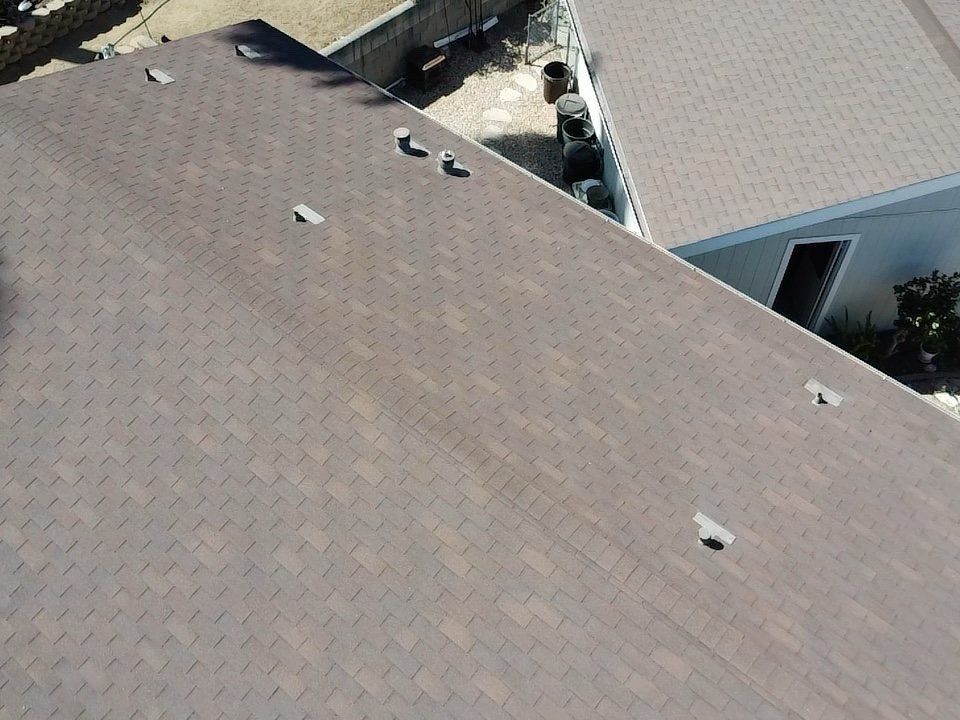
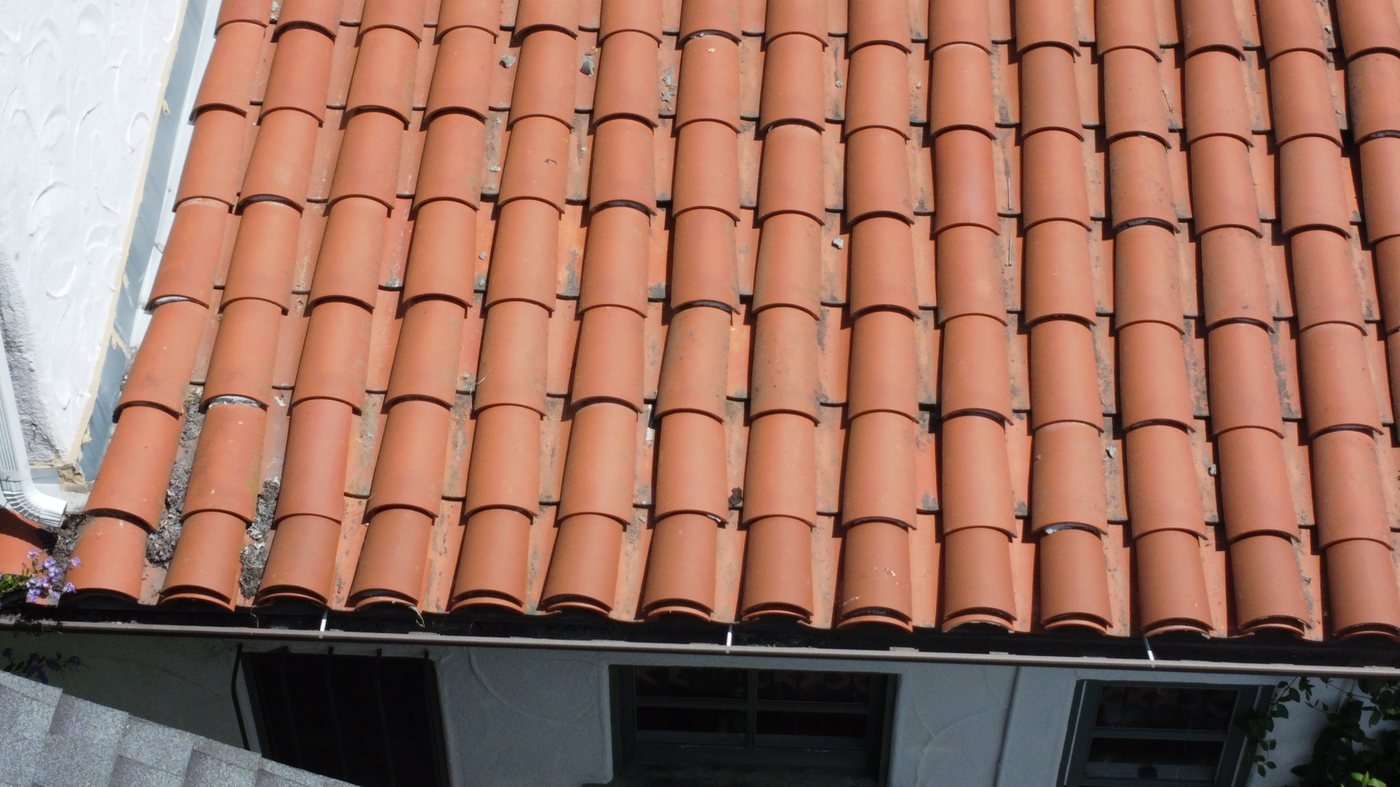
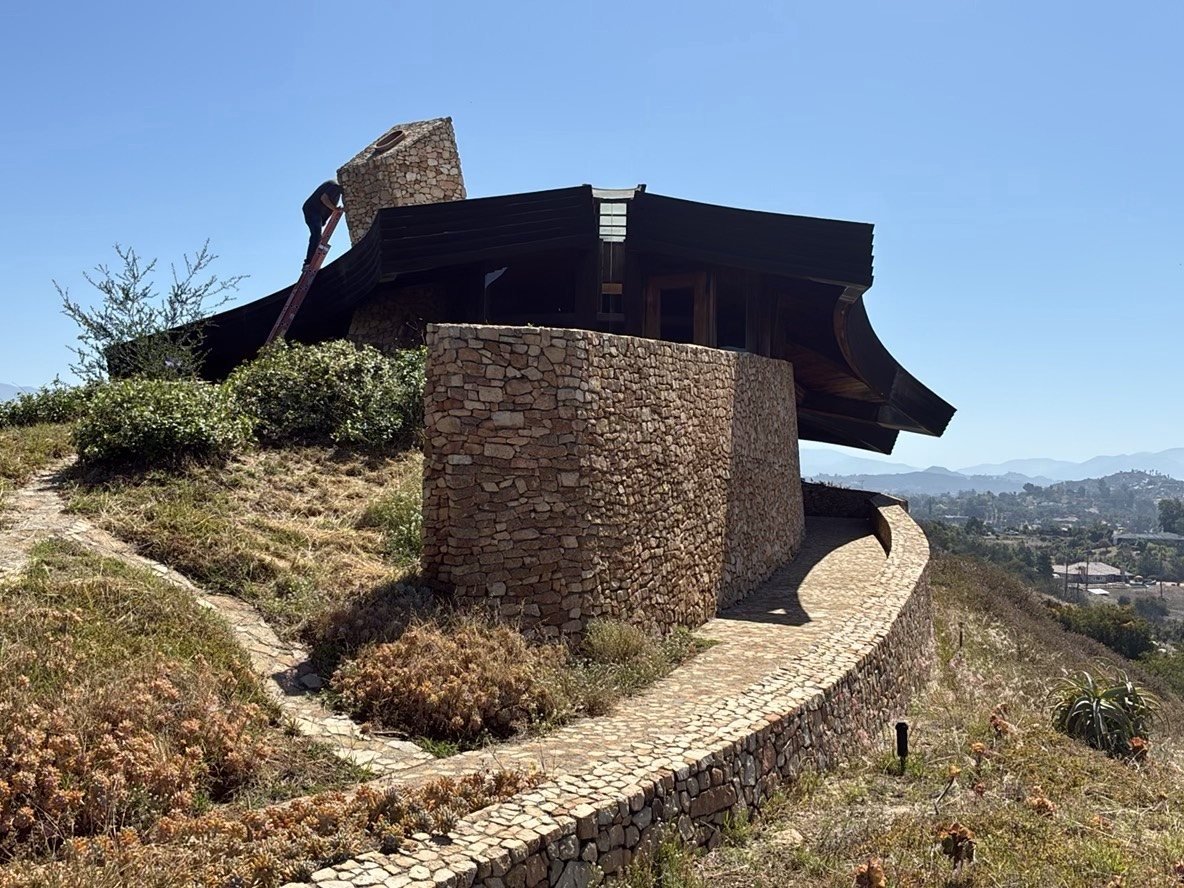
Aerial and on-roof photos from recent San Diego County roof inspections.
More inspections in Mira Mesa
- SB 326 balcony inspection in Mira Mesa
- SB 721 exemption letter in Mira Mesa
- Seller inspection in Mira Mesa
- Warranty inspection in Mira Mesa
- Home inspection in Mira Mesa
Nearby and countywide
Were You Happy With Your Inspection?
We are proud of our 4.9-star rating across 100+ Google reviews. If Joseph and the team did right by you, a quick Google review helps other San Diego County buyers and sellers find us.