
Seller's Pre-Listing Inspection in Mira Mesa, San Diego
Mira Mesa filled in fast. The Mercy Road and Camino Ruiz tracts, the dense cul-de-sacs off Black Mountain Road, the rows of two-story homes north of Mira Mesa Boulevard — most of it went up in one long building push from the early 1970s into the 1980s, slab-on-grade homes packed tight on a high inland mesa under the MCAS Miramar flight path. Half a century on, those houses are selling again, and the water heaters, panels, and original supply lines came of age together. A buyer's inspector clocks that vintage before they're out of the car. A seller's pre-listing inspection is how you read your own home that way first — the full inspection, ordered by you, finished before the listing photos are even shot.
I'm Joseph Romeo. What I run for a Mira Mesa seller is the exact inspection a buyer would later commission, held to the same InterNACHI Standards of Practice on every reachable system. The one variable I change is when you get it. Order it yourself and the report lands in your hands weeks ahead of any offer, while you still decide what to fix, what to disclose and build into the price, and what to simply hand a buyer in writing. On a dense Mira Mesa tract where a 1979 panel and an original 40-gallon water heater sit behind a freshly painted garage wall, going first is what keeps you steering the sale instead of answering a repair list under a contingency clock. What follows: the scope, the Mira Mesa conditions that shape it, what I keep finding here, how the visit and report work, and where my job ends and a specialist's begins. The Mira Mesa home inspection hub covers the buyer's side.
Call (619) 752-4399 Schedule an Inspection
What does a Mira Mesa pre-listing inspection cover?
This is the entire home inspection, not a slimmed-down seller's edition. I evaluate every readily accessible component to the same InterNACHI Standards of Practice a buyer's inspector follows, so the report you hold mirrors the one their team writes weeks later — no one gets to dismiss yours as the abbreviated version. On a typical Mira Mesa tract home that means:
- Roof and drainage — covering, flashing, and how rain leaves a mesa lot, including the flat and low-slope sections on the 70s ranch designs and the second-story tie-ins on the later two-story models
- Foundation and structure — almost entirely slab-on-grade here, checked for cracking, settlement, and moisture intrusion, plus framing and any patio-enclosure or garage-conversion work added over the years on these compact lots
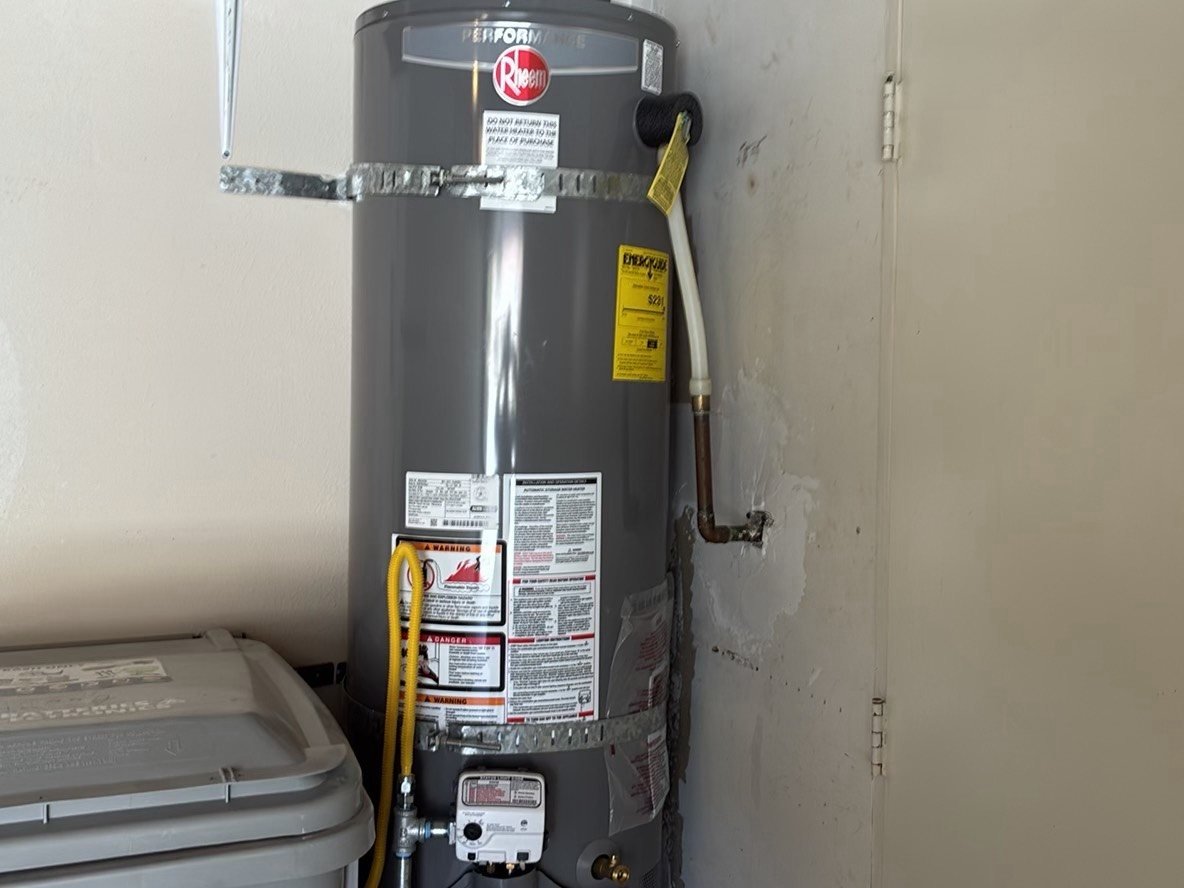
- Plumbing — supply and waste lines, the water heater, and fixtures, with a deliberate look at original heaters running past their service life and the supply materials this build era is known for
- Electrical — service panel, branch wiring, grounding, and the breaker brands and capacities that shipped on a late-70s and early-80s house
- Heating and cooling — condition and operation, weighted toward the cooling side given how much hotter this inland mesa runs than the coast through summer
- Attic, interior, exterior, and grounds — insulation, ventilation, windows, finishes, and the grading where homes sit close together and runoff has to clear narrow side yards
You get the buyer's-eye read on your own house early. Every entry is observed condition with a photo behind it — I don't price the repairs and I don't carry them out.
How do Mira Mesa's tract vintage and setting shape findings?
Which findings can shake a Mira Mesa sale comes down to when the neighborhood was built, how tightly it was platted, and where it sits. These are the local realities that decide it:
- A single building wave. Most of Mira Mesa went up between the early 1970s and the late 1980s, so a whole tract shares the same aging systems on the same clock — original water heaters, original panels, and first-generation roofs all reaching end of life at once.
- Aging water heaters and supply lines. The signature issue here. Original tank heaters well past warranty, missing seismic strapping, and corroding supply runs read to a buyer as deferred maintenance and a coming bill — among the most predictable write-ups in the neighborhood.
- Slab-on-grade across the board. These tracts are nearly all slab homes, where perimeter and floor cracking, out-of-level readings, and any moisture wicking up through the slab are exactly what a buyer's inspector documents.
- Dense lots and narrow setbacks. Homes sit close together with tight side yards, so drainage, fence-line grading, and water moving between neighboring slabs draw more scrutiny than they would on an open parcel.
- Inland heat and the Miramar flight path. Mira Mesa bakes well past the coastal zone, which shortens shingle life and works AC equipment hard, while the jet traffic overhead makes window condition and weather-sealing something buyers here actually notice.
- Decades of piecemeal updates. Patio enclosures, garage conversions, and permit-light remodels mean an original panel or water heater often hides behind a recent cosmetic refresh — precisely what a buyer's inspector uncovers.
What do I keep finding before Mira Mesa homes list?
Inspect enough of these mesa tracts and the same items resurface — the exact ones that turn into credit requests once a buyer's inspector writes them up. Catch them now and the response is yours to choose:
- Spent water heaters — original tanks past their service years, with no seismic strapping or a missing drip pan, that a buyer reads as an immediate replacement
- Dated electrical panels — undersized late-70s service, obsolete or recalled breaker brands, ungrounded circuits, and aluminum branch runs from later updates that some insurers question
- Heat-spent roofs — composition shingle worn thin by inland sun, or flat-section membranes near end of life, where remaining service life sets the negotiation
- Slab and moisture clues — perimeter cracking, sloped floors, and damp readings a buyer wants explained even when they prove cosmetic
- Aging supply lines — corroding galvanized or the failure-prone polybutylene that turns up in this build era, which a buyer reads as a future re-pipe
- Tight-lot drainage and unpermitted conversions — runoff aimed at the slab across narrow side yards, plus garage and patio conversions done without permits that buyers and appraisers both flag
I separate the real deal-breakers from the cosmetic and the old-but-sound, so your repair budget defends the asking price instead of scattering across everything that photographs poorly.
How does the visit run and what does the report let you do?
Start with a call to (619) 752-4399 or an email with the Mira Mesa address and your target list date. Booking before the staging and paint money goes out is the smart move — far better to learn about a water heater, a panel, or a tired roof before the cosmetic spend than after an offer is already sitting on the table.
On site I work the home the way a buyer's inspector will: up on the roof, into the attic, at the panel and the water heater, checking supply materials and pressure, running the furnace and AC, then through every room and around the exterior, grading, and the narrow side-yard drainage these lots depend on. I talk through it as I go — what a buyer is likely to seize on versus what's genuinely minor — so you leave with context, not just a stack of flags.
The deliverable is a HomeGauge report with a photo on every finding and plain-language condition notes, usually same day or next day, in hand before the listing goes live. Give it to your agent so the home is priced with eyes open, share a clean copy with buyers to build trust and blunt lowball renegotiation, and use the report's built-in request list to line up contractors on your own calendar instead of under escrow pressure. I report observed condition only — no bidding, no repairs — which is exactly what keeps the report credible to a buyer wary of a seller-ordered inspection. Where an item needs a specialist, I'll say so and coordinate the right licensed pro.
Why do Mira Mesa sellers have me write the report?
A pre-listing report is only worth the judgment behind it — knowing when a hairline slab crack is just that, and when an original water heater or a recalled panel is a real liability you'll answer for. I'm an InterNACHI Certified Professional Inspector (CPI), and I also hold a California CSLB General Contractor license (#1113143). That builder's side is the seller's edge here: when I flag the heater, the panel, or the roof, I can tell you what the fix actually involves and how a buyer is likely to weigh it, so repair-versus-disclose becomes a decision you make with real footing.
- 20+ years and 10,000+ inspections across San Diego County, including the inland tract neighborhoods that fill Mira Mesa, Scripps Ranch, and the mesa
- 4.9 stars across 106 Google reviews from sellers, buyers, and the agents who send them
- Independent and conflict-free — I don't sell repairs, so nothing in the report quietly steers you toward work I'd profit from; it's an honest baseline you can stand behind in front of a buyer
For the water heater swap, the panel, the roof, or a structural opinion a report might point to, I coordinate or refer the right licensed specialist rather than pretend the inspection covers it — and for the record, we're InterNACHI CPI and CSLB-licensed, not ASHI or CREIA members. Reach me directly at joe@sandiegohomeinspection.com or the number above.
Which inspections pair with your Mira Mesa listing?
The pre-listing inspection is the full read, but a few targeted add-ons settle the questions Mira Mesa buyers raise most — and clearing them up front keeps escrow from stalling later. I can line these up around the same visit:
- Sewer scope: a camera down the buried main lateral, since the original lines under these mature tract streets stay hidden in a standard inspection and root intrusion from decades-old parkway trees is a classic late-escrow killer
- Thermal / infrared imaging: surfaces concealed moisture and electrical hot spots behind walls, a real payoff when an aging water heater, dated panel, or old supply line raises a flag
- Roof inspection: a closer read on remaining life when the main report shows a roof worn down by inland sun that a buyer will price against
- 4-point inspection: if a buyer's insurer wants one on an older Mira Mesa home, it's a narrower follow-on to the full report
- Pool & spa inspection: for the backyard pools on the larger Mira Mesa lots, so a buyer isn't the one to find an equipment problem
Not sure what your listing needs? Send the address and your timeline and I'll tell you which actually apply — see all inspection services we offer or get a quote through contact.
Mira Mesa Seller's Pre-Listing Inspection FAQs
What is a seller's pre-listing inspection in Mira Mesa?
Why inspect before listing a home in Mira Mesa?
What Mira Mesa-specific problems should I expect it to flag?
Do I have to fix everything the inspection finds?
Will a buyer still order their own inspection?
How soon before listing should I schedule, and how fast is the report?
Pre-listing documentation
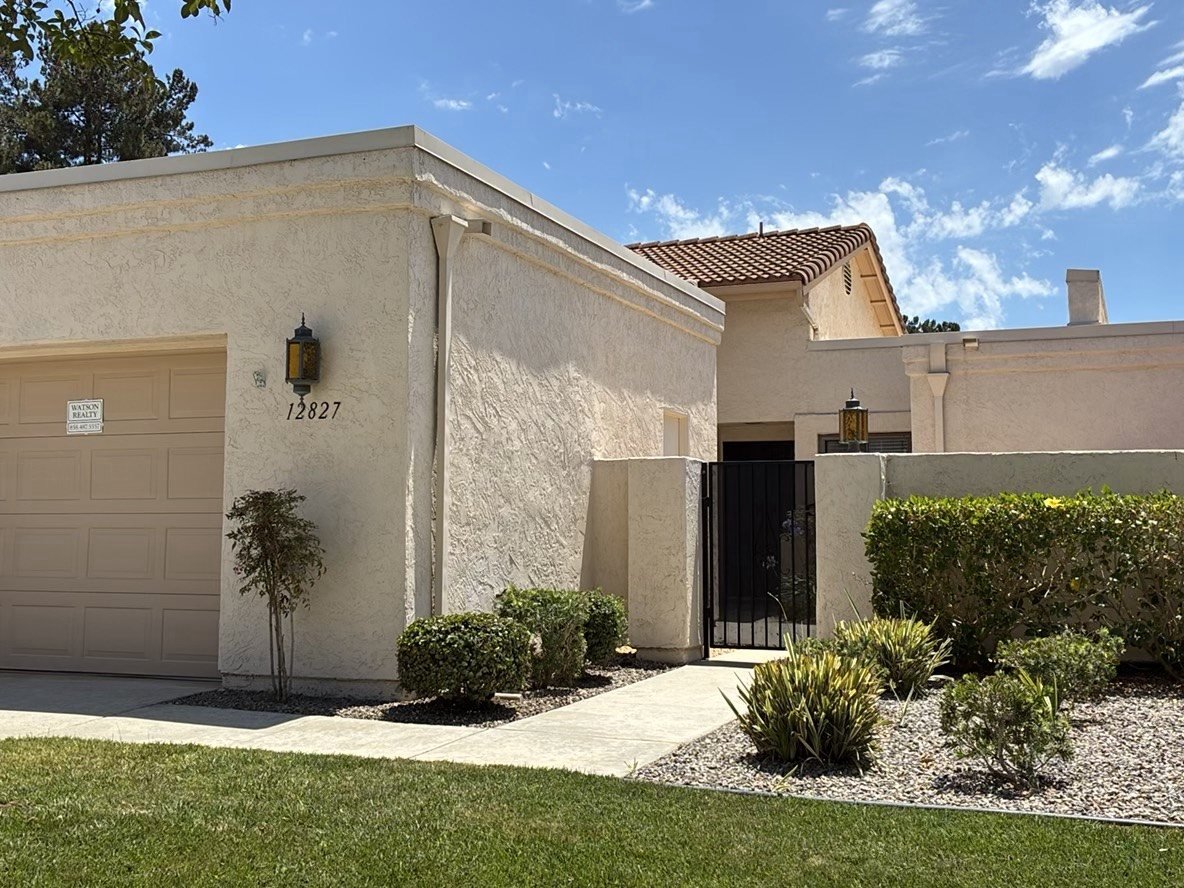
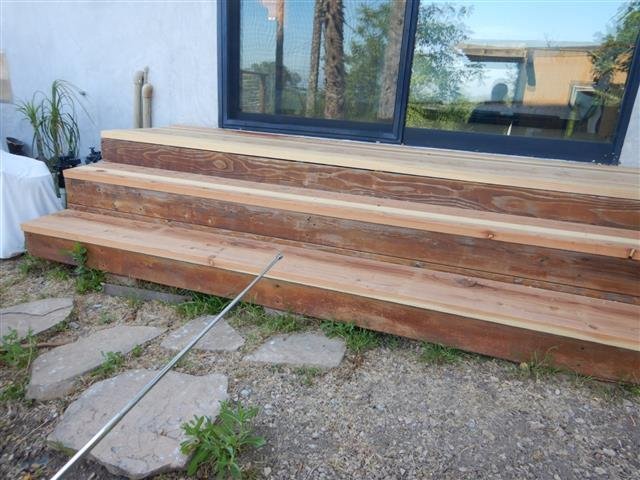
Pre-listing inspection photos from across San Diego County.
More inspections in Mira Mesa
- SB 721 balcony inspection in Mira Mesa
- SB 326 balcony inspection in Mira Mesa
- SB 721 exemption letter in Mira Mesa
- Warranty inspection in Mira Mesa
- Home inspection in Mira Mesa
Nearby and countywide
Were You Happy With Your Inspection?
We are proud of our 4.9-star rating across 100+ Google reviews. If Joseph and the team did right by you, a quick Google review helps other San Diego County buyers and sellers find us.