
Thermal Imaging Inspection in Del Mar, CA
Infrared doesn't look through a wall — it measures the temperature of the surface in front of it, and on a Del Mar home those temperatures tell on the trouble you'd otherwise never see. Damp drywall behind a Beach Colony cottage's plaster runs cooler than the dry framing beside it. A corroded lug in the panel of an older Olde Del Mar cottage runs hotter than the breakers around it. A thin or missing stretch of ceiling insulation in a bluff-top rebuild shows as a cold band the second the camera sweeps past. A thermal imaging scan converts those invisible swings into an image, so a window leak above Powerhouse Park or a warm line crossing a slab in the Del Mar Heights flats gets caught while it's still a small problem.
This is an add-on we fold into the standard inspection — not a second appointment. While we work the home, we pass the infrared camera over ceilings, exterior walls, the glass, the electrical panel, and the supply registers, hunting the thermal anomalies a flashlight and a trained eye still miss. When a reading looks off, we verify it with a moisture meter where we can reach the surface and flag the rest for further evaluation. The honest limit, stated plainly: infrared is not an x-ray and not a promise that every hidden defect will surface. It points to anomalies worth a closer look; it can't see inside a sealed pipe or behind every salt-weathered finish. We don't pressure-test plumbing or issue leak certifications — when a scan points to an active leak, we coordinate a licensed specialist.
Call (619) 752-4399 Schedule an Inspection
What does the infrared camera cover on a Del Mar property?
Thermal imaging sharpens the standard inspection by reading surface-temperature contrast across the structure. On a Del Mar home, the camera focuses where that contrast exposes something hidden:
- Concealed moisture and live leaks — cool, evaporative shapes on ceilings, walls, and at window perimeters that betray water working in behind the finish, the headline payoff this close to the surf.
- Insulation gaps and energy bleed — cold bands and thermal bridging where the ceiling or wall blanket is thin, slumped, or soaked, frequent in the older cottages off Stratford Court and Coast Boulevard.
- Electrical hot spots — breakers, lugs, and terminations glowing warmer than they should at the panel, the early signature of a connection on its way to failing.
- HVAC delivery faults — registers pushing the wrong temperature and uninsulated duct runs that leave one wing of a split-level bluff home never quite comfortable.
- Slab and supply-line clues — warm or cool tracks across slab floors that can mark a hot-water slab leak or a buried line under stress in the inland flats.
Everything the camera lights up is an anomaly to chase down, not a verdict. We document what it showed, what it most likely means, and who should confirm it — pairing each thermal image with a normal photo so the location on the house is never in doubt.
What do Del Mar's bluffs, salt air, and river valley reveal under infrared?
Few stretches of the county put a thermal camera to better use than Del Mar, because the same coastline that sets the price keeps moisture and corrosion working on these homes year-round:
- The marine layer holds the damp. Fog and ocean humidity sit against north- and west-facing walls for hours, so a minor leak that would dry out in a day inland stays wet here long enough to soften framing — and the camera reads that cool patch while it's still buried.
- Window leaks behind the ocean glass. The wide view walls that define a Del Mar bluff home are also its likeliest water entry. Wind-driven coastal rain probes every sill, mullion, and head flashing, and the wet wallboard beneath shows in infrared before a brown stain ever appears.
- Bluff exposure and salt corrosion. Homes along the bluff line and above the beach take the full salt load. Salt creeps into electrical connections, raises resistance, and runs them hot — a thermal sweep of the panel surfaces the warm terminal that corrosion is quietly cooking.
- High water table near the San Dieguito River. Lots down toward the river mouth and the lower valley sit over a high water table, which keeps slab edges and crawlspaces damp and pushes moisture upward into finishes the camera then reads as cool.
- Expansive soil and slab leaks inland. Up in Del Mar Heights and the flatter inland blocks, soil that swells and shrinks with the seasons stresses copper run through the slab; a hot-water leak shows as a warm ribbon across tile.
What do we routinely turn up on Del Mar thermal scans?
Scan enough homes between the Beach Colony, Olde Del Mar, and the Heights and the same thermal patterns keep surfacing. Most aren't deal-killers — they're items to verify and weigh before you close:
- Moisture around and below windows. Cool evaporative shapes under ocean-facing glass and at the corners, the single most common infrared finding on a coastal Del Mar home.
- Damp ceilings under roof penetrations. Cold patches beneath skylights, decks, and valleys where a slow leak has wet the drywall but hasn't stained through yet.
- Missing or settled insulation. Cold stretches across ceilings and exterior walls in the older cottages, mapping where the thermal envelope has gone thin.
- Warm panel connections. Hot breakers and lugs in aging, salt-stressed panels, flagged for a licensed electrician before they fail.
- Slab-leak thermal tracks. Warm lines crossing tile or finished slab floors that suggest a hot line leaking underneath, most often on the expansive-soil inland lots.
- Duct and register problems. Supply registers running too warm or cold and uninsulated ducts that explain why an upper bluff-side room never keeps pace.
When the camera flags something live — an active leak or a hot connection — we record its exact spot and the moisture-meter reading where we could take one, so whichever specialist follows starts from a known point rather than from scratch. We report observed condition; we don't open walls or perform the repair.
How do we run the scan and what lands in your report?
The infrared scan rides along with the standard inspection, not a separate trip. Moving room to room, we pass the camera over ceilings, exterior walls, the full perimeter of every window, the panel, and the HVAC registers, timing the sweep for when the readings actually mean something — the camera needs a temperature difference between inside and out, and dry surfaces, to give useful contrast. Where it flags an anomaly, we confirm it with a moisture meter on reachable surfaces to separate a genuinely wet wall from a harmless cool one cast by shade or sun load. You're welcome to look at the live thermal image with us; seeing the cold streak under your own bluff-facing window tends to make the finding land.
Your deliverable is a photo-documented HomeGauge report that sets each thermal image beside an ordinary photo, with plain-language notes on where the anomaly is, what it likely indicates, and the right next step — delivered same day or next day so your contingency clock never waits on us. We'll also say straight what infrared can't do: it needs thermal contrast to reveal anything, so a dry defect or a wall with no temperature difference that morning can read clean. A clear scan means nothing surfaced under those conditions, not that nothing exists. When the scan points to an active plumbing or slab leak that needs invasive verification, we coordinate a licensed specialist and hand over our images so nothing gets re-investigated from zero.
Why do Del Mar buyers and owners call Joseph Romeo?
A thermal camera is only as good as the inspector reading it — the real skill is telling a meaningful anomaly from a harmless shadow or a patch of sun-warmed stucco. Your inspection is led by Joseph Romeo, an InterNACHI Certified Professional Inspector (CPI) who also holds a California CSLB General Contractor license (#1113143). That builder's background is what makes infrared trustworthy here: when a wall reads cold or a lug reads hot, he can tell you whether you're looking at marine moisture, a plumbing line, salt-driven corrosion, or just morning fog on a north elevation — the line between a real finding and a false alarm.
- 20+ years and more than 10,000 inspections across San Diego County's coast, bluffs, and inland valleys.
- 4.9 stars across 106 Google reviews from Del Mar buyers, sellers, and the agents who refer us.
- Thermal findings documented honestly — image, location, and a clear next step, with no inflating a cool patch into a crisis.
- Real familiarity with the local stock, from Beach Colony cottages and bluff-top rebuilds to the slab homes up in Del Mar Heights.
When a scan points to a leak, a wiring issue, or moisture that needs opening up, we refer the right licensed specialist — a plumber for a slab-leak pressure test, an electrician for the panel — so that work stays with a specialist while our report stays independent. We document condition; we don't bid or perform repairs.
Which related inspections are worth pairing in Del Mar?
Thermal imaging does its best work riding along with a broader look at a coastal property, not standing alone. Del Mar buyers and owners commonly pair it with one or more of these:
- Full home inspection — the InterNACHI-standard visual review of the house, roof, electrical, plumbing, and structure, and the visit the infrared scan runs within.
- Roof inspection — the natural follow-up when the camera flags a damp ceiling, since the salt-weathered flashing and deck connections on a bluff-exposed roof are often where that water started.
- Sewer scope inspection — a camera down the buried lateral on older Olde Del Mar lots with mature trees over the line, the underground surprise infrared can't reach.
- 4-point inspection — the insurance-focused read on roof, electrical, plumbing, and HVAC that older Del Mar cottages often call for, complementing what the thermal scan suggests about those same systems.
The pairing we suggest most for an older or bluff-side Del Mar home is the full home inspection with thermal imaging added — the infrared makes the standard inspection sharper without pretending to replace it. We recommend what fits the property in front of us, not a fixed bundle.
Del Mar Thermal Imaging Inspection FAQs
Does thermal imaging see through the walls of my Del Mar home?
Why does the marine layer make infrared worth it in Del Mar?
Can a thermal scan find a slab leak near the river valley?
Is infrared a guarantee my Del Mar home has no hidden problems?
Is the thermal scan a separate visit or part of the inspection?
What does a thermal imaging inspection in Del Mar cost?
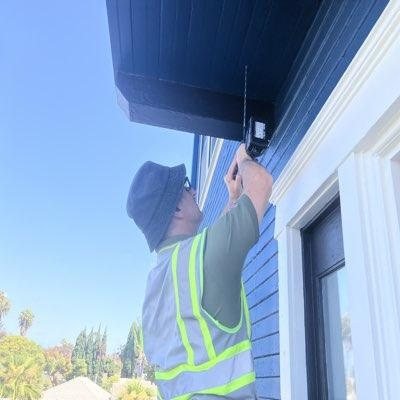
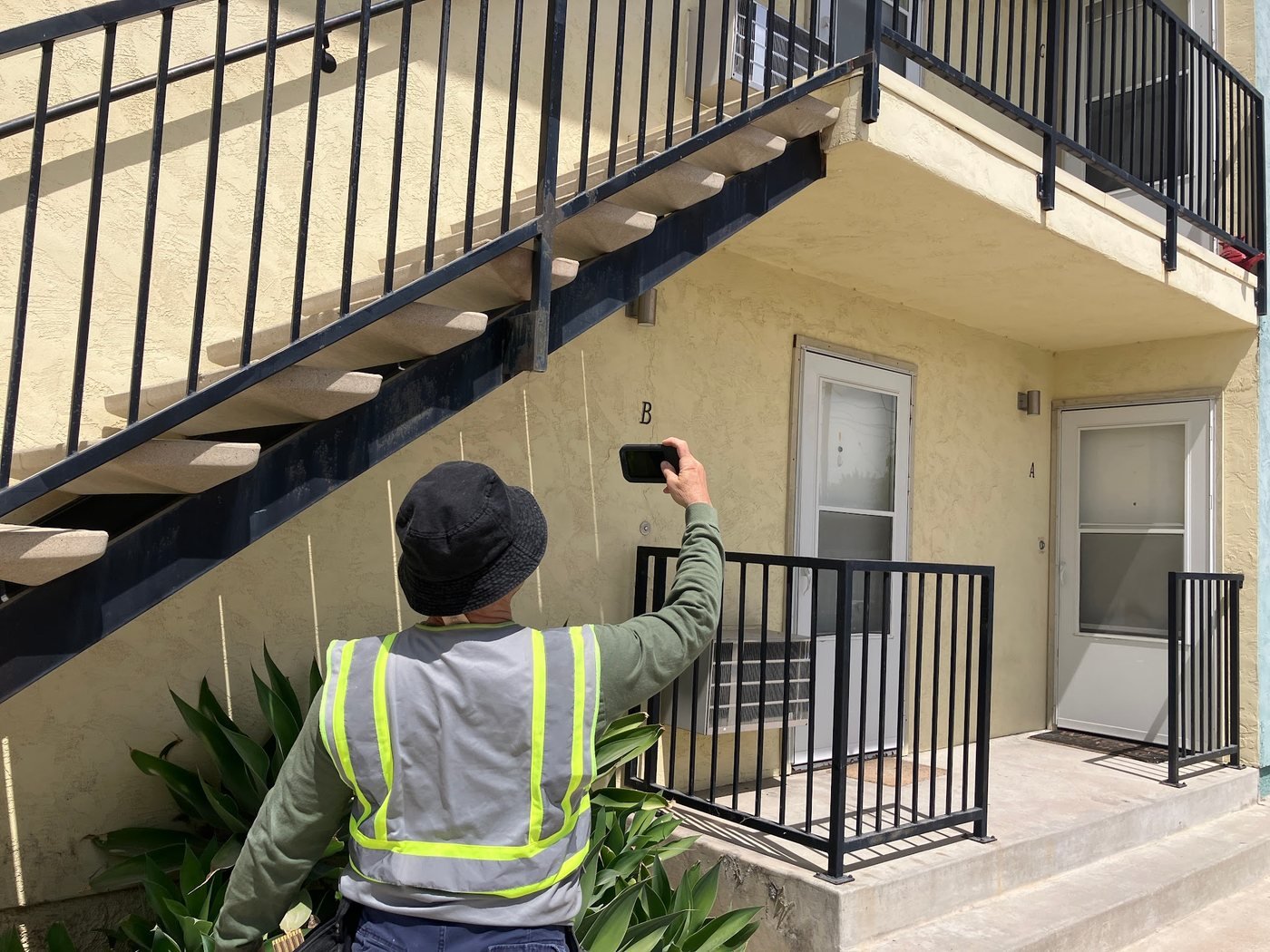
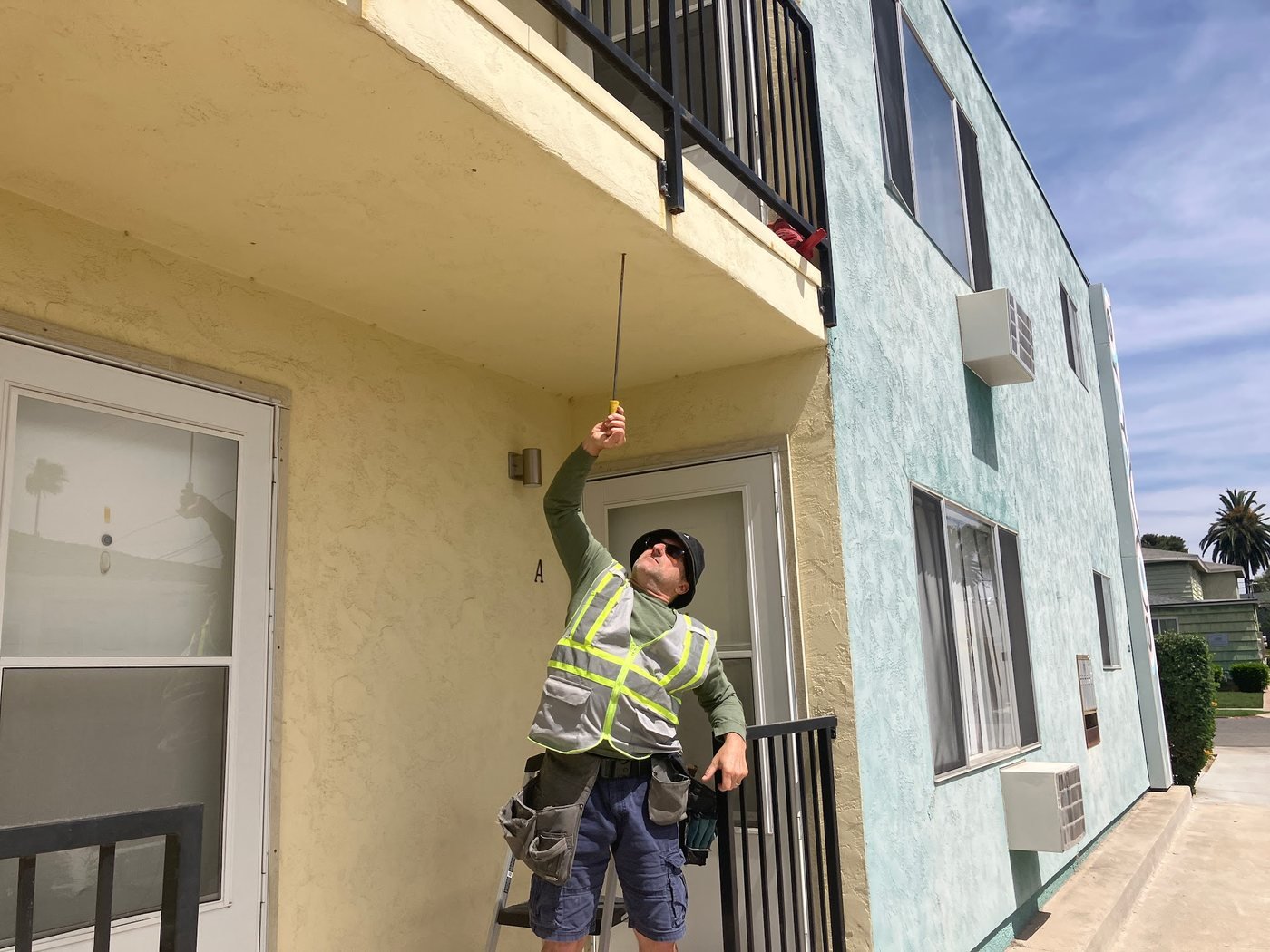
Thermal scanning in action
Our inspectors use FLIR thermal cameras to find moisture and heat issues hidden in walls and soffits.
More inspections in Del Mar
- Commercial roof cleaning in Del Mar
- Commercial inspection in Del Mar
- Pool and spa inspection in Del Mar
- Sewer scope inspection in Del Mar
- Home inspection in Del Mar
Nearby and countywide
Were You Happy With Your Inspection?
We are proud of our 4.9-star rating across 100+ Google reviews. If Joseph and the team did right by you, a quick Google review helps other San Diego County buyers and sellers find us.