
SB-326 Balcony Inspection in Del Mar, CA
SB-326 is the Davis-Stirling provision that puts a recurring duty on a condominium association's board rather than on any single owner. Every nine years a licensed inspector has to evaluate the building's exterior elevated elements — the load-bearing balconies, decks, stair landings, and raised walkways that depend on wood framing — along with the waterproofing that keeps that framing dry. Instead of touching every unit, the inspector draws a statistically significant random sample, judges the framing and membrane on each chosen element, and writes a report the board folds into its reserve study. The opening cycle closed January 1, 2025, and the clock resets nine years after each inspection.
In Del Mar that obligation sits on a concentrated set of HOA-governed buildings: the beach-block condos west of Camino Del Mar near the racetrack and fairgrounds, the bluff-edge associations stepping down toward the sand, and the developments along the San Dieguito River valley where the water table runs high. Many carry wood balconies that have stood in salt fog and shifting bluff soil for decades — the exposure SB-326 was drafted to catch, and the reason a Del Mar board reads its sample results with more urgency than an inland tract would.
Call (619) 752-4399 Schedule an Inspection
What does the SB-326 sample cover on a Del Mar condo?
The law targets the same structures SB-721 does, but the route and audience differ: SB-326 starts from a random sample sized to stand in for the whole development, and the conclusions go to the board and its reserves, not a city plan checker. On a Del Mar common-interest building we work through:
- Load-bearing balconies and decks — the wood-framed platforms hung off second- and third-story units, assessed for framing integrity and for the state of the coating or membrane laid over them.
- Raised walkways and stair landings — the shared open-air corridors and intermediate platforms linking stacked units, including the joists and beams underneath carrying daily foot traffic.
- Open exterior stairs — the wood stair runs serving upper condos, where stringers and treads take the brunt of the marine weather.
- The waterproofing tied to each element — deck coatings, membranes, flashings, and drainage routes. SB-326 treats this layer as inseparable from the structure, because water reaching the wood is how these assemblies fail.
We size the sample so its result fairly stands in for the development and evaluate every selected element by eye; where a surface hides the framing, the statute allows targeted intrusive probing. Any element needing structural repair routes to a licensed engineer or contractor; our role is to observe what was sampled, document it, and report to the association.
Why is the Del Mar setting hard on wood balconies?
SB-326 is fundamentally a contest between wood and a wet, salty, shifting environment, and Del Mar stacks several of those pressures at once. The conditions that shape what a sample turns up here:
- Bluff erosion and soil movement. The coastal bluffs along Del Mar's beach are actively retreating, and the creep of unstable ground can rack a building's frame, opening the wall-to-balcony joints where water finds its way in.
- A high water table near the river valley. Developments close to the San Dieguito River sit on damp ground, so crawl spaces and lower framing stay moist and posts and stair bases near grade rot from the bottom up.
- Salt-laden ocean air. Onshore wind drives chloride into the galvanized hangers, hold-downs, and bolts knitting a balcony together — the steel can corrode through while the lumber around it still looks fine.
- A marine layer that won't let things dry. Morning fog lingers on these blocks, so a deck coating that would shed a quick inland shower stays saturated, and any pinhole keeps moisture pressed against the joists.
- Older luxury beach stock. Many Del Mar associations occupy view buildings framed decades ago, where balcony coatings have been recoated over earlier failures rather than rebuilt — a layered surface that buries decay underneath.
Which defects keep turning up on Del Mar association balconies?
Sample enough common-interest balconies on these beach and river-valley blocks and the same problems recur. A finding doesn't condemn a building — SB-326 exists so boards catch decay early and fund the repair through reserves — but each is recorded plainly so the association and its specialists work from one set of facts:
- Worn-out deck coatings. Cracked, blistered, or chalking surfaces that no longer turn water, often where a prior recoat hid a problem instead of solving it.
- Salt-corroded connectors. Rusted joist hangers, ledger bolts, and hold-downs — the coastal signature on Del Mar buildings, where hardware fails ahead of any visible wood loss.
- Rot where the balcony meets the wall. Soft framing at the building tie-in, the most serious finding because that connection carries the load — and the joint most likely to open as bluff soil shifts.
- Damp lower framing near grade. Posts, stair bases, and rim boards close to the high water table that wick moisture and soften out of sight.
- Lifted threshold flashing. Missing or curled flashing where a unit door meets its balcony, funneling wind-driven coastal rain into the framing below.
How does the inspection run and what does the board receive?
We coordinate with the management company or board around the association's reserve-study calendar — whether you're closing out the January 1, 2025 first-cycle obligation or planning the nine-year repeat. We set a random sample large enough to represent the development's elevated elements, then walk each selected balcony, deck, walkway, landing, and stair, judging framing and waterproofing and photographing every one. Where the surface hides the wood or decay is suggested, we discuss targeted intrusive probing with the board before opening anything, so access and patch-back are agreed in advance.
The association receives a written report in the form SB-326 expects: each sampled element identified, its condition documented with photographs, and a determination of whether it is in a safe condition or shows substantial damage — flagging any element that presents an immediate threat. The report is built to feed the reserve study and to sit in the association's records as a defensible compliance document, and it names the next inspection date. We deliver it the same day or next day through HomeGauge. Where an element shows substantial structural damage, the repair design routes to a licensed engineer or contractor; we describe what we observed and refer the right specialist, but we don't bid or carry out the structural work, which keeps our finding free of any stake in the repair. We also don't perform termite/WDO, pest, or engineering certifications — we coordinate a licensed specialist when those apply.
Why do Del Mar boards bring in Joseph Romeo?
Reading a wood balcony for hidden decay from a representative sample takes someone who knows how these assemblies are framed, hung, and sealed. Your inspection is led by Joseph Romeo, an InterNACHI Certified Professional Inspector (CPI) who also holds a California CSLB General Contractor license (#1113143). That building background is what SB-326 calls for — when the report notes a rusted hold-down or delaminated coating, he reads the framing and waterproofing detail behind it.
- 20+ years and more than 10,000 inspections across San Diego County's coast, bluffs, and river valleys.
- 4.9 stars across 106 Google reviews from boards, managers, and owners.
- Clear safe / substantial-damage determinations with photo documentation built to support the reserve study and the association's records.
- Real familiarity with the Del Mar condo stock, from beach-block buildings near the racetrack and fairgrounds to bluff-edge and river-valley associations.
When a sampled element comes back with substantial damage, we connect the board with the right licensed engineer or contractor for the repair, so the fix comes from a specialist while our inspection stays independent. We document observed condition; we don't issue structural certifications or perform repairs ourselves.
Which companion inspections suit Del Mar associations?
SB-326 is aimed squarely at the sampled exterior elevated elements, so boards managing a development's wider risk often pair it with a broader look. Associations and managers here commonly combine it with:
- SB-721 balcony inspection — the parallel law for apartment and rental buildings of three or more units, if part of the property runs as rentals rather than a common-interest development.
- Roof inspection — a read of the coverings and salt-stressed flashing that fail first near the beach, sharing the same coastal exposure as the balconies in your sample.
- Thermal/infrared imaging — surfaces hidden moisture behind walls and at deck transitions in the fog belt, useful when a coating looks intact but the board suspects water has slipped past it.
- Full building / multi-unit inspection — a wider read on structure, electrical, plumbing, and HVAC during a reserve update or major capital decision.
If your Del Mar property is an apartment complex rather than a condo or HOA, SB-721 — not SB-326 — is the governing law, and we'll steer you to the correct inspection instead of running the wrong one. We recommend what suits the building and its ownership structure rather than pushing a fixed package.
Del Mar SB-326 Balcony Inspection FAQs
Does our Del Mar condo association need an SB-326 inspection?
When was the SB-326 deadline, and how often does it return?
Why a sample instead of every balcony in our community?
Does Del Mar's bluff erosion or high water table change what you check?
What does this report do for our reserve study?
Do you repair the balconies you flag?
HOA properties we inspect
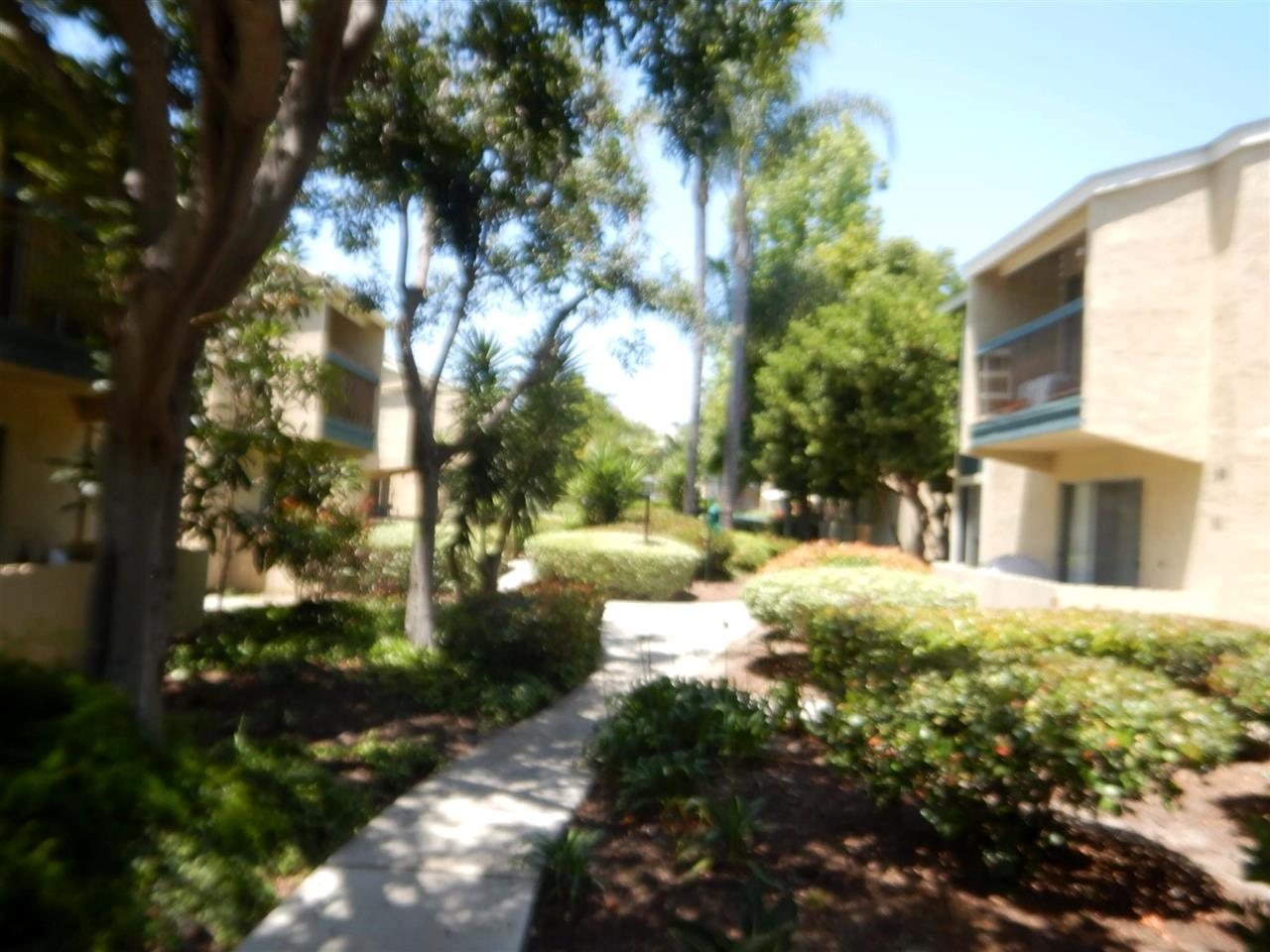
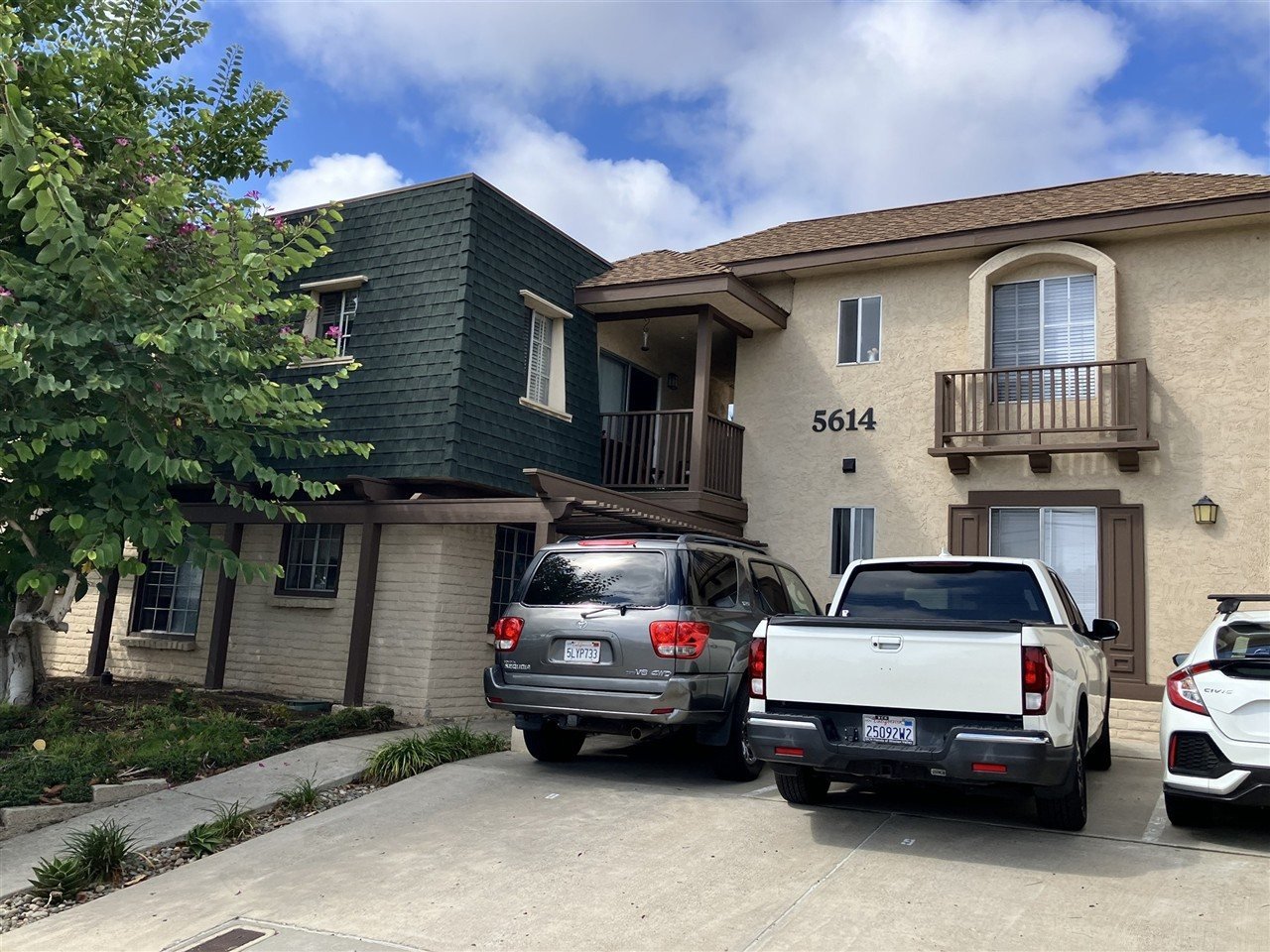
Condominium properties documented for SB 326 balcony compliance across San Diego County.

More inspections in Del Mar
- Sewer scope inspection in Del Mar
- 4-point inspection in Del Mar
- Roof inspection in Del Mar
- Thermal imaging in Del Mar
- Home inspection in Del Mar
Nearby and countywide
Were You Happy With Your Inspection?
We are proud of our 4.9-star rating across 100+ Google reviews. If Joseph and the team did right by you, a quick Google review helps other San Diego County buyers and sellers find us.