
Commercial Roof Cleaning in Del Mar, CA
Del Mar packs a lot of commercial roof into a small, salt-soaked stretch of coast — the boutique blocks along Camino del Mar, the Plaza and L'Auberge district up the hill, and the broad low-slope decks down in the river valley around the Fairgrounds and racetrack. Every one of those roofs sits within a mile or two of the surf, and the marine air that makes the village pleasant is the same air that keeps a membrane damp, feeds algae and lichen, and corrodes the metal at every drain and scupper. Commercial roof cleaning is the maintenance answer: clear the debris and biological growth, flush the drainage, and document what the roof is actually doing before a blocked outlet turns into ponding water over a tenant.
This is a clean-and-document service, not a recoat or a repair bid. We clear the field, restore the drainage, and photograph the condition of your TPO, modified-bitumen, built-up (BUR), or sprayed-foam roof. When the work uncovers an open seam, a blistered foam section, or damage that needs sealing or recoating, that goes to a licensed roofer — we hand off a dated, photo-backed picture of where the roof stands so the right contractor handles the repair and your warranty file stays current.
Call (619) 752-4399 Schedule an Inspection
What does a Del Mar commercial roof cleaning include?
The job is about getting water moving off the membrane and capturing the roof's real condition while we have access. On a typical Del Mar commercial building — a Camino del Mar storefront, a Plaza-area office or hospitality roof, or a valley-floor deck near the Fairgrounds — that breaks down to:
- Debris clearing: Salt-crusted grit, leaf litter from the Torrey pines and eucalyptus on the bluffs, and windblown sand pulled off the field, valleys, and parapet corners where it dams up.
- Biological growth removal: The algae, lichen, and dark organic film that the constant marine damp grows fastest on the shaded, ocean-facing side of a membrane, cleared gently rather than ground off.
- Drains, scuppers, and overflows: Internal drains, through-wall scuppers, and overflow outlets opened and flushed so the roof sheds water instead of holding it — the part that matters most on the low-pitched valley roofs.
- Equipment and penetration areas: Debris and growth cleared from around HVAC curbs, vents, skylights, and pipe penetrations, where trapped material holds moisture against the seams.
- Condition documentation: Photographed notes on the membrane, seams, flashing, drainage metal, and any ponding evidence, so you leave with a record of the roof the day we cleaned it.
Where a section can't be reached safely or sits concealed, we document it from the best vantage and say so plainly rather than guess.
What do Del Mar's coast and river valley do to a flat roof?
Del Mar squeezes two different roof problems into a couple of square miles. The bluff-top village lives in salt-laden marine air; the valley floor by the river runs low, flat, and damp. A useful cleaning has to read both.
- Relentless salt air: Nearly every Del Mar commercial building sits within sight of the ocean, so salt fog keeps membranes and metal wet longer than inland roofs. That corrodes scupper boxes, drain bowls, and drip metal early, and feeds the biological growth that darkens and holds water on the surface.
- The river valley and high water table: The flat commercial stock around the San Dieguito River, the Fairgrounds, and the racetrack sits on low ground with shallow groundwater nearby. Roofs there drain to few outlets and pond easily; the damp valley air keeps growth thriving on the membrane year-round.
- Bluff exposure and tree litter: West-facing buildings on the bluffs take wind-driven salt and grit on their exposed coastal edge, while the pines, eucalyptus, and lush Plaza landscaping drop a steady load that drifts into drains faster than owners expect.
- Ponding is the common thread: Coast or valley, a debris-blocked drain plus a low spot equals standing water — the single condition that does the most to shorten a commercial membrane's life and put warranty terms at risk.
What do we commonly find on Del Mar commercial roofs?
Because the same salt-and-valley conditions repeat across the village and the Fairgrounds district, certain findings turn up again and again in our documentation:
- Corroded drainage metal: Rusting scupper boxes, drain bowls, and drip edge on the bluff-facing and waterfront buildings — the salt takes the metal well before the membrane gives out.
- Clogged drains and scuppers: Outlets packed with pine needles, leaf litter, and sand, ringed with the staining that shows where water has been standing between storms.
- Biological growth on the ocean side: Algae streaks and lichen colonies darkening the shaded, salt-damp face of TPO and modified-bitumen, holding moisture against the surface.
- Ponding on the valley roofs: Dirt rings, blistering, and softened low spots on the broad, low-slope decks near the river and Fairgrounds where drainage never fully clears.
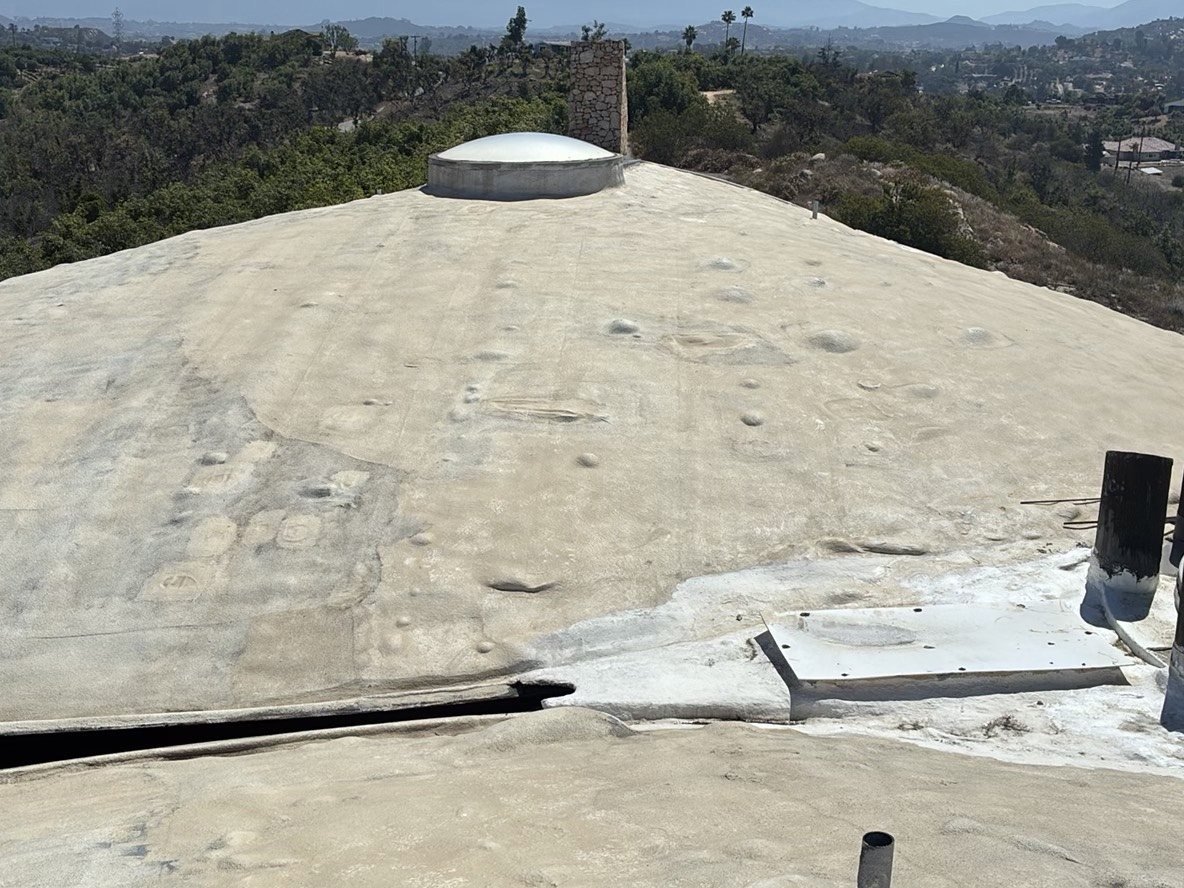
- Foam coating wear: Chalked, thinned, or blistered topcoat on sprayed-foam roofs that the coastal sun and salt have aged past their last recoat.
- Debris-loaded equipment curbs: Material trapped against HVAC curbs and penetrations — the exact seams most prone to opening up.
How does our cleaning process work and what report do you receive?
We schedule around your tenants and the village's rhythm — early mornings for a busy Camino del Mar storefront, off-hours on a Plaza office, and around event traffic for the Fairgrounds and racetrack district. On site we clear the field, valleys, and parapet corners, then open and flush every drain, scupper, and overflow so the roof drains the way it was designed to. We clear biological growth with methods matched to the membrane — never blasting a TPO seam or scouring a foam coat — and watch the equipment curbs and penetrations where debris traps moisture.
As we work, we document. Your findings come back in a clear, photo-backed HomeGauge report, usually delivered the same day or the next day, with the drainage condition, membrane and seam wear, coastal-metal corrosion, biological growth, and any ponding evidence called out by location so you and your roofer can act on it.
We clean and document only. We don't recoat, reseal, patch, or run leak pressure-tests on a roof we service — keeping cleaning separate from repair keeps the documentation independent of whoever bids the work. When a finding calls for seam work, recoating, or a warranty repair, we recommend a licensed roofer and coordinate or refer the right specialist.
Why do Del Mar owners and managers choose us?
Your roof is cleaned and documented under Joseph Romeo, an InterNACHI Certified Professional Inspector (CPI) who also holds a California CSLB General Contractor license (#1113143). That builder's background matters on a Del Mar commercial roof: he reads whether a foam roof was recoated or left to chalk in the salt sun, how the scuppers and drains were detailed on a low valley deck, and what a ponding pattern is telling you about the slope — not just whether the surface got swept.
- 20+ years and 10,000+ inspections across San Diego County's coast and valleys, from the Camino del Mar village blocks to the low-slope stock around the Fairgrounds and racetrack.
- 4.9 stars across 106 Google reviews from owners, managers, and agents who needed a straight answer on a roof.
- Documentation written for warranty files and budgeting — clear enough to hand straight to your roofer.
- Same- or next-day HomeGauge reports your team can act on without a second trip up the ladder.
We are InterNACHI CPI and CSLB-licensed; we are not ASHI or CREIA members, and we don't post flat prices — cost depends on the roof's size, access, and how much debris and growth it's carrying, so we point you to the fee schedule or confirm a quote before the work is booked.
What related services suit Del Mar commercial buildings?
Keeping the roof clean and draining answers one question, but a Del Mar commercial property rarely has just one. We offer the broader range so you can cover the building efficiently:
- Commercial building inspection — a full walk of the accessible systems, the right call at acquisition or lease renewal, with the roof folded in.
- Roof inspection — a focused condition and remaining-life assessment when you need more than a cleaning and a snapshot.
- Thermal/infrared imaging — reads hidden moisture under the membrane or behind the ceiling below a leak, a real asset this close to the marine layer and the damp river valley.
- Sewer scope — a camera down the lateral, worth it on the older village blocks and valley-floor buildings with aging lines near the high water table.
On a low-slope building near the river or a salt-worn roof up on the bluff, pairing the cleaning with a roof inspection and thermal scan in one visit answers the drainage question and the hidden-moisture question while we're already on site.
Del Mar Commercial Roof Cleaning FAQs
How often should a Del Mar commercial roof be cleaned?
Why does Del Mar's salt air matter so much for roof cleaning?
Do you repair or recoat the roof while you're up there?
Why do the valley roofs near the Fairgrounds pond so easily?
What kinds of commercial roofs do you clean in Del Mar?
Does a roof cleaning help with warranty compliance?
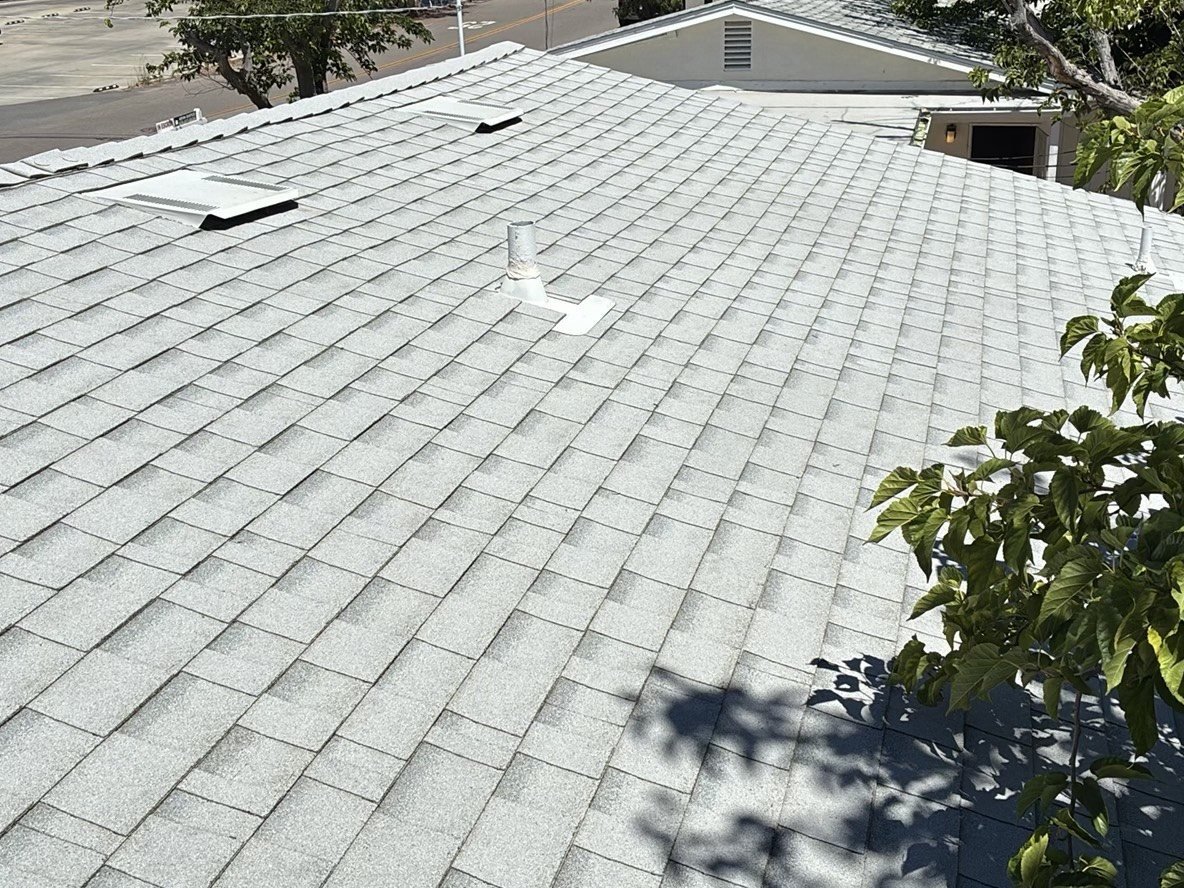
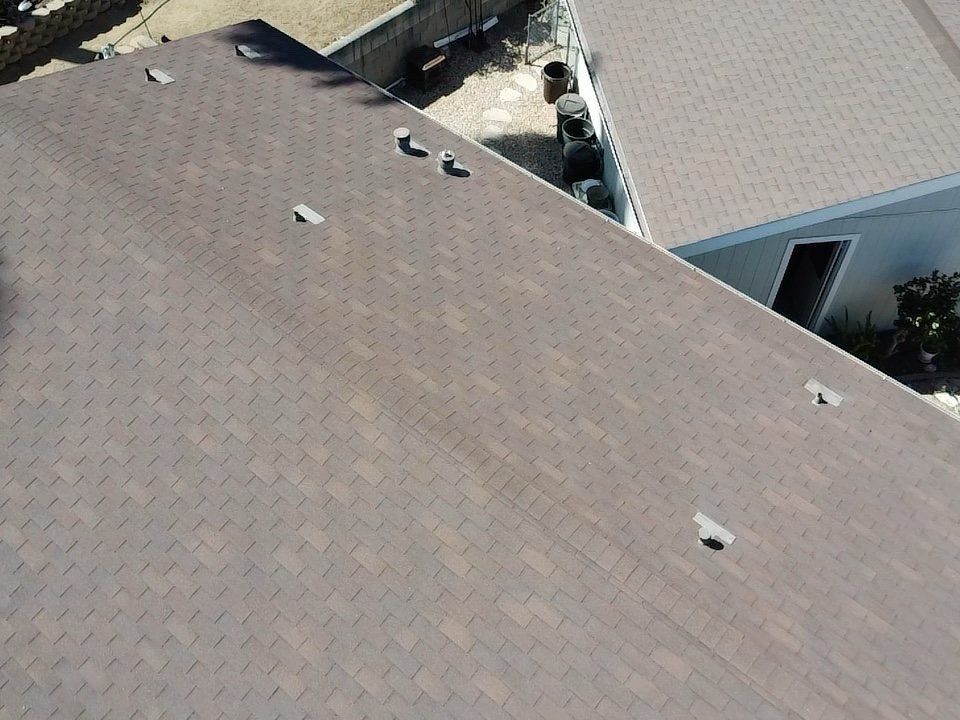
Large rooftops, handled
Flat and low-slope commercial roofs we access, document and maintain.
More inspections in Del Mar
- SB 721 balcony inspection in Del Mar
- SB 326 balcony inspection in Del Mar
- SB 721 exemption letter in Del Mar
- Seller inspection in Del Mar
- Home inspection in Del Mar
Nearby and countywide
Were You Happy With Your Inspection?
We are proud of our 4.9-star rating across 100+ Google reviews. If Joseph and the team did right by you, a quick Google review helps other San Diego County buyers and sellers find us.