
Pool & Spa Inspection in Del Mar, CA
Del Mar packs three very different pool situations into two square miles. There are the beach-colony lots west of the rail line, where the spa sits feet from the sand and everything metal lives in a salt fog. There are the bluff and Crest hillside homes stepping up toward the Mesa, where a pool was carved into a graded slope above the San Dieguito River valley. And there are the low lots near the lagoon and the fairgrounds, where the water table sits high enough that hydrostatic pressure and a damp equipment vault are part of every conversation. A pool that looks great on a sunny showing can be hiding any of those three problems.
A pool and spa inspection is a careful visual read of everything you can see and operate without disassembling the system: the shell and interior finish, the deck and coping, the visible circulation plumbing, the pump-filter-heater equipment, the electrical bonding and GFCI protection that stand between a swimmer and stray voltage, and the fences, gates, and anti-entrapment drain covers that keep children out of the water. We document and photograph observed condition. We do not pressure-test plumbing for hidden leaks or balance your water chemistry — when a Del Mar pool needs either, we point you to a pool specialist and say so in writing.
Call (619) 752-4399 Schedule an Inspection
What does a Del Mar pool & spa inspection include?
This is a visual, operate-what-is-safe assessment built for buyers, sellers, and agents who need to know exactly what a Del Mar pool involves before the contingency closes. On a typical property we work through:
- Shell and interior finish — the plaster, pebble, or quartz surface and the spa interior, read for cracking, hollow delamination, etching, and the staining that hard fill water and constant marine moisture leave behind.
- Deck, coping, and waterline tile — the surround, expansion-joint mastic, coping stones, and tile, with attention to the cracking and separation that graded bluff and Crest lots produce.
- Visible circulation plumbing — skimmers, returns, reachable suction lines, valves, and the exposed piping at the pad, observed for corrosion and weeping where we can actually see it.
- Equipment package — pump, filter, and heater, plus any salt-chlorine cell, automation, and spa blower, cycled to confirm the system primes, circulates, and responds.
- Bonding and GFCI protection — the equipotential bonding grid tying the pool's metal together and the GFCI devices on pump and receptacle circuits, the safety layer most often degraded this close to the ocean.
- Barriers and anti-entrapment — fence height, self-closing and self-latching gates, door alarms where fitted, and VGB-compliant main-drain covers.
When a line is buried under decking, a vault is flooded, a panel is locked, or a heater can't be fired safely, we report it as not evaluated rather than imply we confirmed it.
What do Del Mar's bluffs, lagoon, and salt fog do to a pool?
Few towns concentrate this many pool stressors into so small an area. Where we slow down depends entirely on where the lot sits:
- High water table by the river valley and lagoon. On the low ground near the San Dieguito River, the racetrack, and the lagoon, groundwater sits close to the surface. That drives hydrostatic pressure under the shell, keeps equipment vaults and below-grade pad areas damp, and is the reason an empty or recently drained pool here deserves real scrutiny — a shell can float or crack when the water behind it has nowhere to go.
- Bluff erosion and slope movement. West of the rail and up the Crest, pools sit on bluff edges and graded hillside that keep shifting. We trace deck cracks, displaced coping, separated mastic, and shell cracking for the directional patterns that signal soil and bluff movement rather than ordinary aging.
- Beach-colony salt fog. On lots a block or two off the sand, salt-laden air rusts heater cabinets, pump fittings, conduit, and the bonding lugs themselves faster than anything inland. Where a salt-chlorine system is in play, the corrosion compounds and we look hard at the cell, heater header, and exposed bonding metal.
- Tight, remodeled colony lots. Many west-side pools and spas are small, squeezed against the house and a property line, and re-plastered and re-equipped piecemeal over decades — so separating current, functional gear from abandoned plumbing is part of the job.
Which findings repeat on Del Mar pools & spas?
Inspect enough pools across the beach colony, the Crest, and the lagoon-side lots and the same items keep surfacing. Few of them sink a deal — they're things to understand, price, and negotiate before closing:
- Hydrostatic and movement cracking. Shell and bond-beam cracks on low river-valley lots where groundwater pushes back, and settlement cracking on graded bluff and Crest decks where the slope is still moving.
- Salt-rusted equipment. Heaters corroded from the inside, pitted conduit, seized fasteners, and worn salt cells on west-side pads within the fog line.
- Missing or corroded bonding. Broken, absent, or rusted equipotential bonding at the pump, heater, and light niche — a real shock hazard and one of the most frequent findings on coastal Del Mar pools.
- No GFCI protection. Pump, light, and equipment circuits and nearby receptacles wired before current standards, with no GFCI in place.
- Non-compliant barriers and drain covers. Fences below height, gates that won't self-close or self-latch, and flat or expired main-drain covers that fail the federal VGB anti-entrapment standard — the items that matter most on a family lot near the beach.
- Damp vaults and pad areas. Standing water, efflorescence, and corrosion in below-grade equipment areas on the low lots, where the high water table never really lets things dry out.
How do we run it and what does the report give you?
We coordinate access with the agent or owner so the equipment is energized and reachable, then cycle the pump, filter, heater, and spa to confirm the system primes, circulates, and responds rather than judging a cold, off system. We walk the deck and perimeter, sound and examine the shell and waterline, follow the visible bonding and confirm GFCI protection, and challenge the gates and barriers the way a child actually would. You're encouraged to walk it with us; standing at a damp vault or a missing bonding lug while we explain it lands better than any written line.
Your deliverable is a photo-documented HomeGauge report organized by component, with the significant safety items lifted into a summary up front so you and your agent can move on them fast. We turn reports around same day or next day, so the contingency clock never waits on us. We report observed condition only and never bid or perform the repairs we flag, so nothing in the report carries a conflict of interest.
Two services sit outside this scope and we're direct about them: pressurized leak detection and water chemistry balancing are specialist work. When the visible evidence points to a possible leak — common where a high water table hides one — or the chemistry needs correction, we recommend a licensed pool specialist to handle it properly alongside our findings.
Why do Del Mar buyers call Joseph Romeo?
A pool is a structural, mechanical, and electrical system at once, and reading one well on a bluff lot or a high-water-table parcel rewards an inspector who understands how the whole thing was built. Your inspection is led by Joseph Romeo, an InterNACHI Certified Professional Inspector (CPI) who also holds a California CSLB General Contractor license (#1113143). On Del Mar's heavily reworked colony pools and slope-cut bluff pools, that contracting background is the edge — he reads how a deck was poured, where a past re-plaster cut a corner, and what a heater, bonding, or hydrostatic correction actually involves.
- 20+ years and more than 10,000 inspections across San Diego County's coastal, bluff, and inland properties.
- 4.9 stars across 106 Google reviews from buyers, sellers, and agents.
- Straight talk — we tell you what we'd want to know if our own family were swimming in it, with no scare tactics and no upsell.
- Real familiarity with Del Mar, from the beach colony west of the tracks to the Crest and Mesa hillsides and the low lots by the river and the fairgrounds.
Reports arrive in modern, photo-rich HomeGauge format with a plain-language summary you and your agent can act on without translation.
What related inspections should Del Mar pool owners consider?
A pool rarely travels alone. Most Del Mar buyers pair the pool and spa inspection with the home itself, usually in one coordinated visit:
- Full home inspection — the house, roof, electrical, plumbing, and structure, the backbone of any Del Mar purchase and the report the pool findings supplement.
- Sewer scope — a camera run of the lateral, worth it on older colony lots with original clay or cast-iron lines and mature trees, especially where a pool sits over part of the run.
- Thermal/infrared imaging — reads hidden moisture in decks, equipment rooms, and walls, a real payoff in a marine-layer town with damp low-lying lots.
- Roof inspection — the salt-stressed flashing and coverings that fail early this close to the water.
- Specialist coordination — for pressurized leak detection, structural or geotechnical certification on a bluff lot, or a termite/WDO report, we refer the right licensed professional rather than stretch past our scope.
The pairing we recommend most is the pool inspection alongside a full home inspection, for one coordinated read on the entire property rather than two disconnected trips. We suggest what fits your purchase, never a fixed package.
Del Mar Pool & Spa Inspection FAQs
What does a pool & spa inspection in Del Mar cost?
Does Del Mar's high water table really affect a pool?
Do you test the pool for leaks?
Why focus so much on bonding and GFCI near the beach?
Do you check the pool fence and drain covers?
Can you inspect the pool and the house in one visit?
Pools and equipment
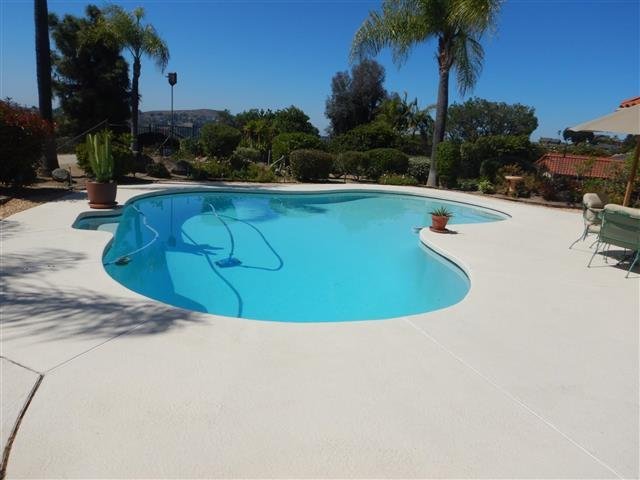
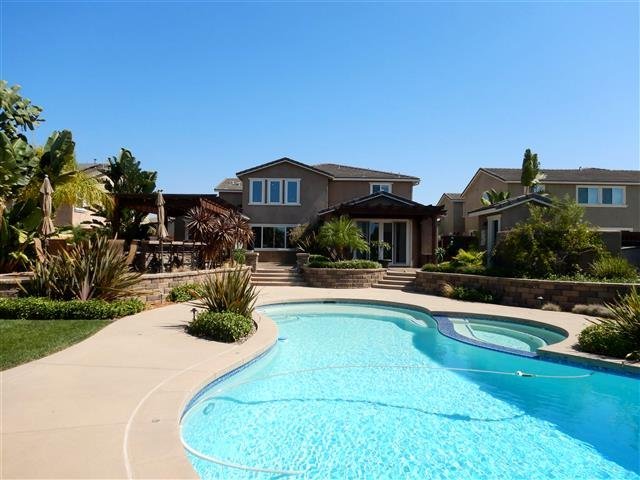
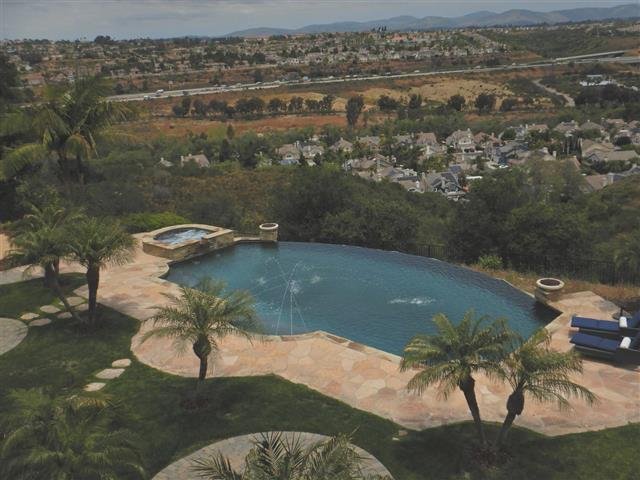
Pools, spas and equipment photographed during recent inspections.
More inspections in Del Mar
- Sewer scope inspection in Del Mar
- 4-point inspection in Del Mar
- Roof inspection in Del Mar
- Thermal imaging in Del Mar
- Home inspection in Del Mar
Nearby and countywide
Were You Happy With Your Inspection?
We are proud of our 4.9-star rating across 100+ Google reviews. If Joseph and the team did right by you, a quick Google review helps other San Diego County buyers and sellers find us.